
Carrying an Instrument Daily
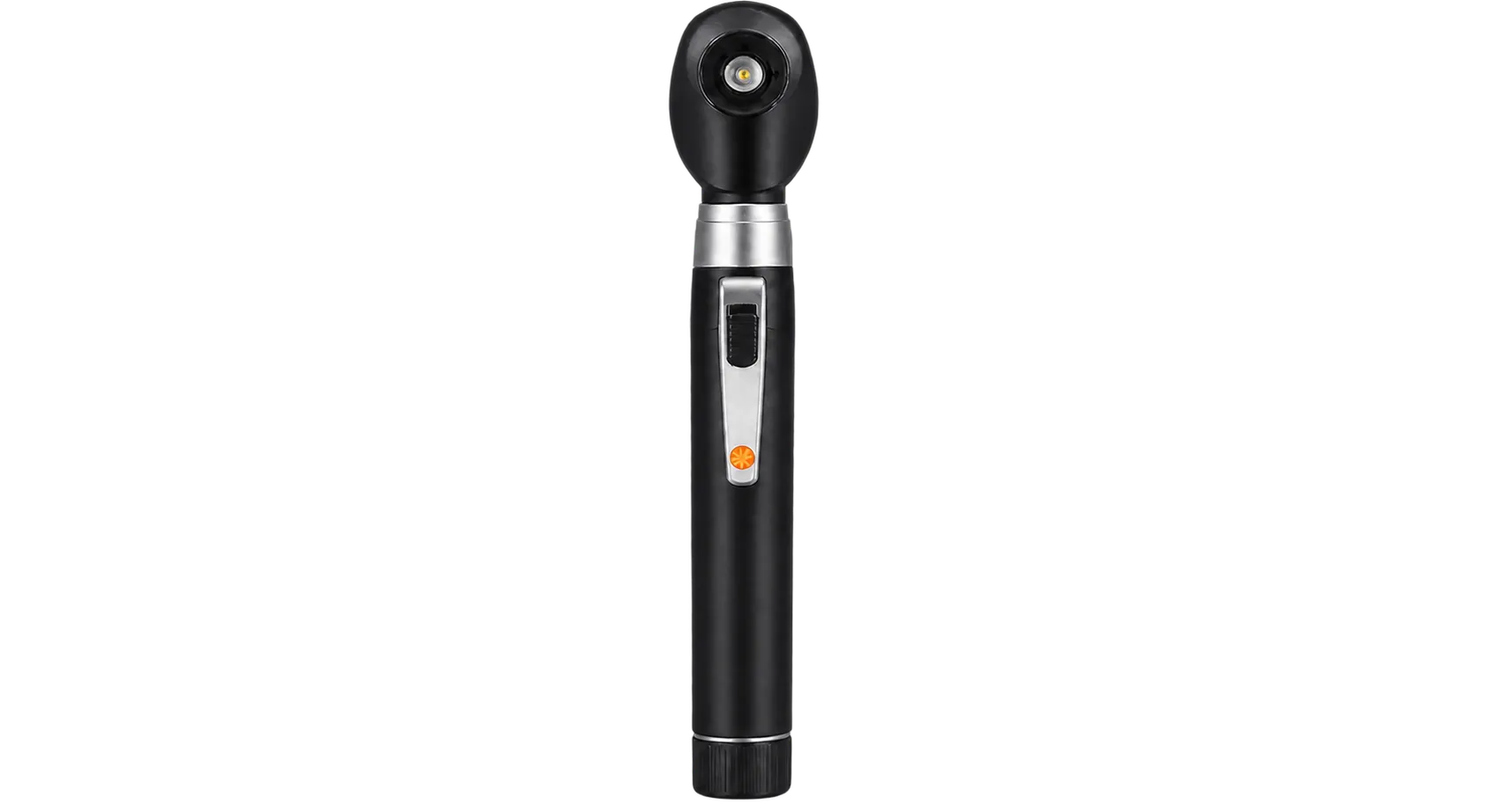
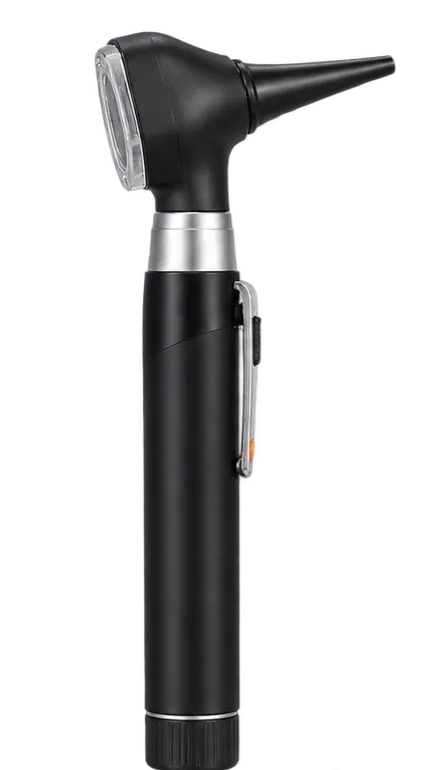
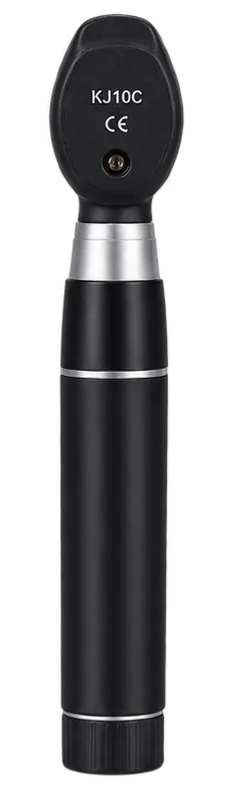
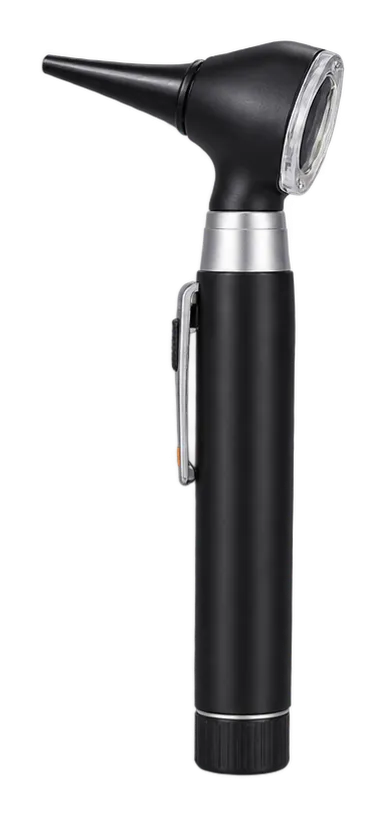
Pocket size with dry cells makes this the otoscope that travels with a clinician rather than staying in a room. For anyone examining ears away from a consulting room, an instrument present is worth more than a better one left behind. Instruments in drawers get used far less. Carrying is what the design permits. Away from a consulting room it may be all there is. Portability decides whether it is used. Ears need examining wherever patients are. Pocket size makes that routine.
Practices Sterilising Between Patients
High temperature sterilisation being contemplated in the documentation is directly relevant where specula enter the ear canal at every examination. Which components tolerate the process should be confirmed, since the wording does not name parts. Specula enter the canal at every examination. Component coverage needs confirming. Confirming coverage precedes service entry. Wording covers the instrument generally. High temperature processes are demanding ones. Not every component tolerates them.
Paediatric Ear Examination
A 2.5 millimetre speculum reaches infant and young paediatric canals that adult sizes cannot, and the three sizes supplied cover a practice seeing patients across all ages without further purchases. Adult specula cannot enter infant canals. Three sizes avoid further purchases. Practices seeing all ages need that range. Nothing further requires sourcing separately. Infants through adults are covered together. One purchase serves the whole range.
Assessing Membrane Mobility
The sealed structure and insufflation interface allow air into the sealed canal, so the tympanic membrane's response to pressure change can be observed. What any response indicates rests with the examining clinician. Sealing the canal is what permits the test. Pressure response carries information. Membrane response is observable only with air. Interpretation stays with the clinician. Pneumatic examination adds real information. Inspection alone cannot supply it.