
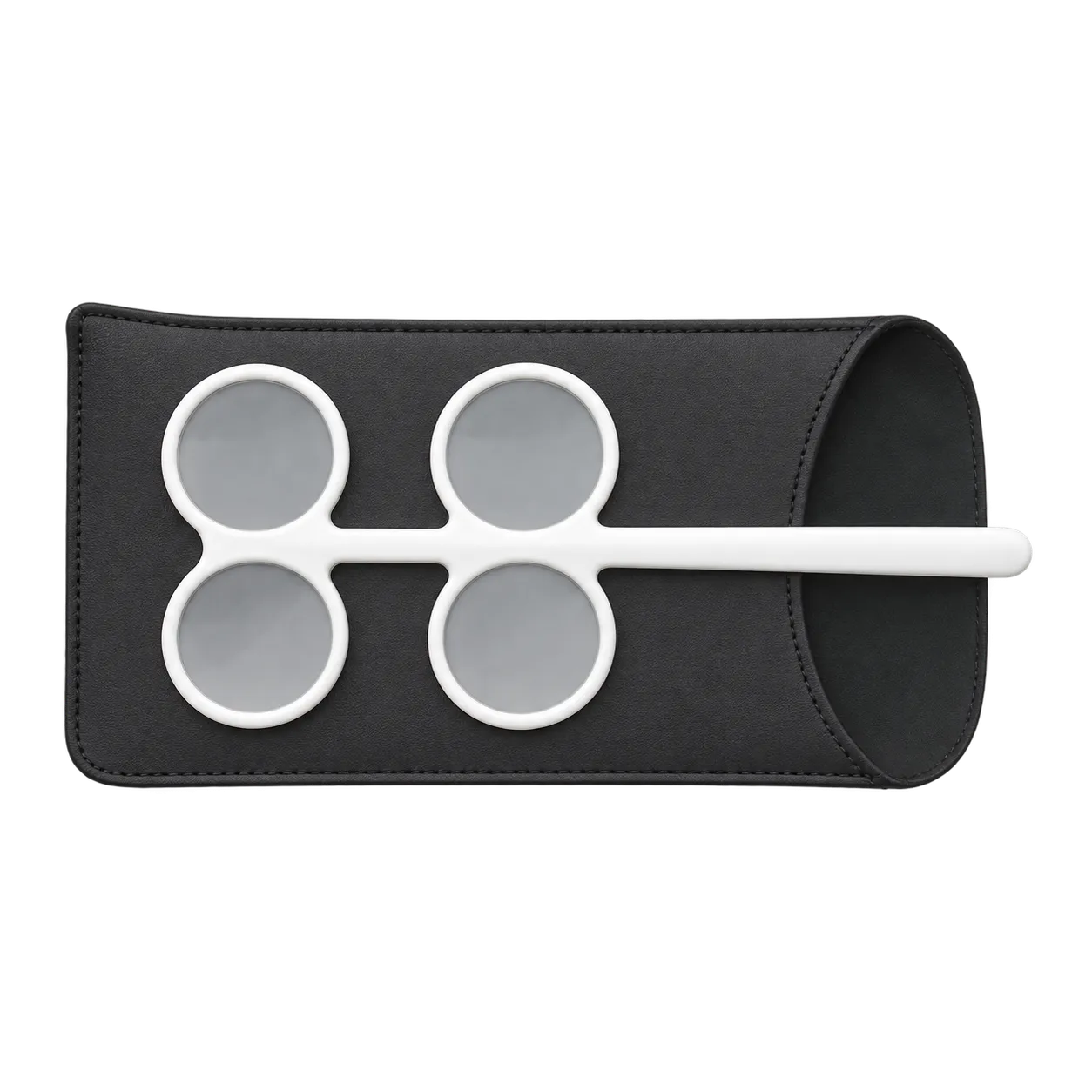
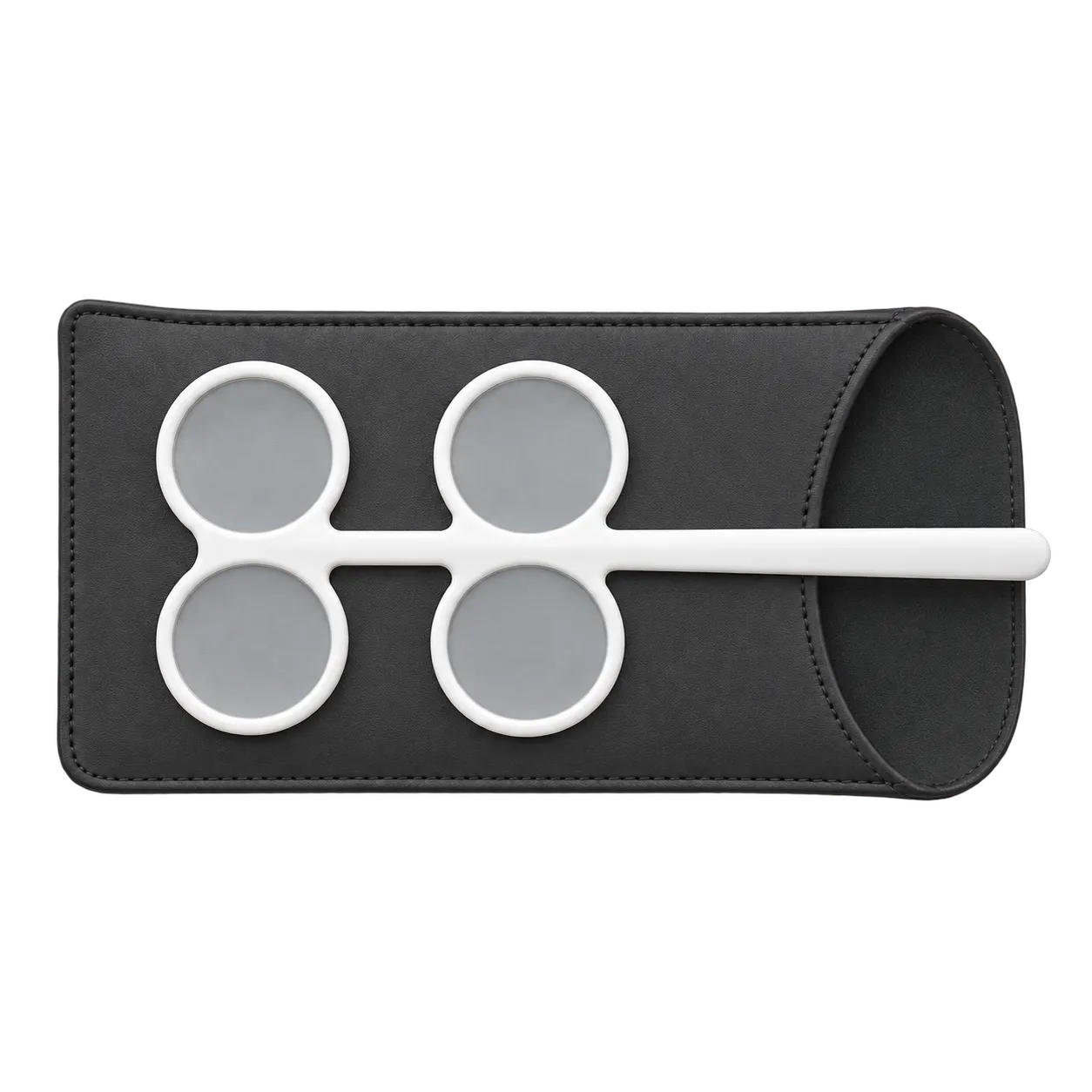
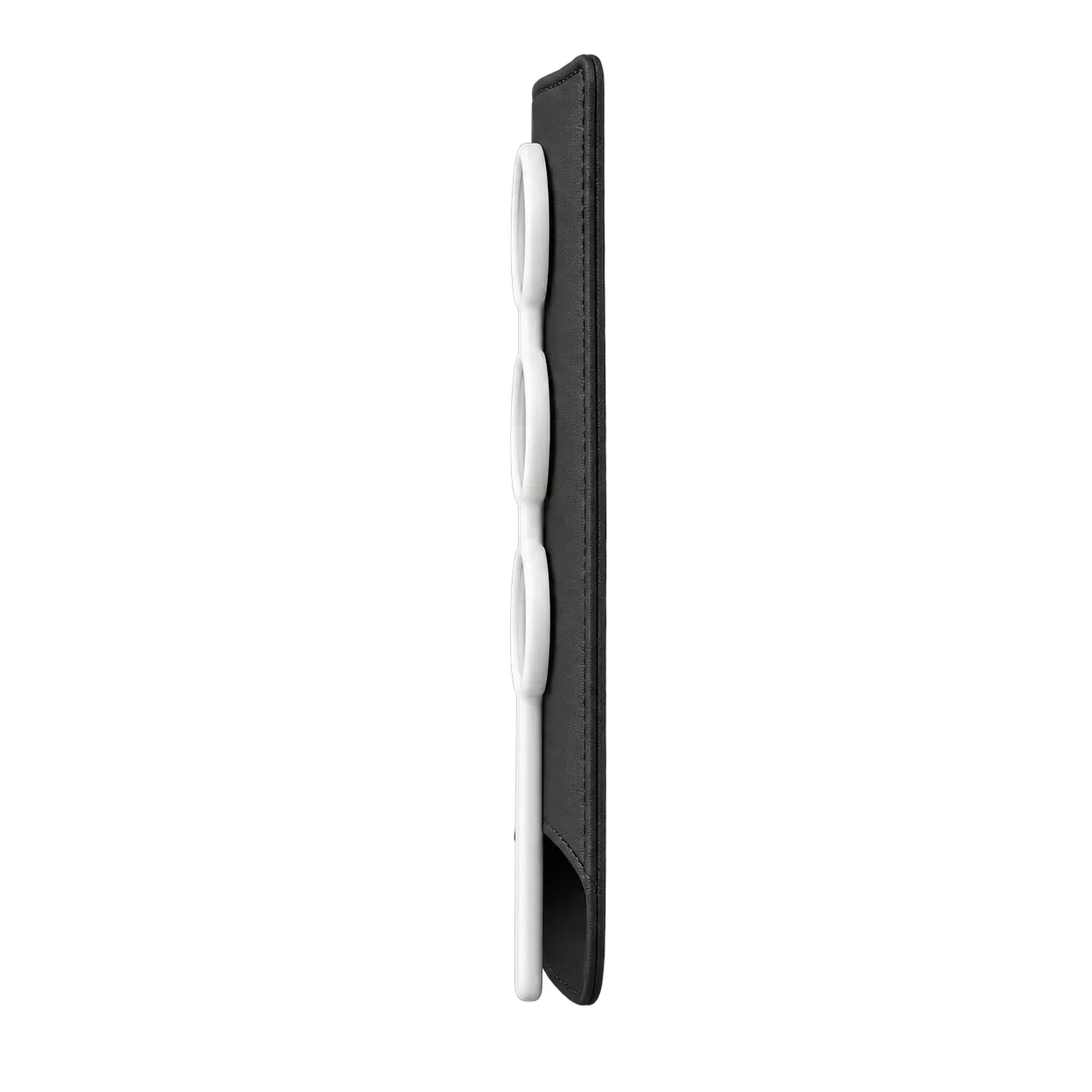
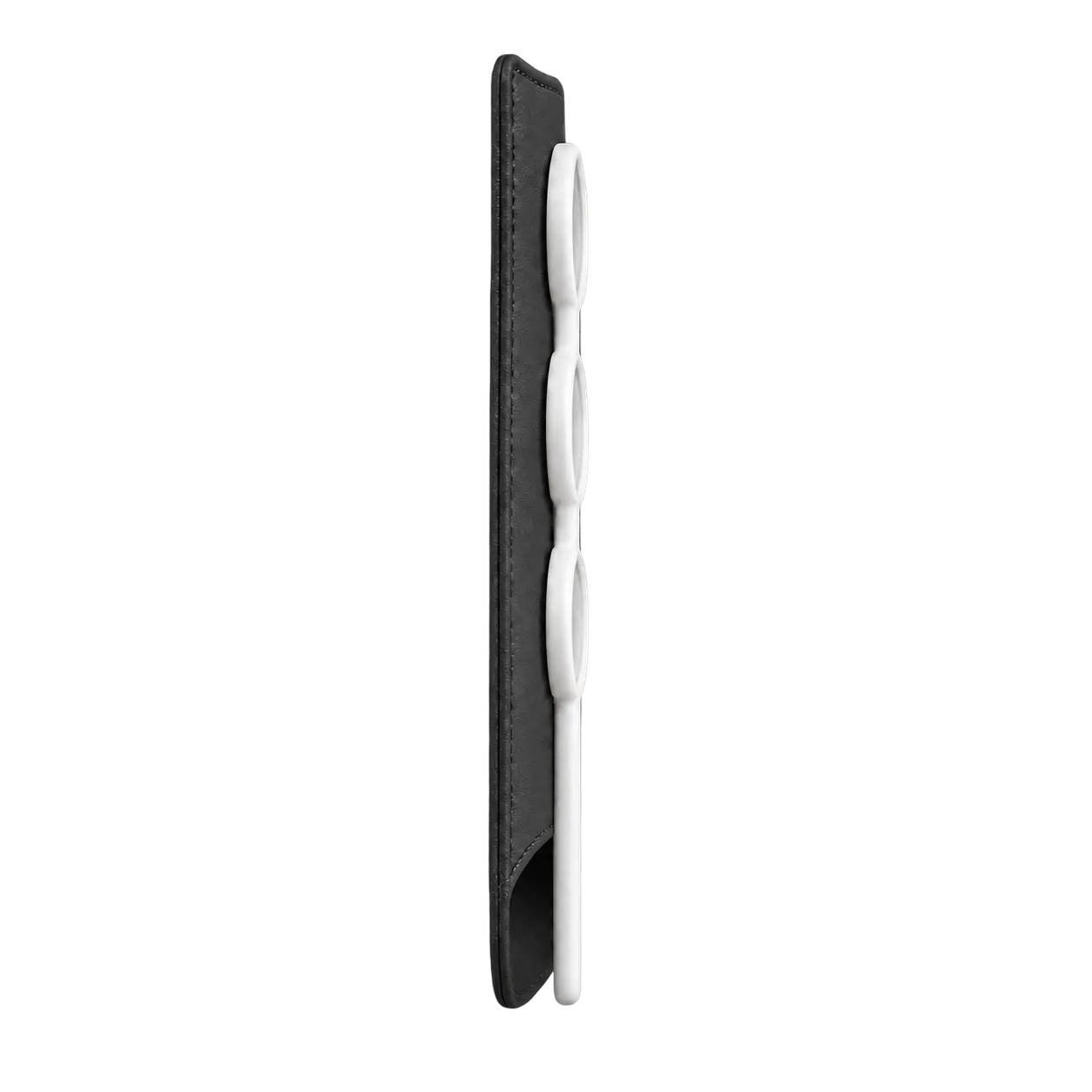
Community optometry practices use flippers during binocular vision assessments for patients with near symptoms. With the power and sides clearly marked, any clinician in the practice can run the same test and record a comparable score.
Paediatric assessments often include accommodative facility for children who struggle with reading. Because the flipper is used close to the face and passed between clinicians, cleaning between children matters, particularly in busy school-age clinics.
Presbyopic refraction uses the low powers to check a proposed reading addition. Picking up the correct low-power flipper is essential here, since a 0.25 D and a 0.50 D flipper may look identical if unmarked.
Vision therapy clinics use several powers in sequence. Clear labelling and a fixed storage place for each flipper prevent the wrong power being handed to a patient doing supervised exercises.
Hospital eye services and orthoptic departments with shared equipment benefit from a written cleaning and inspection routine, with damaged flippers withdrawn and recorded.
Domiciliary and outreach services carry flippers between homes and care settings, where the pouch helps protect the lenses in transit and cleaning must happen on site between patients.
Training clinics for students can use the DL-F to teach both the test and the handling routine, including orientation, cleaning and inspection.
The DL-F is less suited to buyers who need marked powers, a stated lens material or documented tolerances before purchase. Any declaration of conformity is issued by the manufacturer and provided by the seller.