
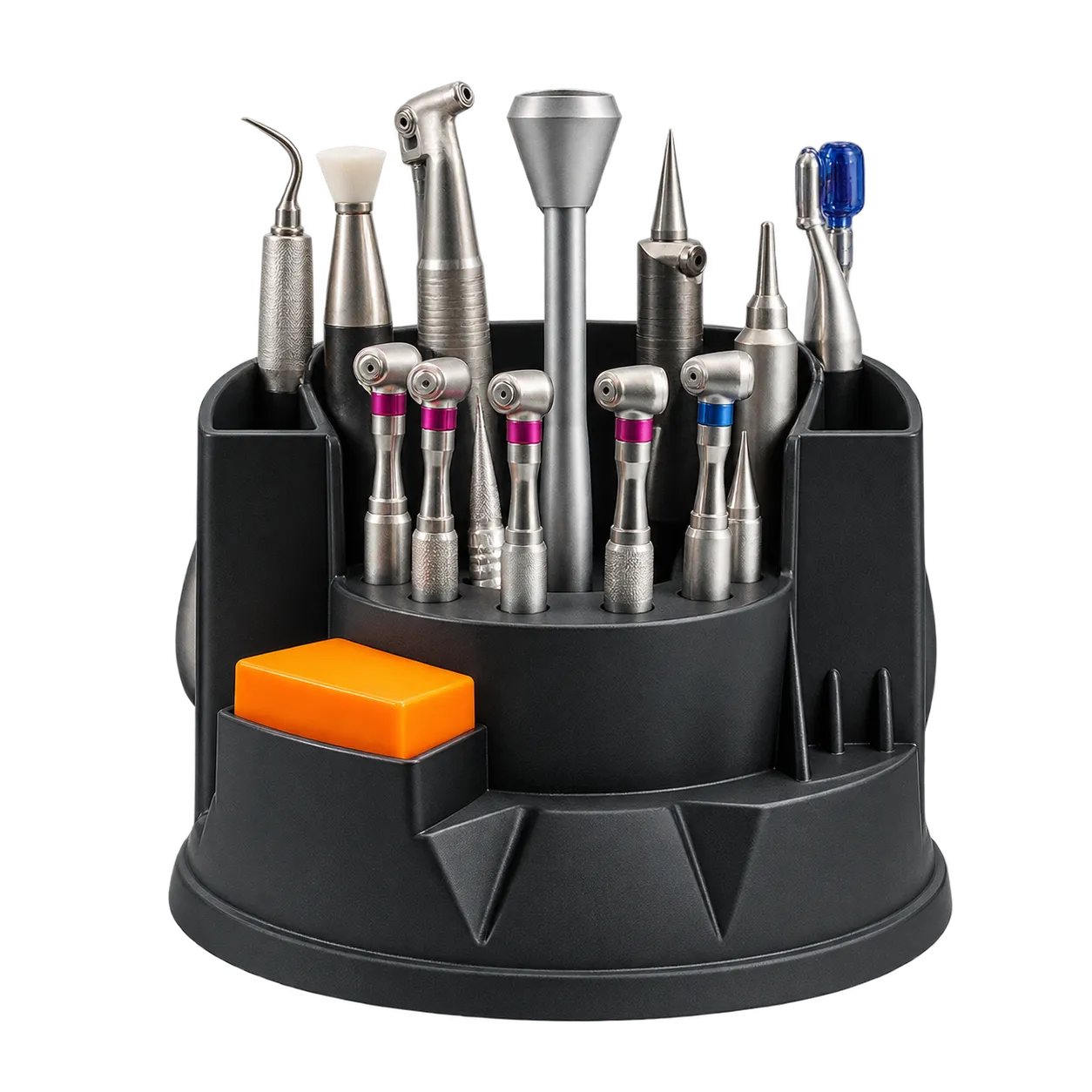
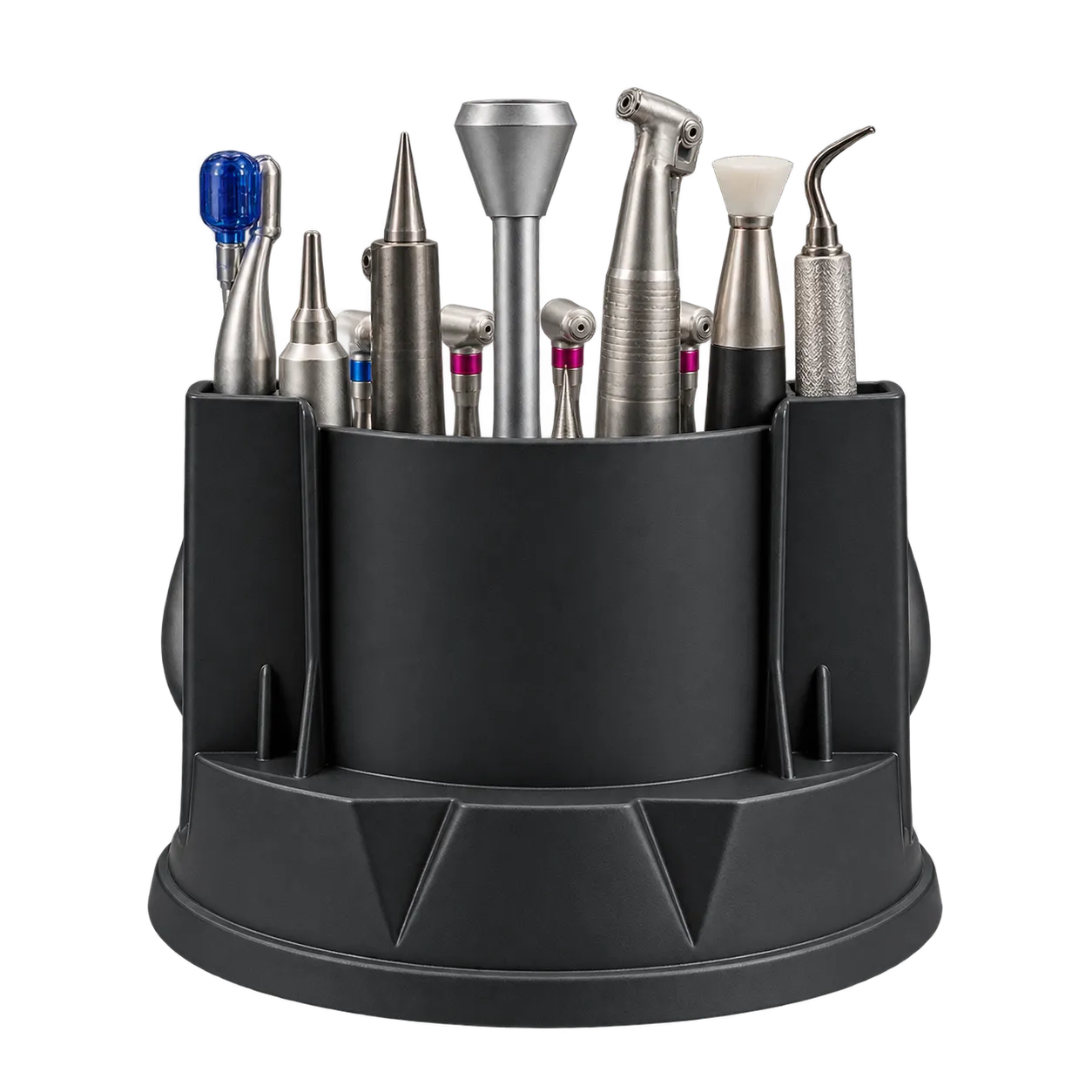
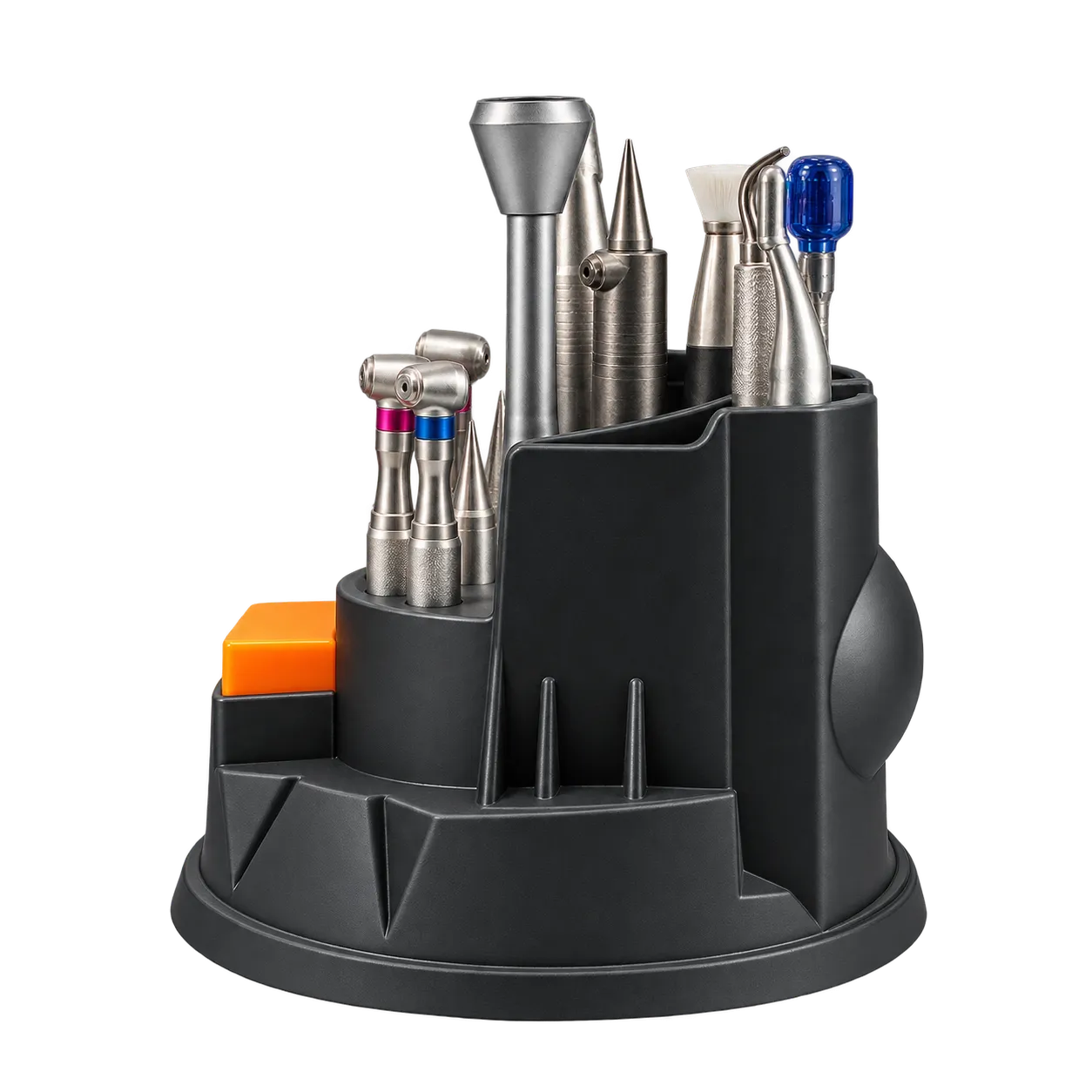
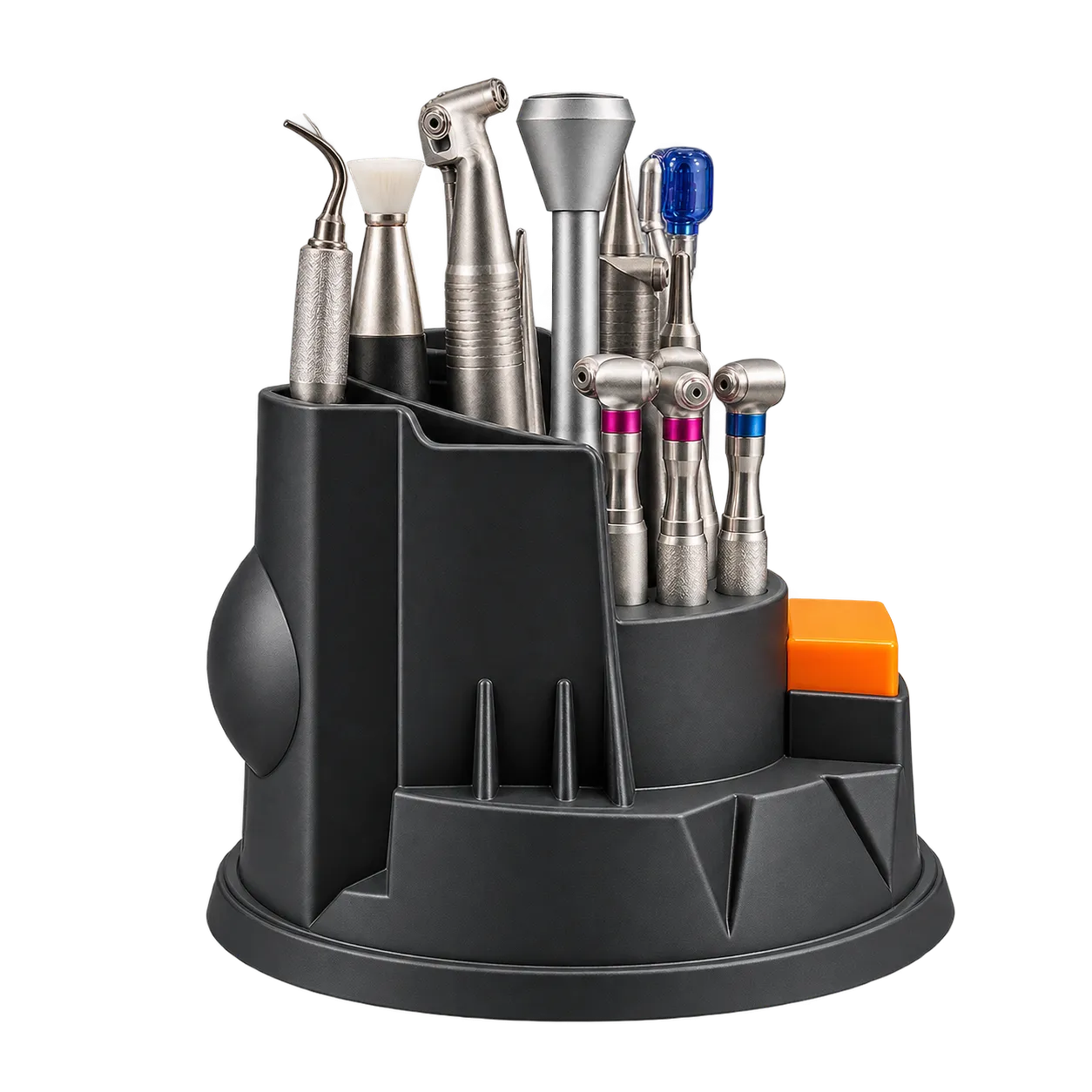
Practices that keep an equipment register can enter the B07SA item by item, because every plier, driver and bit on the datasheet carries a code. Once the seller has named each plier, the register can record type, location and inspection dates for each tool.
Dispensing desks use pliers and drivers for adjustments at fitting and collection and for repairs while the customer waits. A round stand holds both kinds of tool in one place, with the pliers behind and the drivers in front.
Glazing and repair workshops can set the stand at the bench, using the drivers for hinge screws and rimless nuts, subject to the tip types being confirmed, and the pliers for frame work.
Training for new optical assistants is part of the PUWER duty. A coded set lets a trainer work through each tool in turn and sign off competence against a named list.
Multi-site groups can issue the same coded set to each branch, so registers, inspection checklists and training records follow one format across the group.
Maintenance planning benefits from listed spares. The four workbench bits, if confirmed as replacement tips, allow a worn slotted or cross tip to be changed without waiting for a new driver.
The set is less suited to buyers who need each plier named before ordering, or who need socket sizes beyond those listed. Buyers needing documentation should request it, because any declaration of conformity or test report is issued by the manufacturer and provided by the seller.