
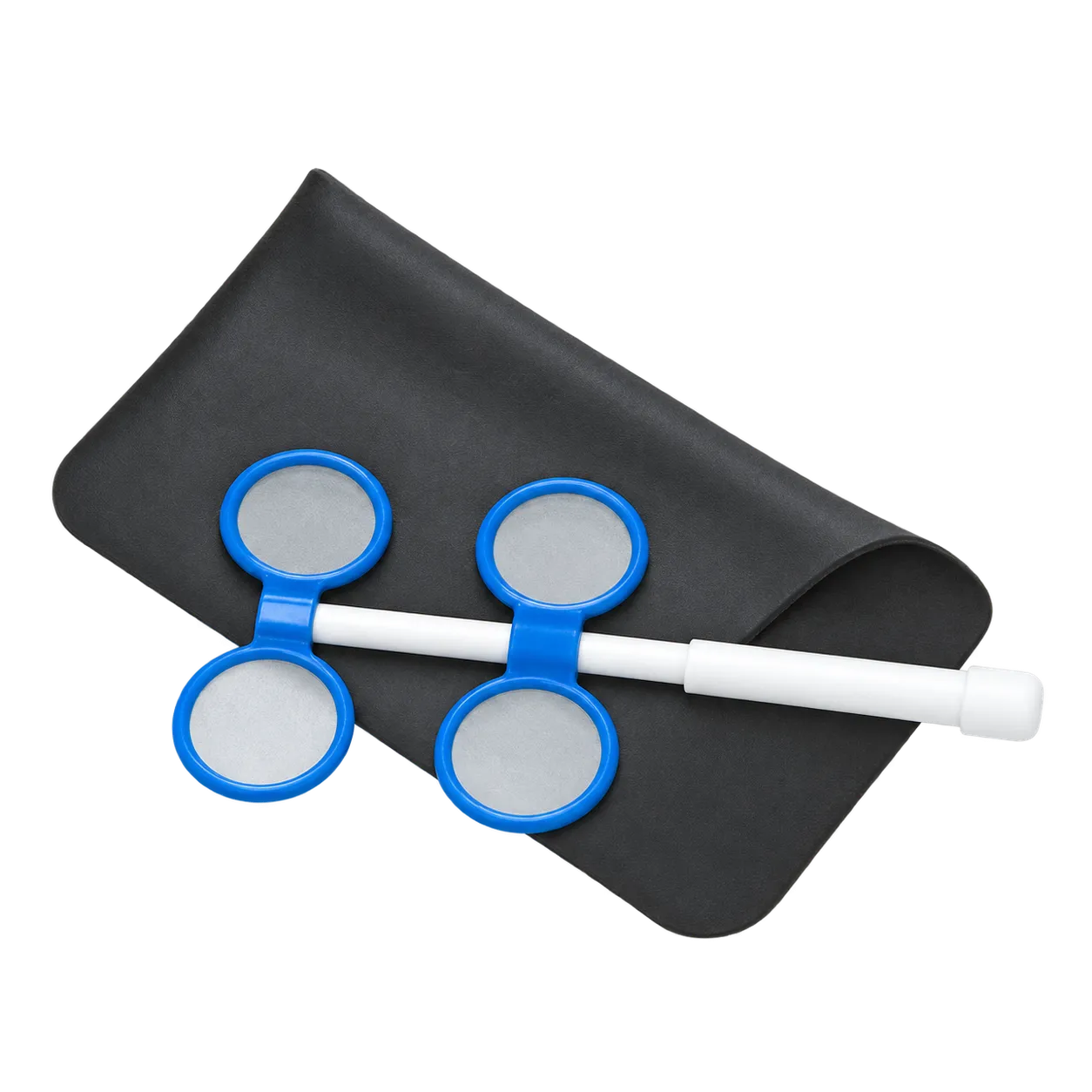
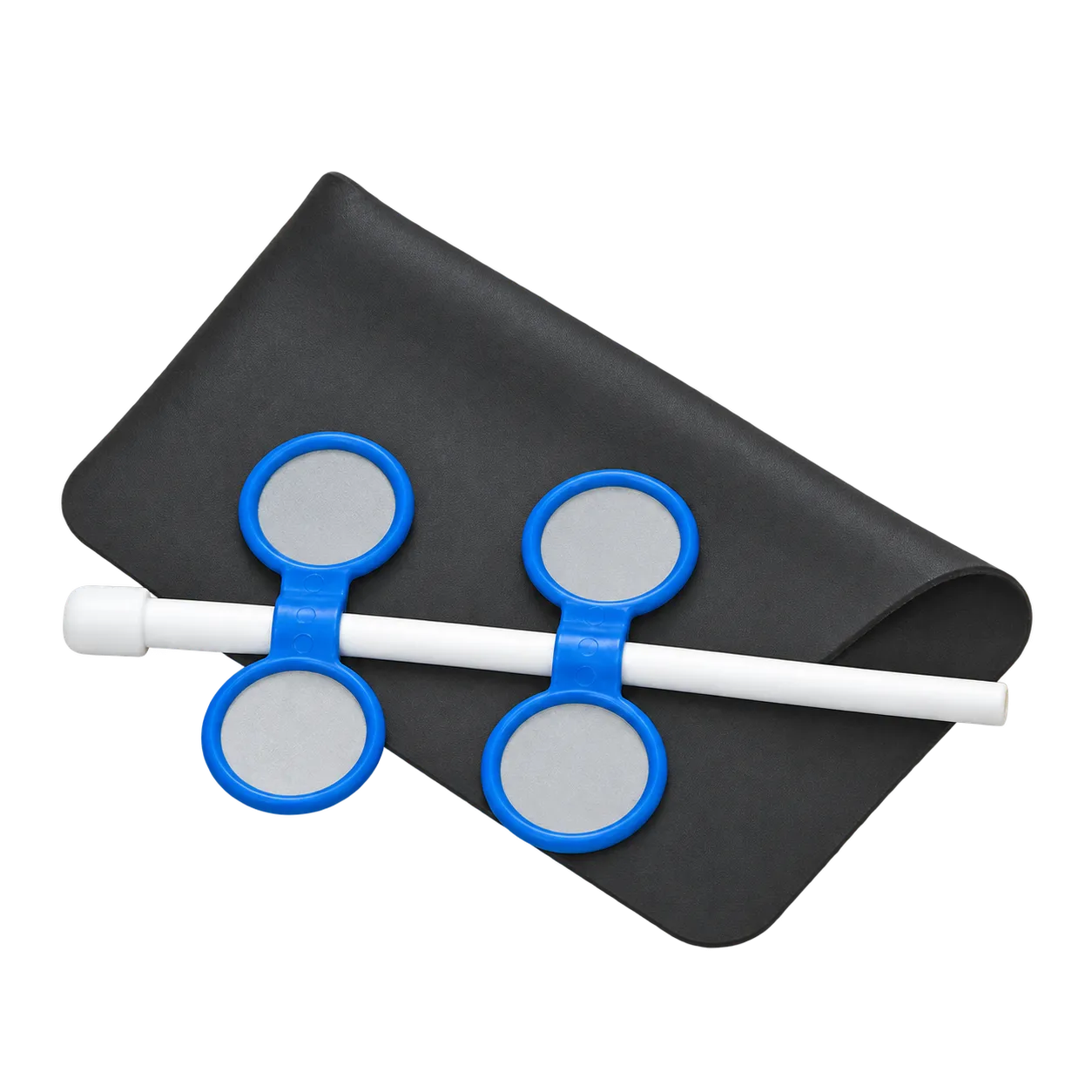
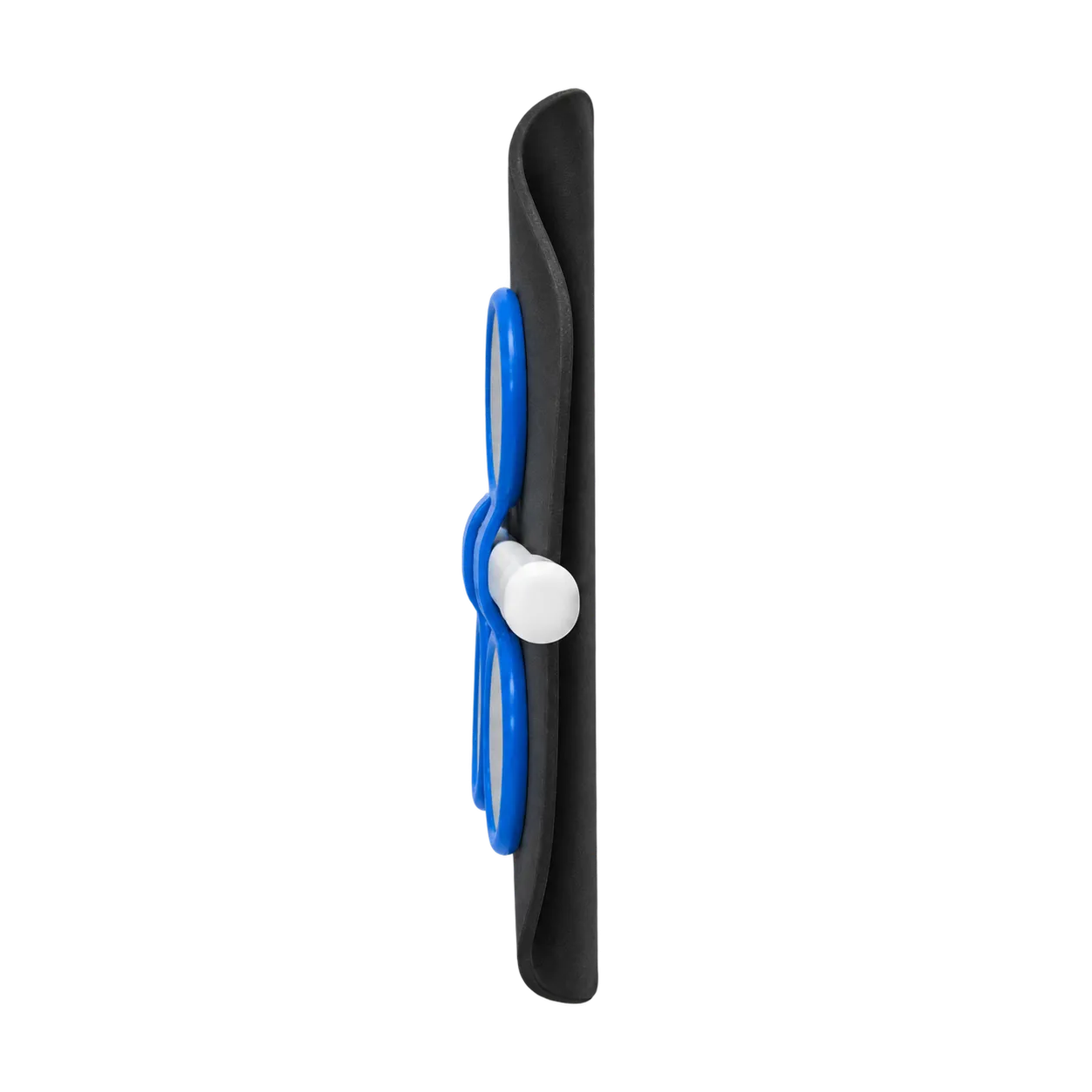
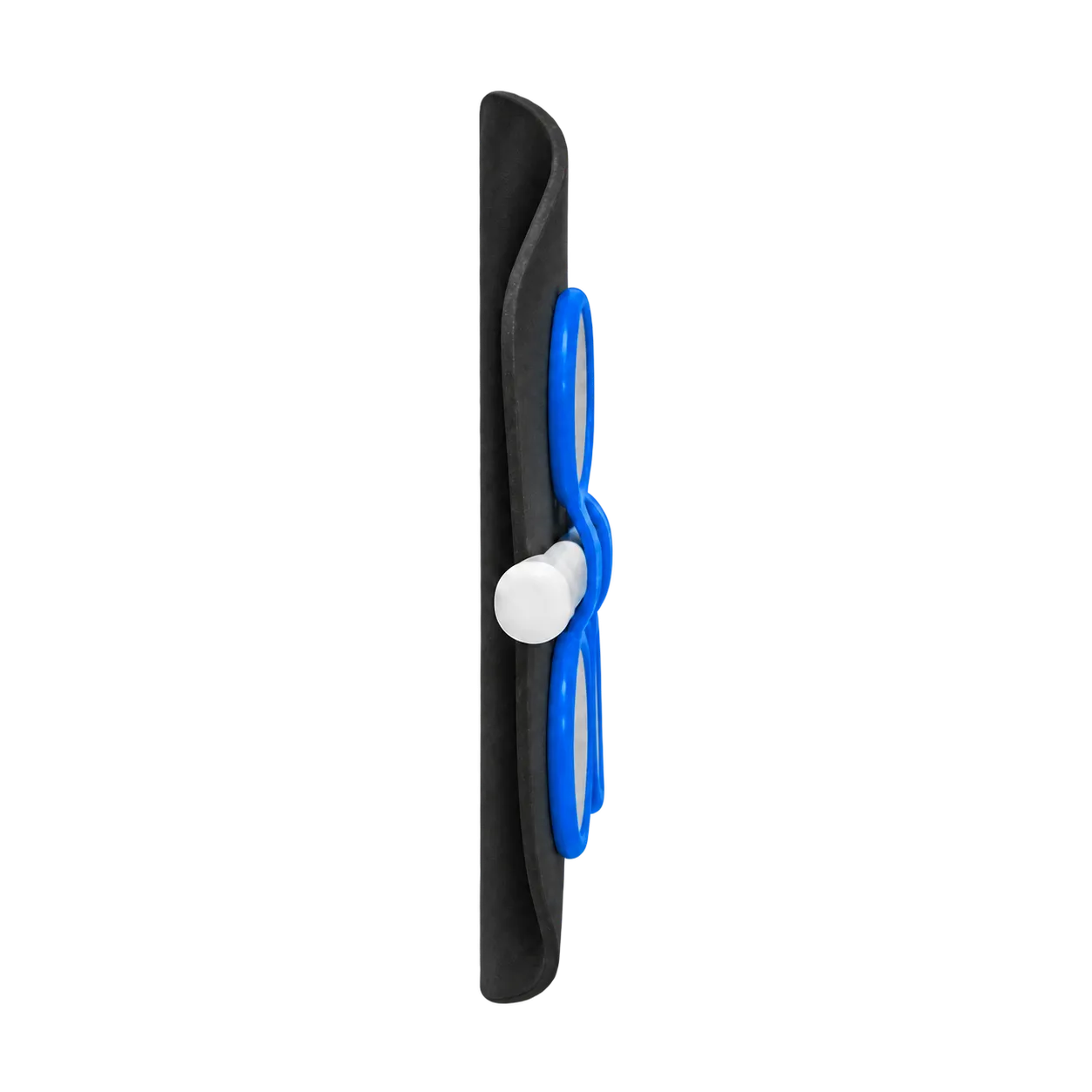
Binocular vision clinics are the most likely setting, if the lenses are confirmed as 3 base-in and 12 base-out prisms. Vergence facility testing measures how quickly a patient can change vergence while keeping a near target single, and it is often part of an assessment for reading discomfort, eyestrain or intermittent double vision at near.
Primary care optometry uses vergence facility alongside near point of convergence, cover testing and fusional reserves to investigate symptoms during close work. A handheld flipper lets the test be done at the near point without a phoropter.
Paediatric and school-age assessments may include vergence facility when a child reports difficulty with reading or sustained close work, with results compared against age norms.
Orthoptic departments and vision therapy programmes use prism flippers to measure progress in vergence training, repeating the test to show change over time.
If the seller confirms spherical lenses instead, the APL-F2 would serve accommodative rather than vergence work, and its role in the clinic would change accordingly.
Training settings, including optometry and orthoptic courses, can use a confirmed prism flipper to teach the vergence facility method, from target choice and patient instructions to counting cycles and recording the result.
Domiciliary and outreach services can carry a flipper in a pouch, since it needs no power or mounting.
The APL-F2 is poorly suited to any clinic that needs a defined unit, lens type and base direction before purchase, as none is published. Any declaration of conformity is issued by the manufacturer and provided by the seller.