

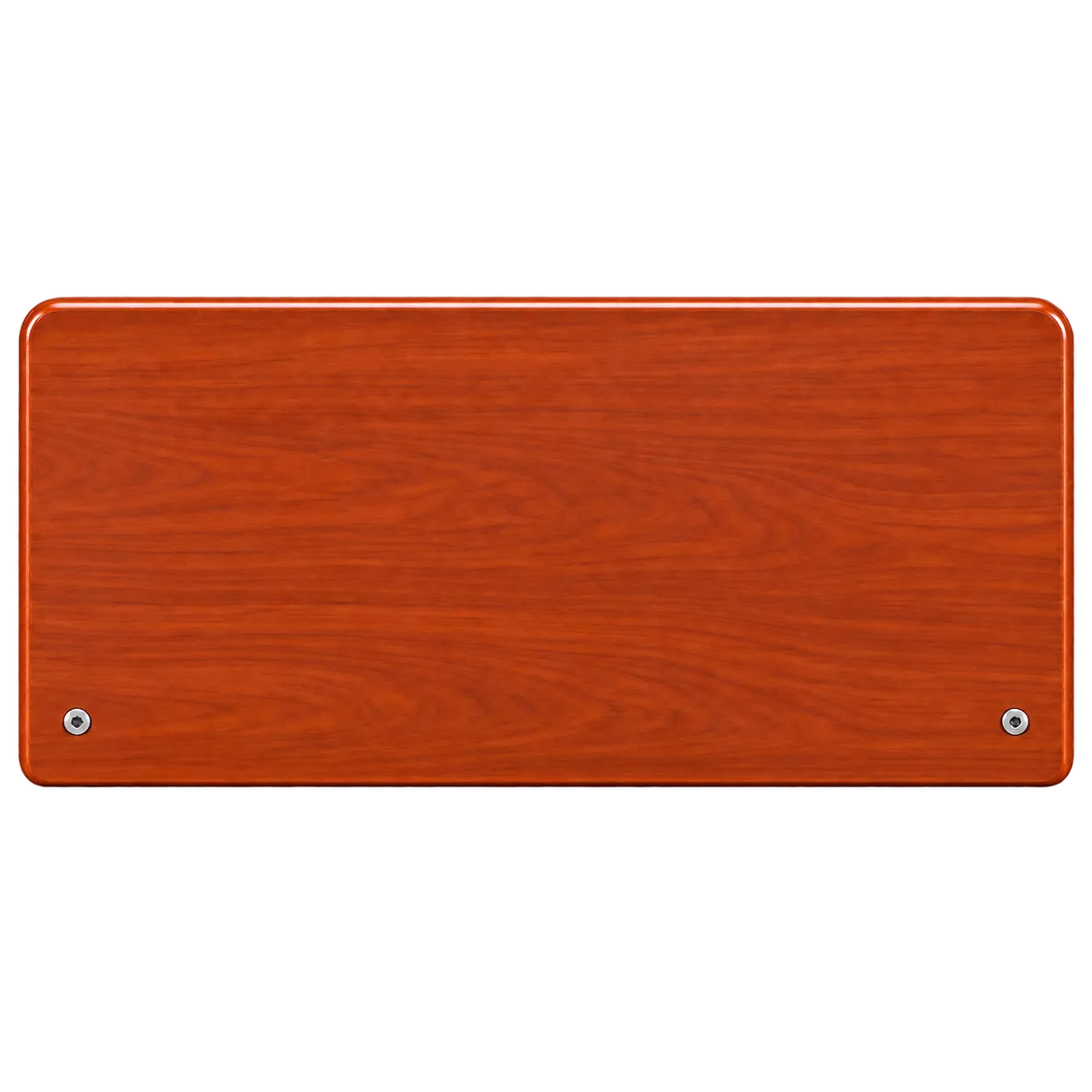
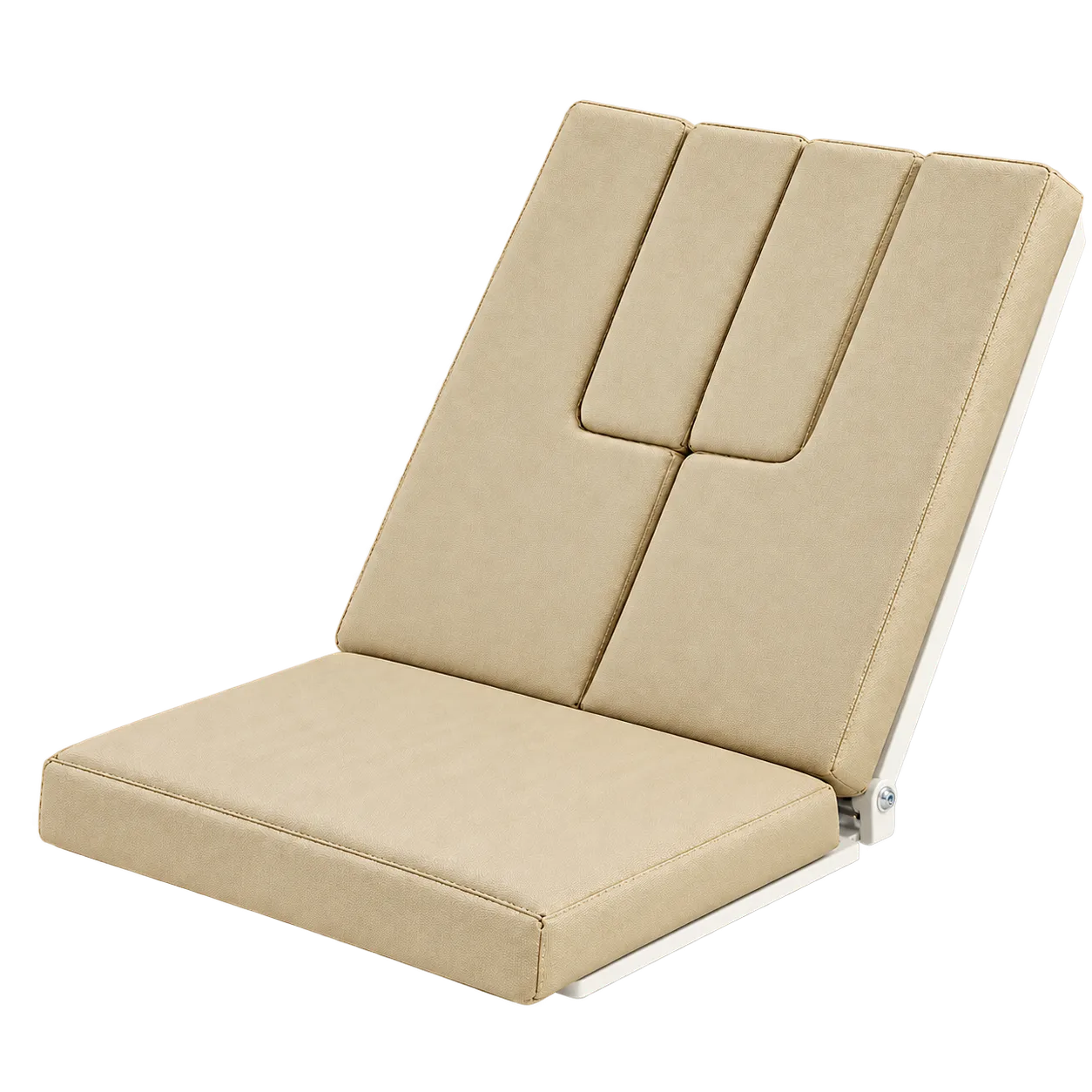
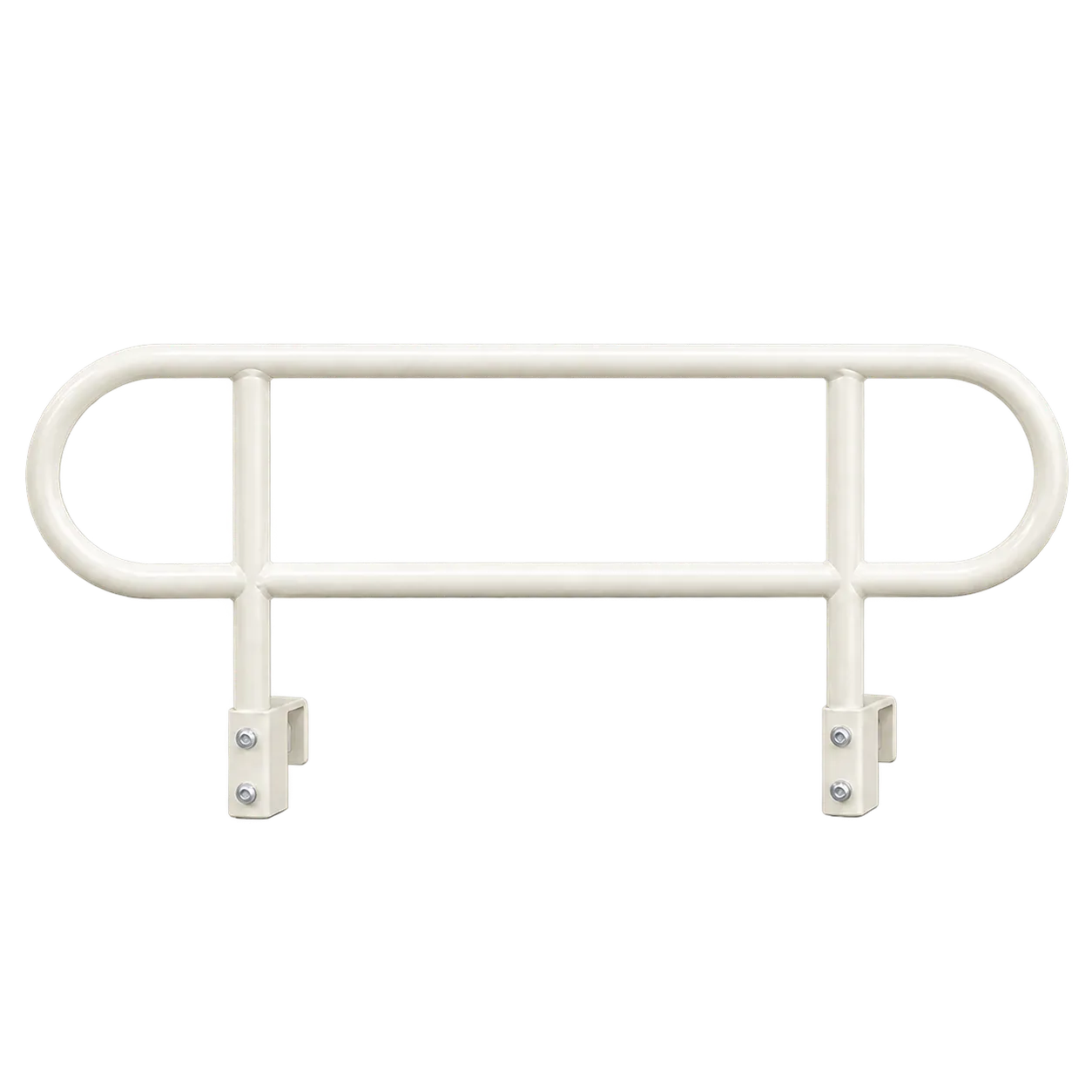
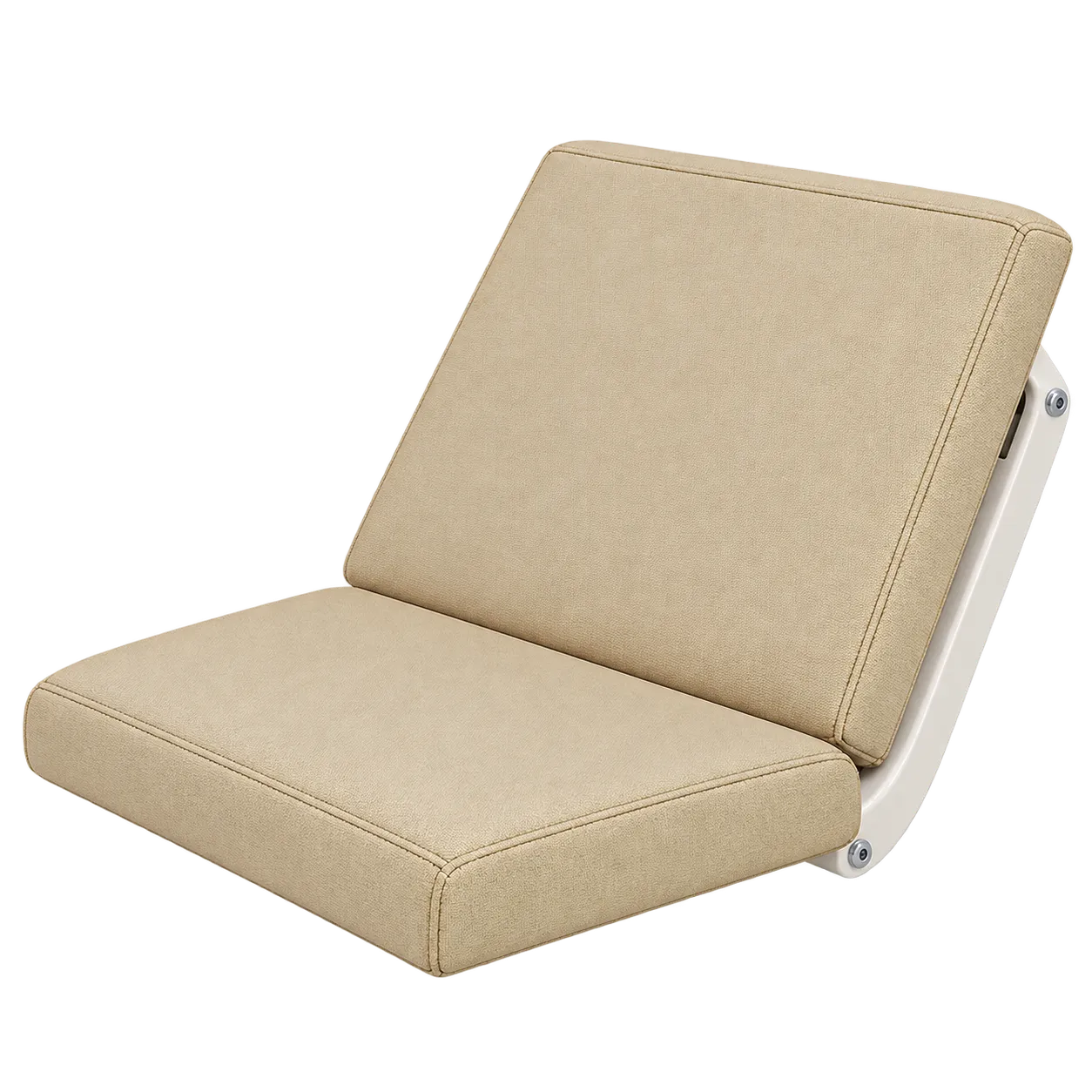
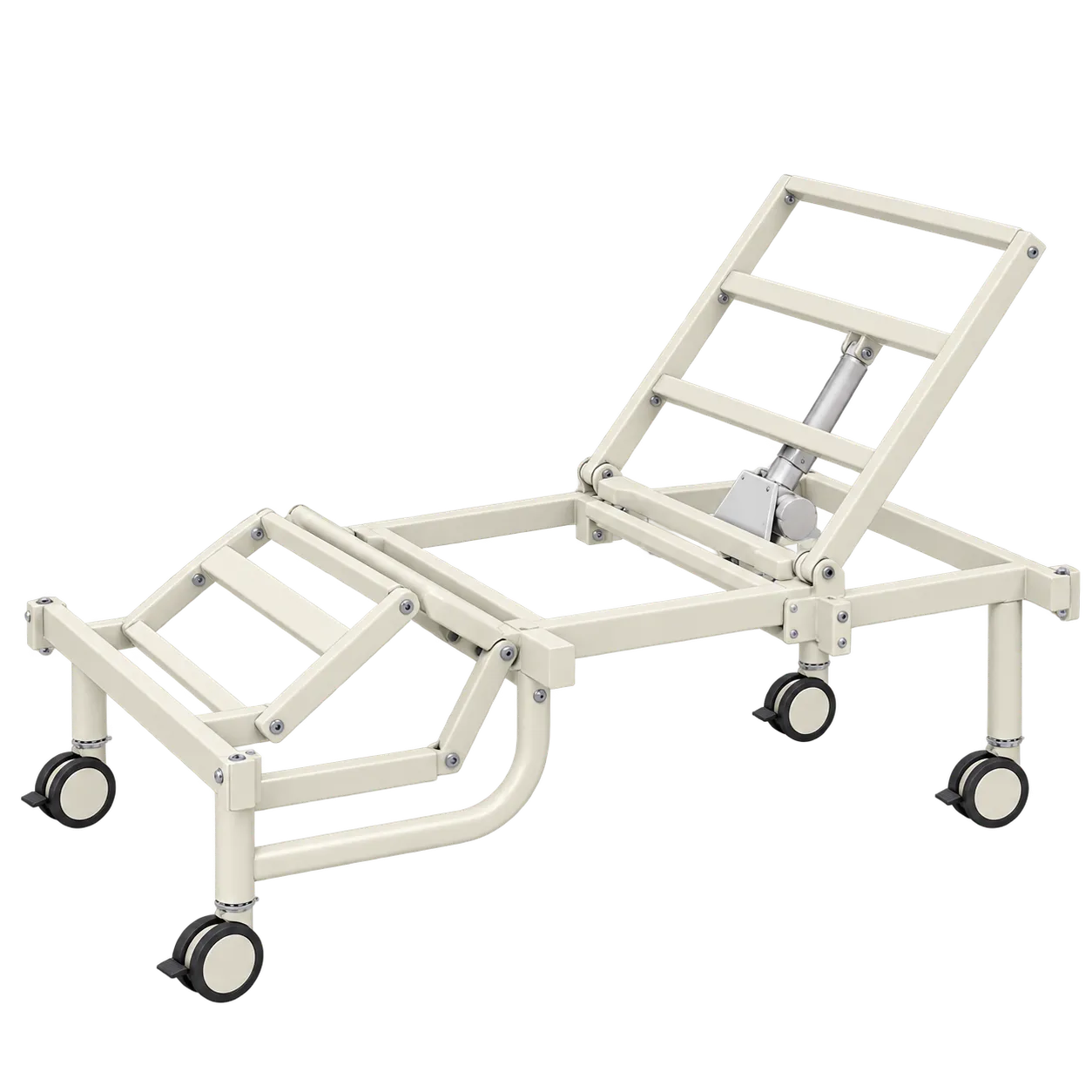
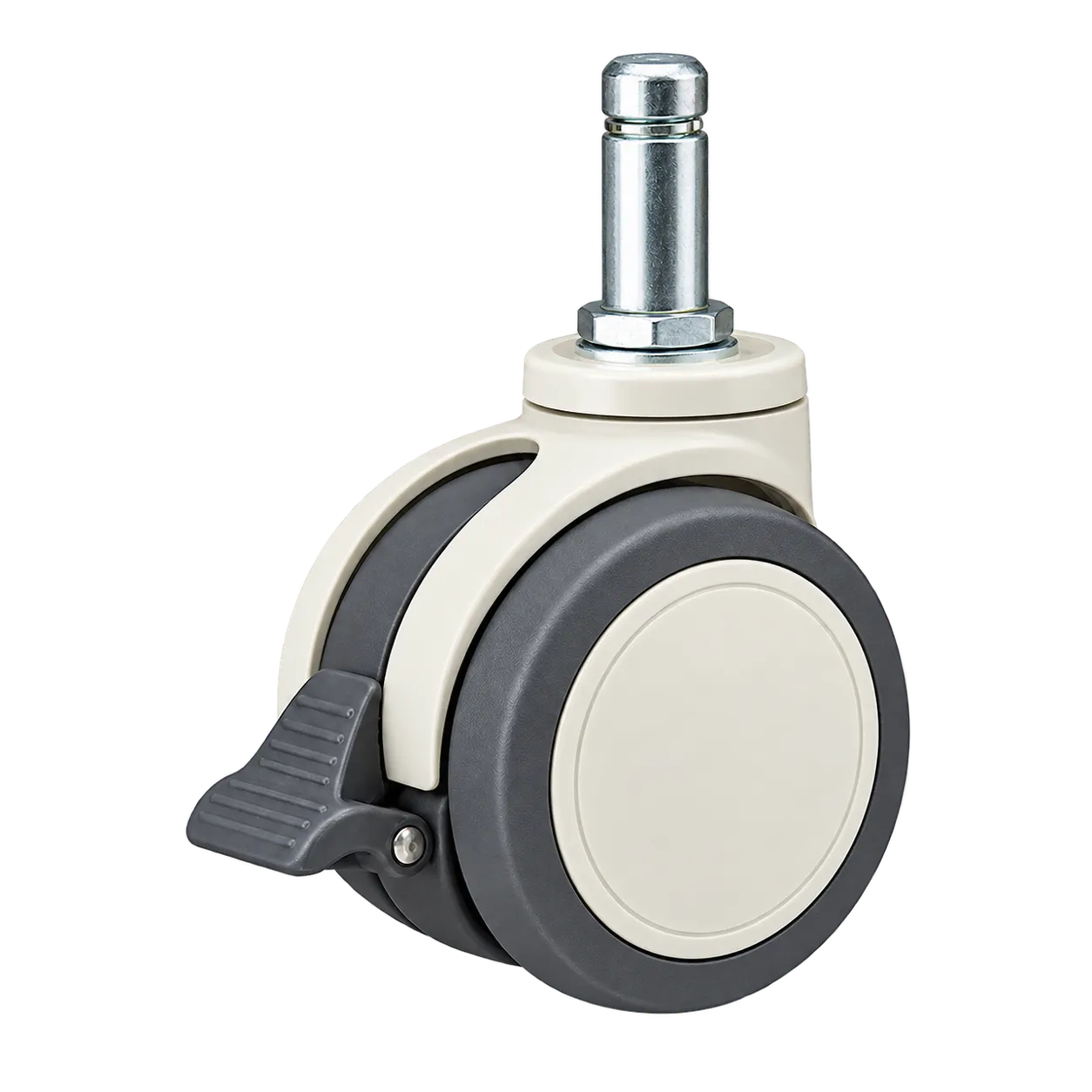
The WRA IV L suits people who are bedbound and need turning several times a day: frail older adults at home, nursing home residents, people with advanced neurological conditions or spinal injury, and patients at the end of life. Its core value is safety and risk transfer. Powered turning moves the physical work of rolling a patient away from carers and onto a motor and a deck.
That transfer is real. Rolling a dependent adult by hand loads the carer's back and shoulders, and the Manual Handling Operations Regulations 1992 expect such tasks to be avoided or reduced where reasonably practicable. A deck that tilts at the push of a button supports washing, bed changes, continence care, and the repositioning NICE sets for pressure care, at least every 6 hours for adults at risk and every 4 hours at high risk.
The risk moves with it, toward the rails. Once the deck tilts, the patient's weight rests against the low-side rail, and NatPSA/2023/010/MHRA lists lateral turning devices among equipment involved in deaths from entrapment and falls. The full-length latching rails on this frame are the main control, so local procedure should require the low-side rail to be raised and latched, a carer present, and a rail assessment that includes the tilted position. The fixed 500 mm height leaves carers working at one level, and the bedpan named in the title needs checking against the configuration.
Buyers using NHS procurement routes, community equipment services or public tenders abroad will be asked for a device class and a declaration of conformity. The conformity documentation those procurement routes require is issued by the manufacturer and shared by the enquiry team.