

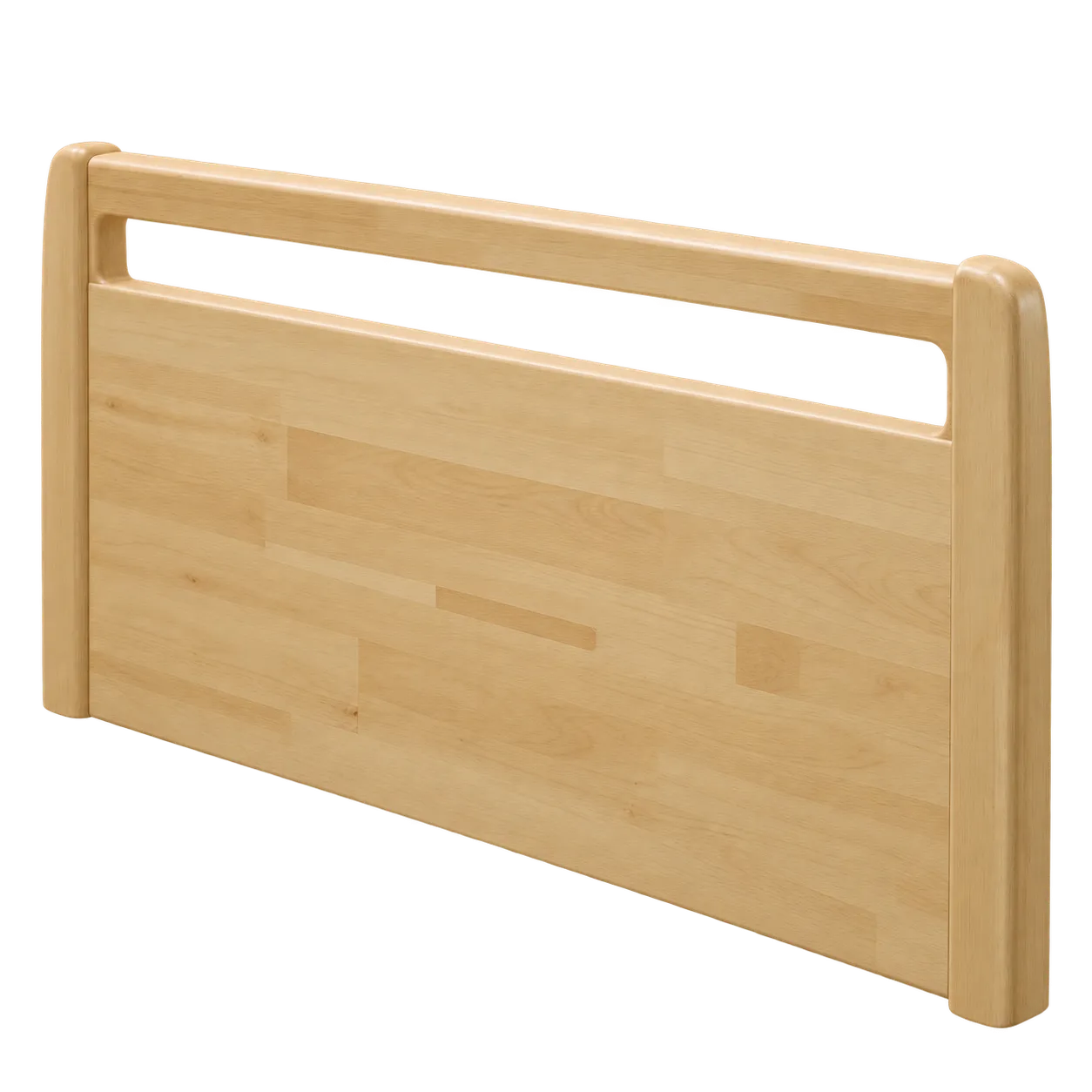
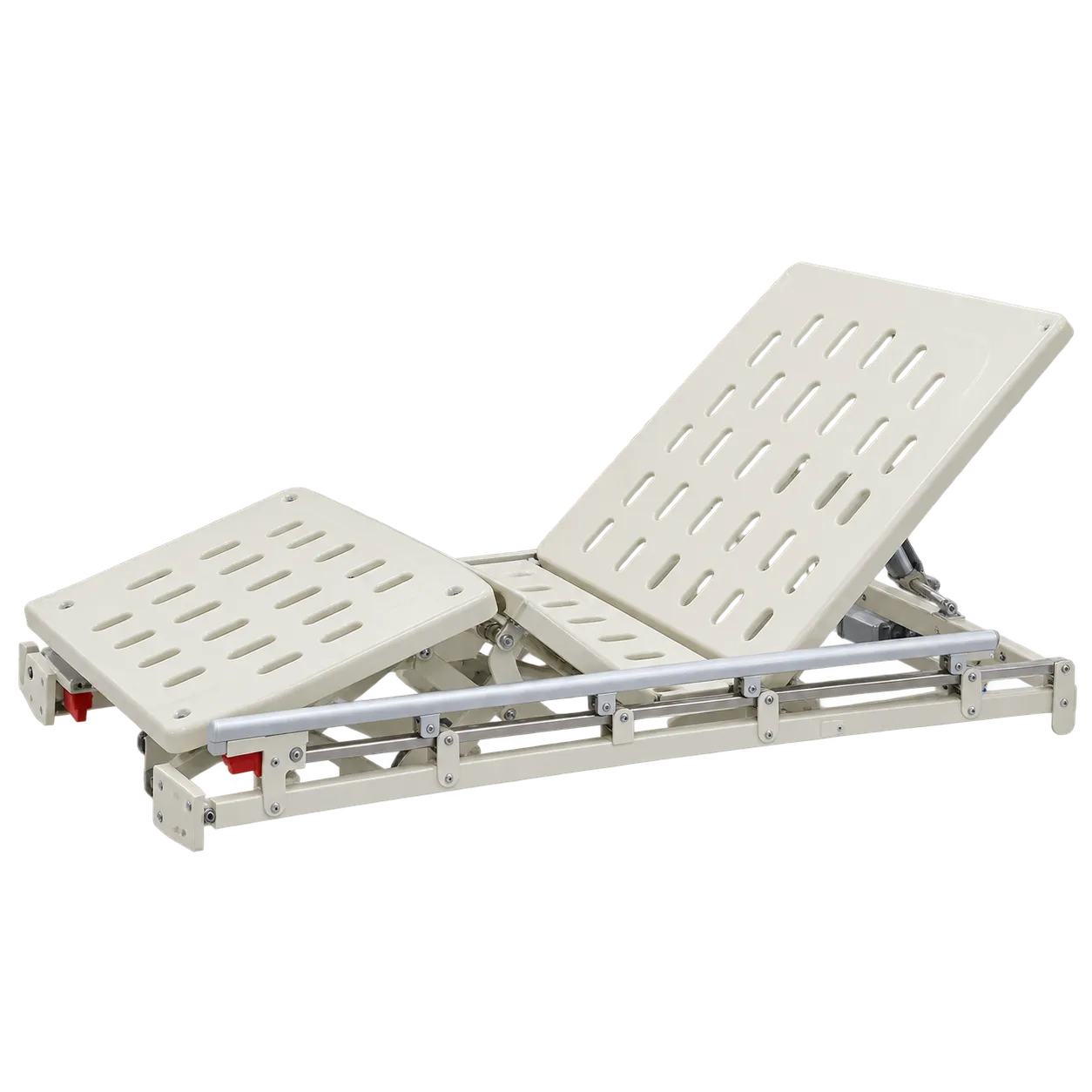
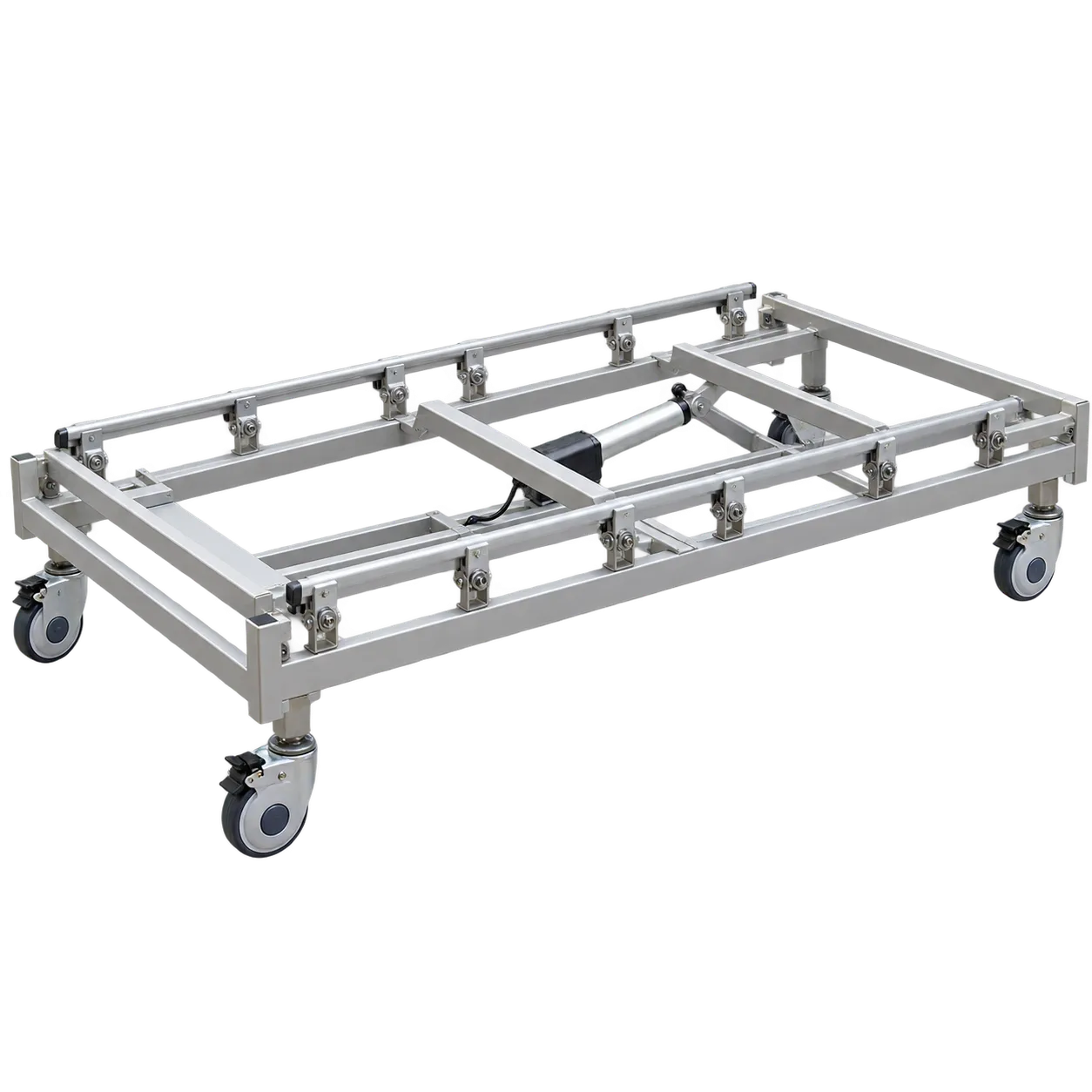
The WRA IV I suits people who can use a handset and want to change position on their own, in home care, supported living, residential homes and hospices, especially where carers are few at night. Its case is labour economics. Moving the most frequent small requests from the carer to the patient saves time, and the fixed height brings a cost the buyer should weigh against it.
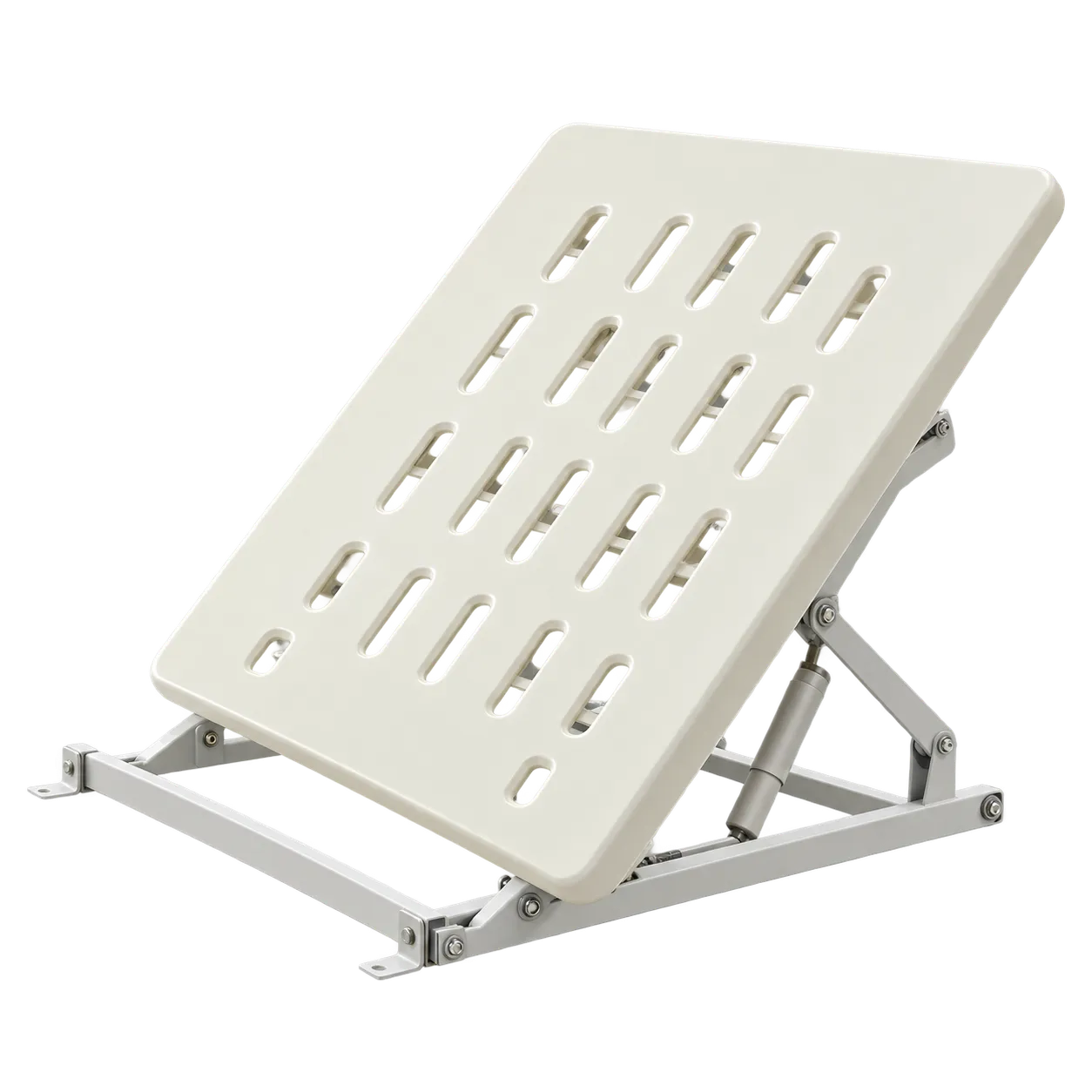
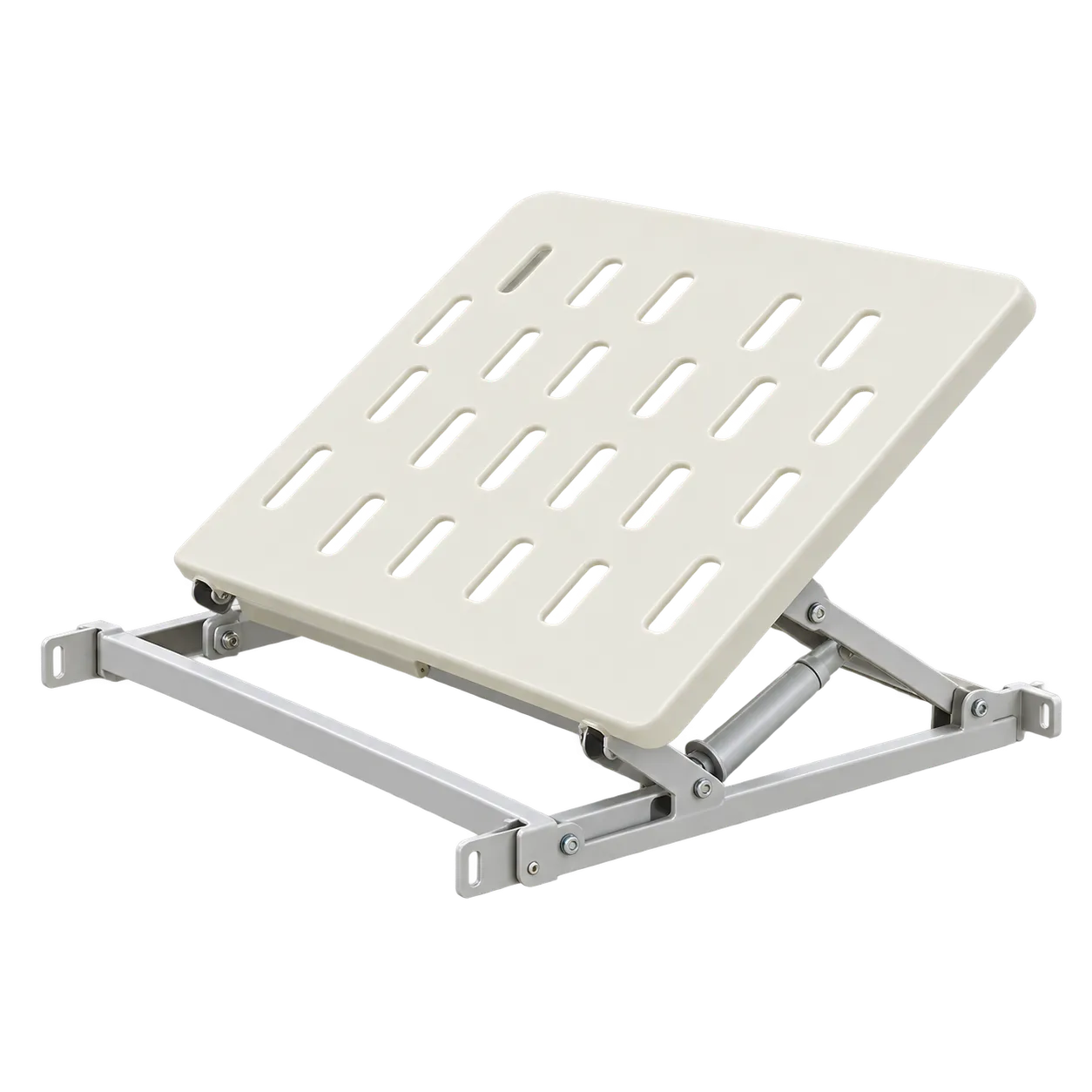
The saving lies in frequency. Sitting up to drink, reclining to sleep and bending the knees for comfort can each happen several times a night. On a bed the patient cannot adjust, each one means a call, a walk and a wait. A powered backrest and knee rest under the patient's control remove those calls, which matters most when one carer covers many people overnight, or a family member is the only help at home. HSE guidance under the Manual Handling Operations Regulations 1992 states that electric beds should be considered where people are handled in bed, because they reduce risk.
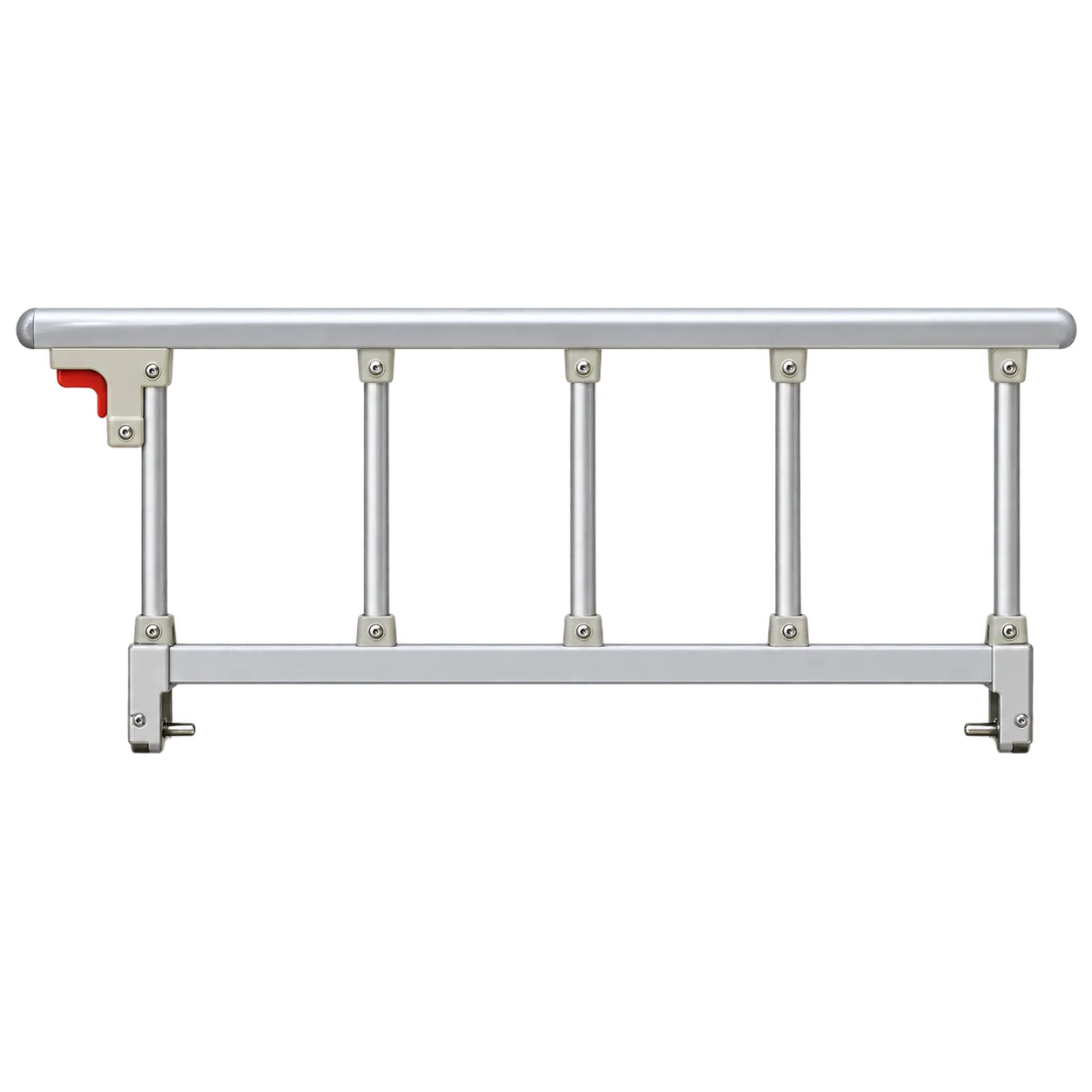
The cost lies in height. The platform stays at 500 mm, so washing, dressing and wound care are done at a stoop, and each long task takes extra effort. Patients at high risk of falls get no low position. Self-adjustment also needs judgement for confused people, since moving the backrest near the rails can trap a limb, and MHRA bed-rail guidance includes this in the entrapment assessment. The handset can be locked out where needed.
Home care commissioners, NHS procurement routes and public purchasers abroad will ask for the device class and a declaration of conformity. The manufacturer issues the conformity documentation those procurement routes require, and the enquiry team shares it.