
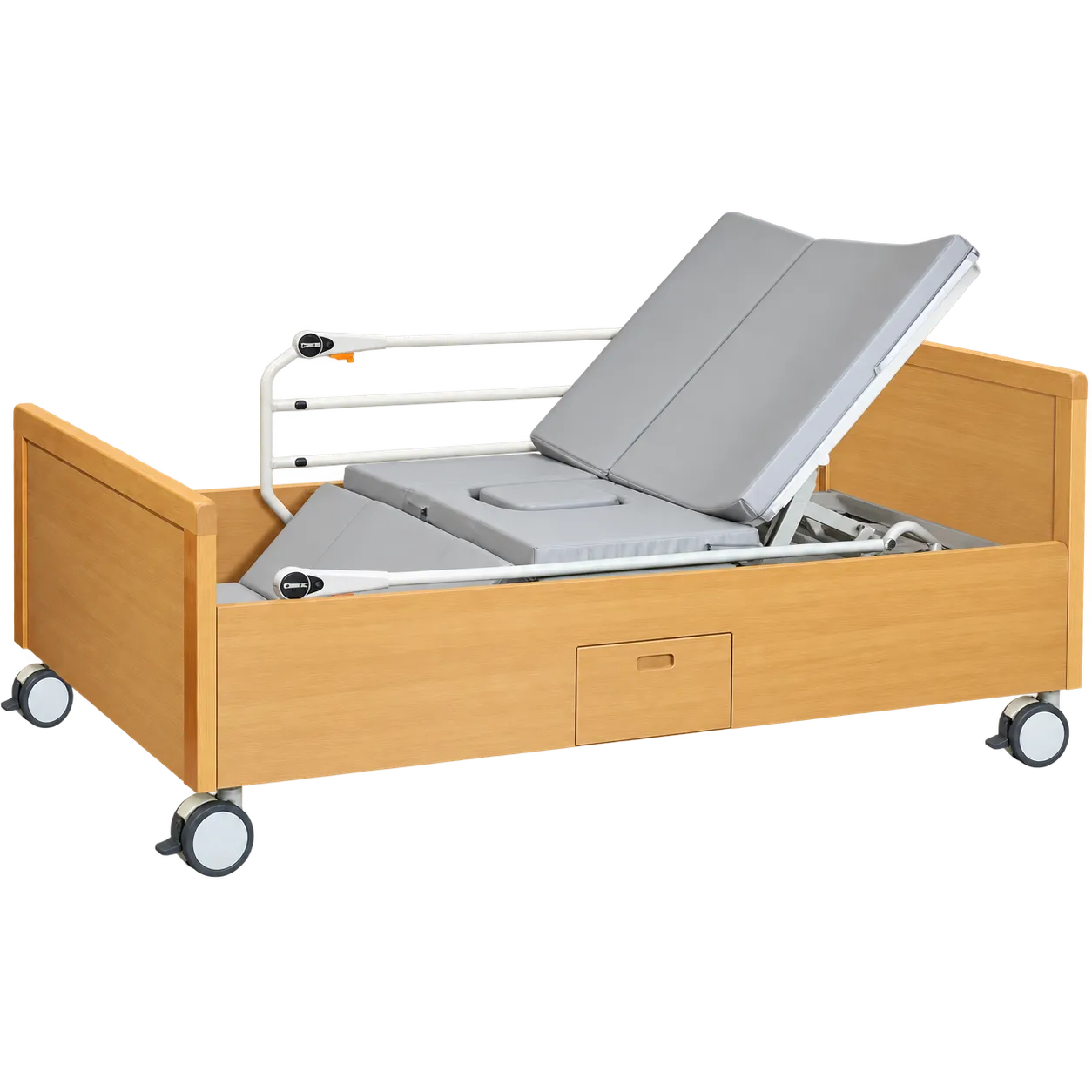
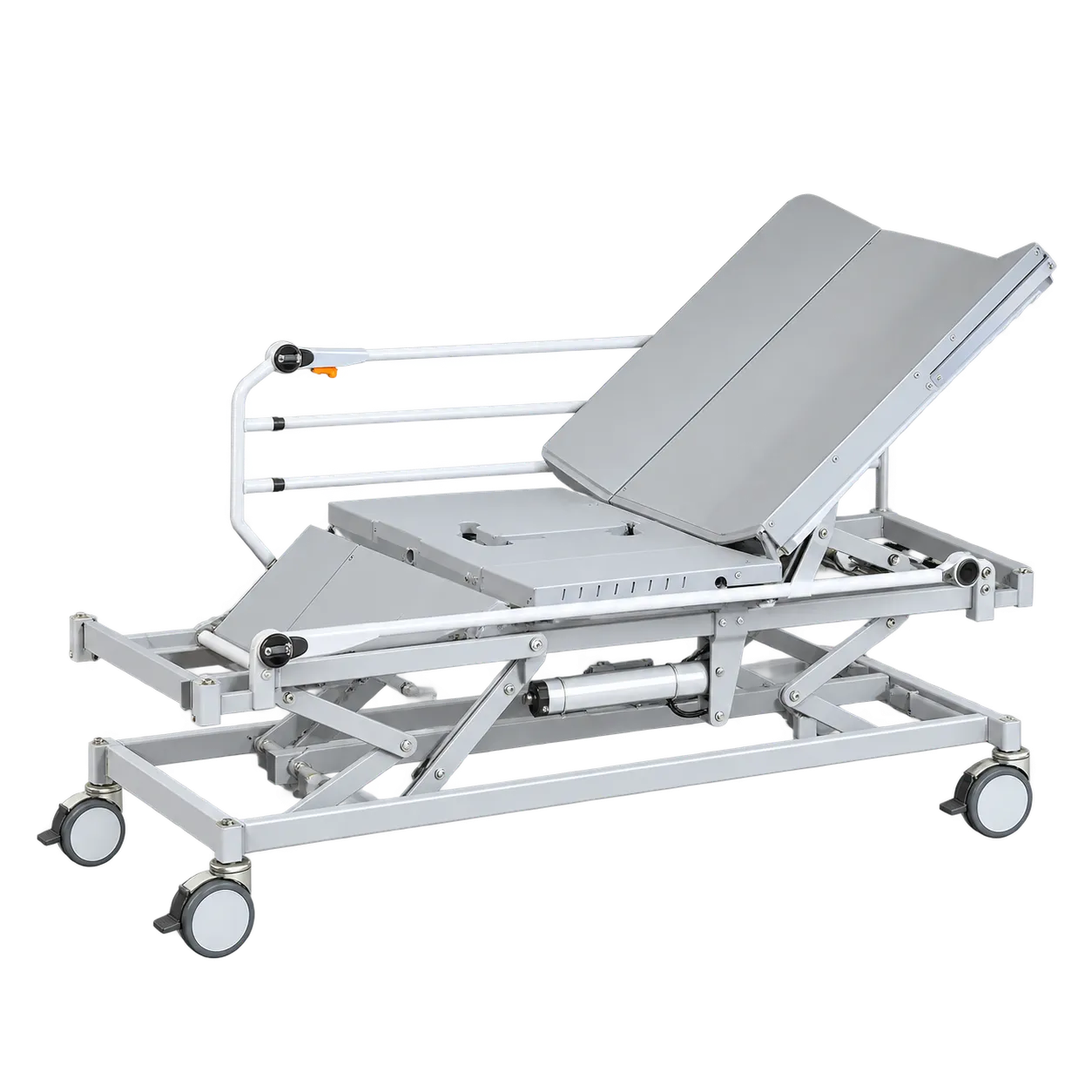
The WRA IV H suits people who are bedbound or nearly so and cannot easily be moved to a toilet or commode. That includes advanced neurological conditions, severe frailty, end-of-life care at home or in residential care, and anyone for whom each transfer is painful or risky. Its case is patient experience and dignity. Toileting in place and powered turning take two of the most intimate and handling-heavy tasks of the day and change how they are done.
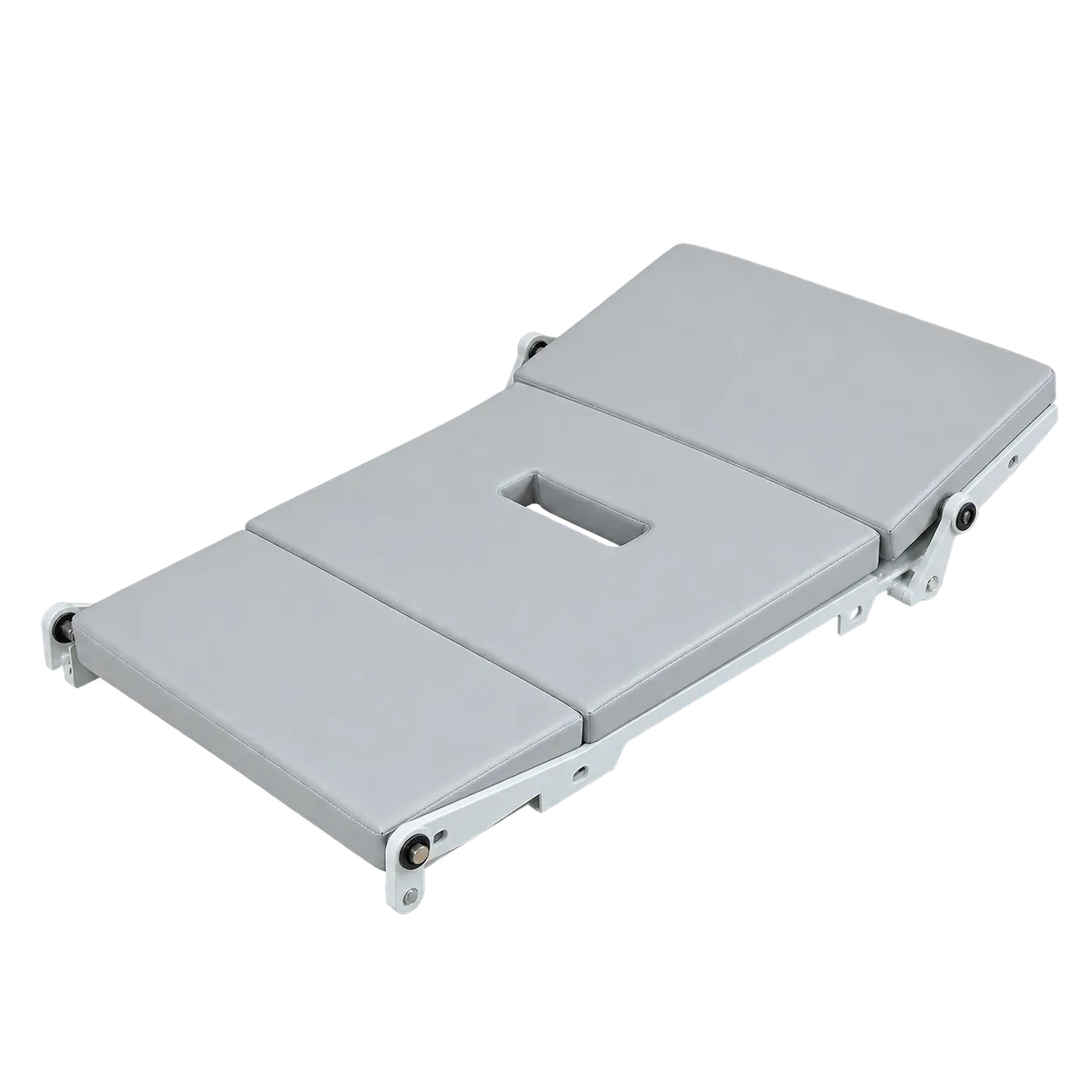
Toileting is where dignity is most often lost in bed-based care. Lifting onto a bedpan or hoisting to a commode involves exposure, several hands, and time. On this bed, an aperture opens beneath the patient at the handset, so you can reach the bedpan without lifting. The Health and Social Care Act 2008 (Regulated Activities) Regulations 2014 make dignity and respect a fundamental standard of care in England, and equipment that reduces exposure supports that duty.
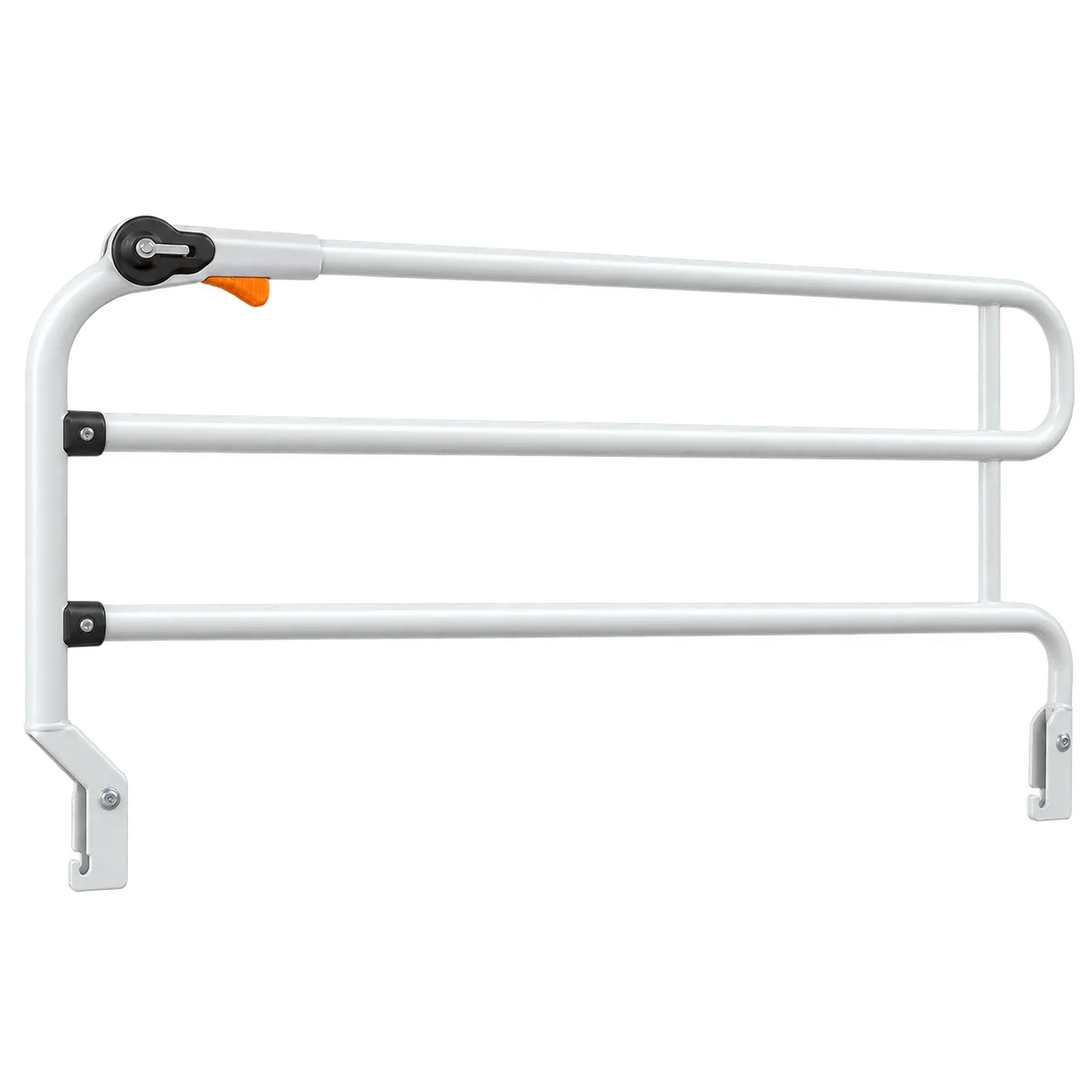
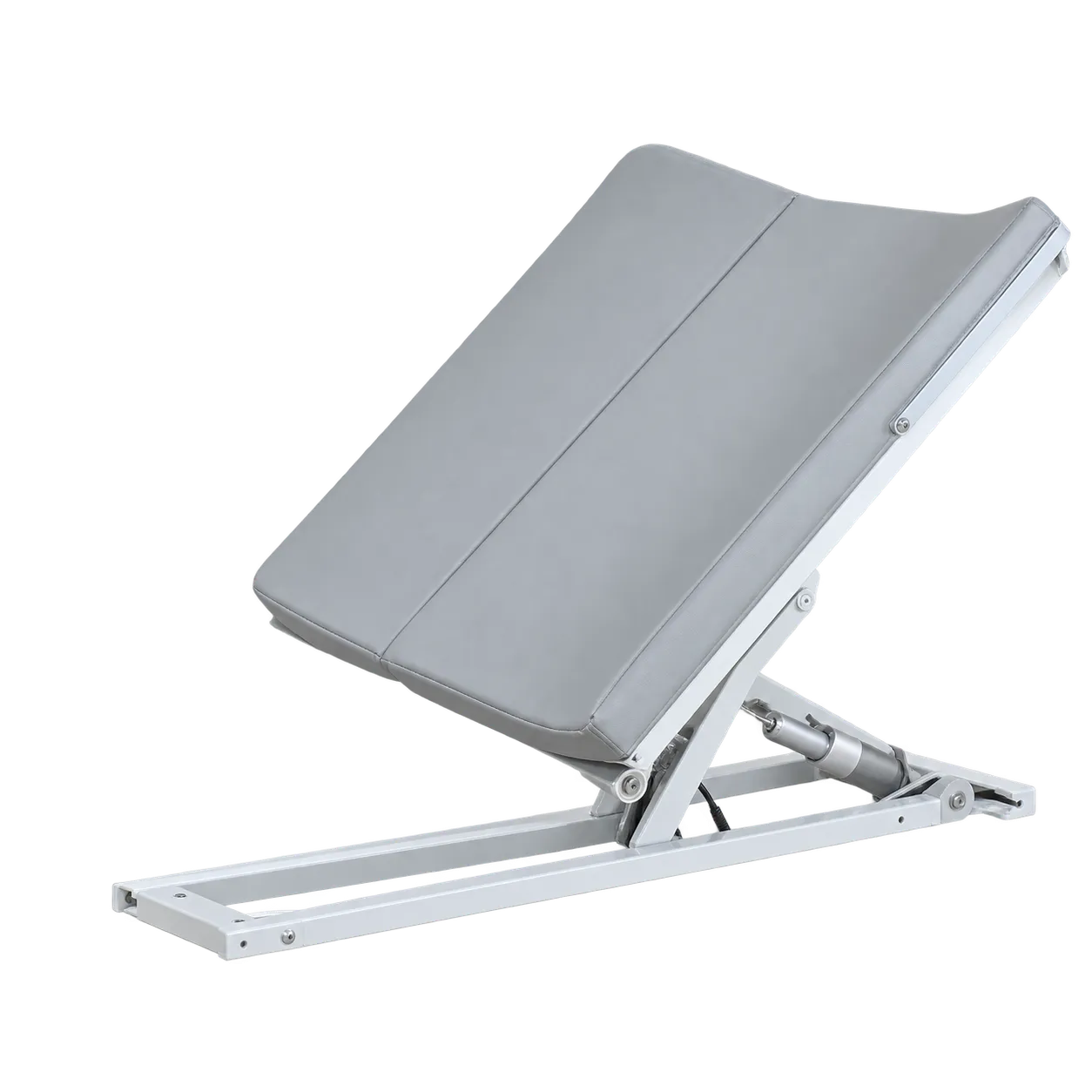
Turning brings both help and risk. Tilting the deck to one side supports washing, bed changes and skin checks with less manual rolling. It also helps carers follow NICE guidance to reposition adults at risk of pressure ulcers at least every 6 hours, or every 4 hours for high-risk patients. However, the 2023 National Patient Safety Alert named lateral turning devices among equipment linked to deaths from entrapment and falls. Carers must raise and assess low rails, and stay present during turning. Limit time over the open aperture, and the fixed 485 mm height keeps carers working at one level.
NHS procurement routes, community equipment services and public purchasers elsewhere require a device class and a declaration of conformity. The manufacturer issues the conformity documentation those procurement routes require, and the enquiry team shares it.