
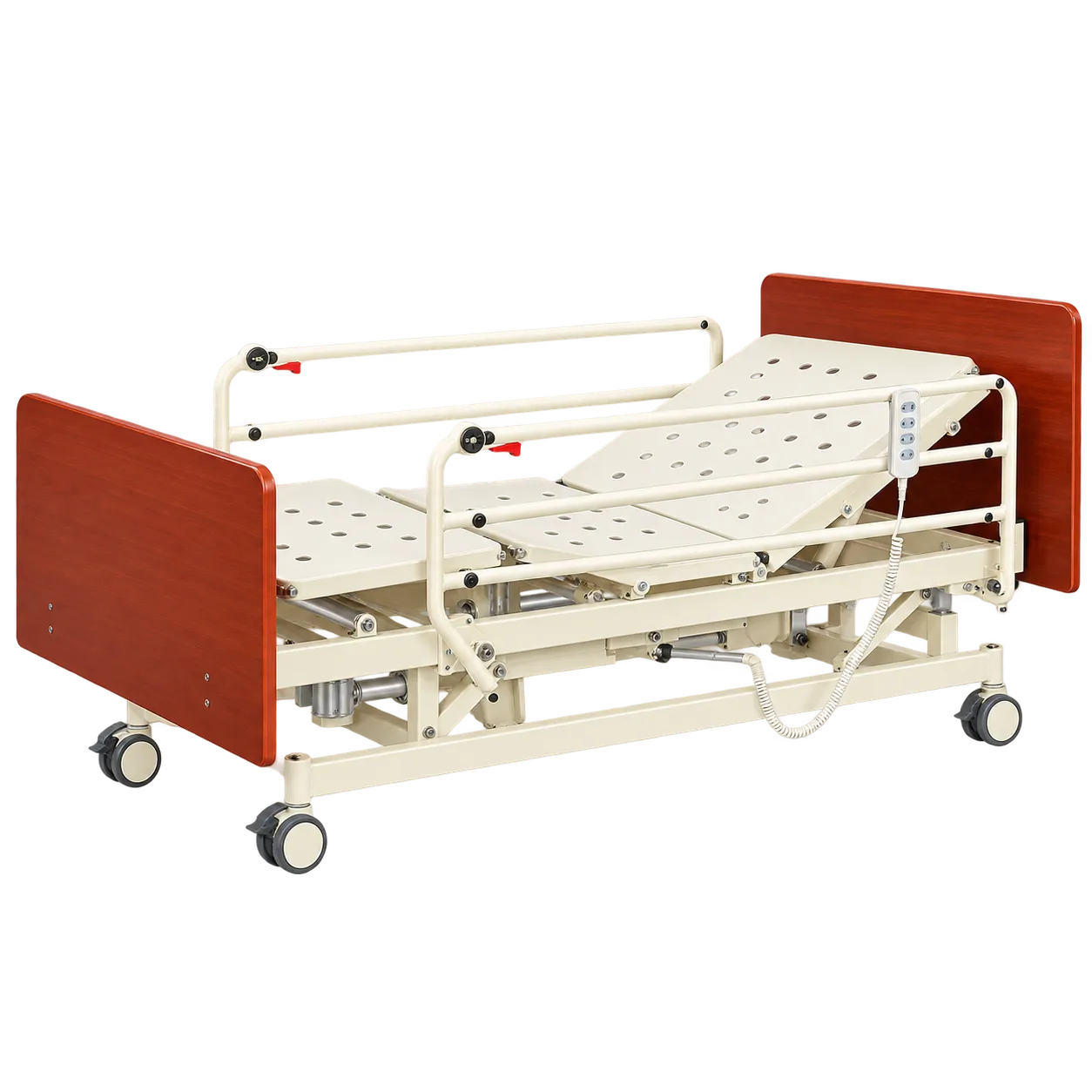
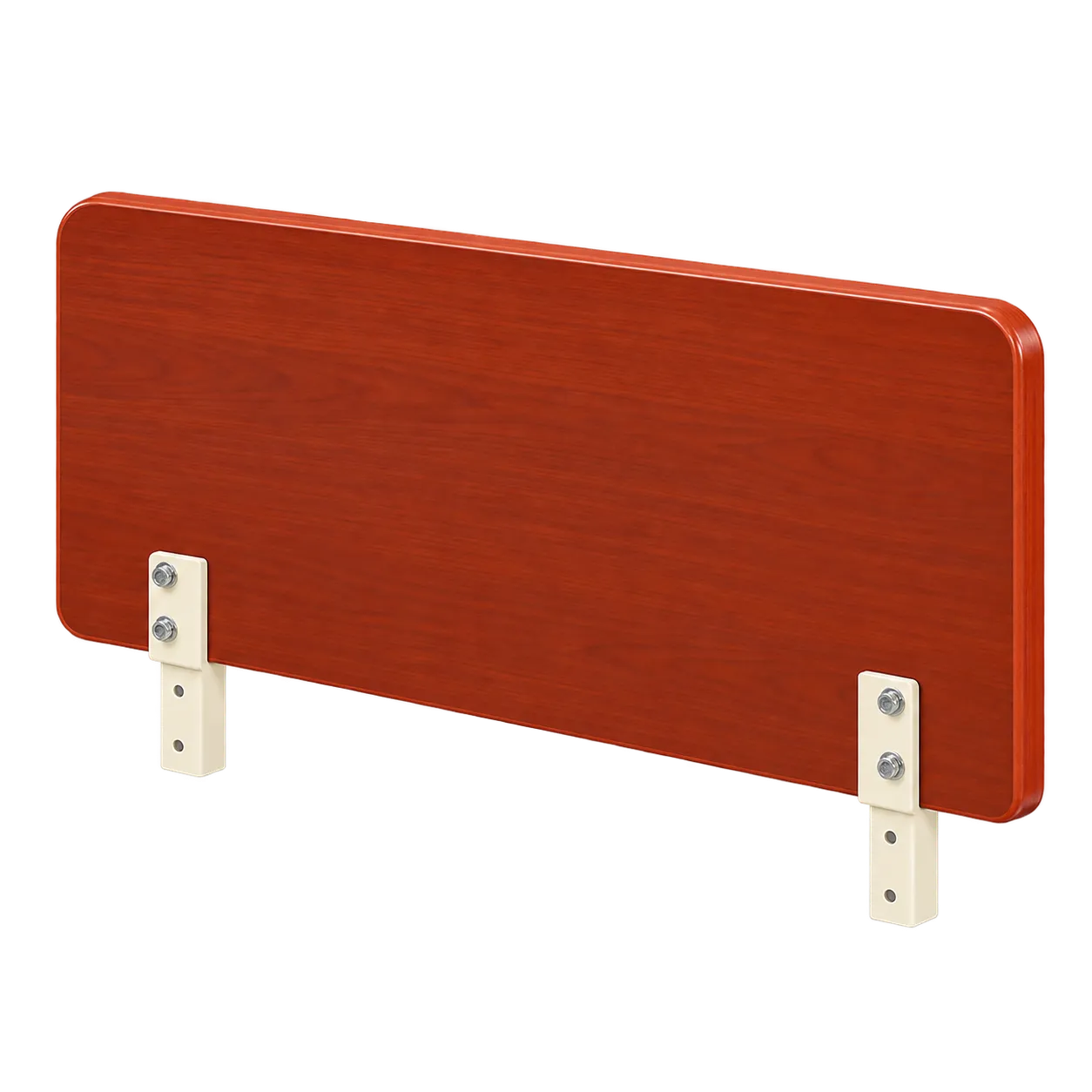
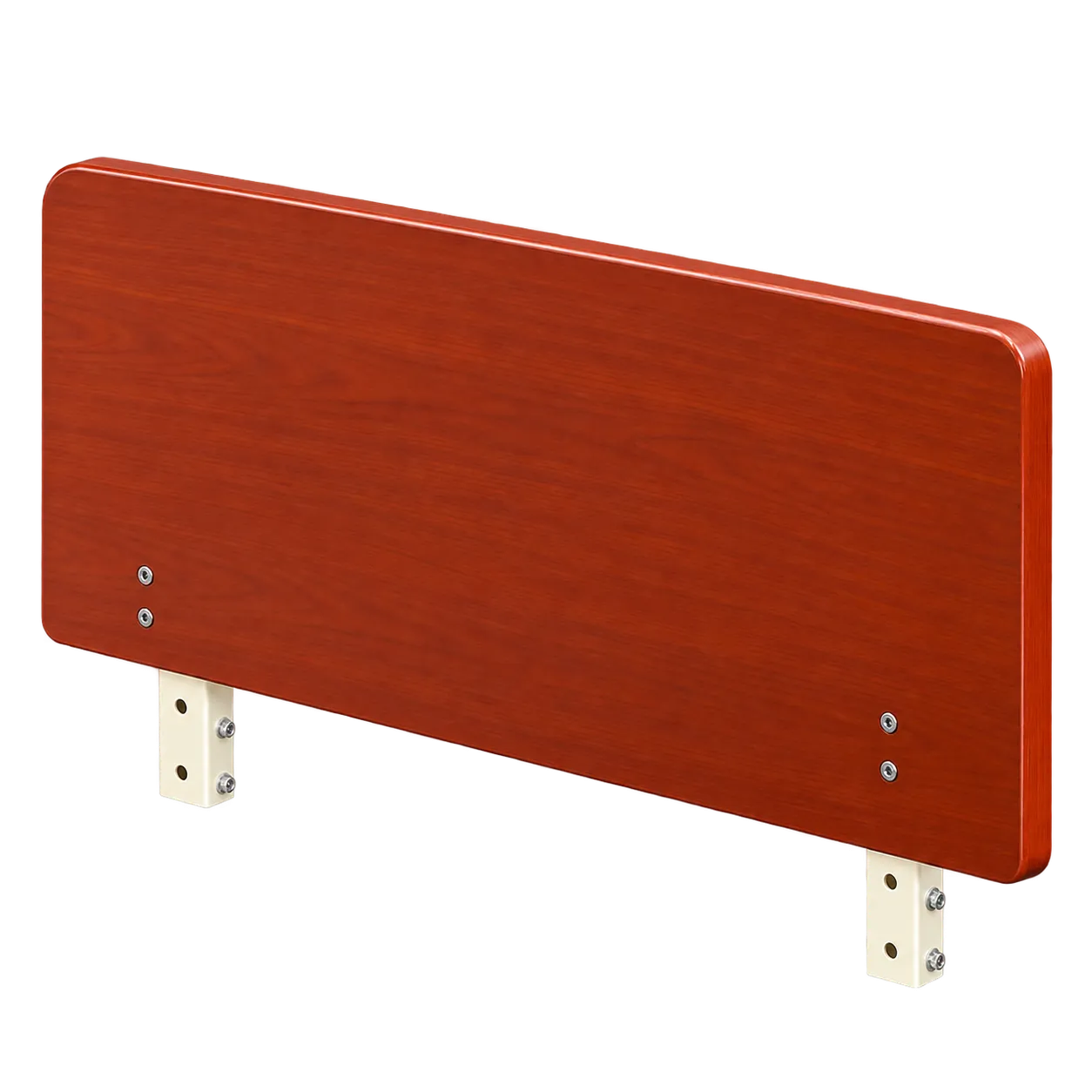
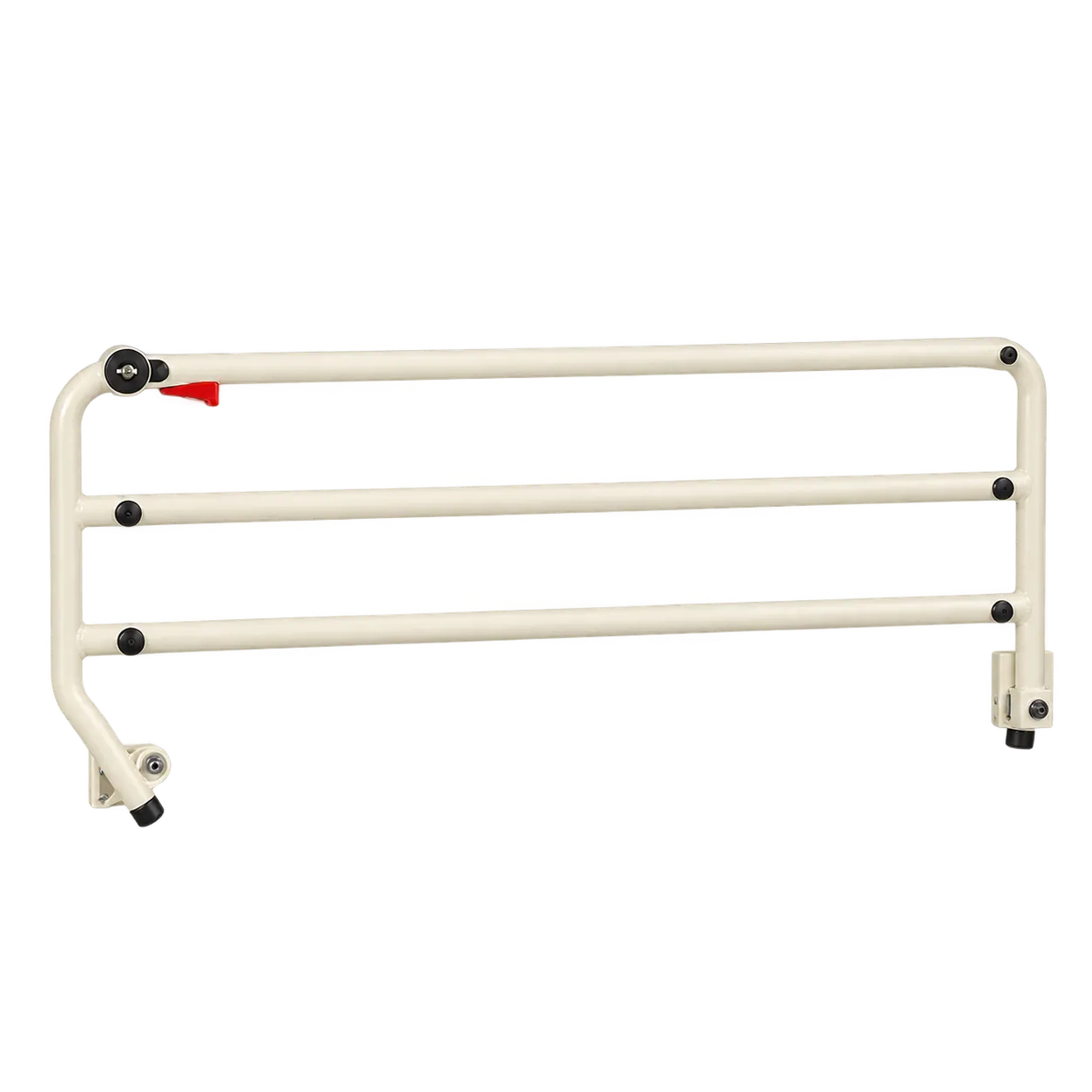

The WRA IV G suits adults who need generous lying width. Larger people within the bed's load rating, people with restless or involuntary movement, and patients who are turned and rolled often fit well at home, in residential and nursing homes, and in hospices. Its case is population fit. The bed serves a specific group well and is the wrong choice for others, and the page sets out both.
Width and load are separate questions. A wide platform gives a larger person room to lie and turn without meeting the rails, which helps comfort, skin and sleep. It does not change the frame's rated load. The 2023 National Patient Safety Alert on medical beds and bed rails named bariatric beds among the equipment linked to reported deaths and serious injuries, and required organisations to match equipment to each patient through documented assessment. For the WRA IV G, that means checking the patient's weight against the safe working load and maximum patient weight on the labelling before allocating the bed.
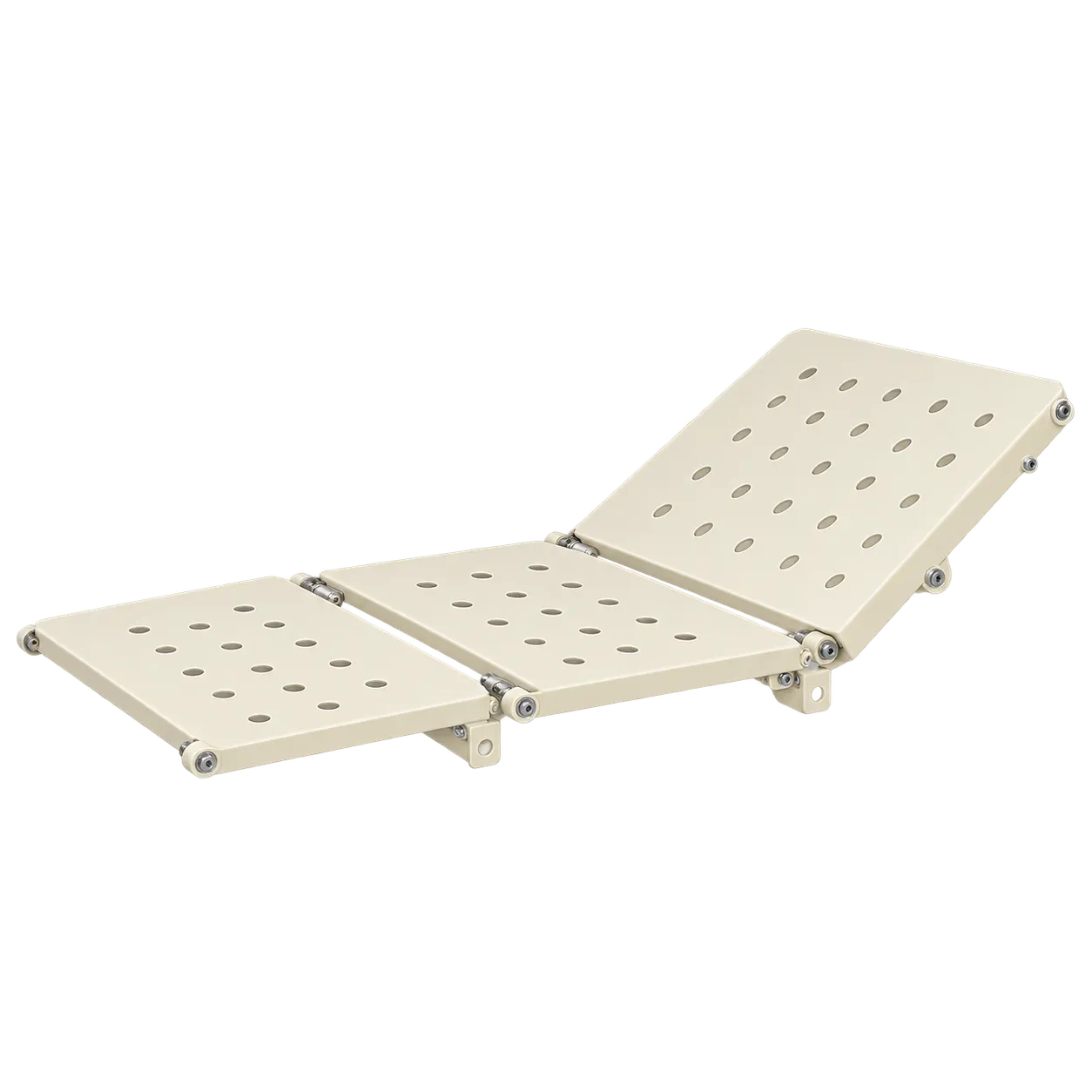
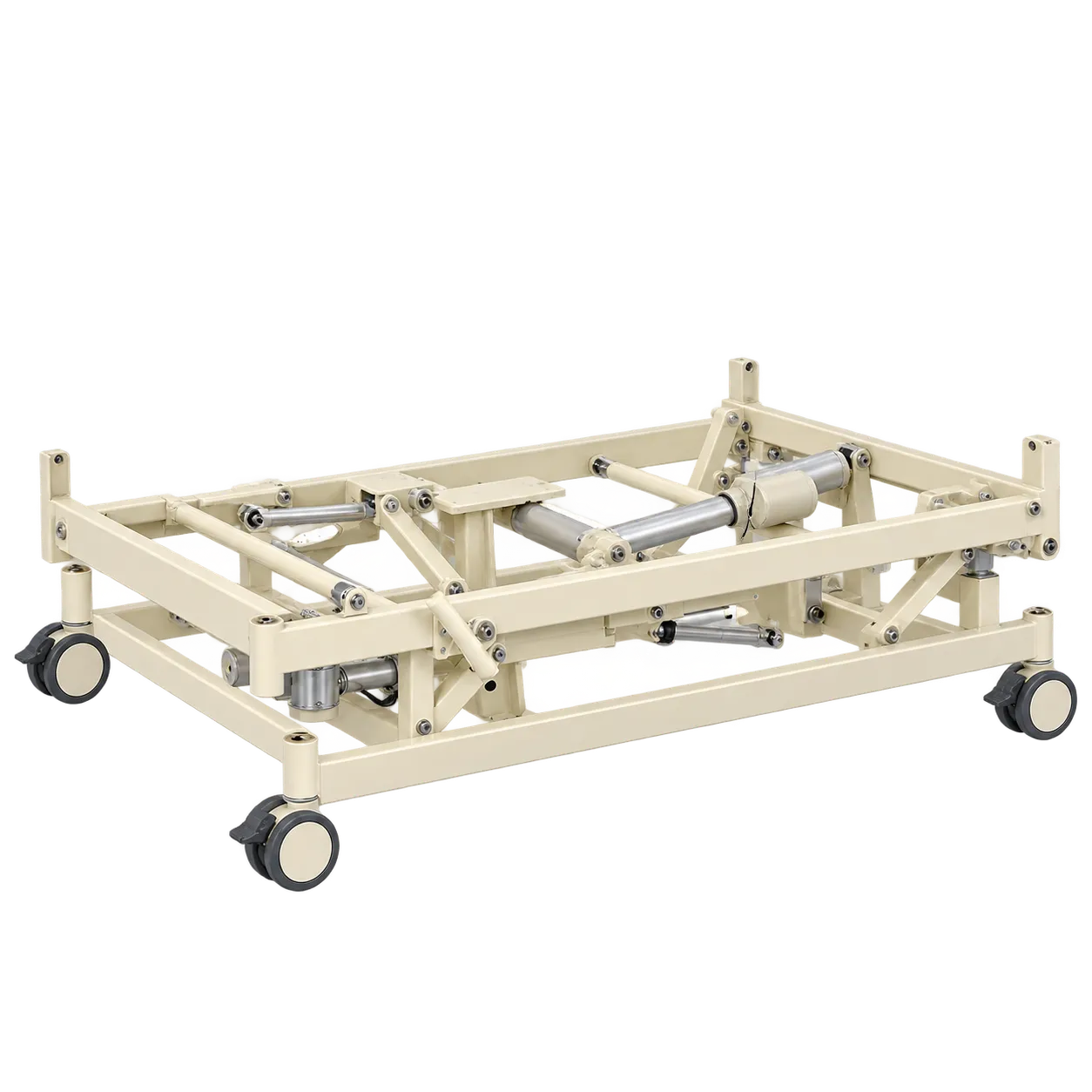
The width also changes the work around the bed. Carers reach further across a 1200 mm platform to wash or reposition a patient, so raising the bed toward 785 mm and planning two-carer techniques matter more. A wide mattress must fill the platform without gaps against the rails. The frame will not pass many domestic doorways assembled, and at 440 mm the lowest height is not a floor-line position for patients at high falls risk. The three powered functions cover sitting up, a knee break to hold position and a working height, with no tilt.
NHS procurement routes, community equipment services and public purchasers in other markets require a device class and a declaration of conformity. The manufacturer issues the conformity documentation those procurement routes require, and the enquiry team shares it.