

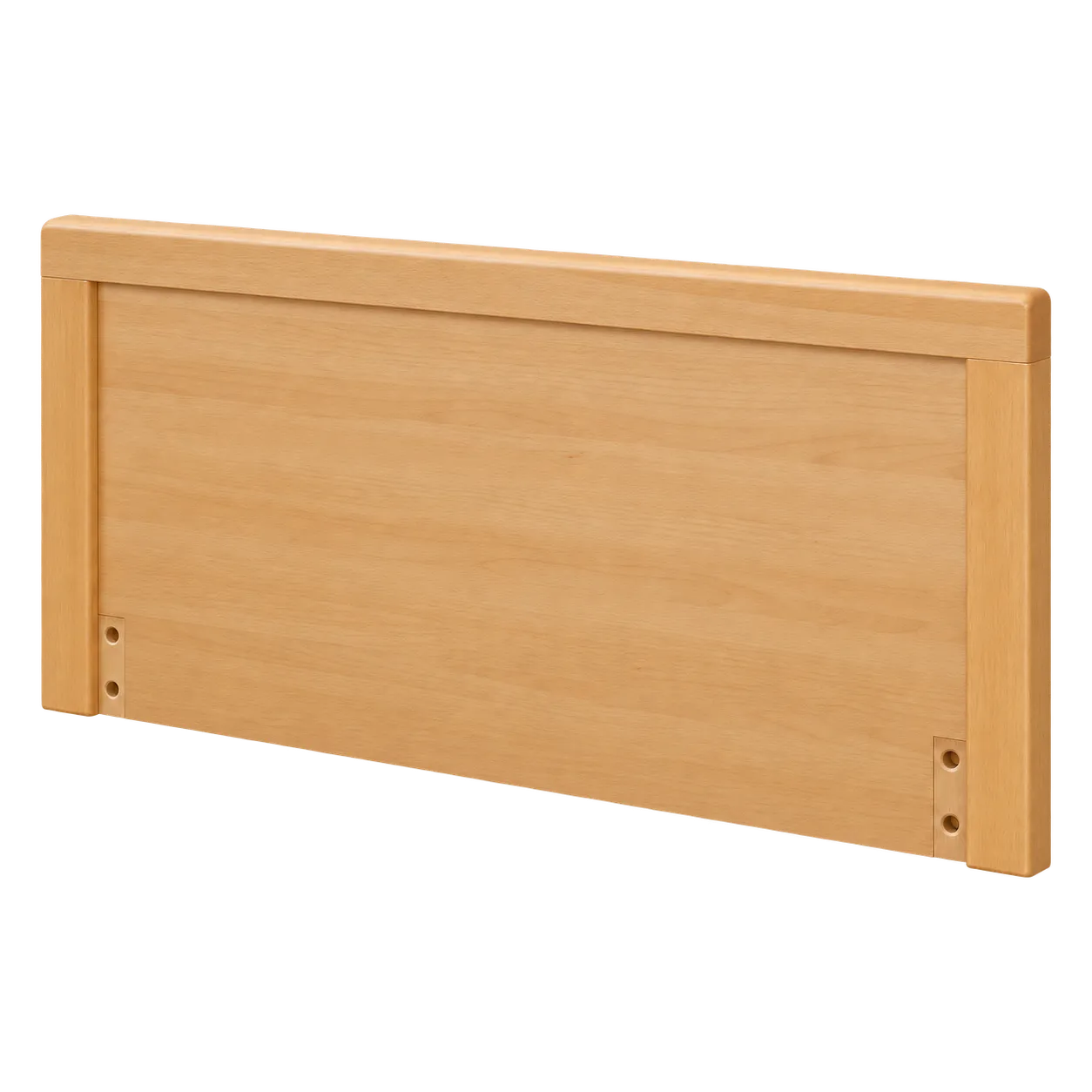
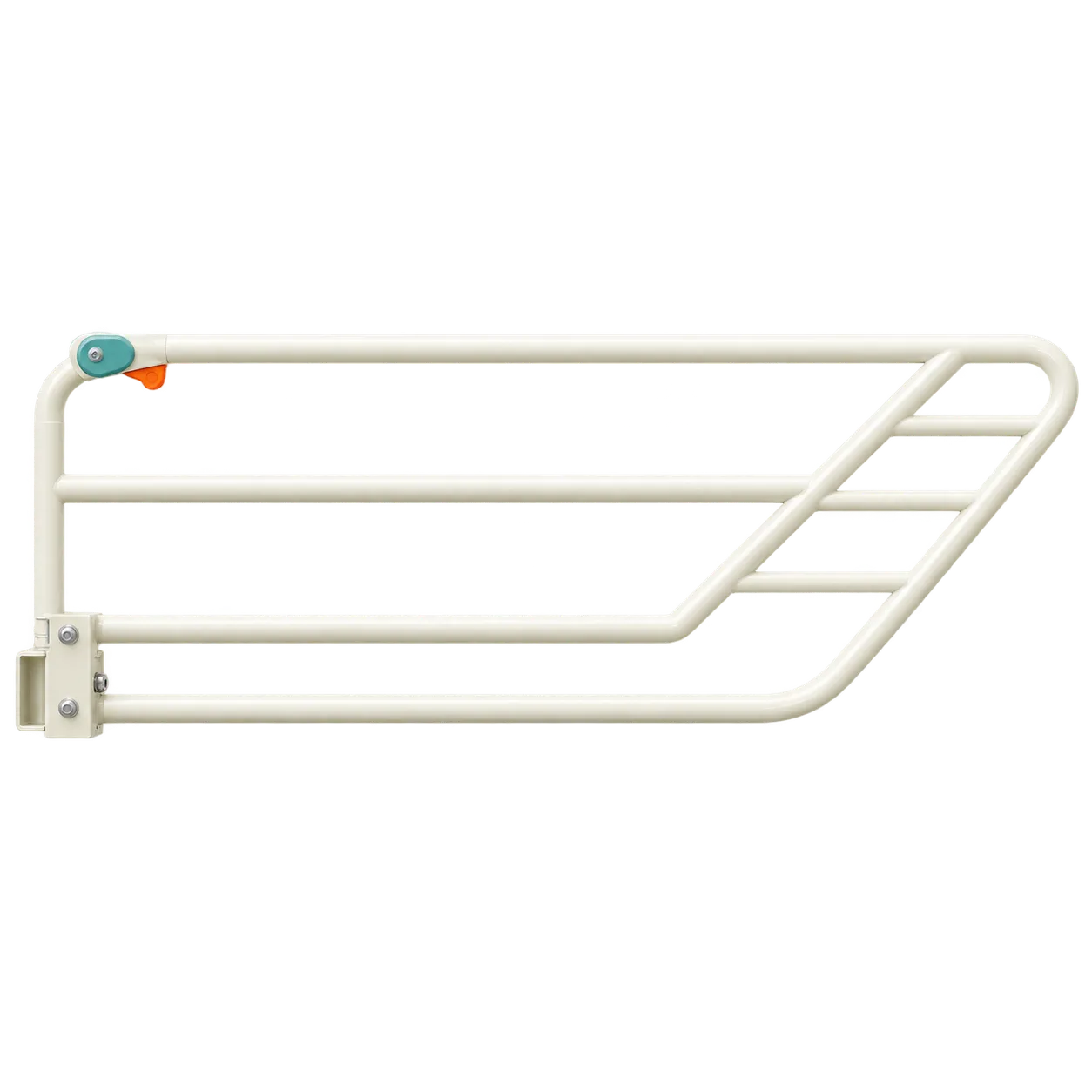
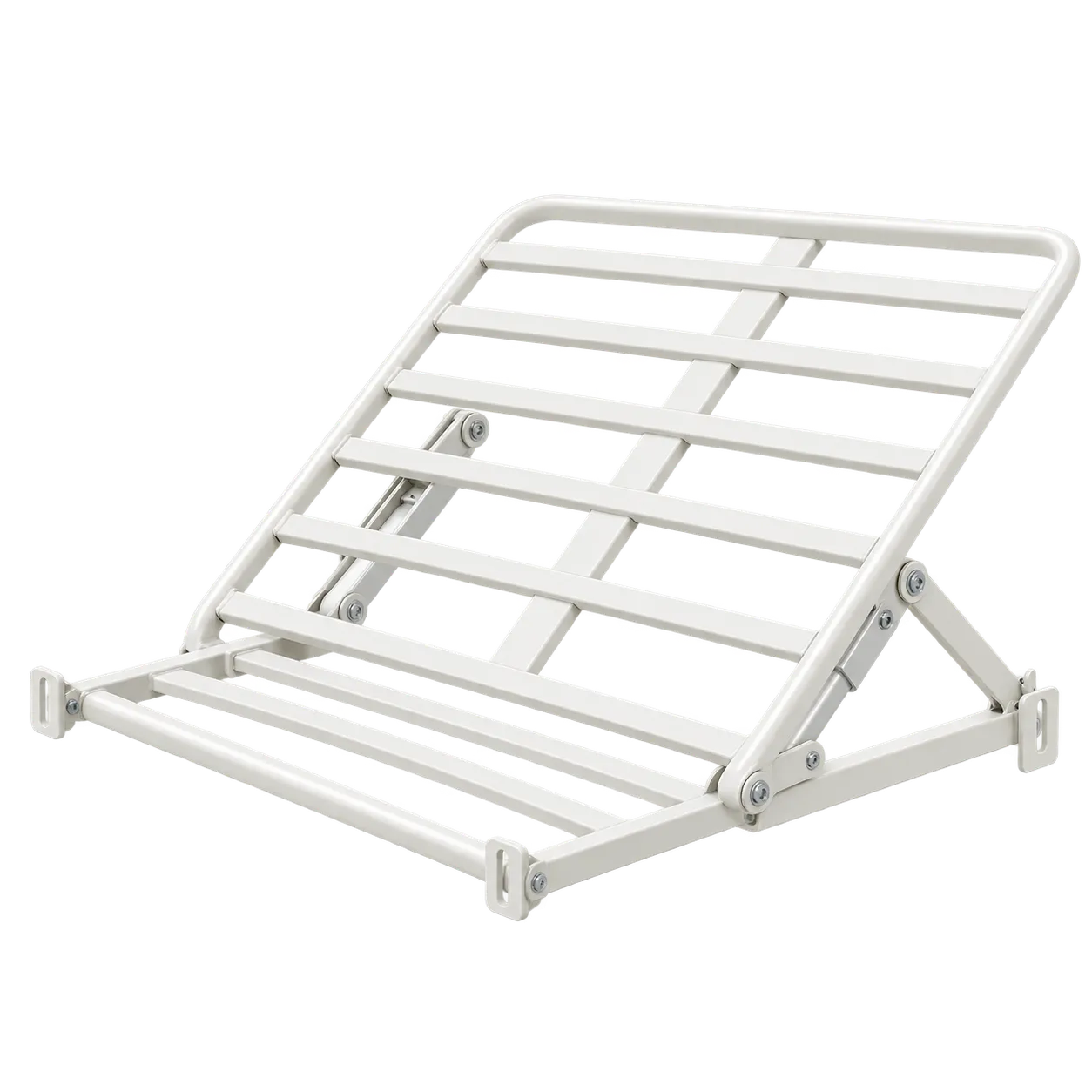
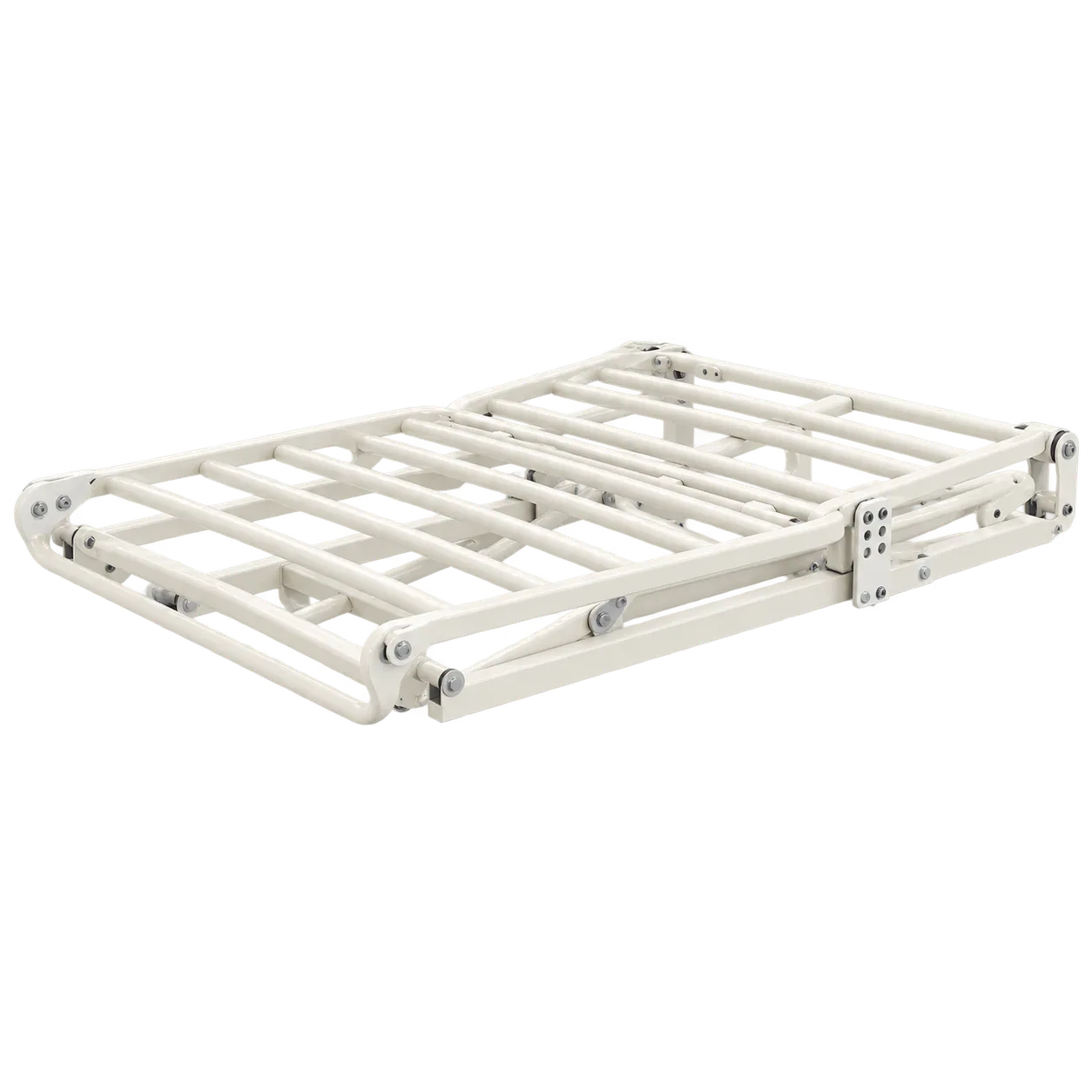
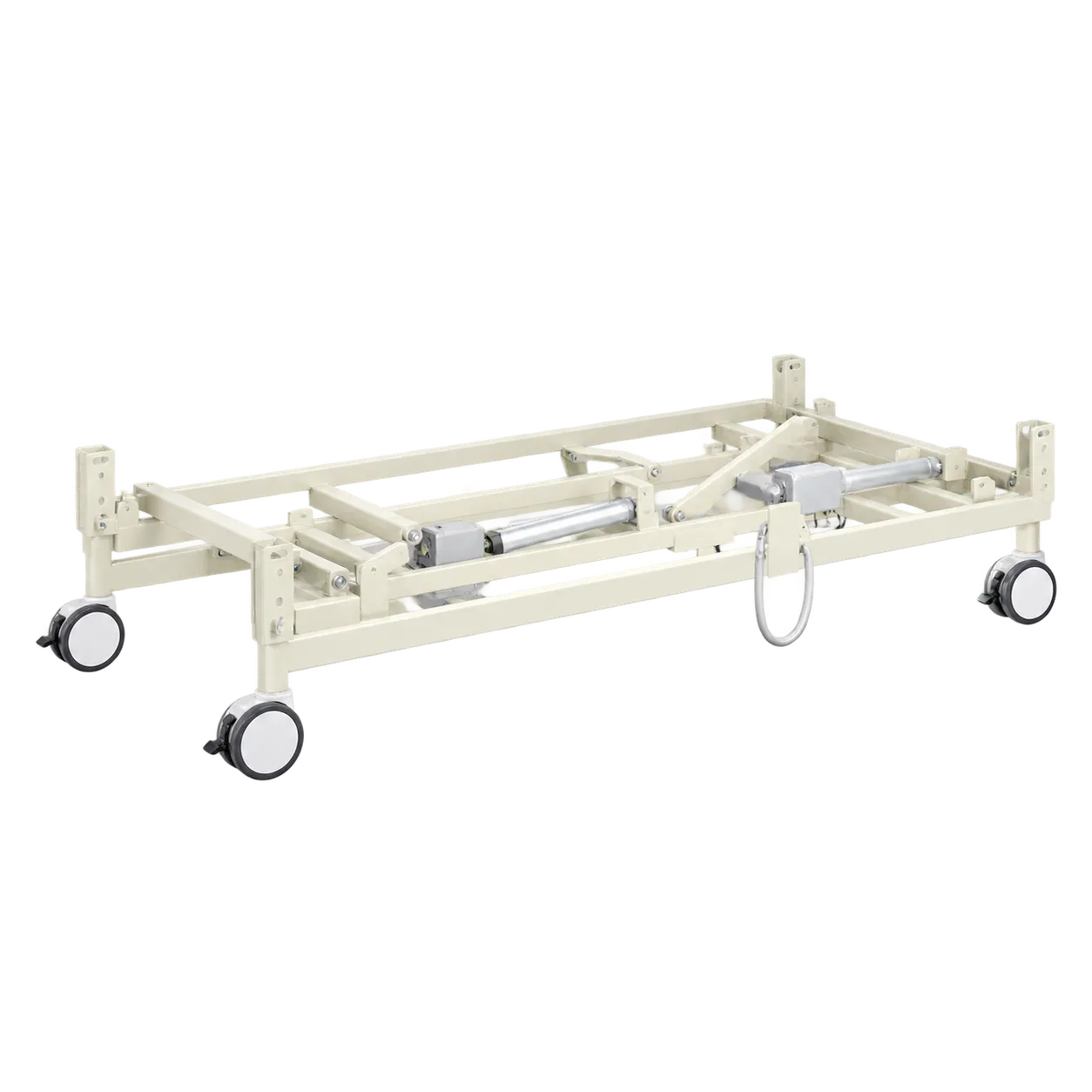
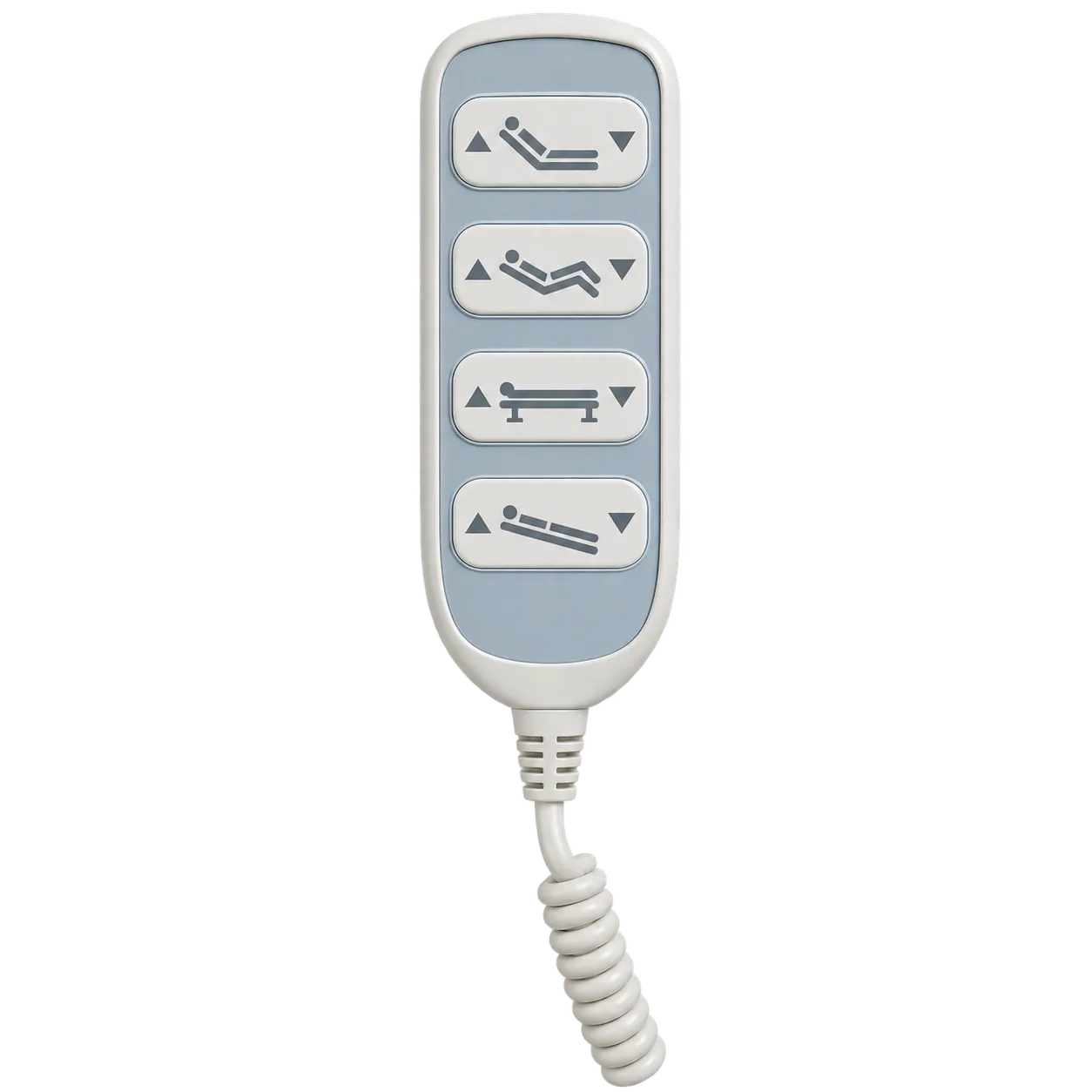
The WRA IV F suits home care, residential and nursing homes, hospices, and community settings where patients need to sit up, stay seated, and be cared for at a sensible height, and where tilt is rarely used. Its case is absence honesty. The bed leaves out Trendelenburg and reverse Trendelenburg, and it includes three powered functions used during daily care.
Those three functions carry most of a care day. The backrest lifts a patient for meals, drinks, and conversation. The knee rest holds them there, since a raised knee section under the thighs reduces the slide toward the foot end that a raised backrest otherwise causes. Powered height from 440 to 785 mm lets carers raise the platform for washing and dressing and lower it again afterwards, and HSE guidance under the Manual Handling Operations Regulations 1992 ties electric beds to reduced handling risk.
Tilt has a narrower role outside acute wards. A 2012 systematic review in Emergencias concluded that the evidence was too inconsistent to call head-down tilt beneficial for patients with low blood pressure. Carers lose help with repositioning. Without head-down tilt, moving a patient back up the bed is done with slide sheets and usually two carers, and the moving and handling assessment has to plan for it. Patients whose care plans depend on tilt, and those at high falls risk who need a floor-line bed, belong on other specifications.
NHS procurement routes, community equipment services and public buyers in other countries expect a device class and a declaration of conformity. The manufacturer issues the conformity documentation these procurement routes require, and the enquiry team shares it.