
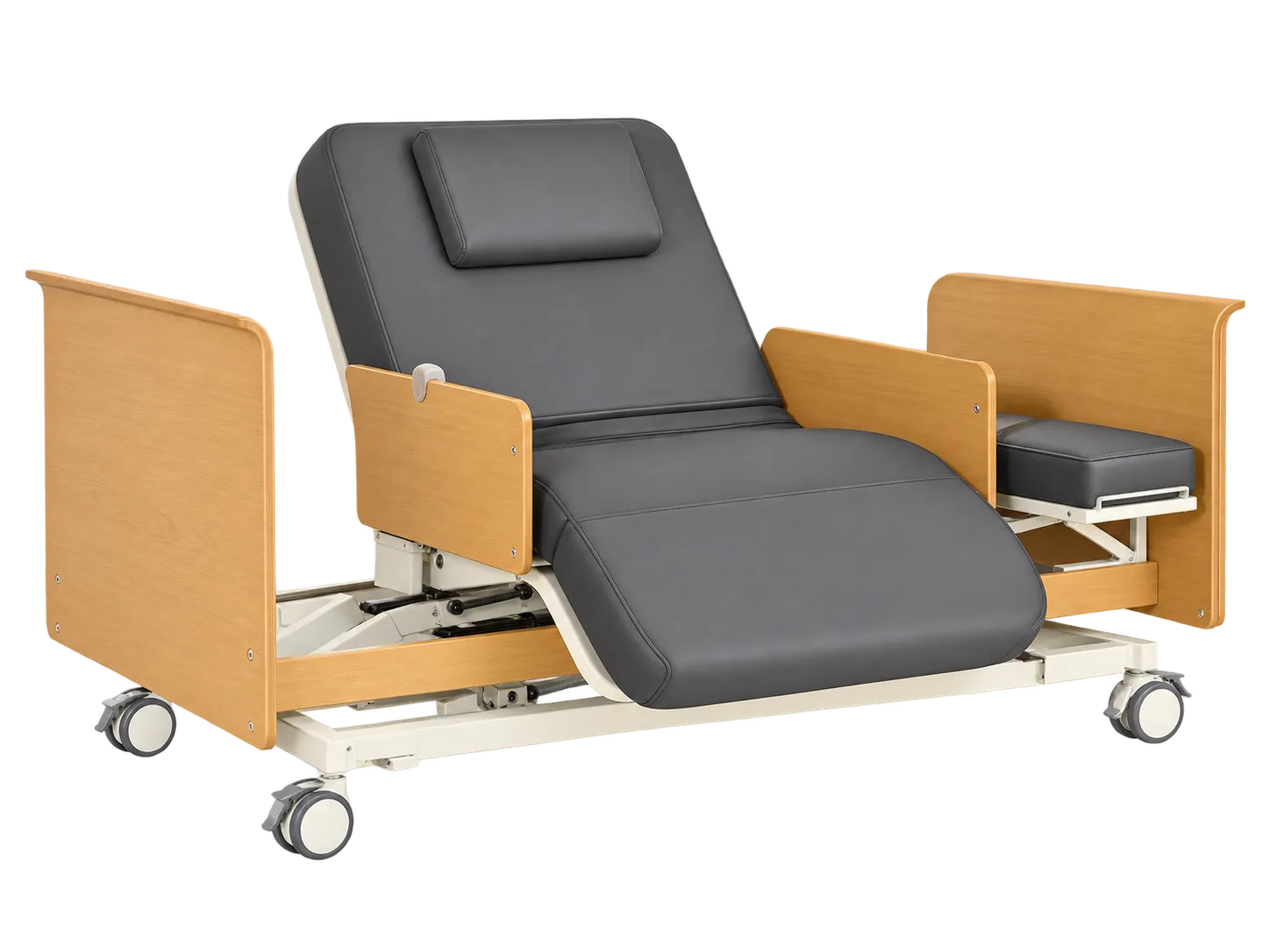
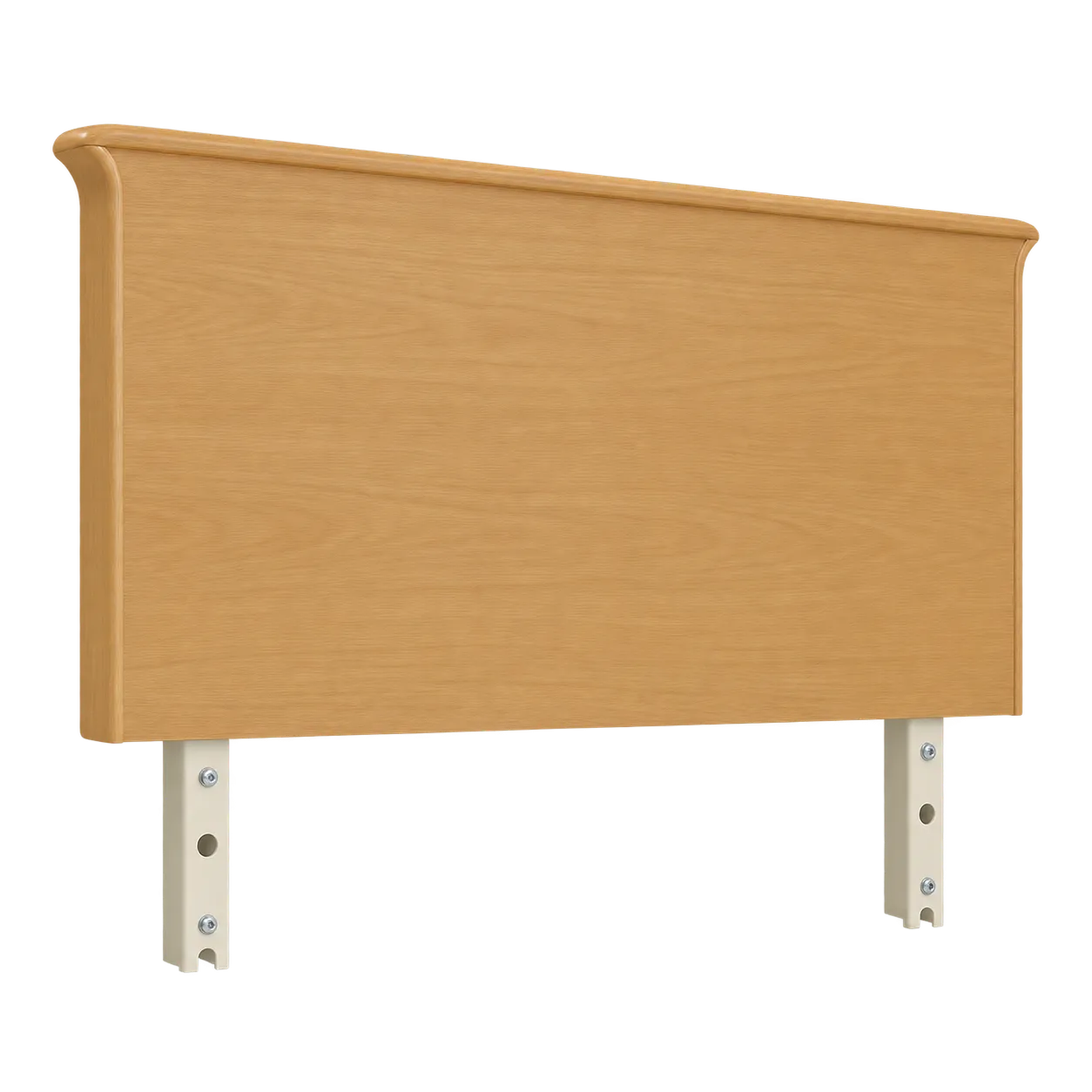
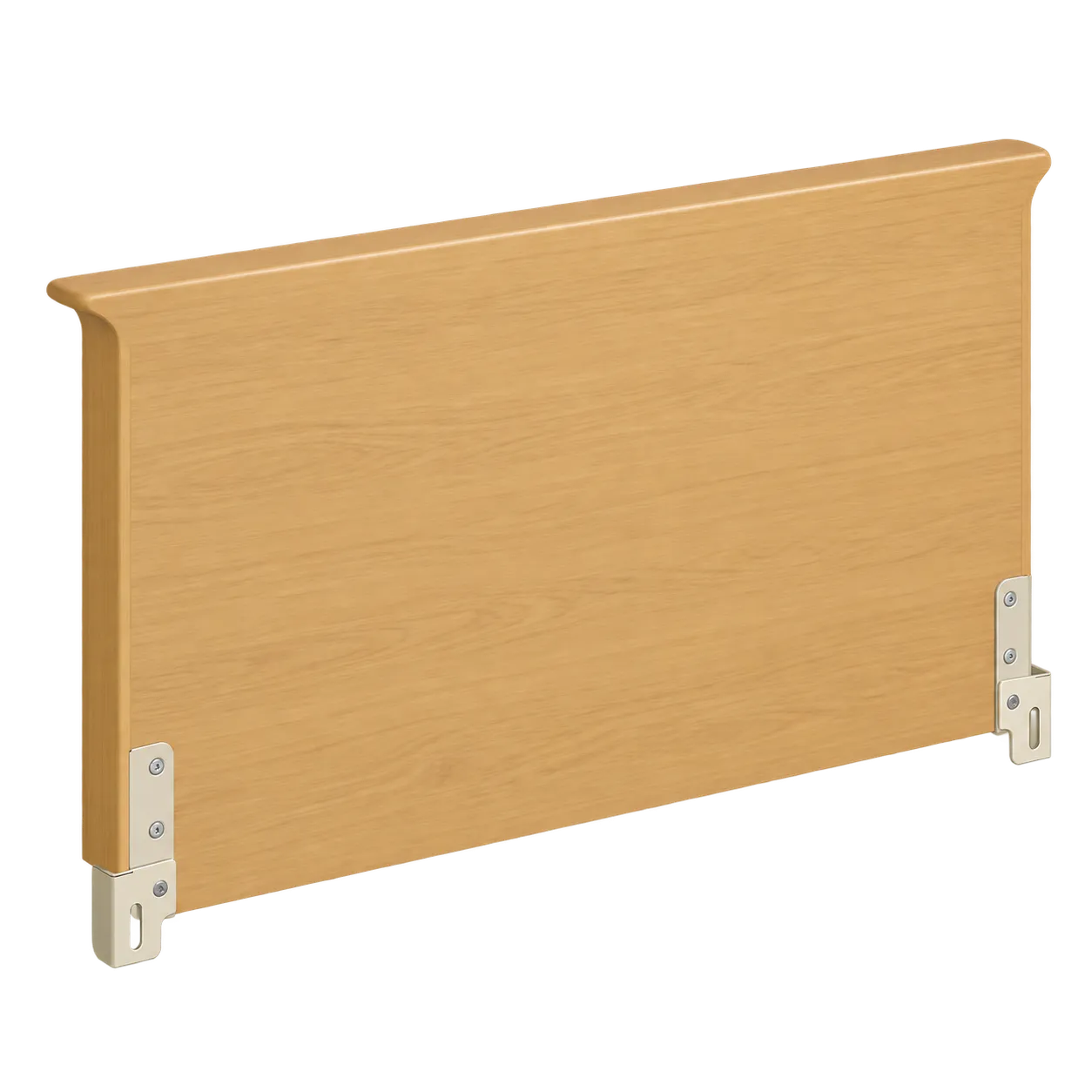
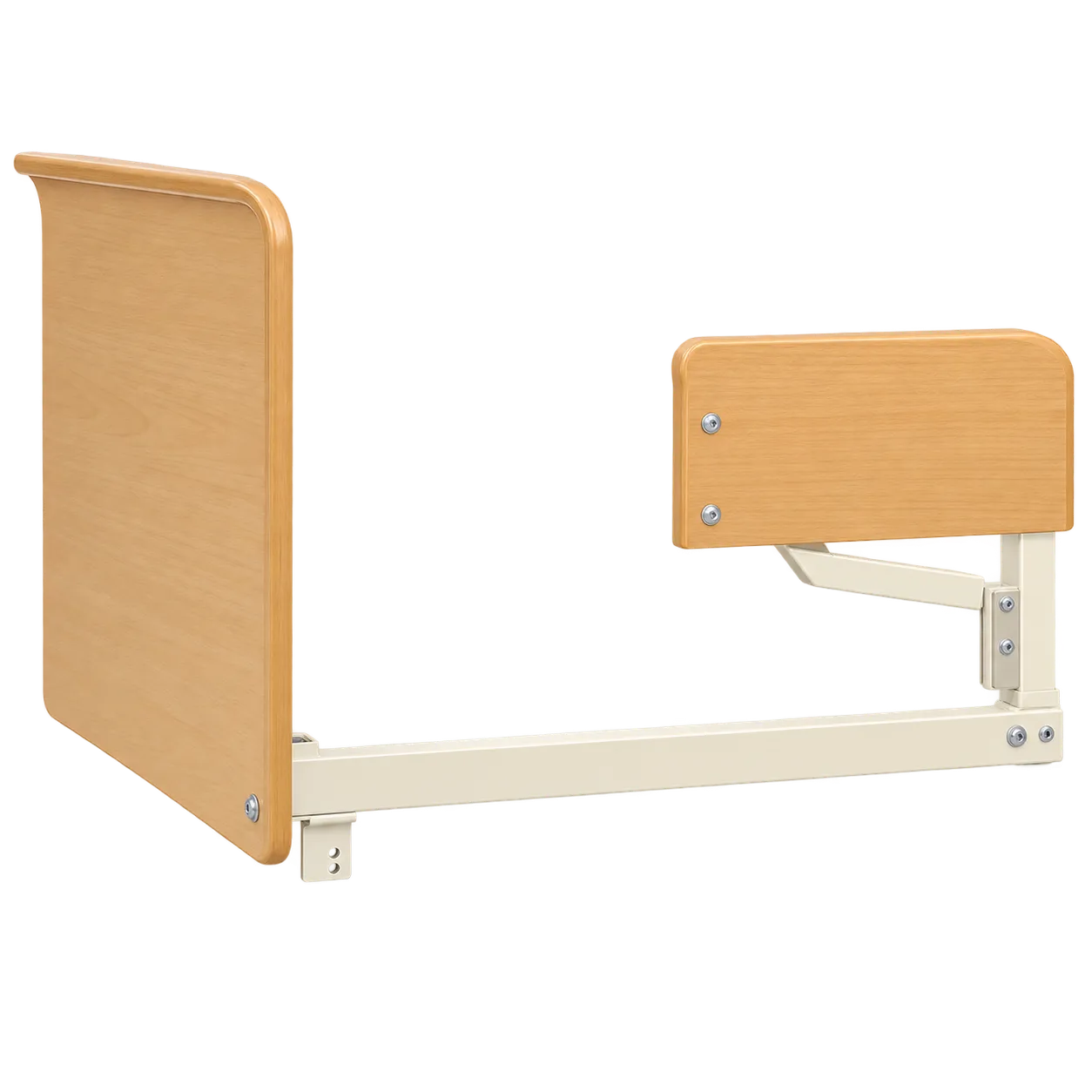
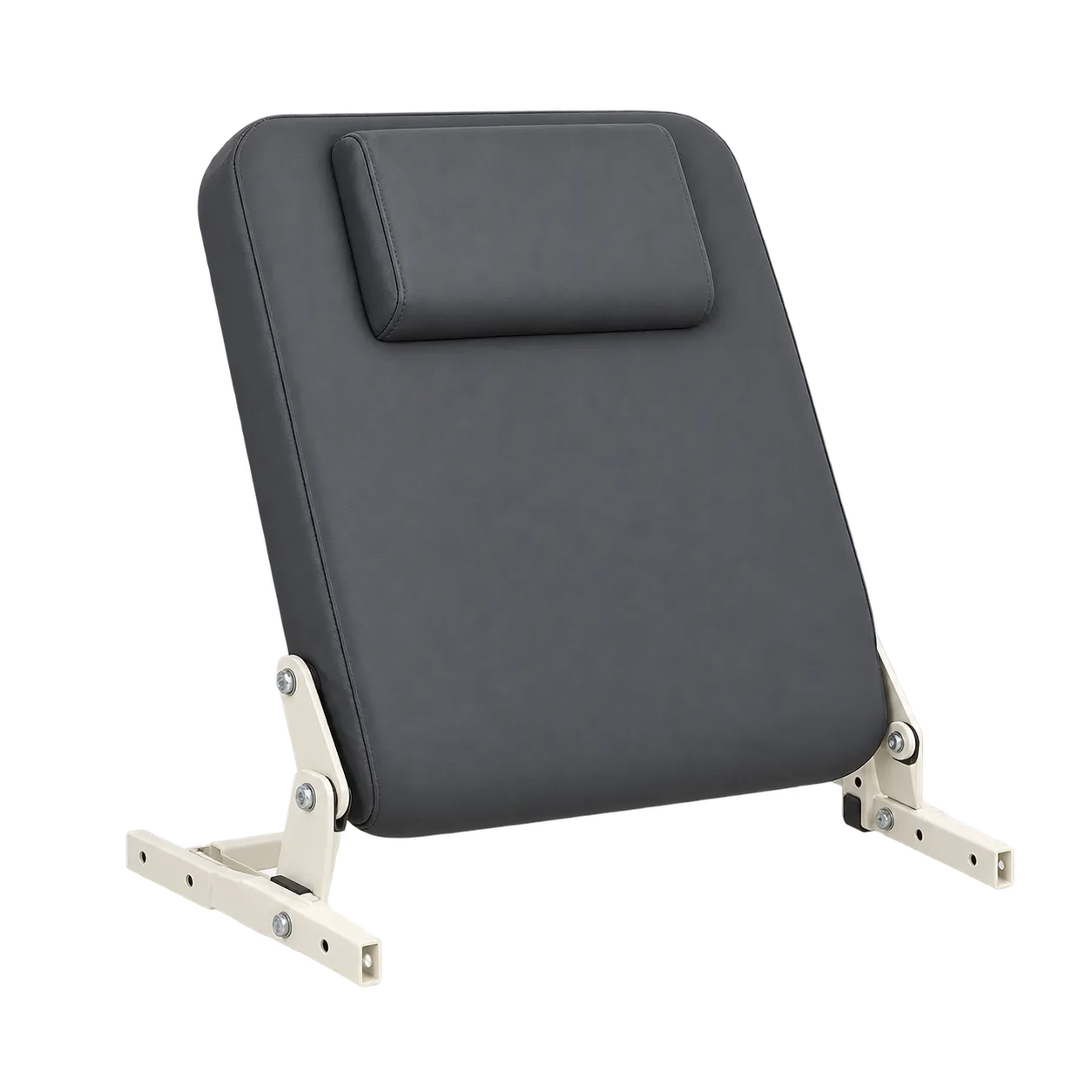
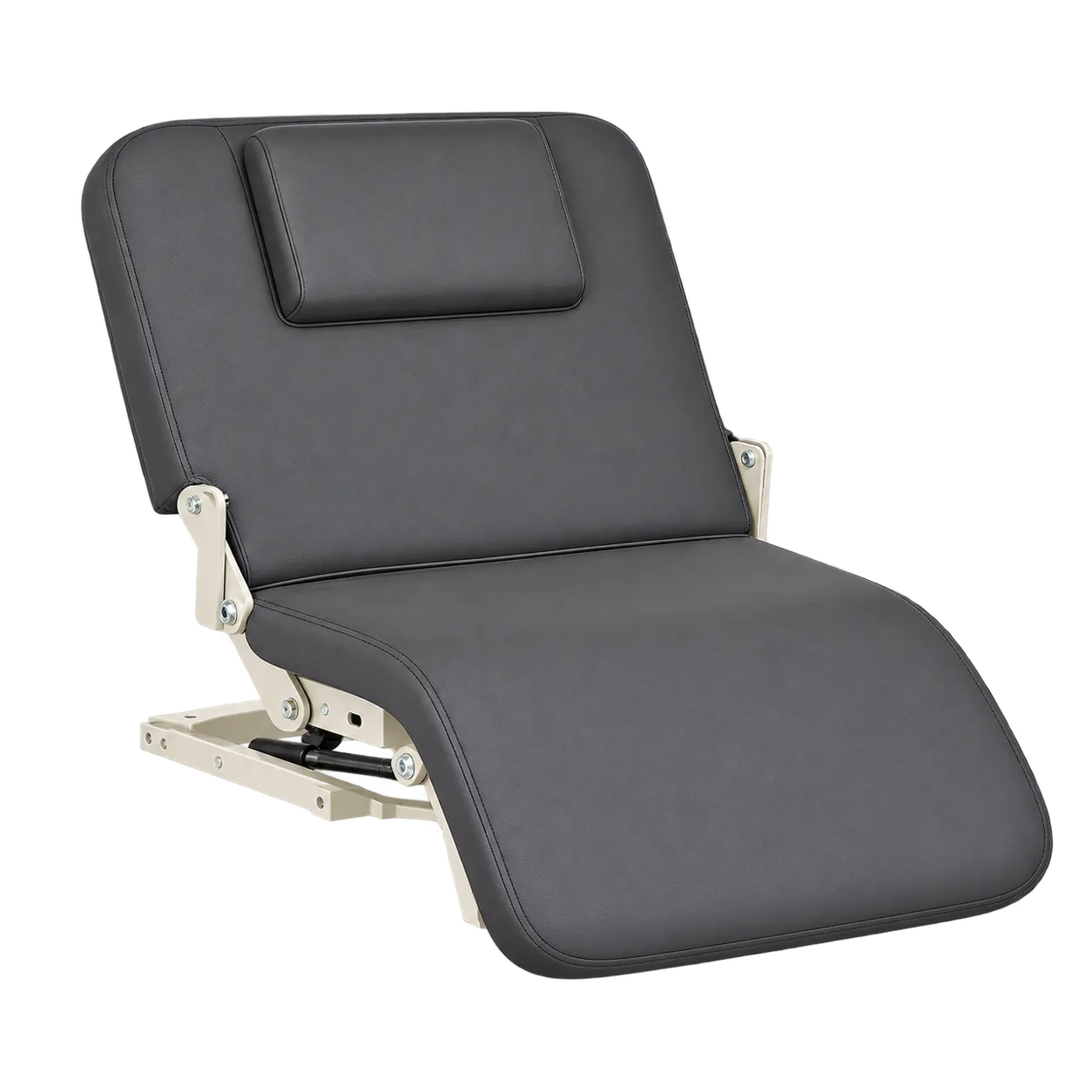
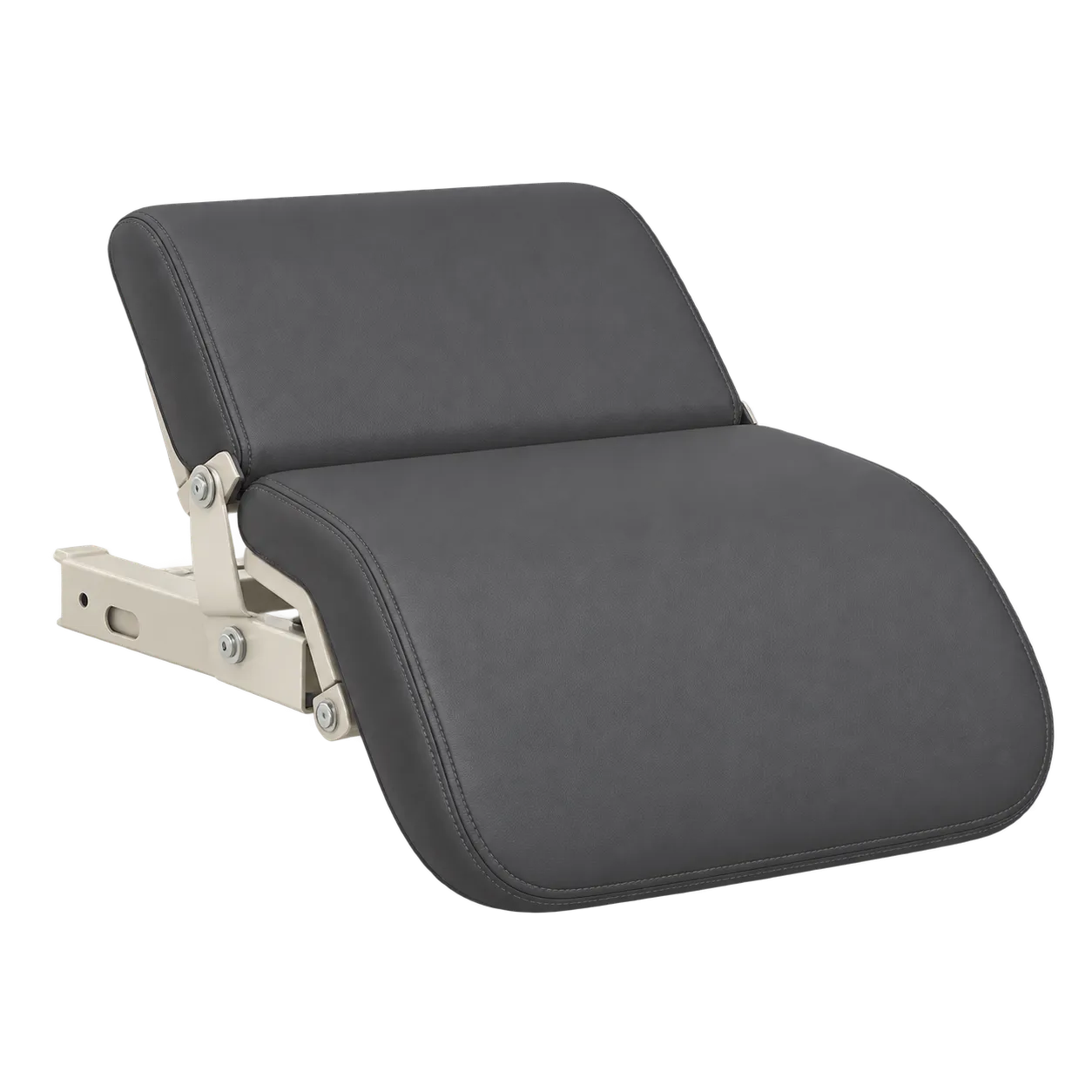
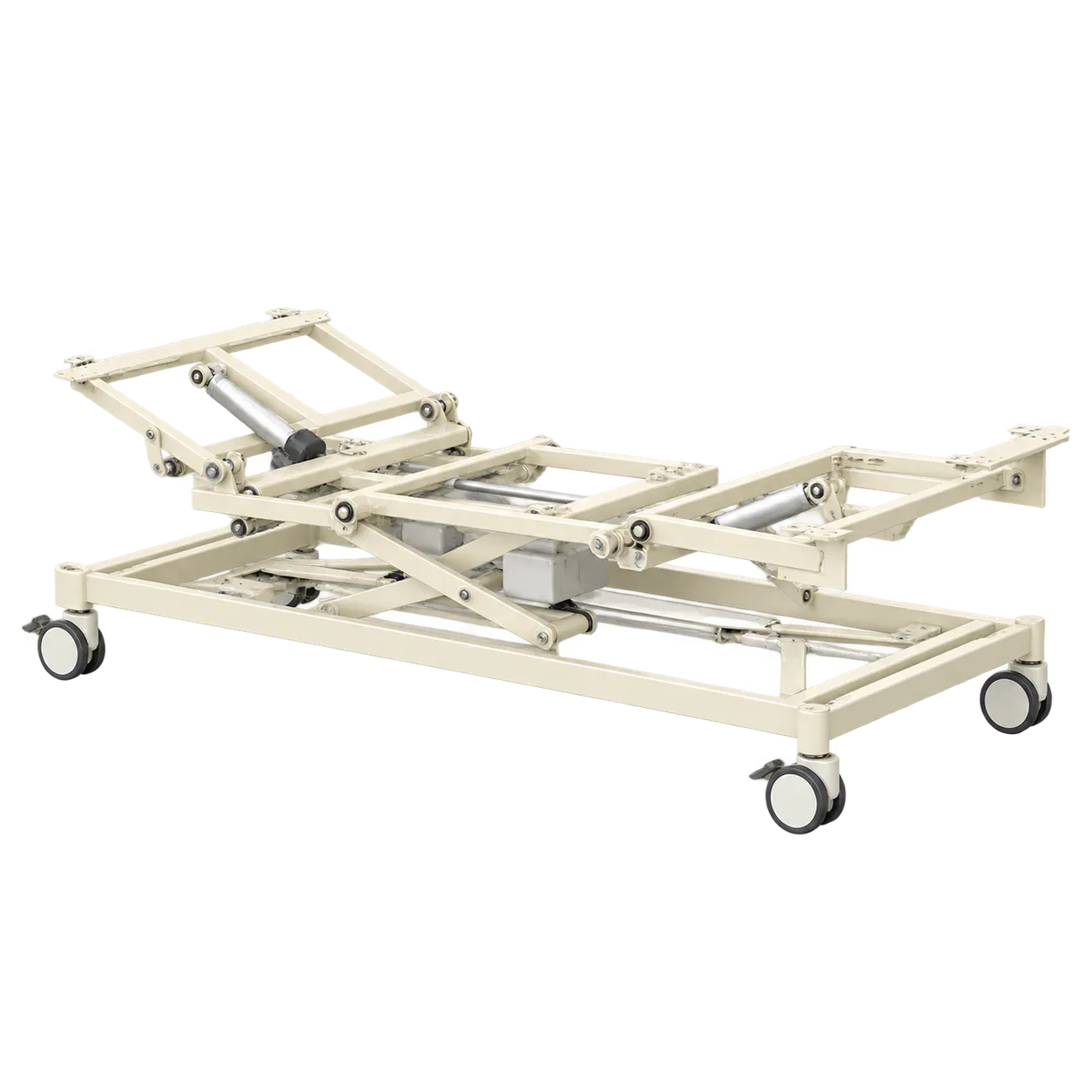
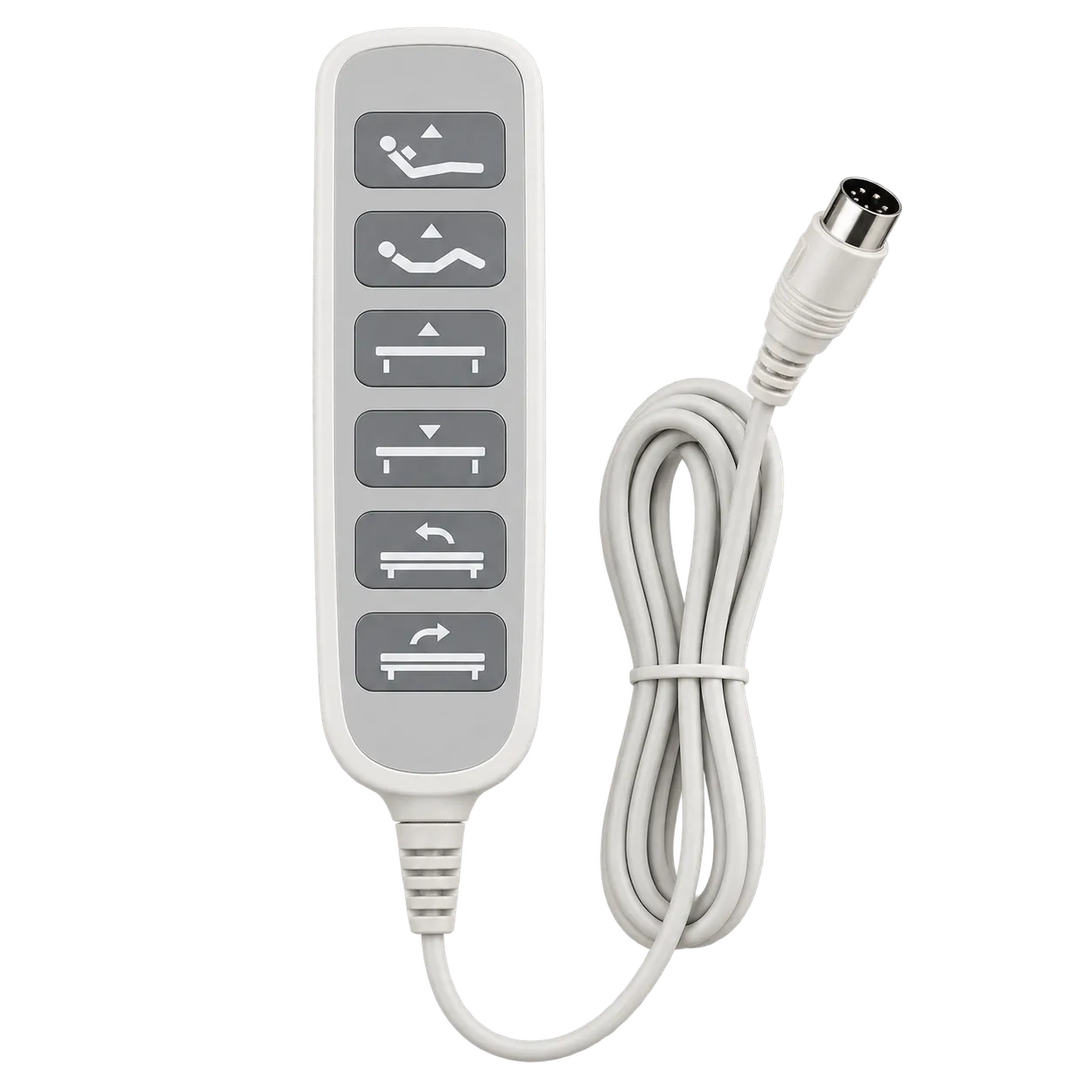
The WRA IV suits people who can stand with help but find it hard to get from lying to sitting at the edge of the bed. Frail older adults at home fit that description, as do people recovering from illness or surgery, those with Parkinson's or other conditions that slow bed mobility, and residents in care homes and assisted living. Its case is mechanism and effect. A powered rotation takes over the roll, swing, and push to sitting, leaving the patient seated, facing out, and ready for a supported stand.
That movement matters for carers too. HSE guidance on electric profiling beds, made under the Manual Handling Operations Regulations 1992, says that where people need to be handled in bed, the risk reduction is enough that providing electric beds must be considered. A bed that brings a patient to sitting without hands-on help removes a task that otherwise invites carers to lift.
The mechanism has its own limits and hazards. It helps only people who can bear weight; anyone needing a full lift still needs a hoist and a moving and handling plan. Every powered movement can trap a hand, foot or pet, and the rotation needs clear space beside the frame for the patient's legs. The height range of 430 to 770 mm lets carers lower the seat so both feet reach the floor before standing, and raise the platform for personal care. Without a battery backup, a power cut leaves the bed where it stopped.
NHS procurement routes, community equipment services and public buyers in other markets expect a device class and a declaration of conformity. The manufacturer issues the conformity documentation those procurement routes require, and the enquiry team shares it.