

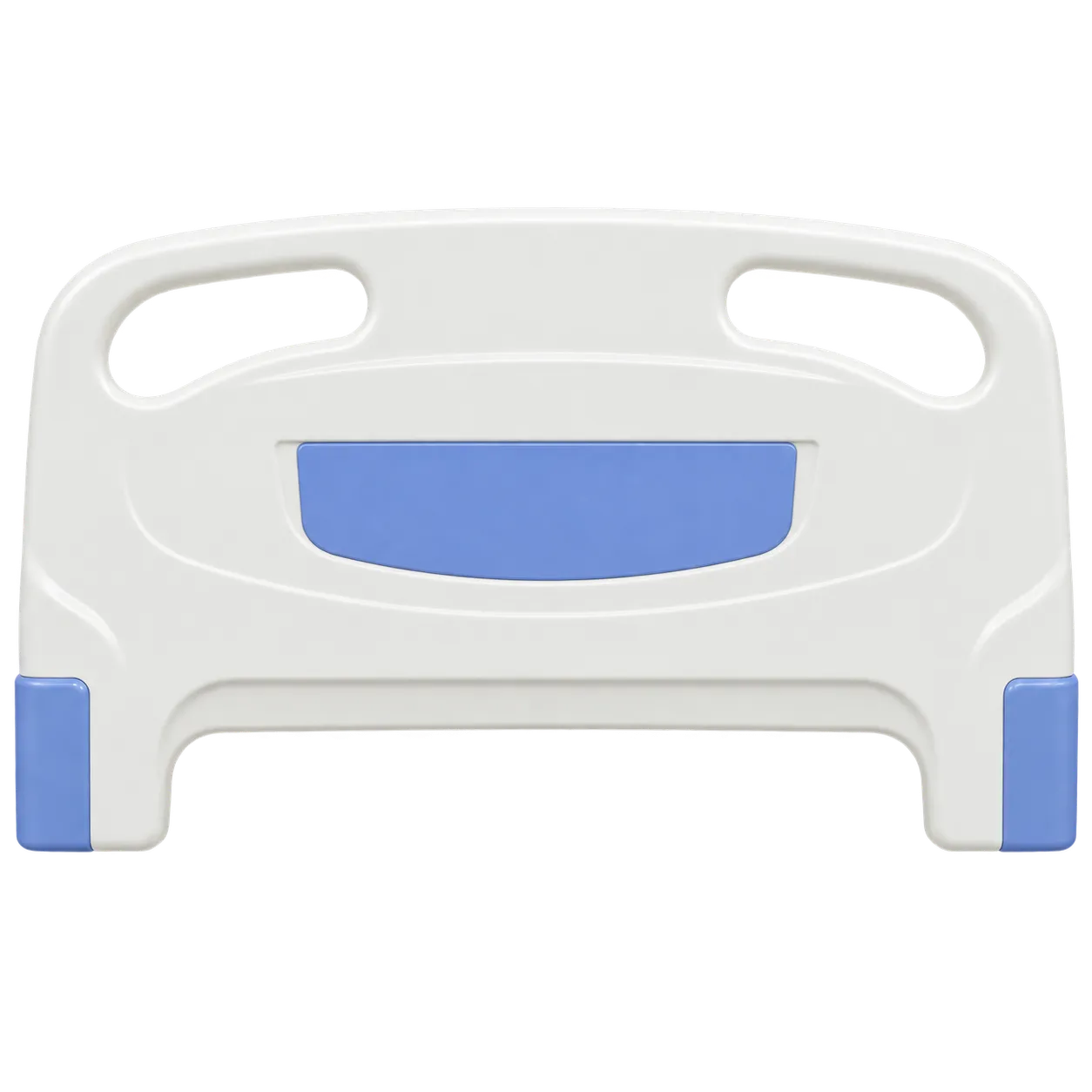
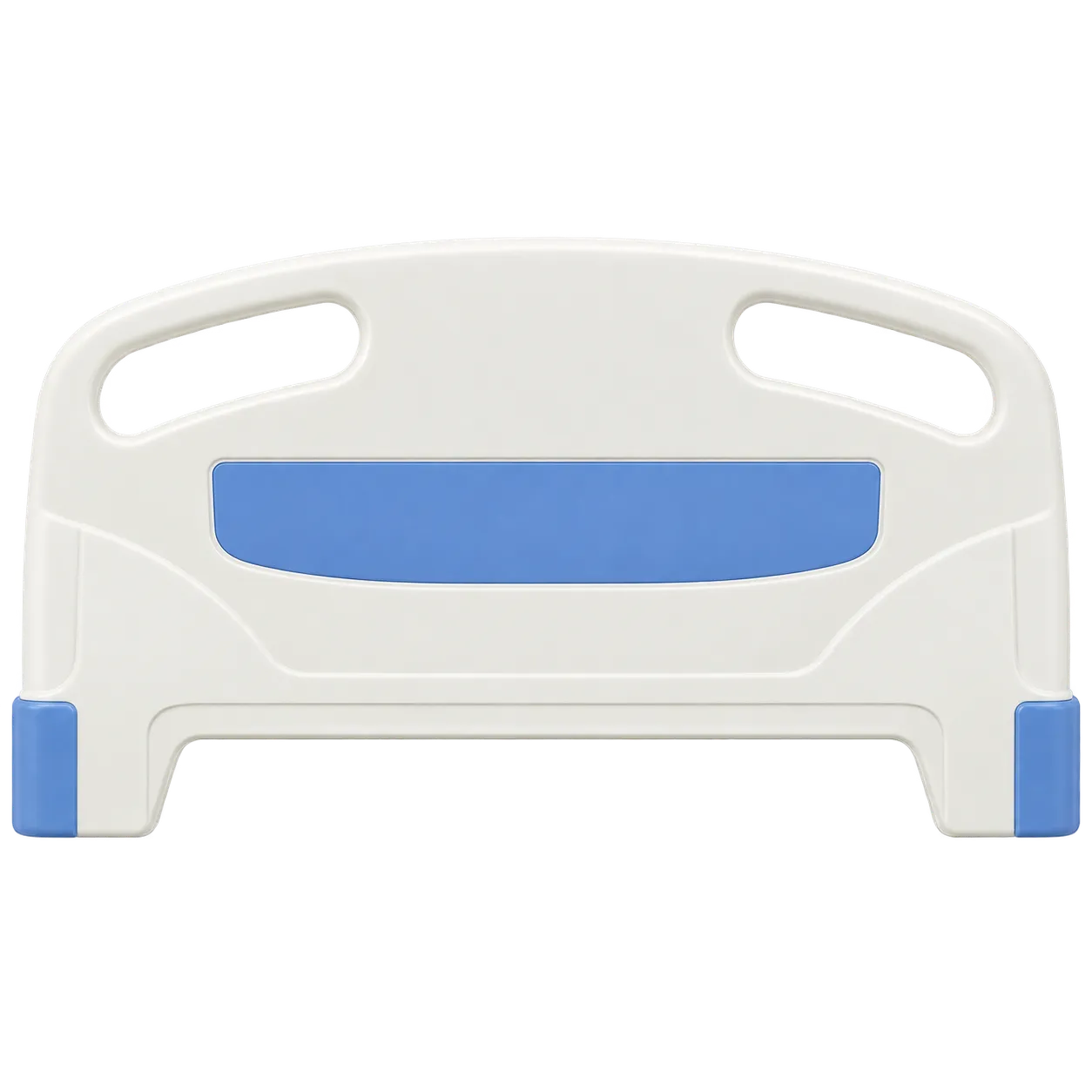
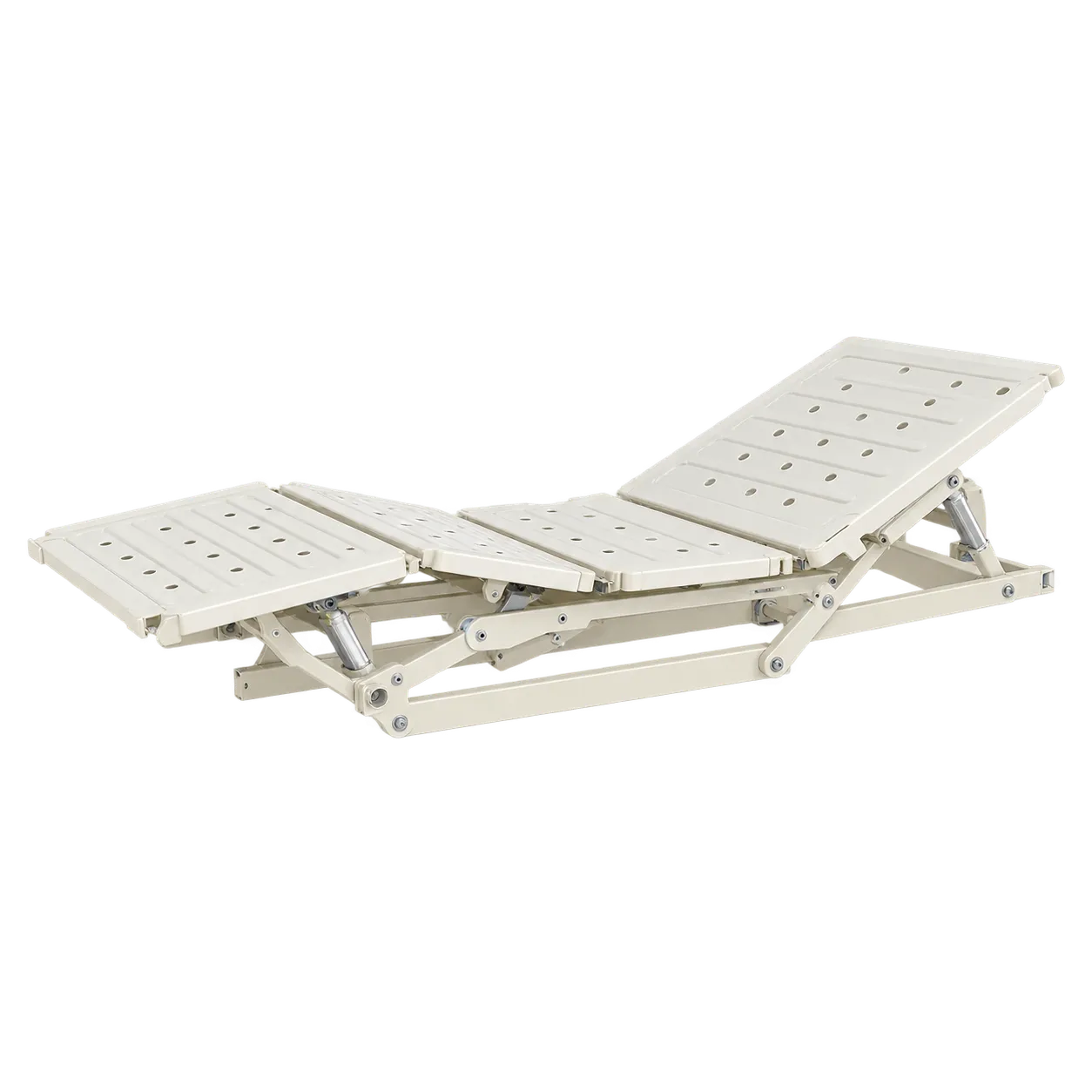
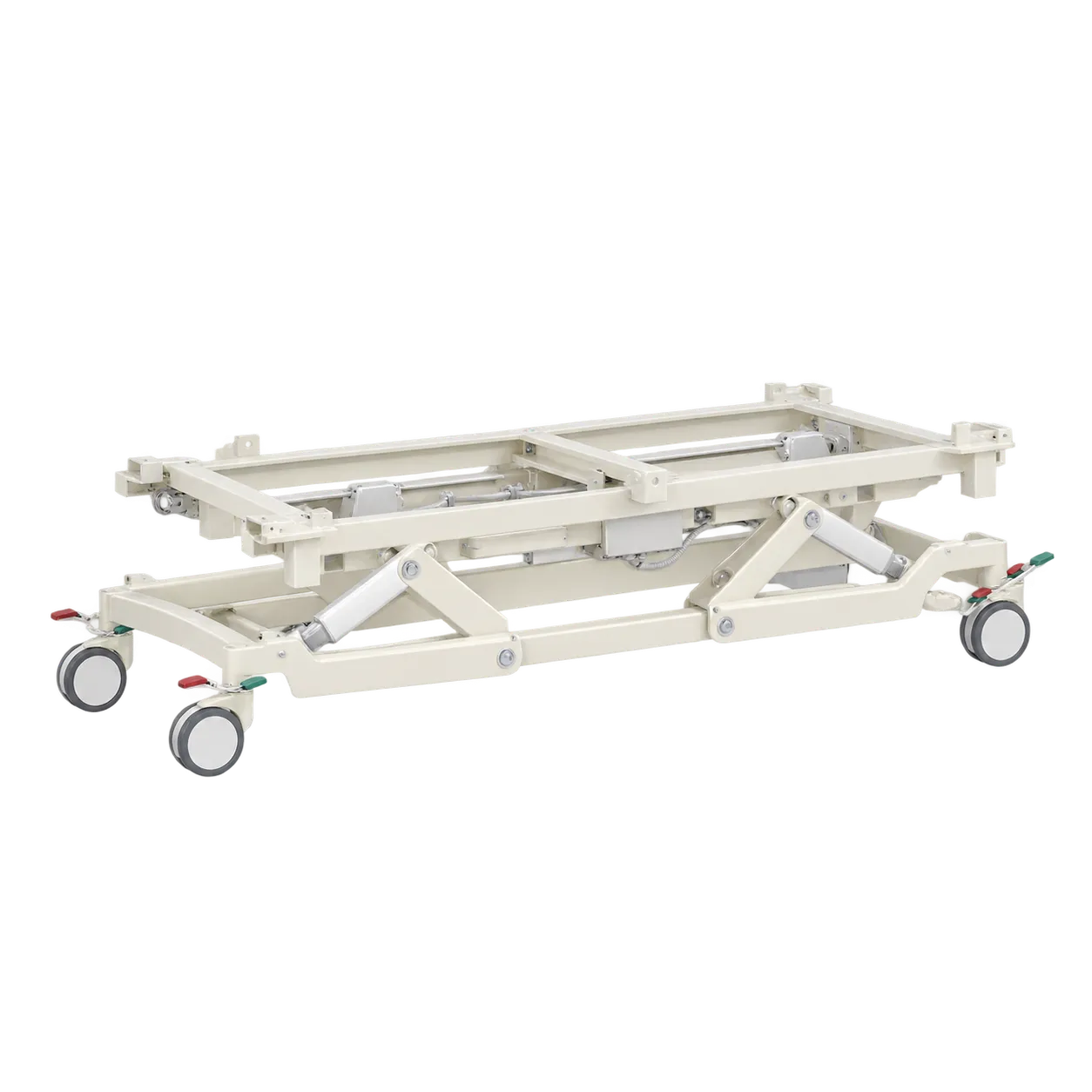
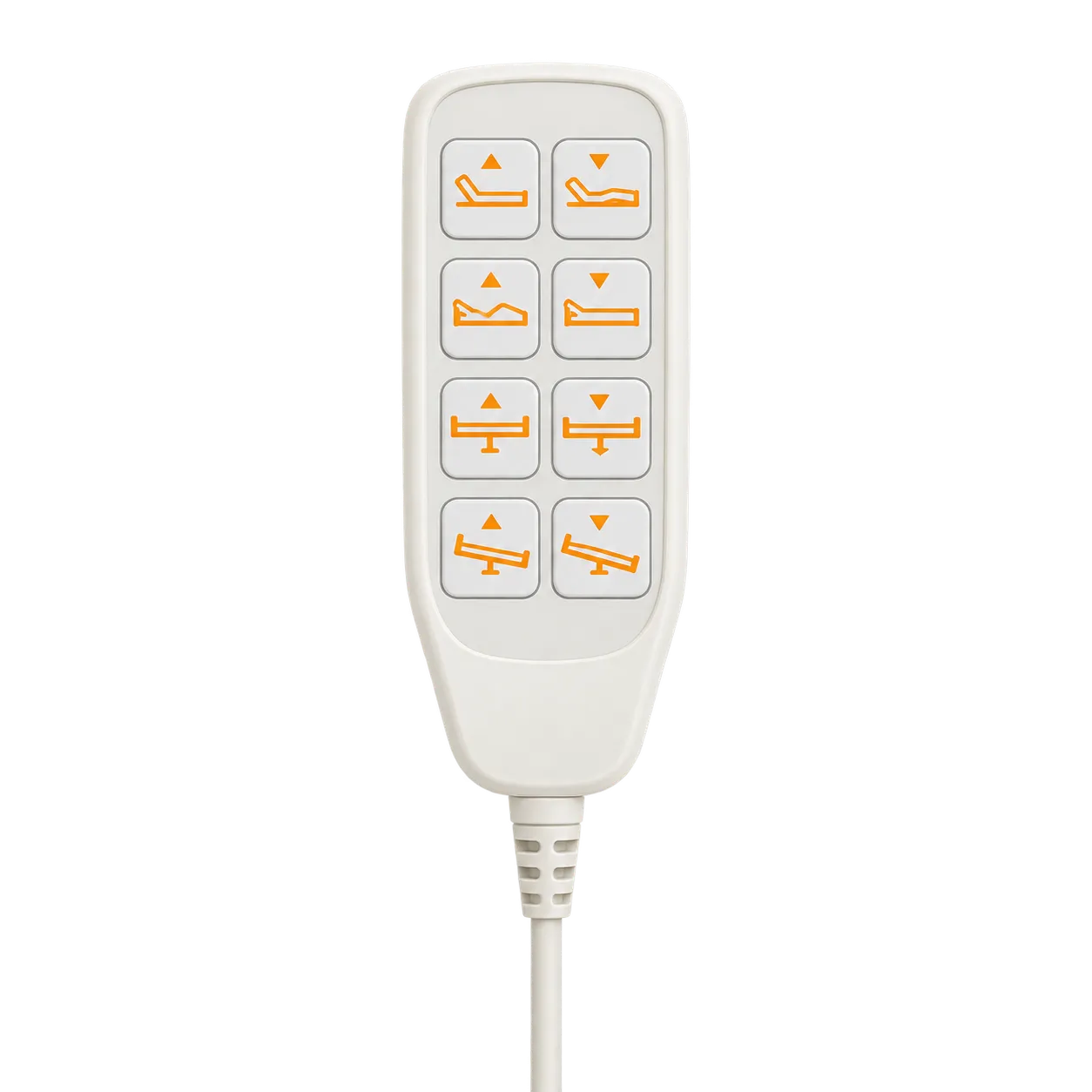
Acute medical and surgical wards, and other areas where patients may deteriorate, are where a five-function bed with tilt is most often used. Powered backrest and leg section sit patients up with the knees supported, whole-platform tilt in either direction supports positioning on clinical direction, and the height runs from 485 mm for getting out to 860 mm for care.
Resuscitation readiness is the part to plan. The sheet shows a manual CPR route and nothing electric, so in an arrest the backrest comes flat by hand. That works with or without power, but only if staff can find the release immediately and know what it does. If the platform happens to be tilted when an arrest occurs, staff need to know whether the release levels it or whether the handset is needed, and what to do if power has failed.
Current guidance supports starting compressions on the bed promptly, on a firm surface where practical, without moving the patient to the floor, and with any mattress CPR mode activated. Resuscitation Council UK's safer handling guidance adds that rescuers should position their shoulders over the sternum and slide the patient towards them if needed. Drills that cover finding the release, flattening and levelling the platform, and, where possible, removing the head board make those steps automatic. Any air mattress used needs its own CPR deflation step included.
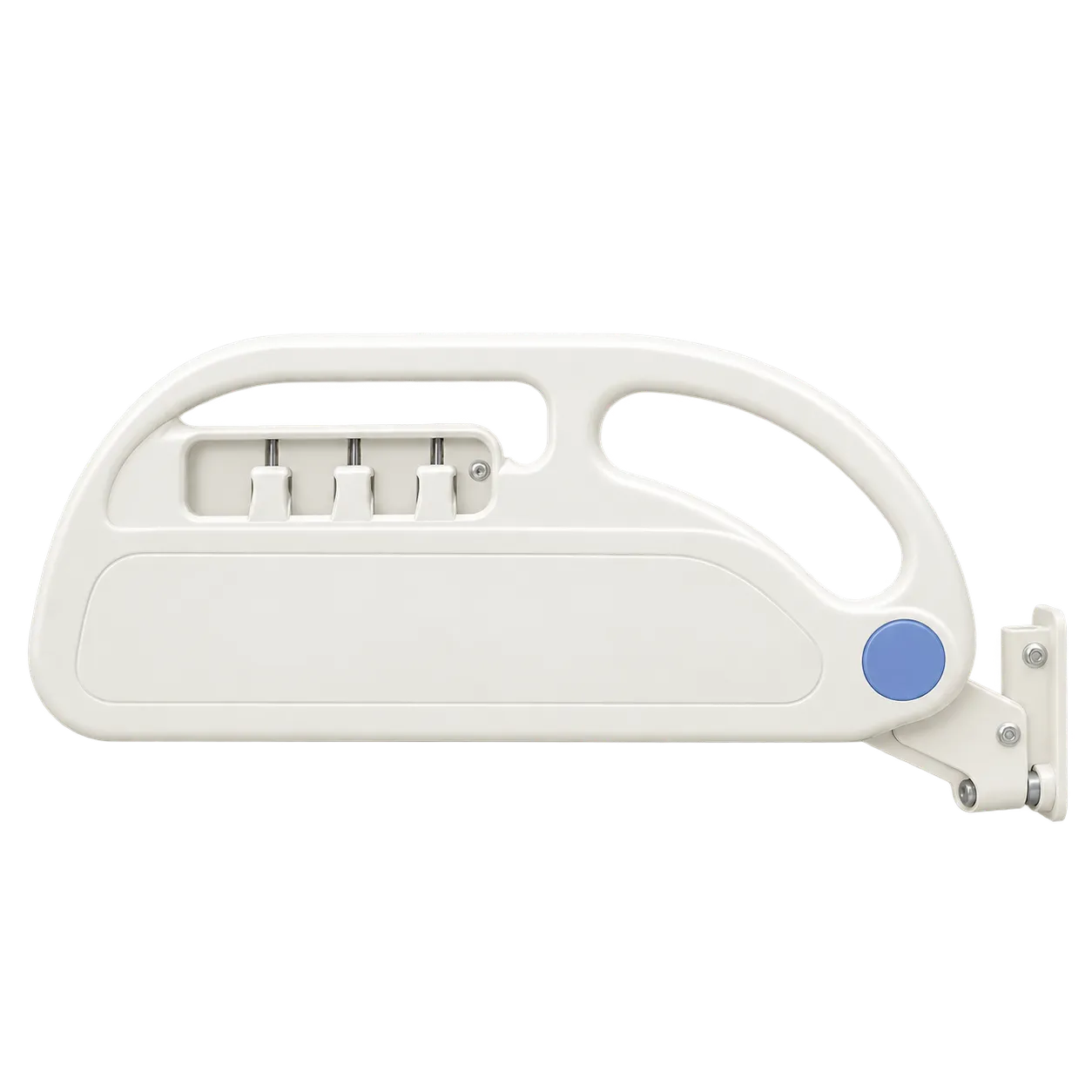
Rail measurements, taken with the mattress in place, should be compared with MHRA guidance. The bed is for adults of standard size, not bariatric patients or children. Purchasing teams will want to see who the legal manufacturer is, which edition of the standard applies, how the CPR mechanism works and what the rail tests showed. The conformity documentation those procurement routes require is issued by the manufacturer and provided by the seller.