

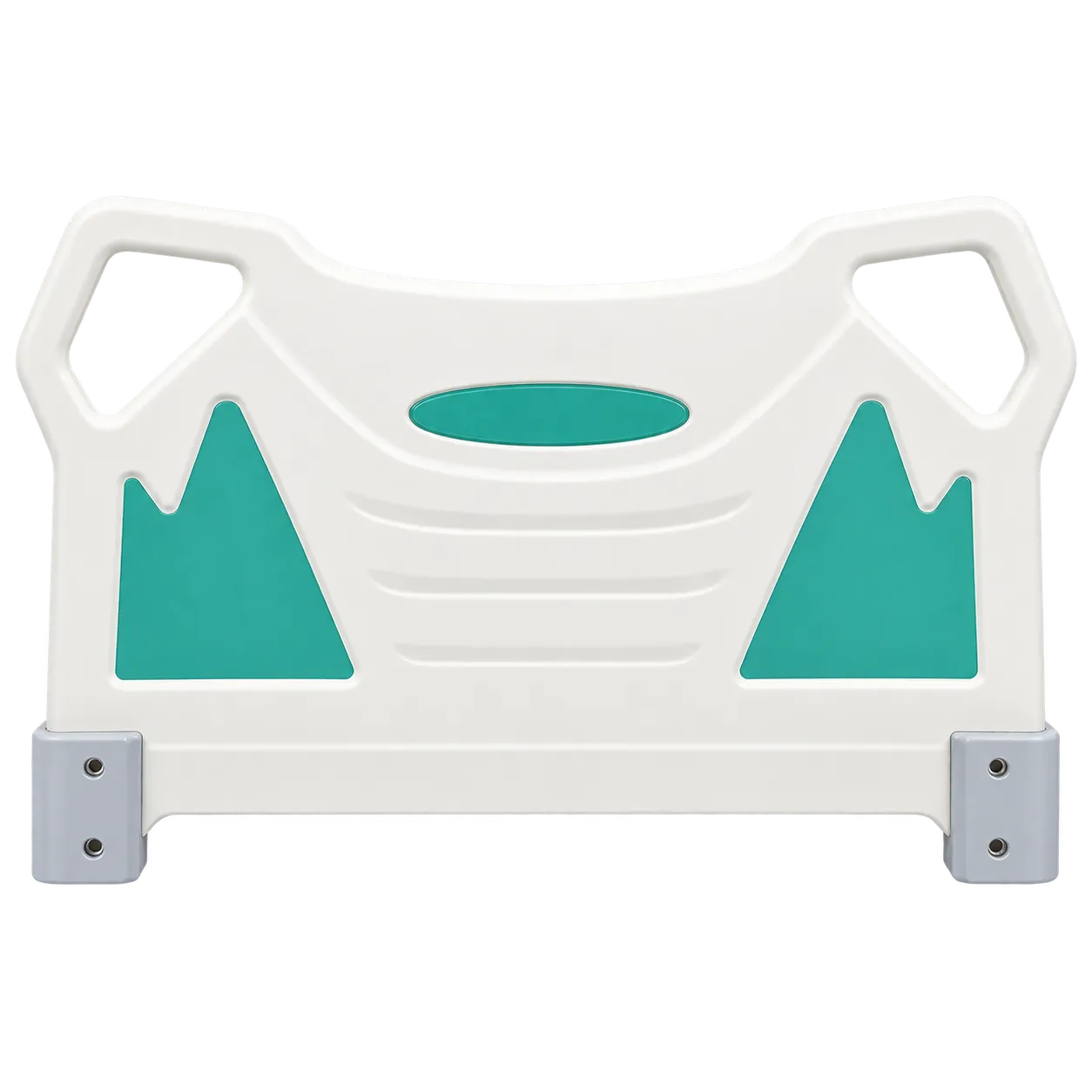
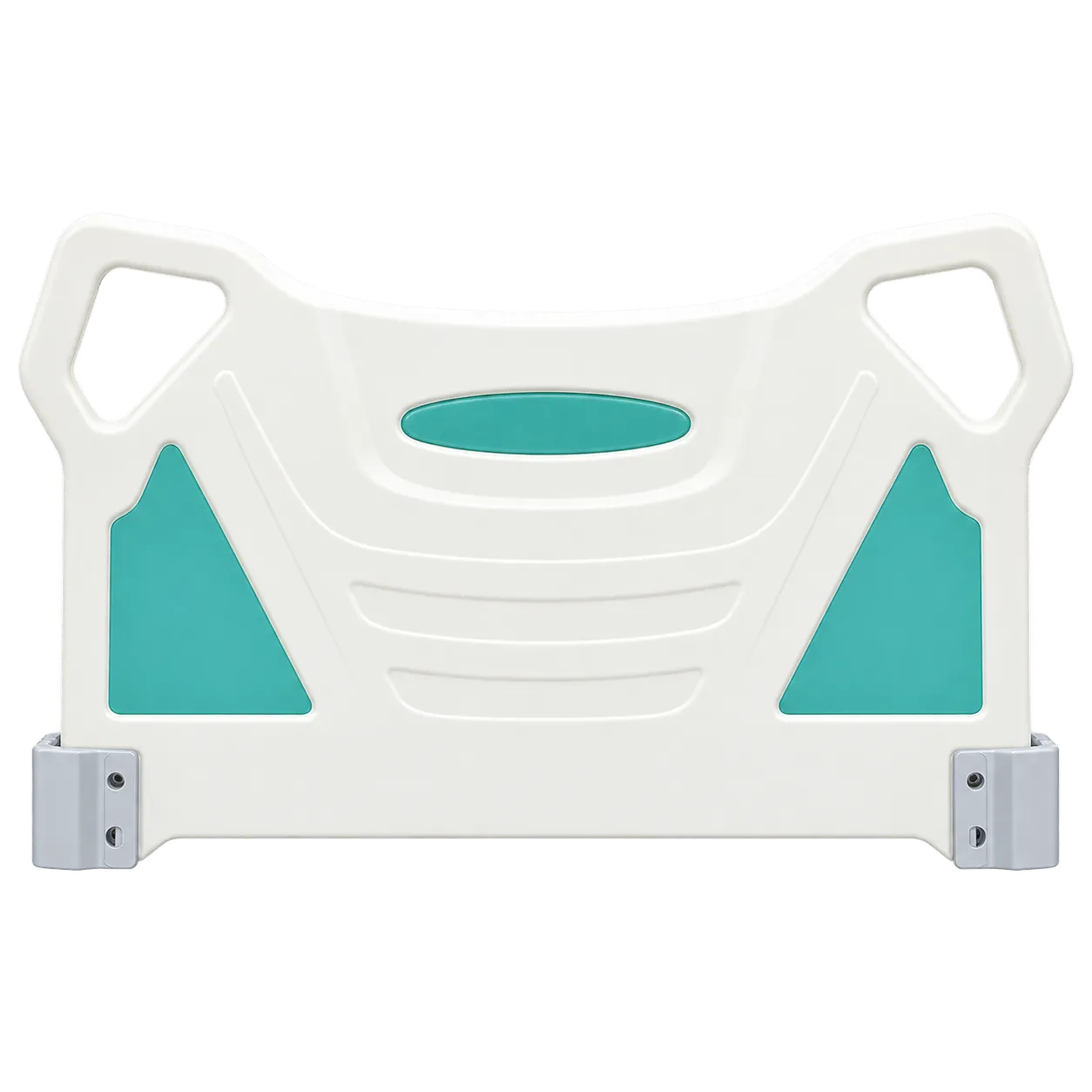
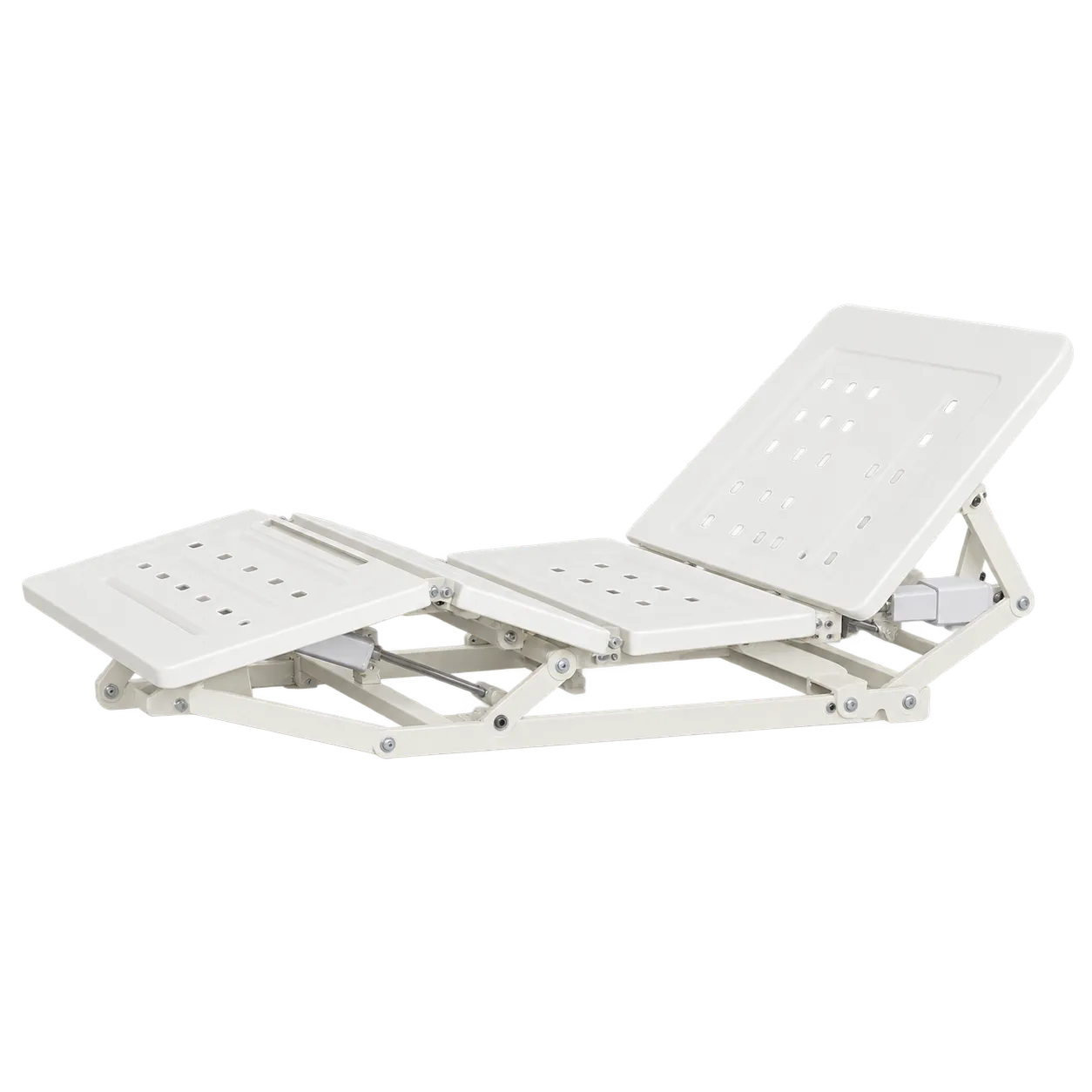
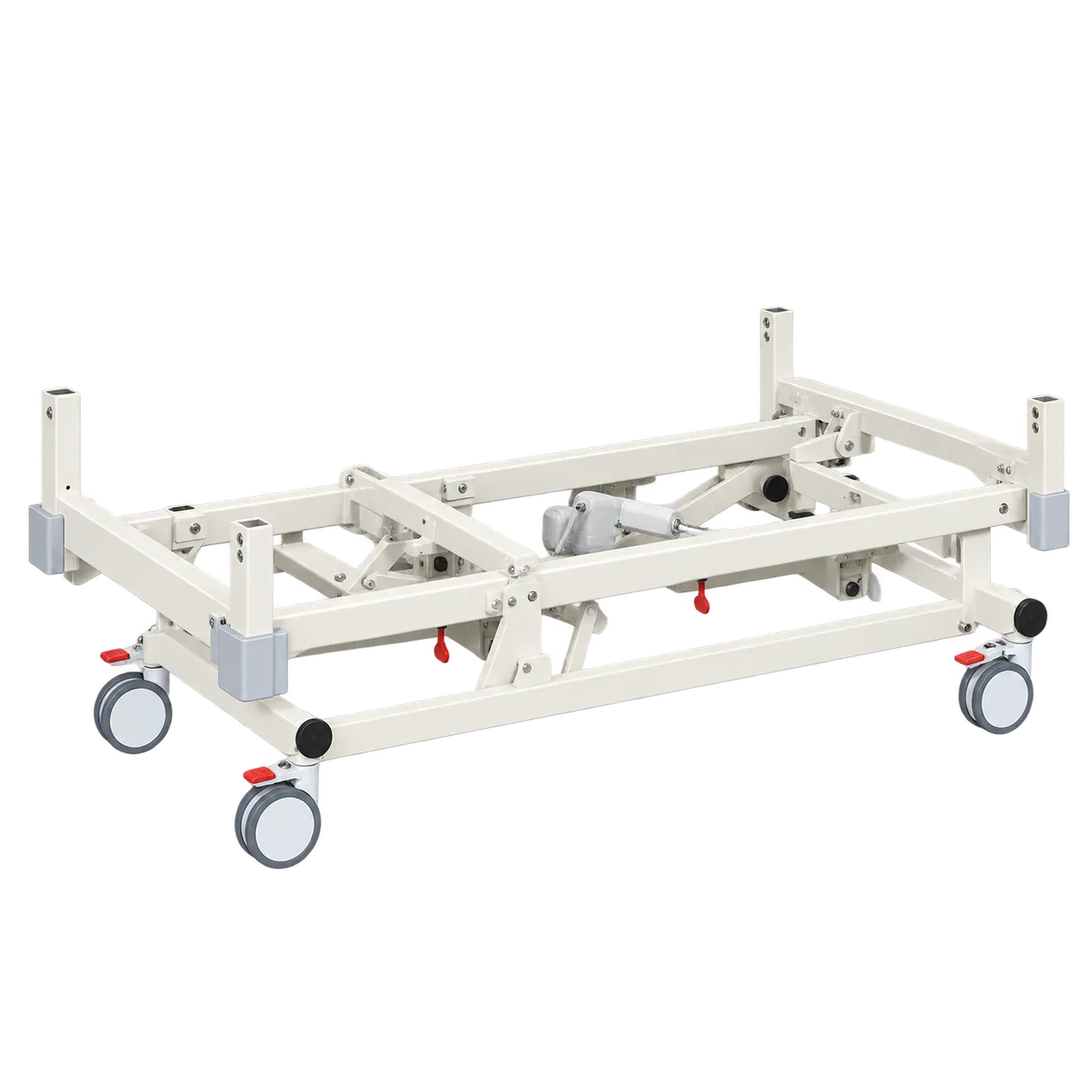
Long-stay residential and nursing care, rehabilitation and care of older people are where a two-function bed with back and knee sections fits best. People who sit up in bed for meals, visitors, reading and television spend much of the day with the backrest raised, and every time they do, they risk sliding down the bed and loading the sacrum with shear.
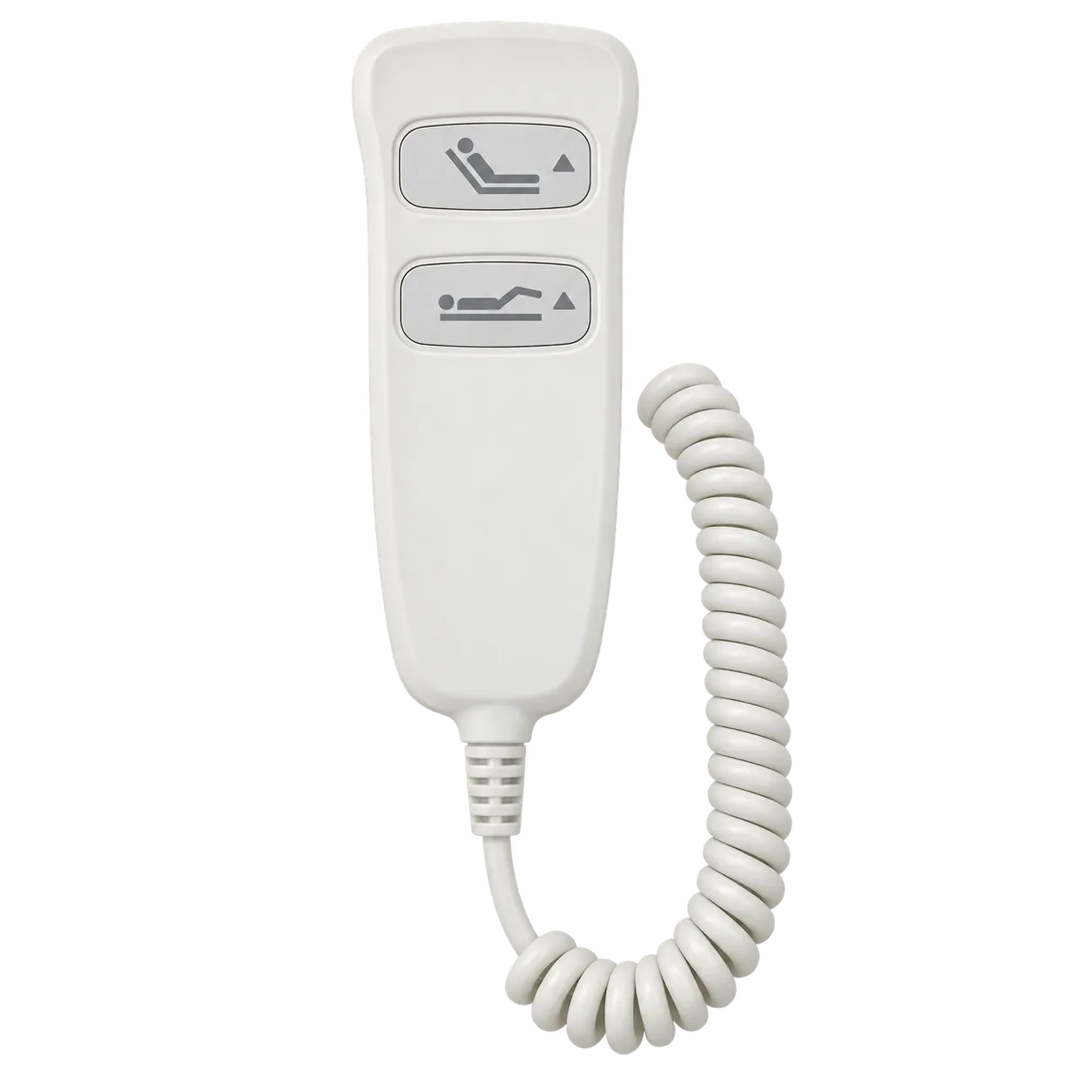
Knee-first positioning is the practical answer. Staff raise the leg section to support the knees, then raise the backrest, keeping it at 30° or lower where the care plan allows, in line with the 2025 international pressure injury guideline. Where a patient needs to sit higher, for example to eat safely or breathe more easily, the care plan should say so and set a time limit. With no angle indicator shown, a simple gauge or marked reference helps staff set the angle consistently.
Pressure care needs more than positioning. A suitable mattress, regular repositioning and skin inspection all matter, and NICE recommends a high-specification foam mattress as the first-line device for adults at elevated risk. The bed supports that care; it does not replace it. Repositioning with slide sheets or similar aids reduces friction when residents are moved.
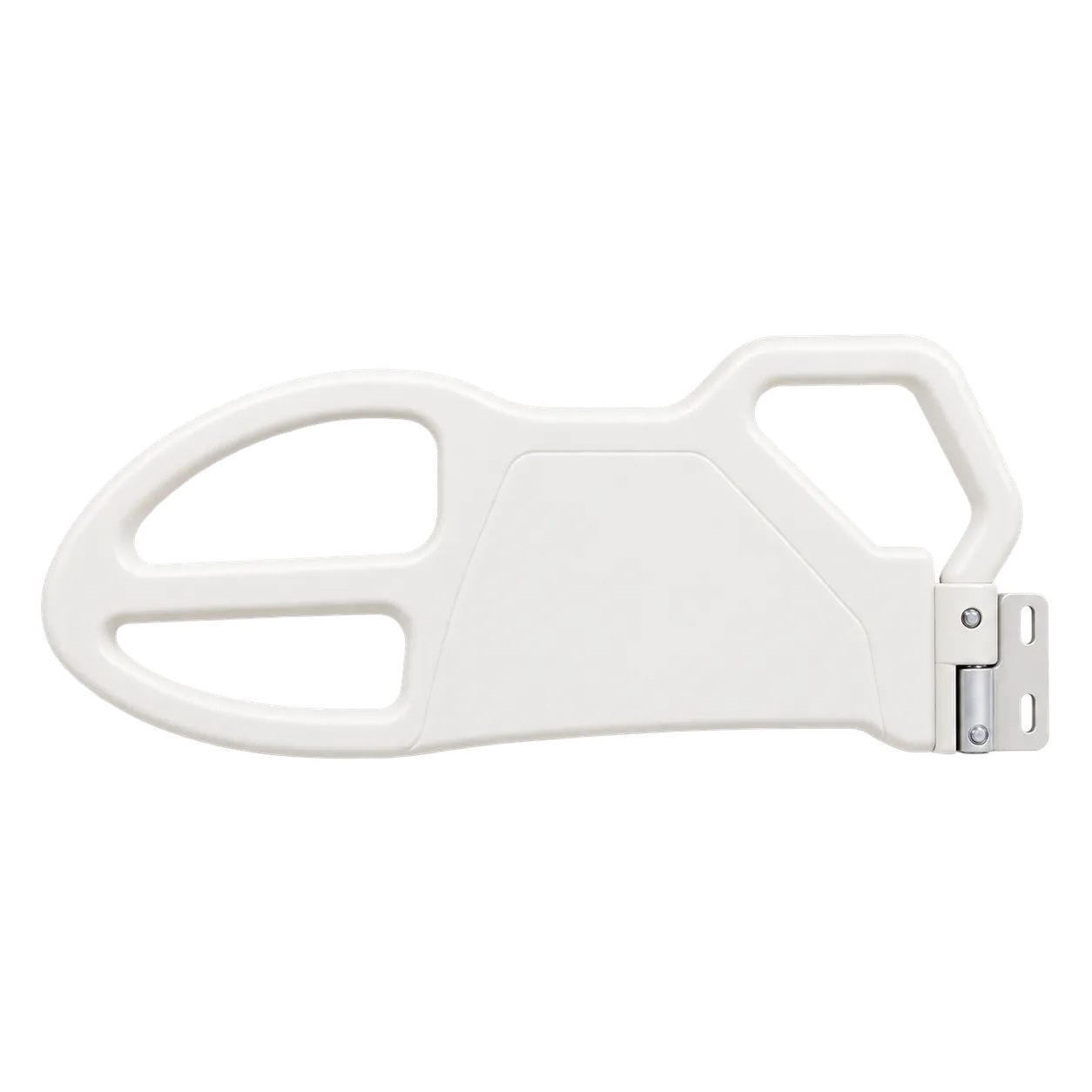
The fixed 500 mm height means care tasks are done at one working height, so manual handling needs assessing, and the bed suits lower-dependency residents better than those needing heavy hands-on care. The open oval rails must be checked against MHRA guidance with the mattress fitted, as the MHRA's 2023 National Patient Safety Alert asks. The bed is not a specification for children. Procurement will ask for the legal manufacturer, the standard edition and the rail test data. The conformity documentation those procurement routes require is issued by the manufacturer and provided by the seller.