
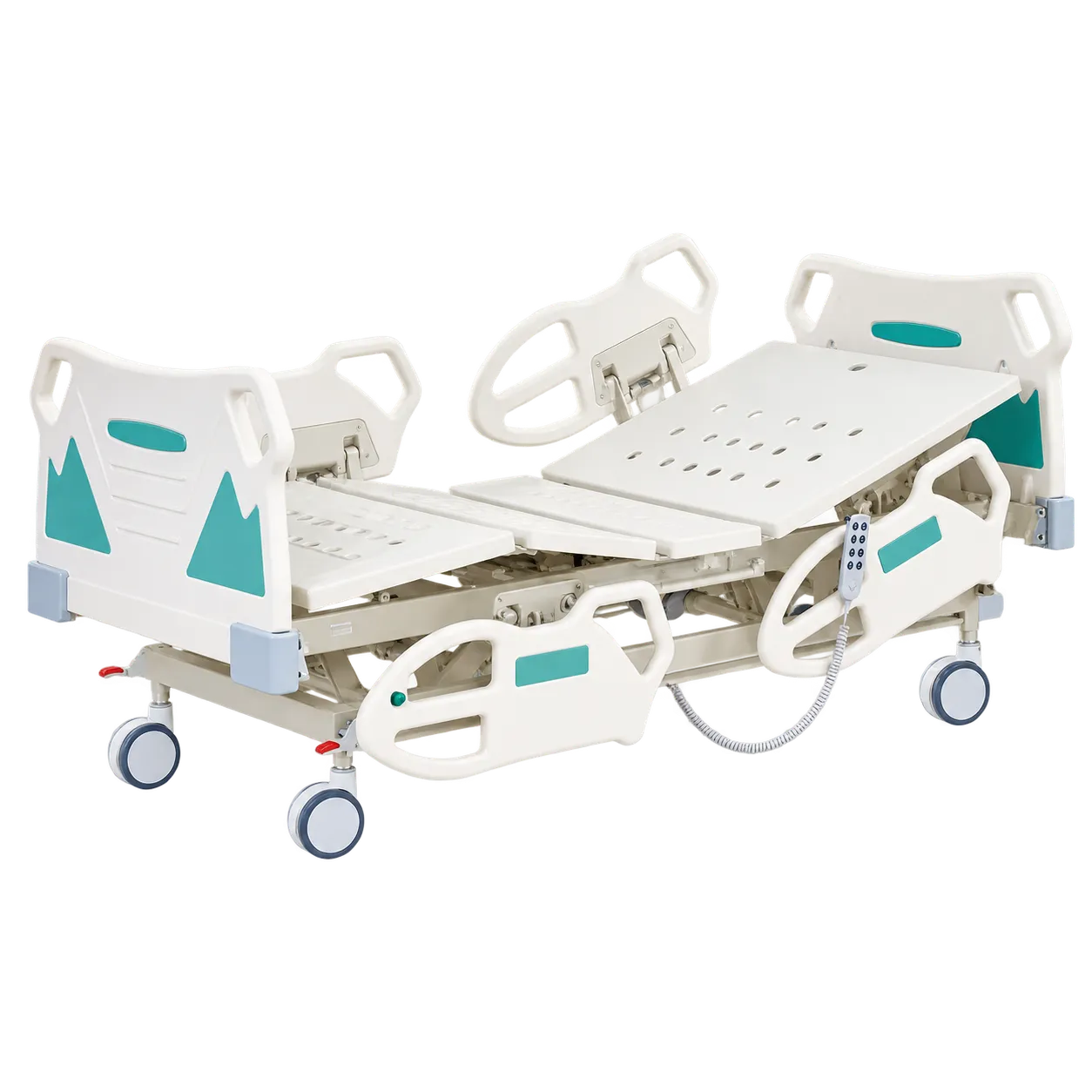
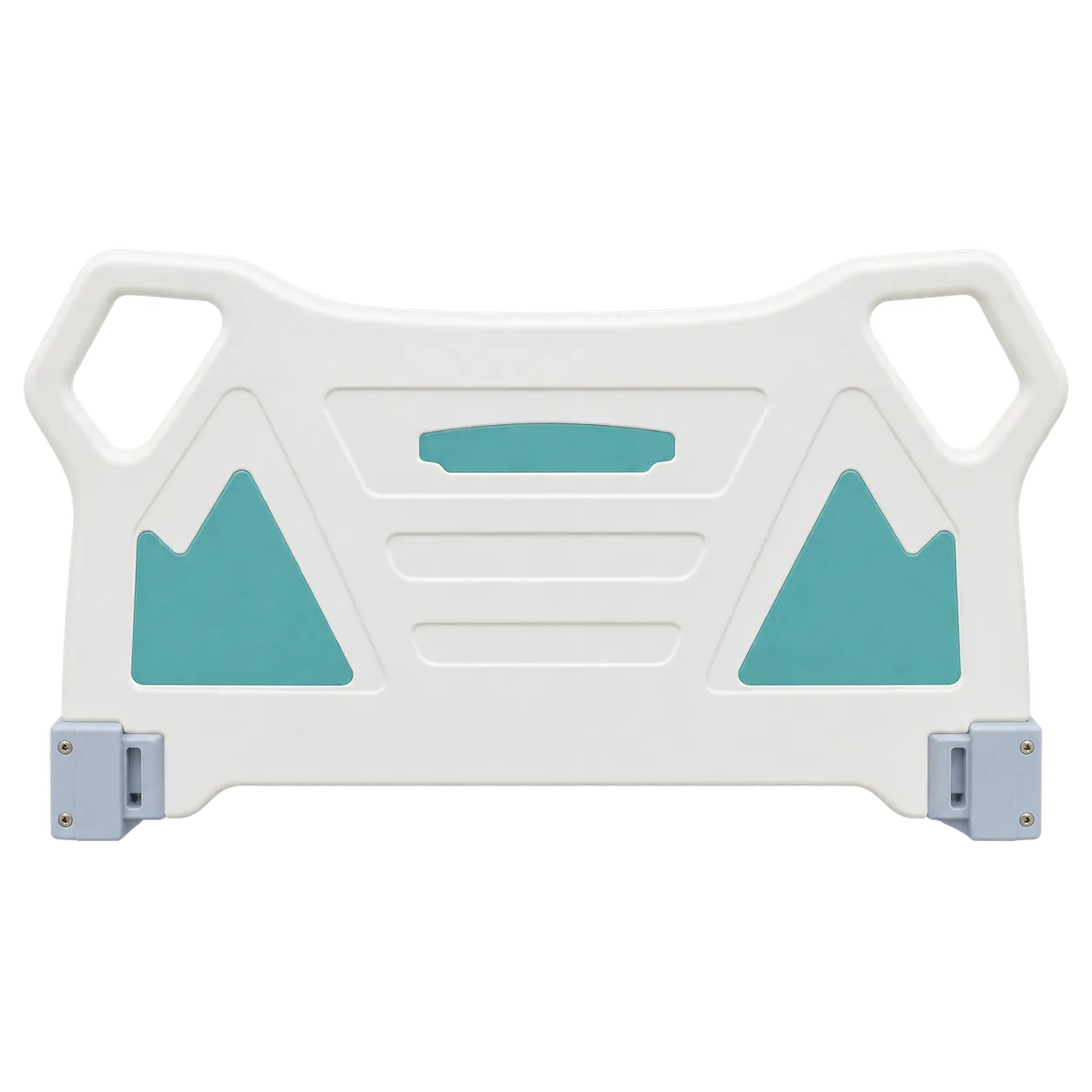
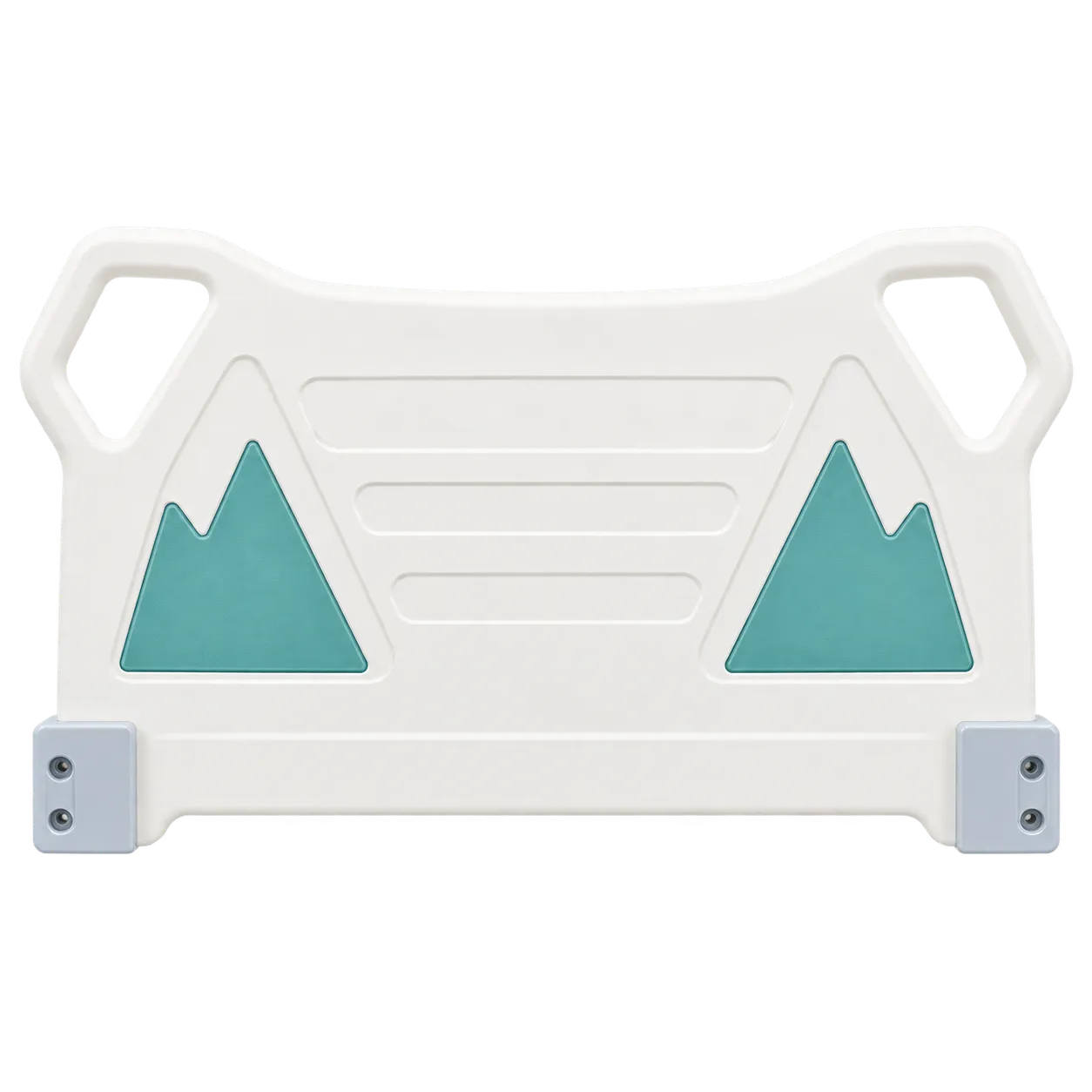
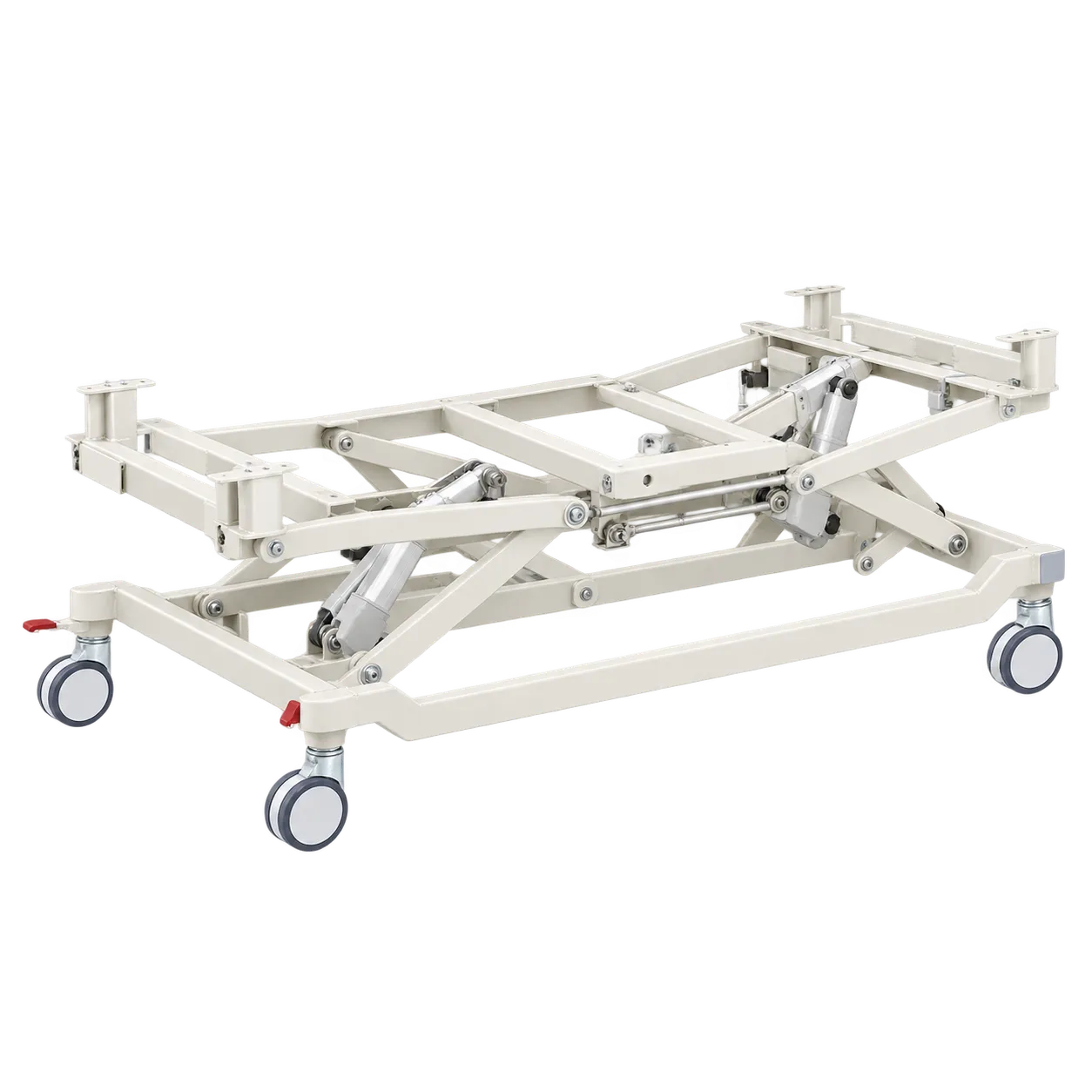
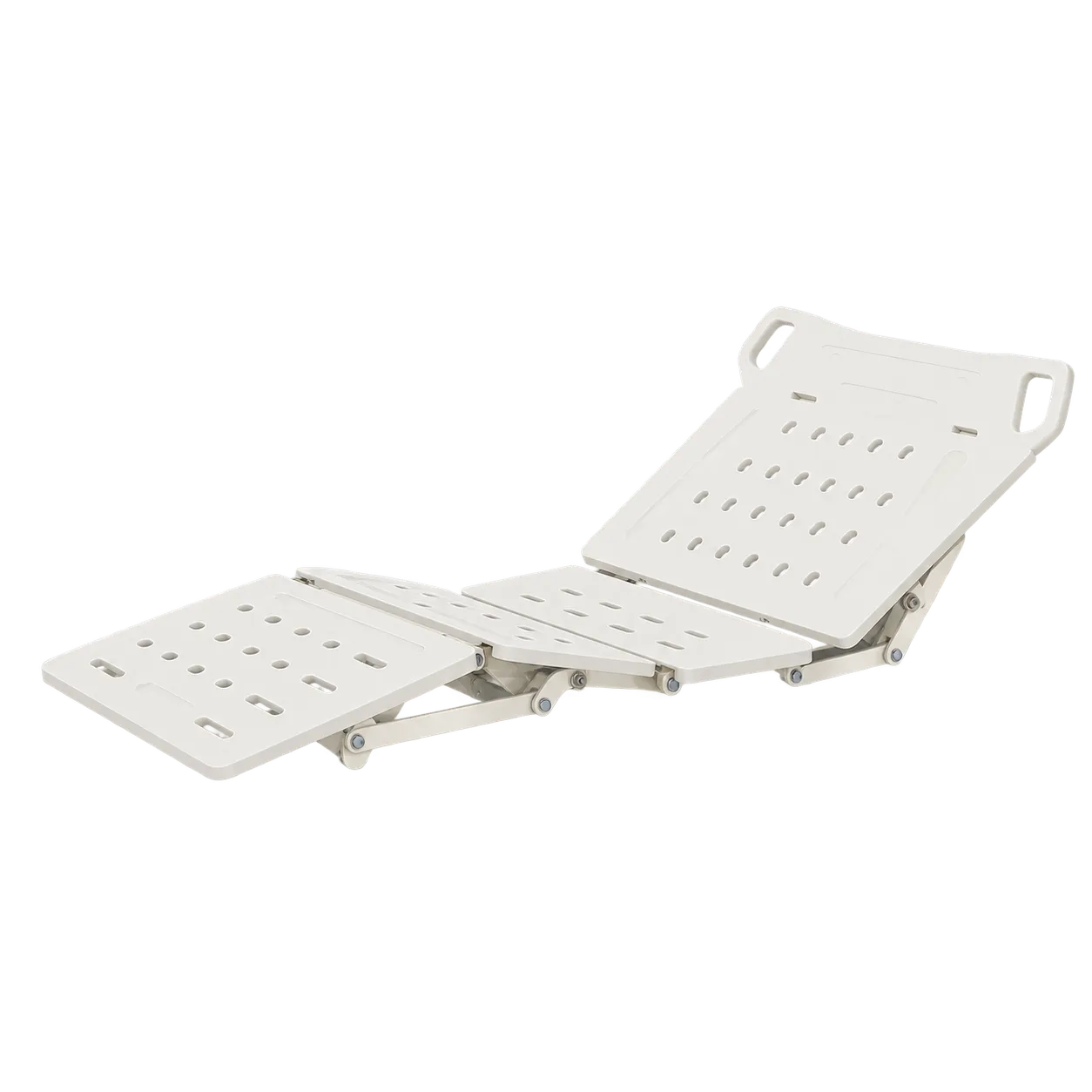
General medical and surgical wards, day-case units and short-stay areas are where a three-function bed on one handset fits best. Backrest and leg section cover sitting up for meals, breathing and visitors, with a linked movement for a comfortable seated posture, and height adjustment serves getting out of bed at 430 mm and working at 780 mm. Short stays make simple controls especially valuable.
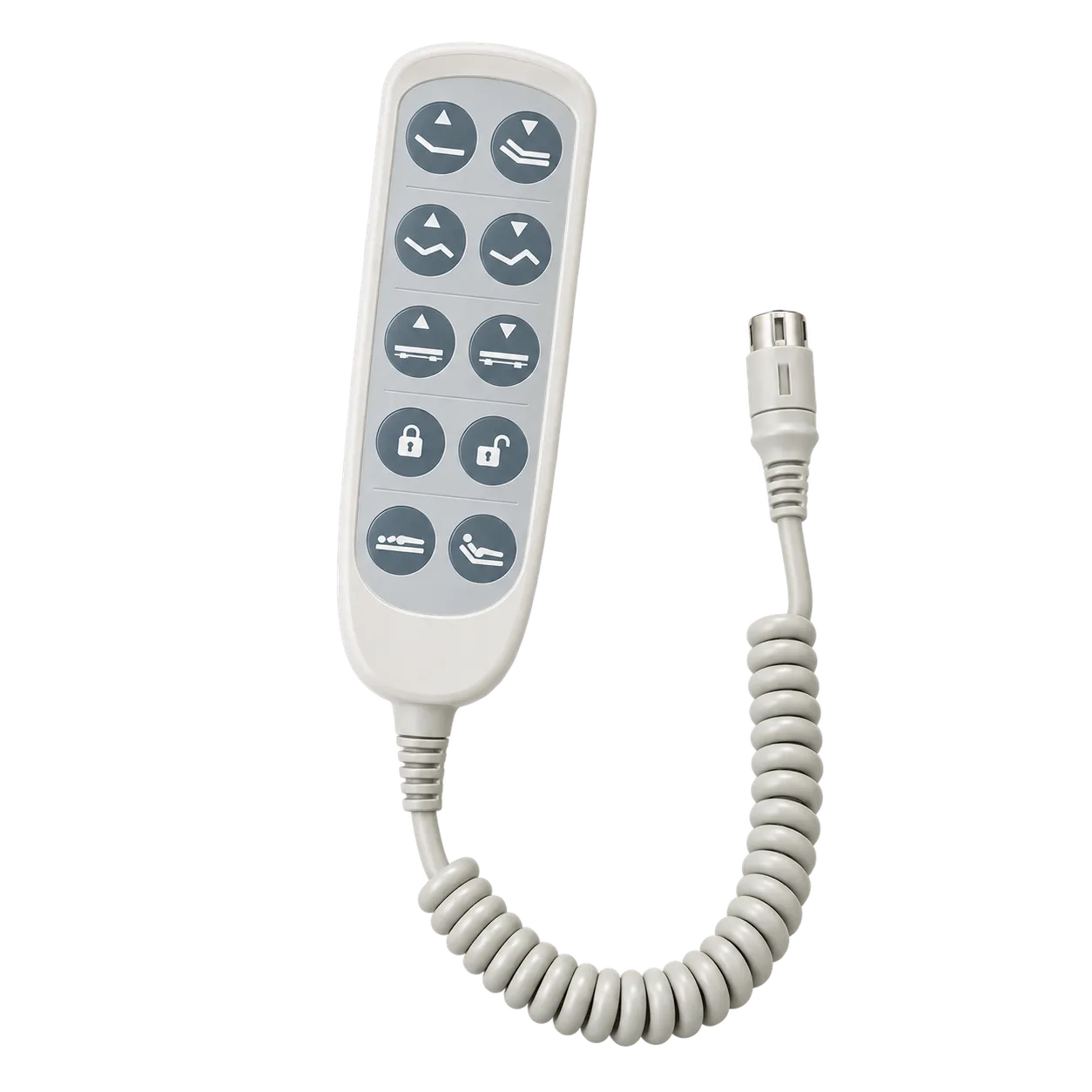
The single handset shapes how the bed is used. Staff set positions with it, and alert patients can keep it to adjust their own posture, which suits people recovering from procedures who are well enough to manage their own comfort. For patients who are confused or drowsy, the handset may need to be kept out of reach or locked, and that decision belongs in the care plan. Handset use can be reviewed at each shift handover.
Infection prevention and control is a daily concern. A handset handled by patients and staff is a high-touch surface, and on units with rapid turnover it needs cleaning between every patient, along with the rails and boards. Choosing a disinfectant the handset tolerates, and building handset cleaning into the turnaround checklist, keeps that consistent across shifts.
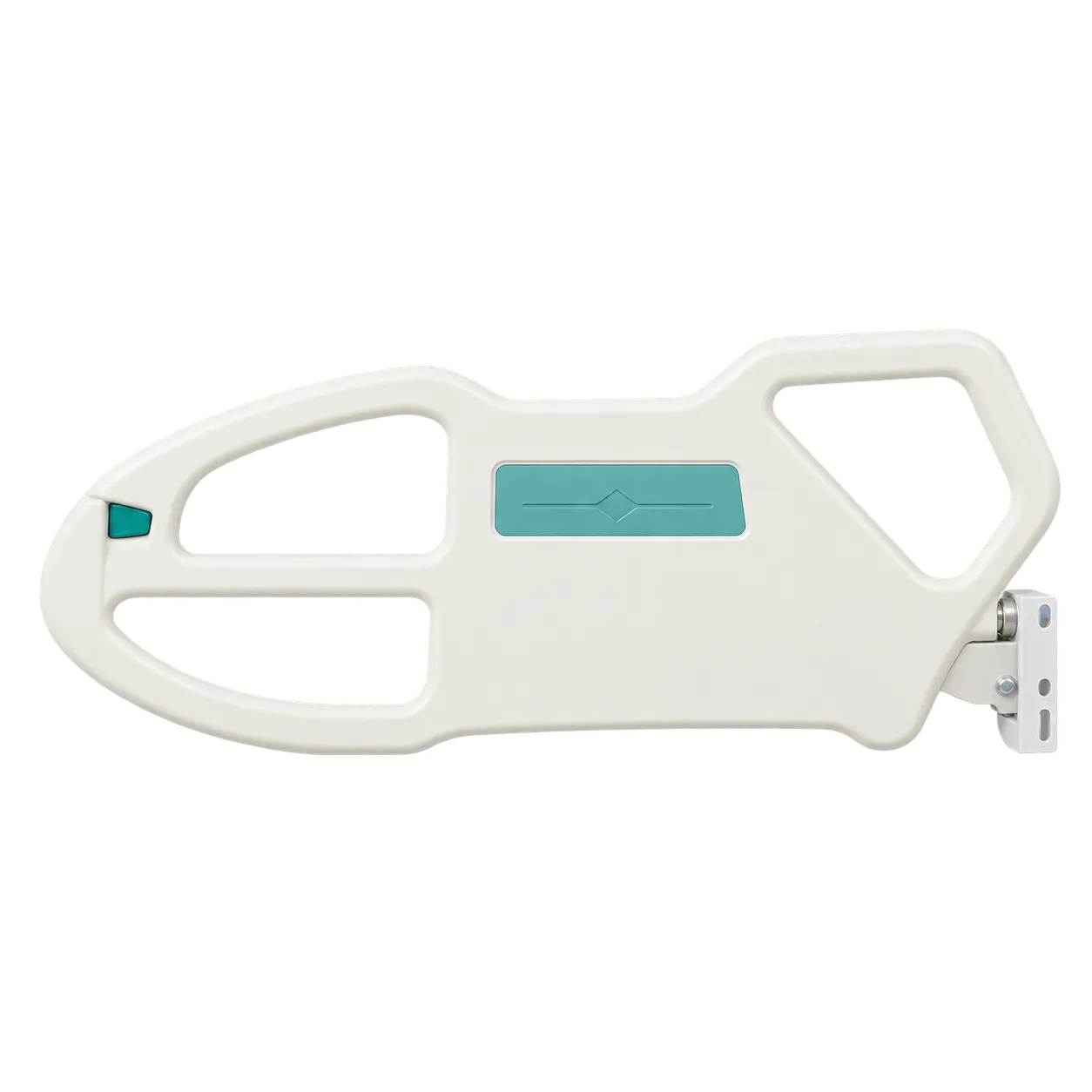
Resuscitation needs a plan before the bed is used, since no CPR arrangement is shown. The open oval rails need their own assessment against MHRA guidance with the mattress fitted, and the MHRA's 2023 National Patient Safety Alert asks providers to assess rails for each individual. The bed is not a specification for children, who fall under a separate standard. Procurement will ask for the legal manufacturer, the standard edition, rail test data and the CPR arrangement. The conformity documentation those procurement routes require is issued by the manufacturer and provided by the seller.