
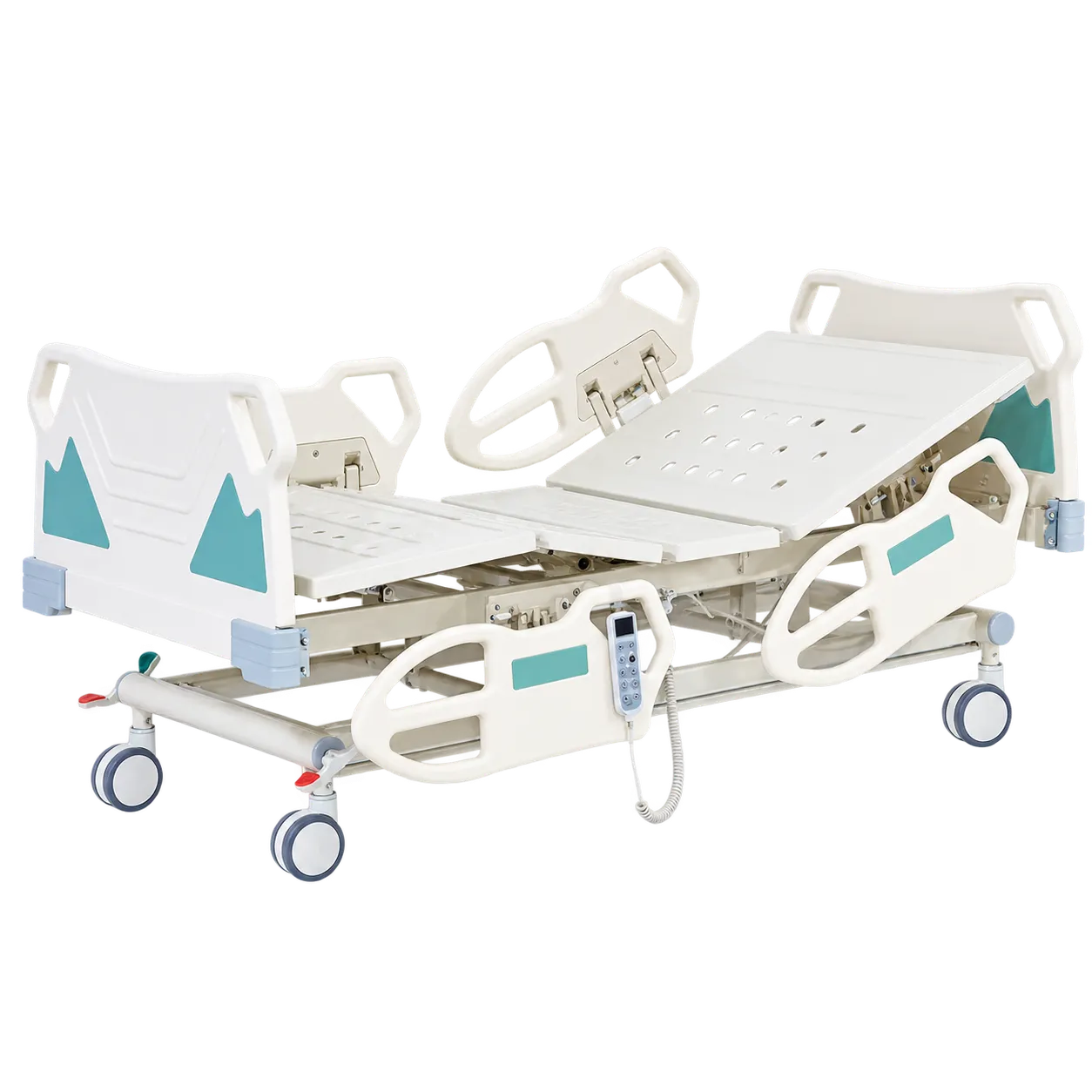
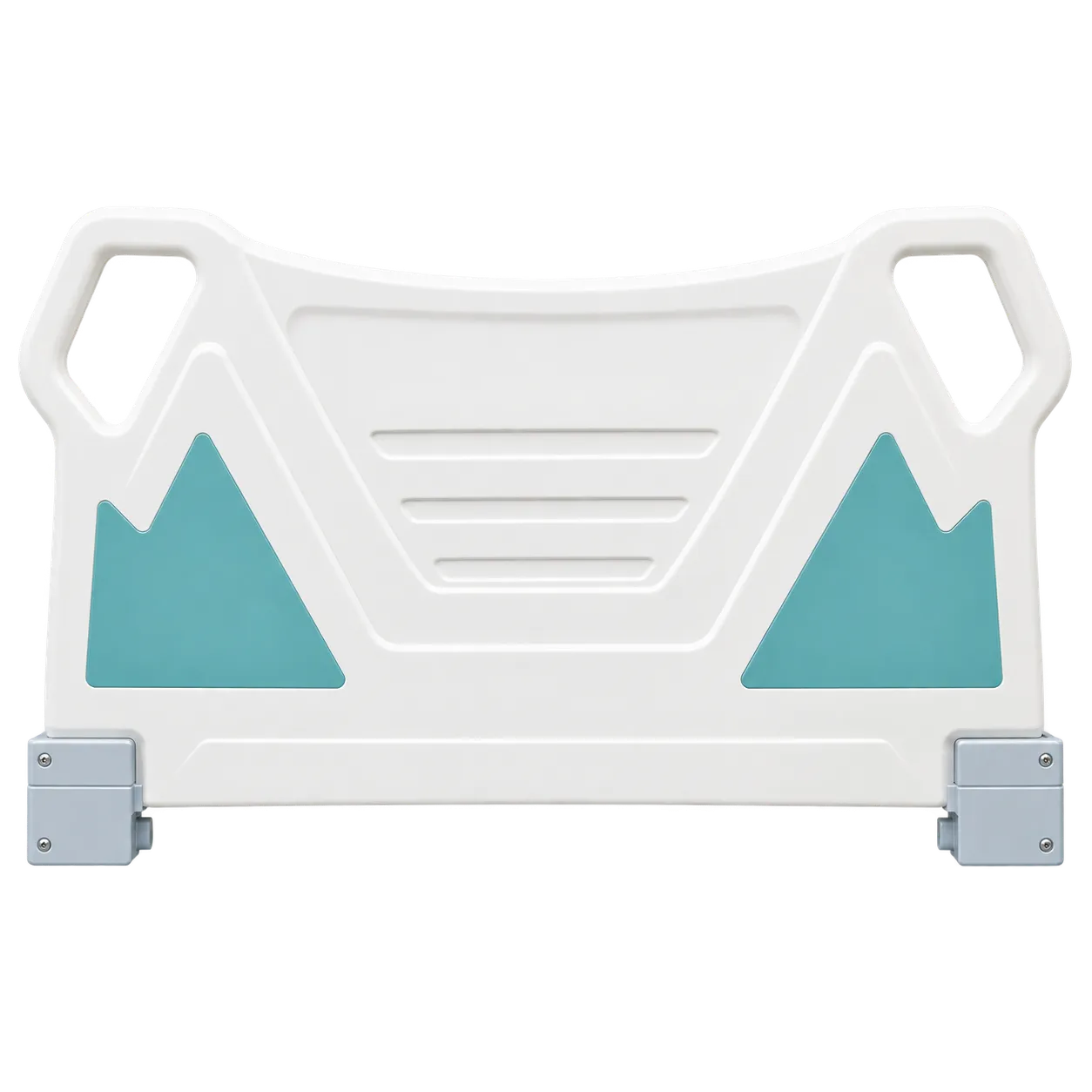
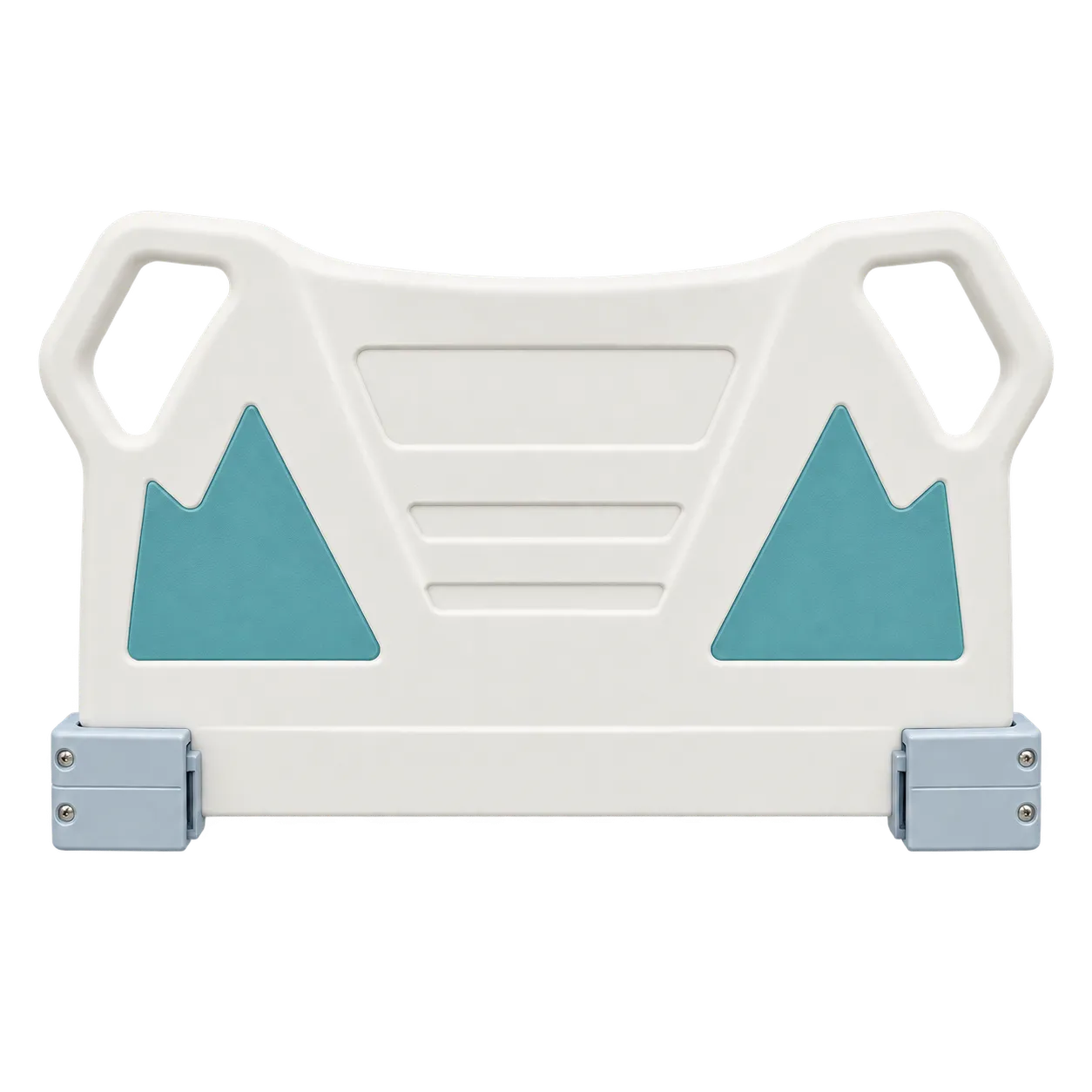
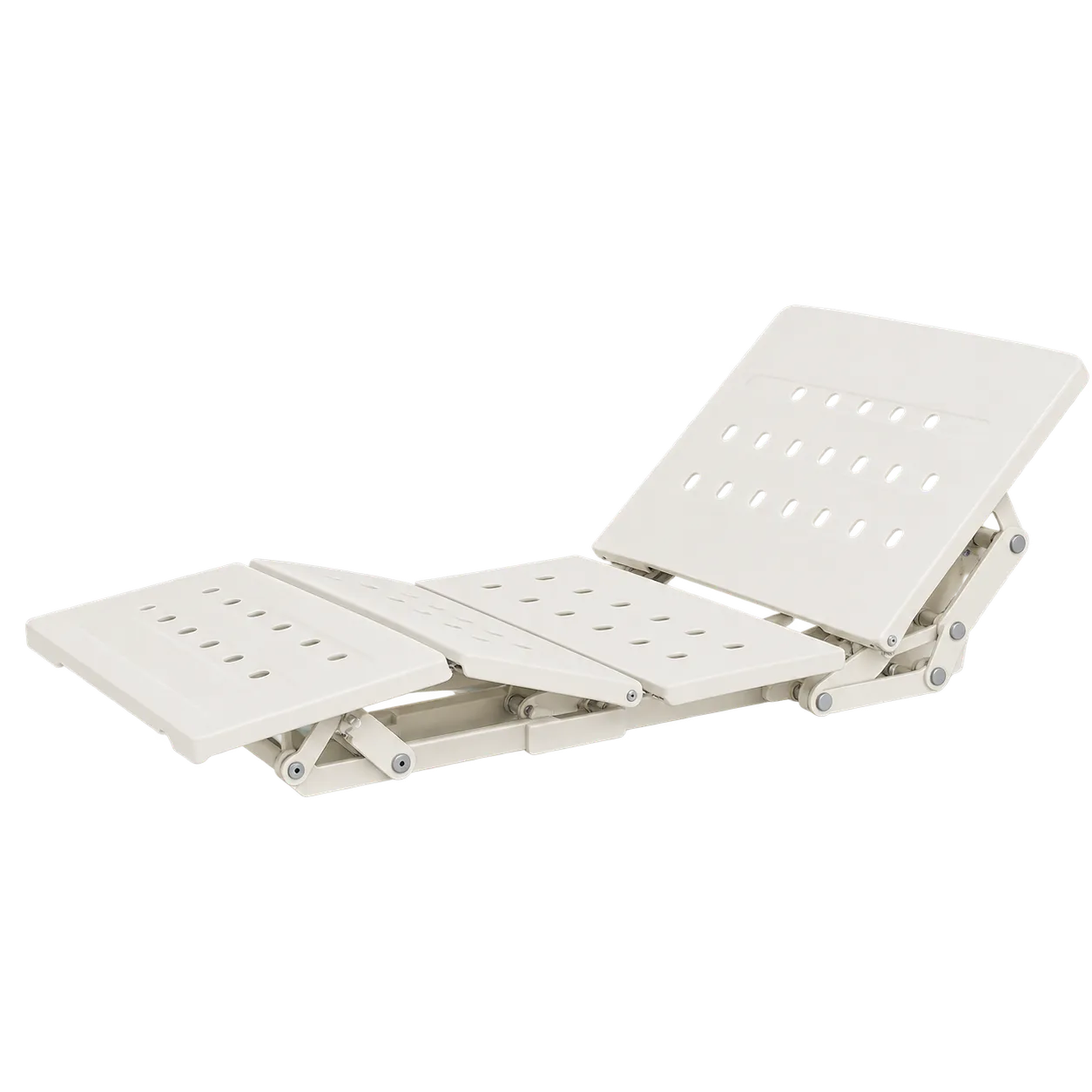
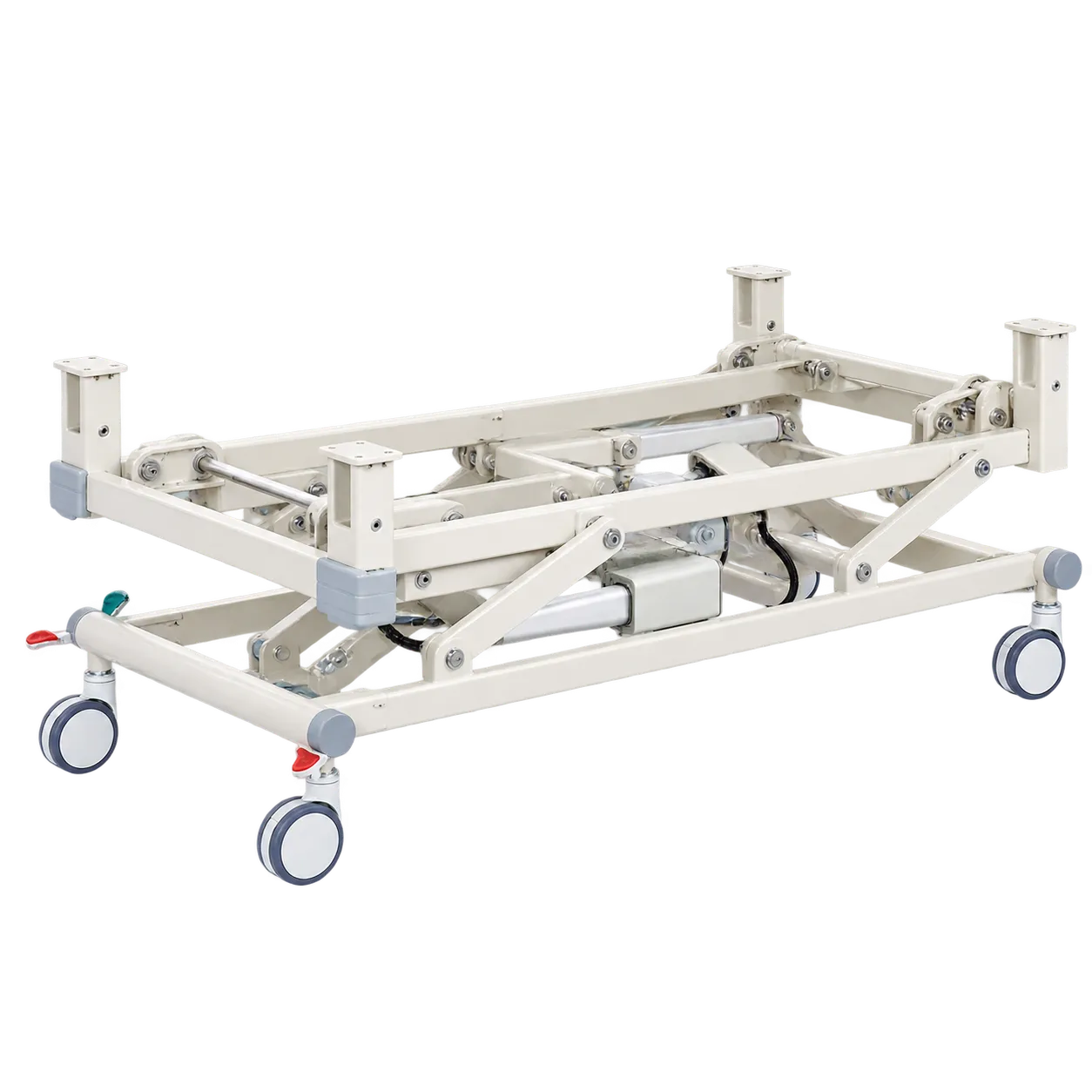
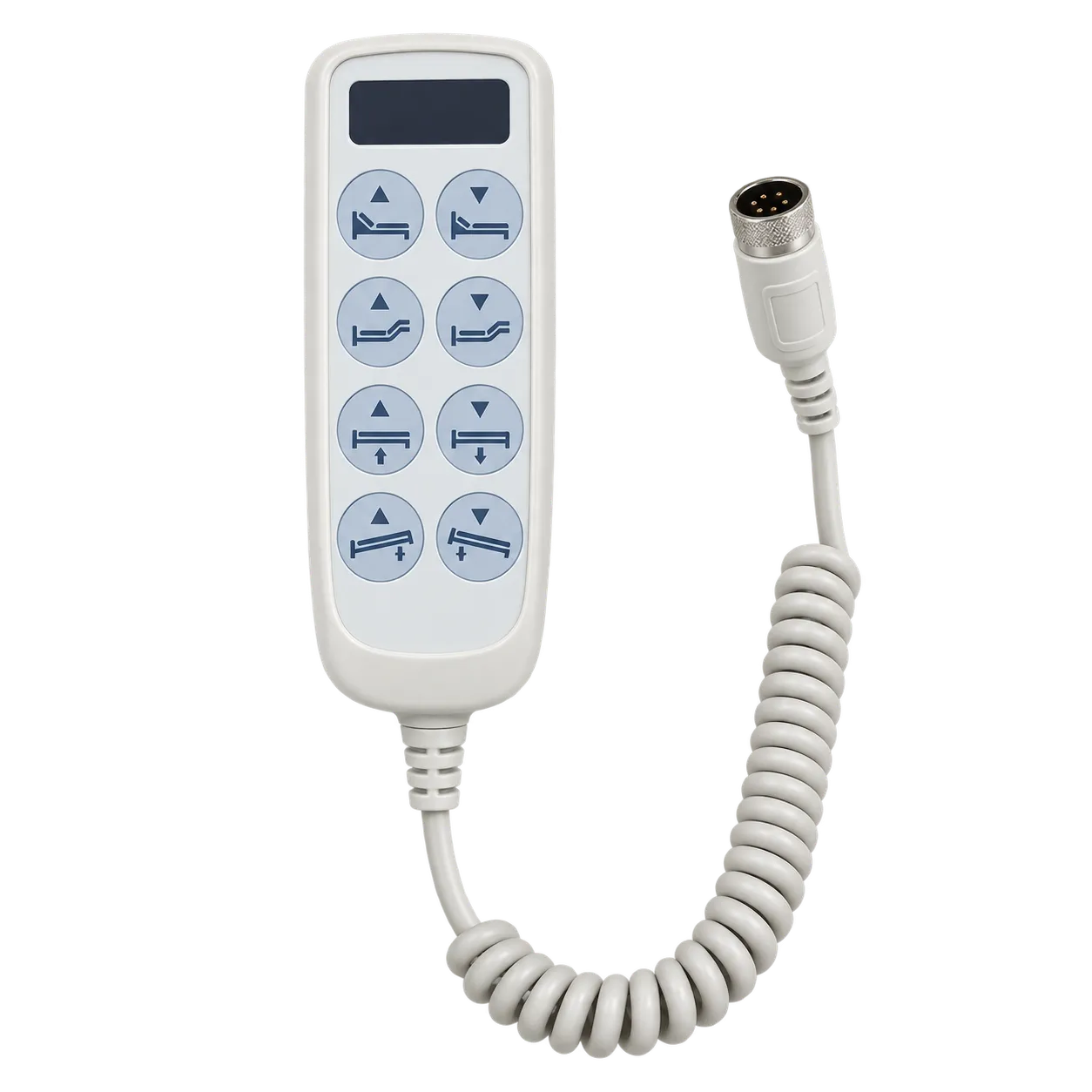
Acute medical and surgical wards, and high dependency areas that need tilt, are where a multi-function bed of this kind does its work. Backrest and leg section with linked movement cover sitting up for meals, breathing and visitors; whole-bed tilt in both directions supports procedures and positioning on clinical direction; and height adjustment serves getting out of bed and working height for care. The keypad at the board gives staff their own controls during procedures.
Power resilience is where the battery earns its place. During a mains failure, or while the bed is unplugged for cleaning or moving, a charged battery can keep selected functions working, and the manual CPR release works regardless. That value depends on the battery being charged, tested and replaced on time, which makes it a planned maintenance item, not a feature to forget once the bed is installed.
Fleet planning follows from the same point. A ward with many beds carrying batteries will be replacing some every year, so the replacement cost, UK availability and disposal route belong in the purchase decision. Recording each battery's fitting date on the asset register makes replacements predictable. Holding a small stock of spare batteries avoids beds being taken out of service while one is ordered.
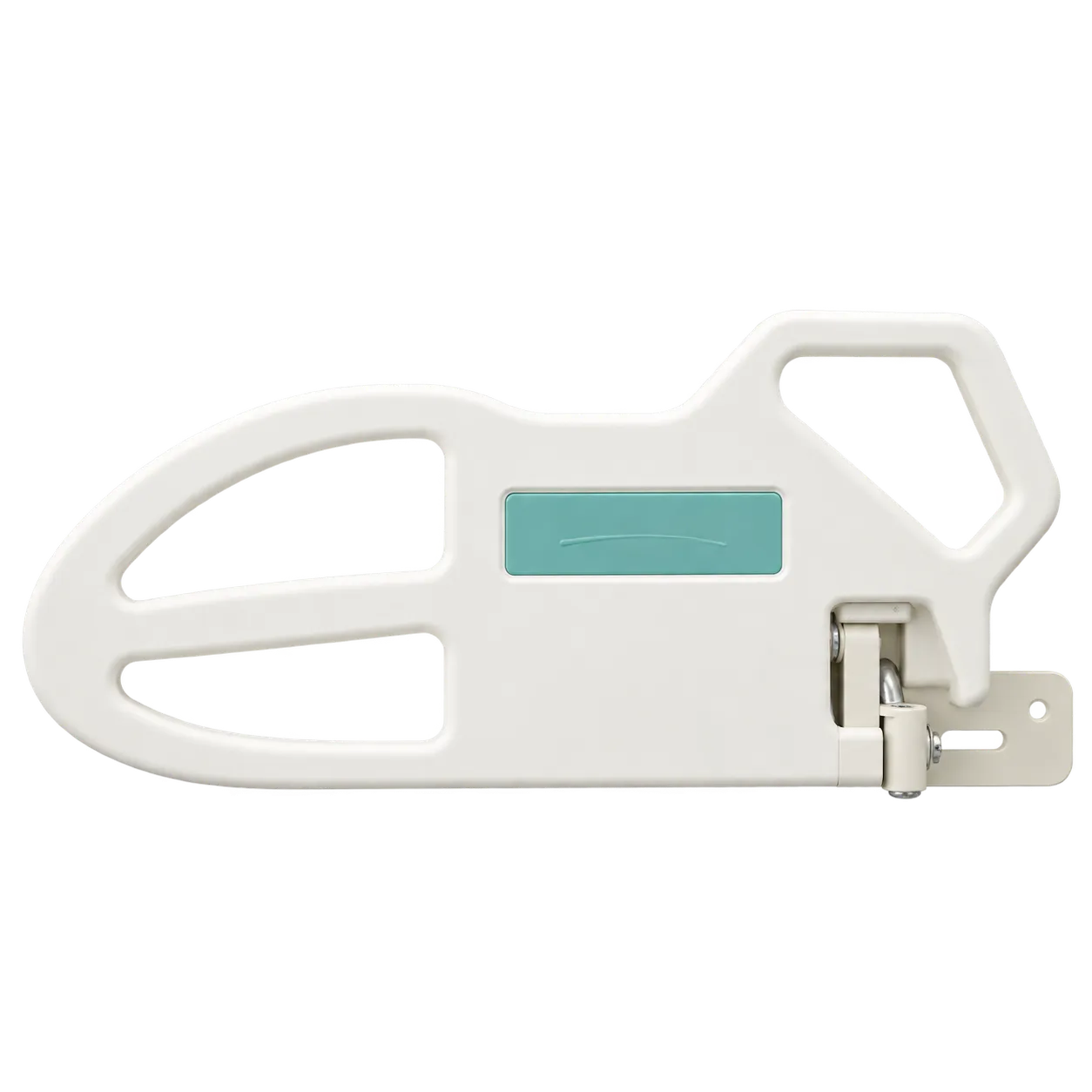
The open oval rails need their own assessment. Their large openings must be checked against MHRA guidance with the mattress fitted, and the MHRA's 2023 National Patient Safety Alert asks providers to assess rails for each individual. The bed is not a specification for children, who fall under a separate standard, and is unlikely to suit bariatric patients. Procurement will ask for the legal manufacturer, the standard edition, battery details and rail test data. The conformity documentation those procurement routes require is issued by the manufacturer and provided by the seller.