
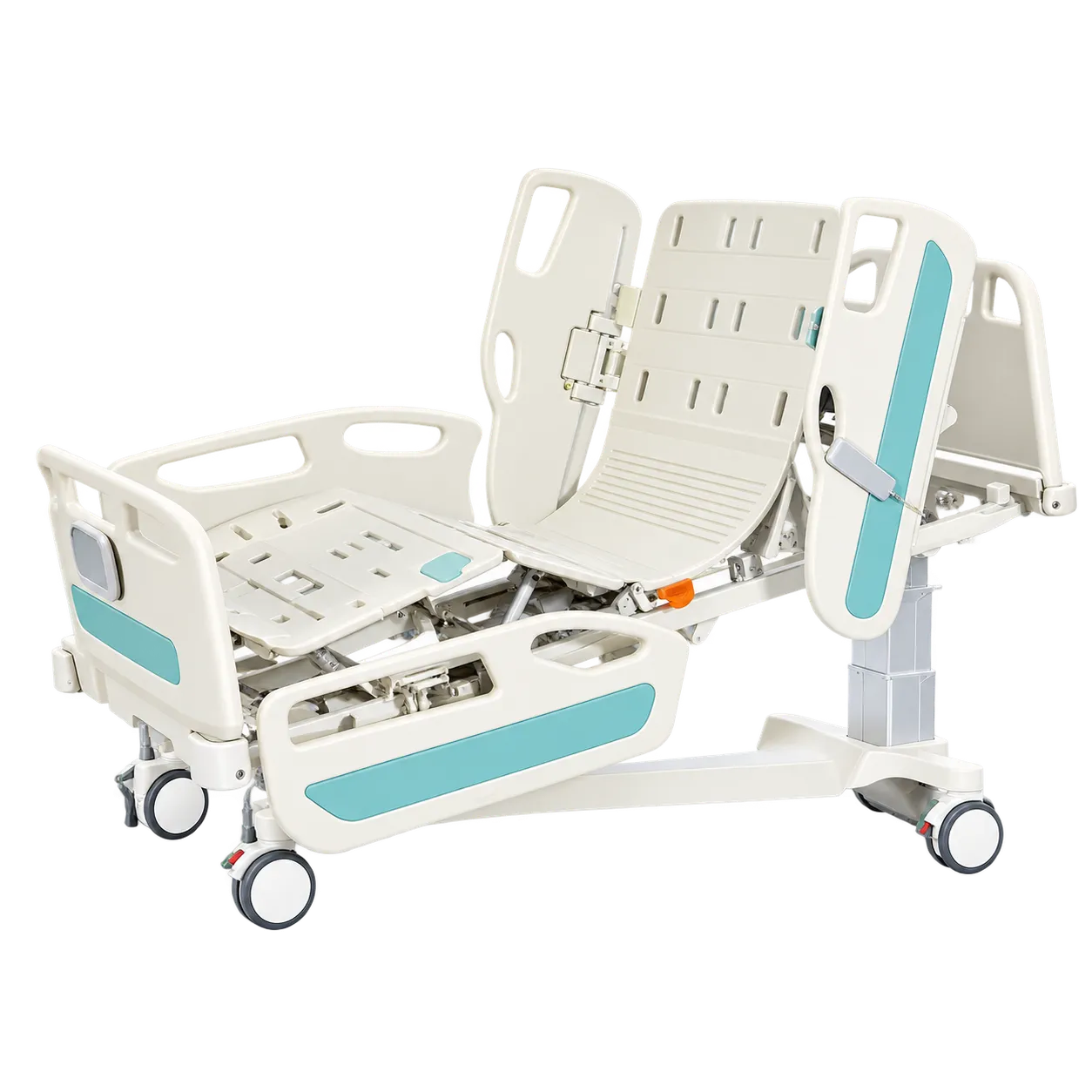
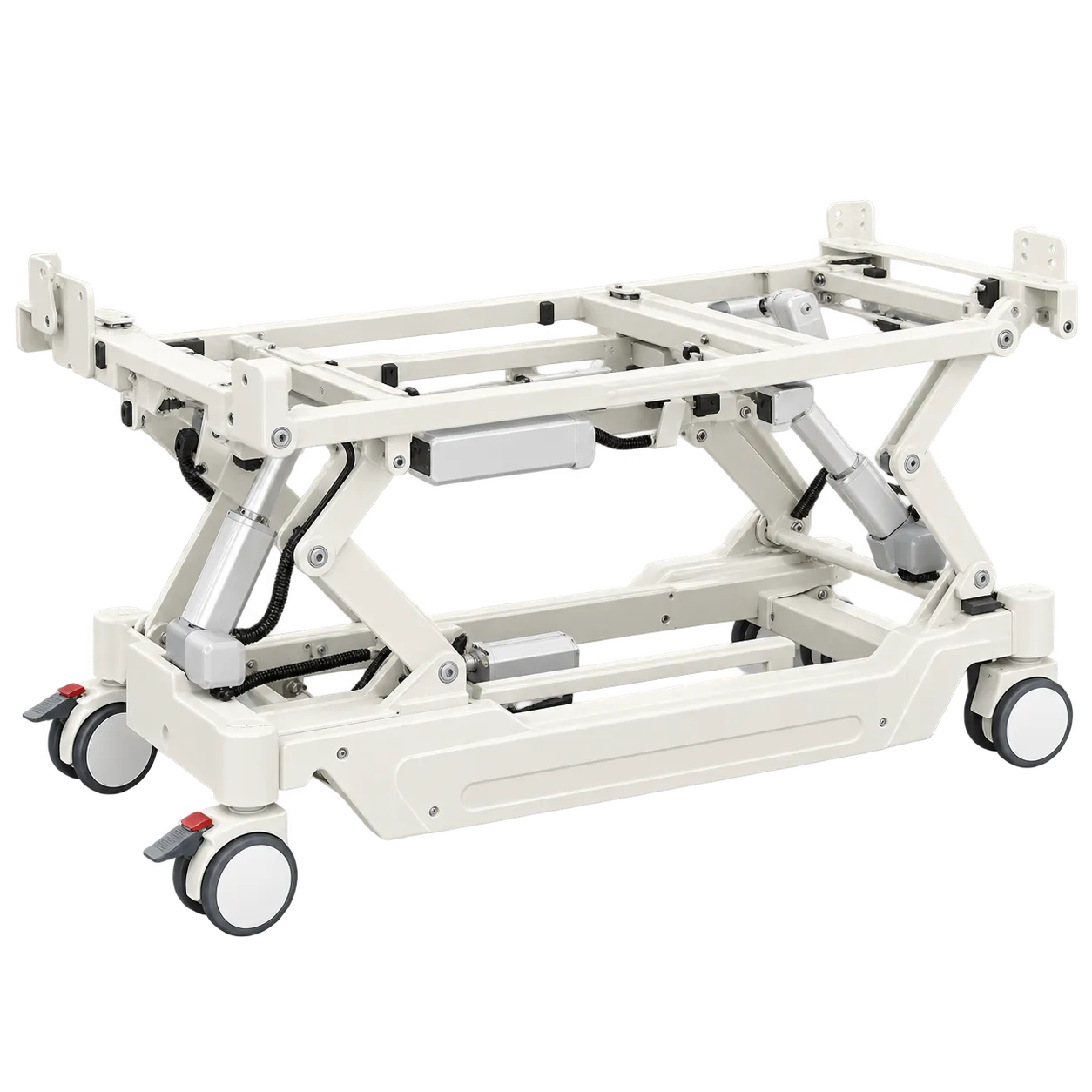
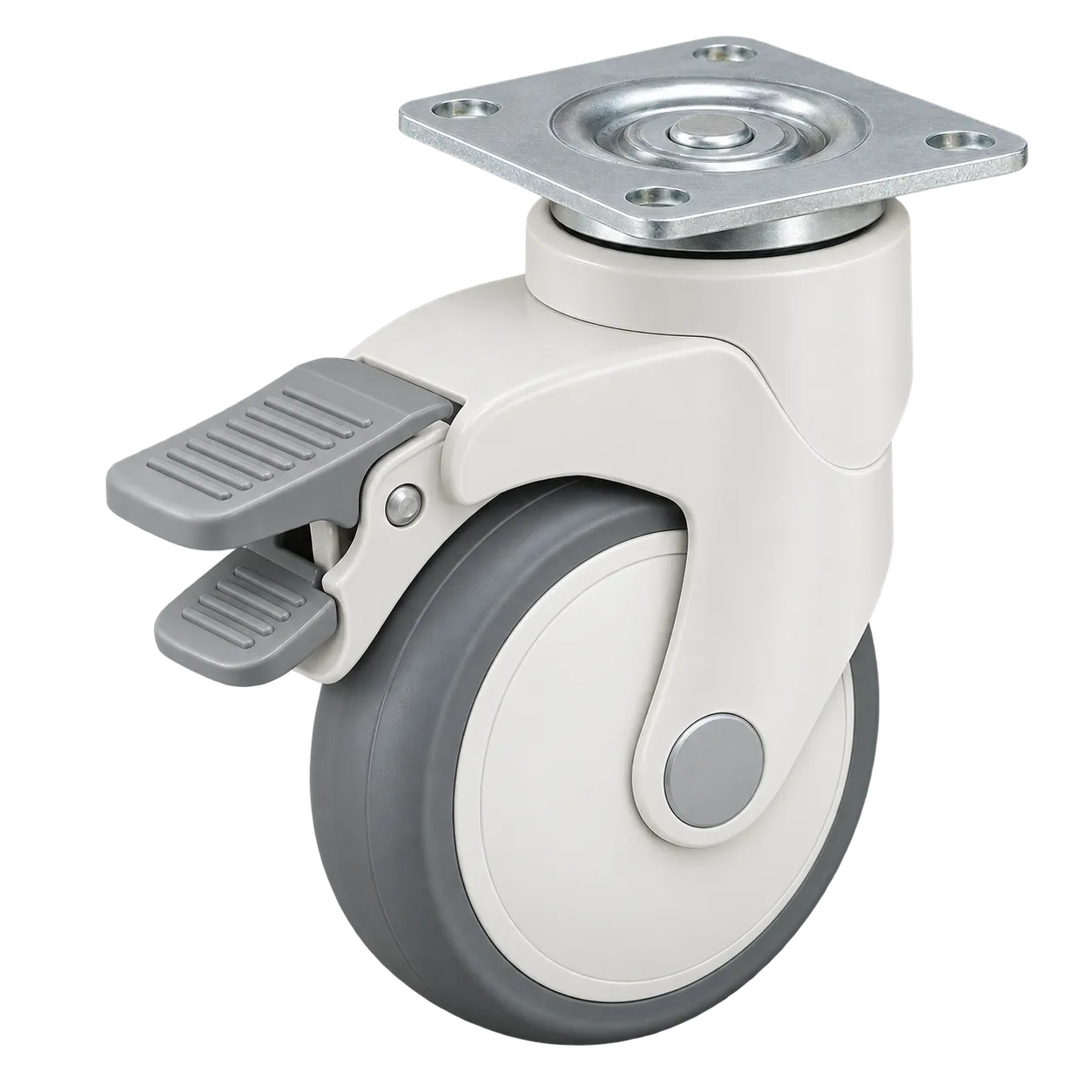
Critical care and high dependency units are where the named positions belong. Respiratory therapy positioning, lateral tilt for repositioning and personal care, Trendelenburg and reverse Trendelenburg for circulation and breathing, an examination position for procedures and an electric CPR zero position together describe a bed for patients under close monitoring.
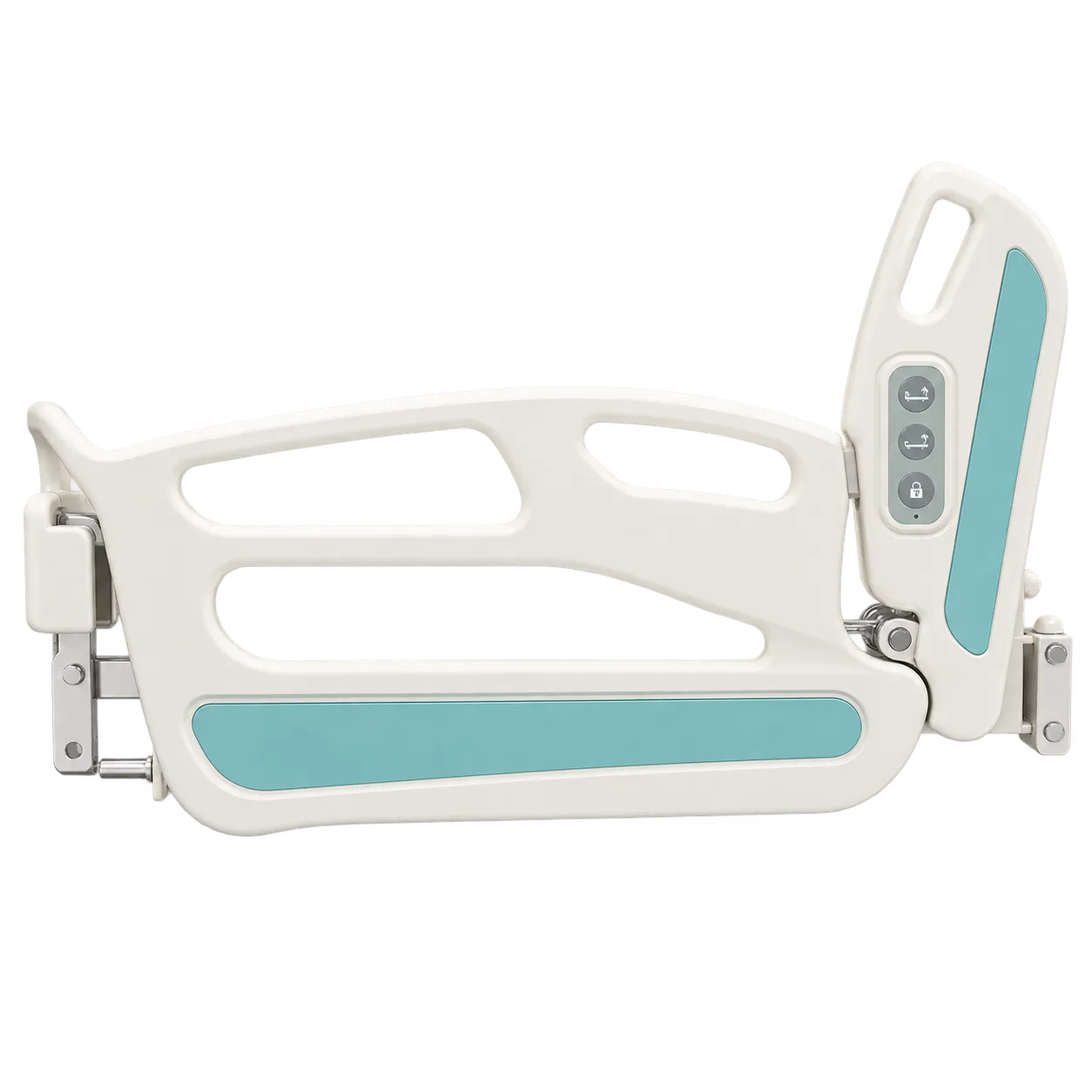
Surge and outbreak conditions test those positions hardest. When a hospital expands critical care into theatres, recovery areas or cohort bays, staff work in protective equipment, often in smaller numbers per patient, and every task takes longer. Lateral tilt helps repositioning with fewer hands, a named respiratory position lets any member of staff reach the same posture, and a named CPR position gives a defined route to a flat surface. Those benefits hold only if the CPR function works on battery, the tilt angles are known and the rail gaps have been assessed at them.
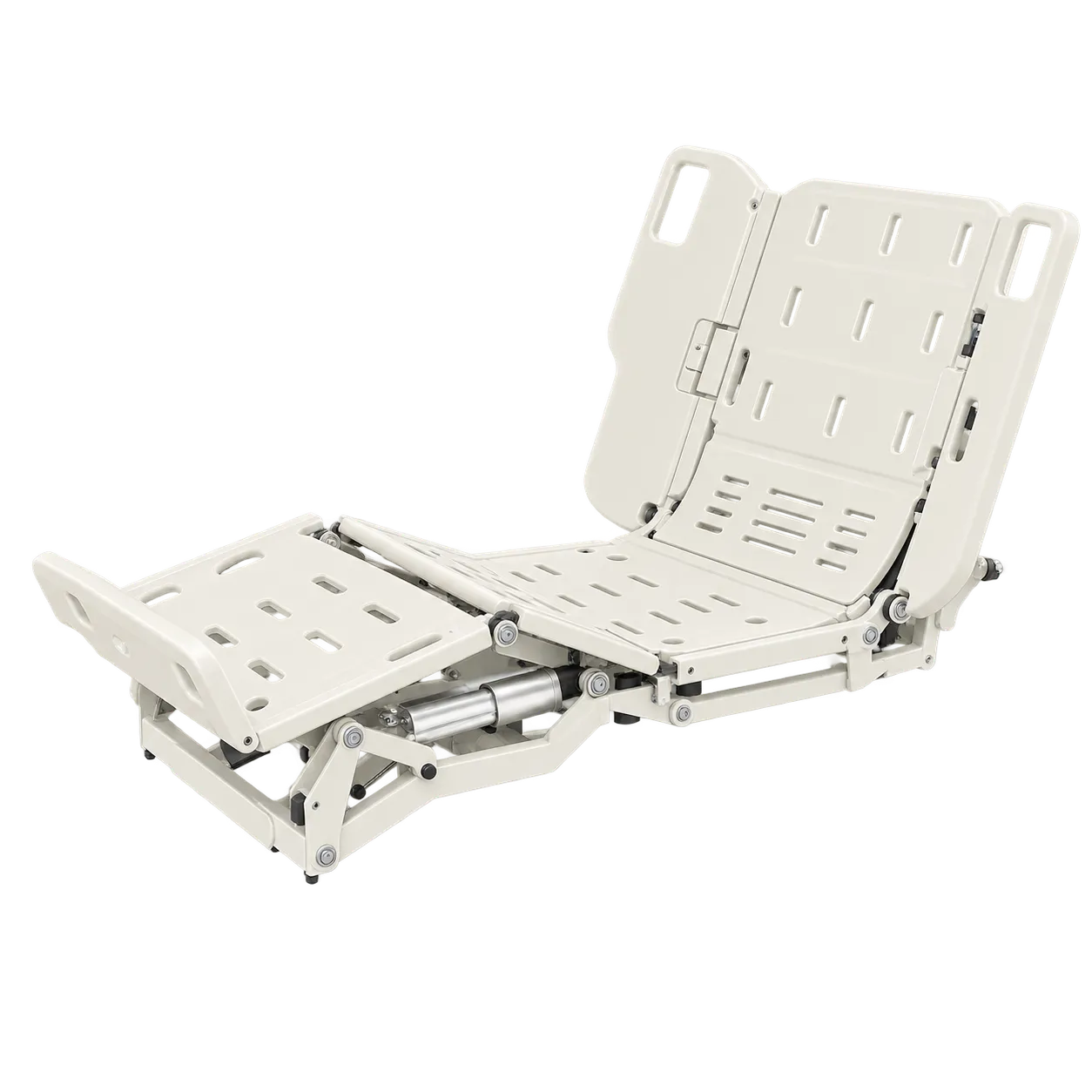
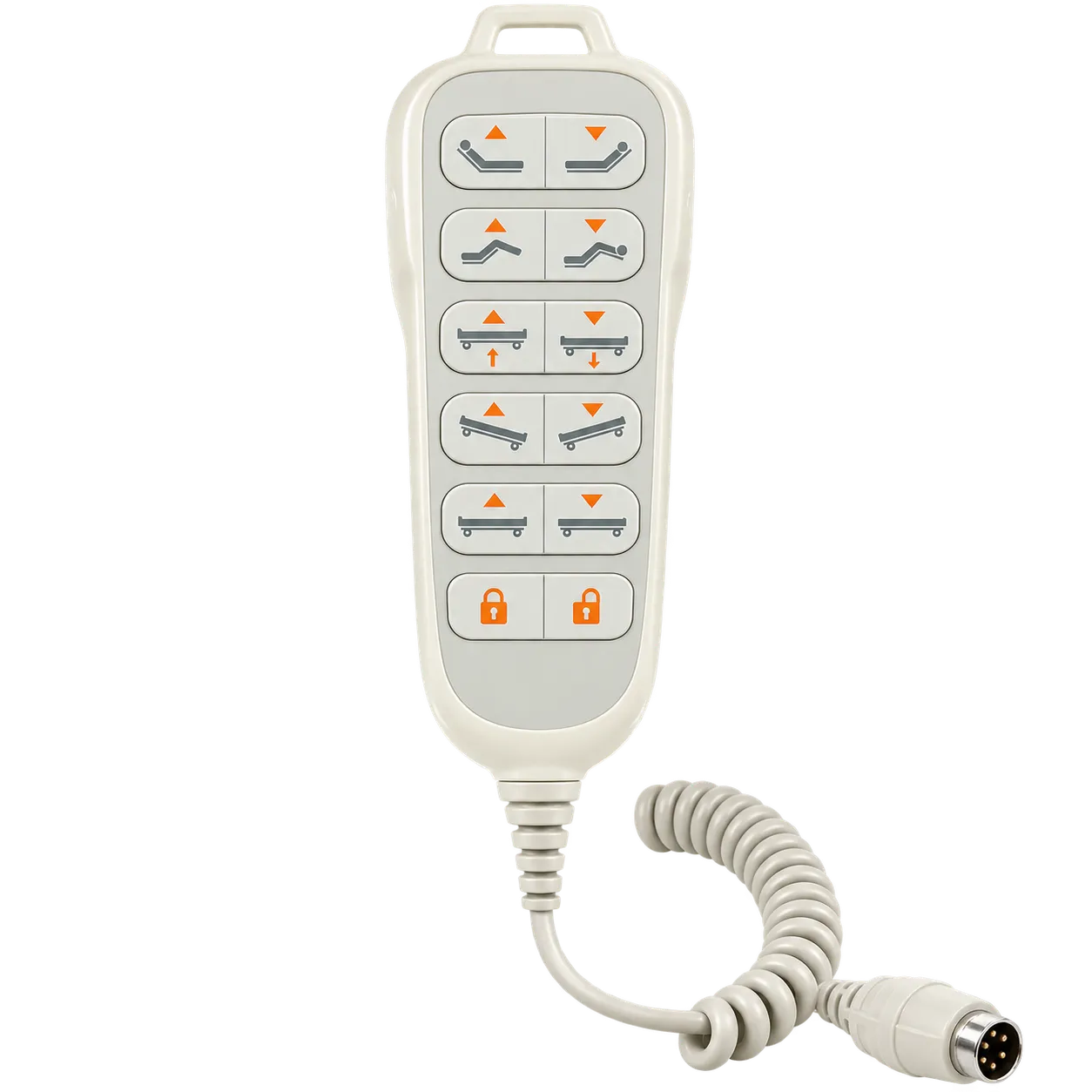
Cleaning is the other half of outbreak readiness. Terminal cleans between patients and higher-frequency cleaning during an outbreak mean the bed's slotted back section, rail keypads, handset, column and boards must tolerate the agents in use. The sheet publishes no cleaning guidance, so it is the first thing an infection prevention lead will ask for. Isolation room doorways should be measured against the 1070 mm width before a surge begins.
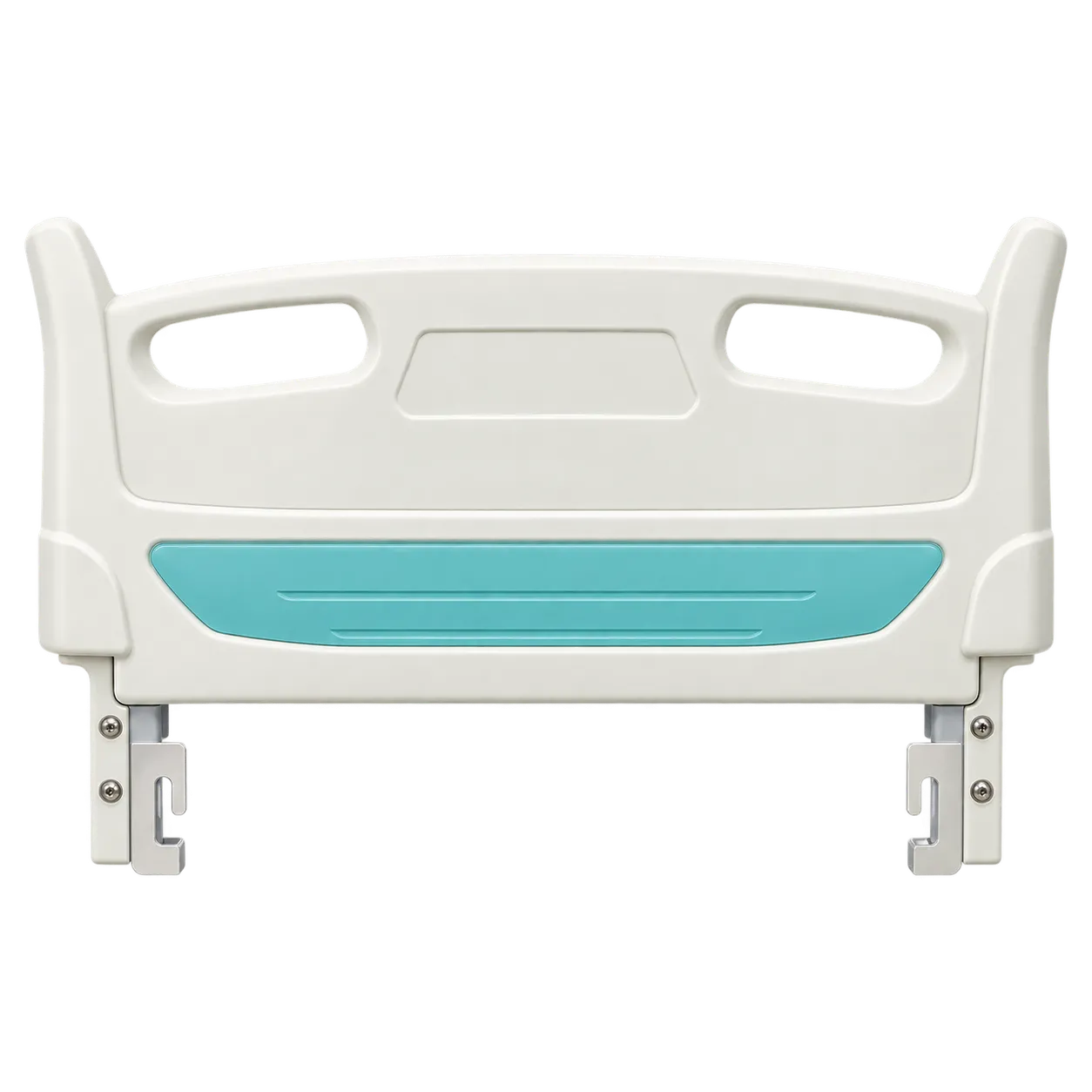
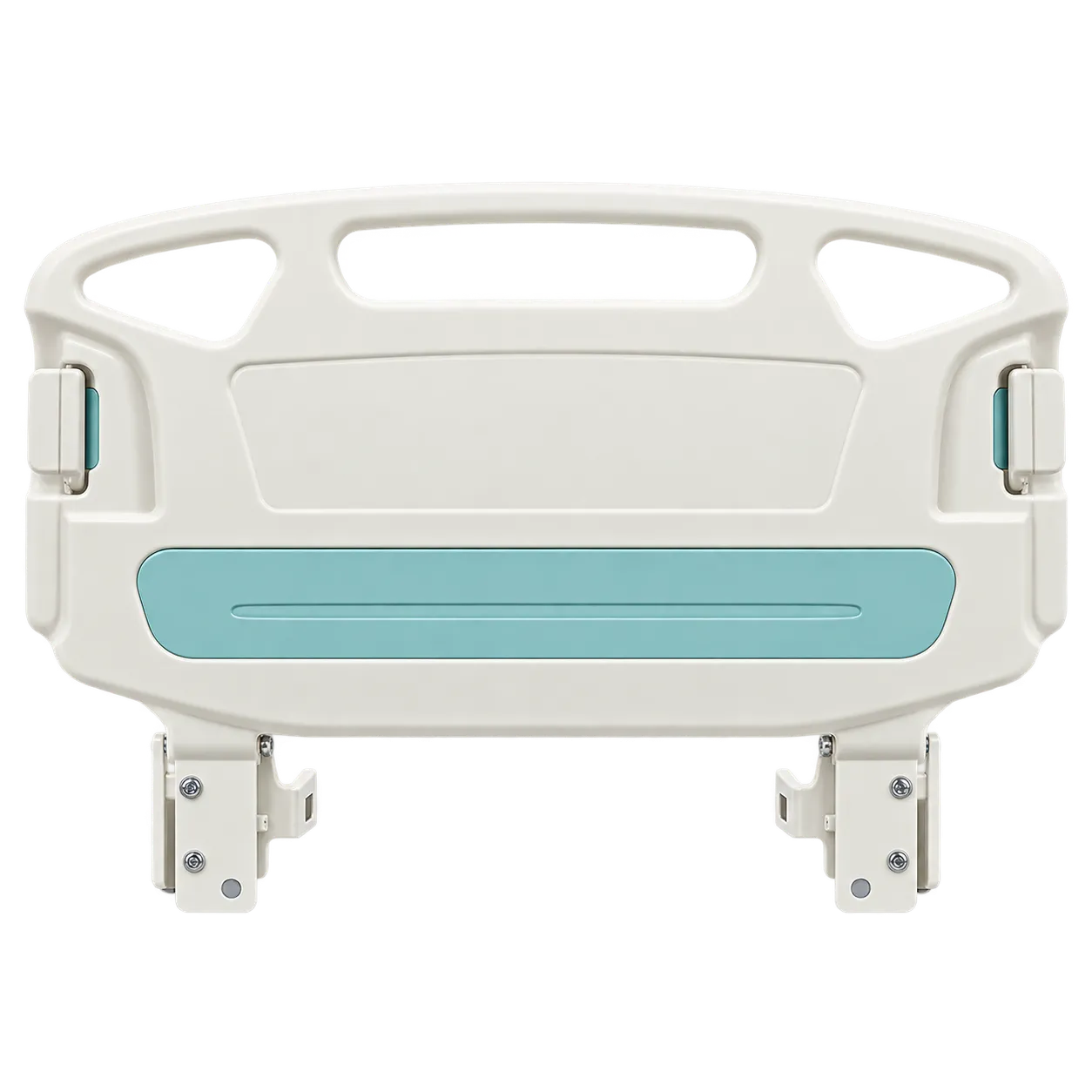
The bed is not a specification for children, and with a lowest height of 550 mm it does not suit patients whose main risk is falling from bed. Its rails and tilt bring the MHRA's 2023 National Patient Safety Alert on entrapment and falls into every allocation. Procurement routes will ask for the legal manufacturer, the standard edition, the safe working load and the rail gap data. The conformity documentation those procurement routes require is issued by the manufacturer and provided by the seller.