

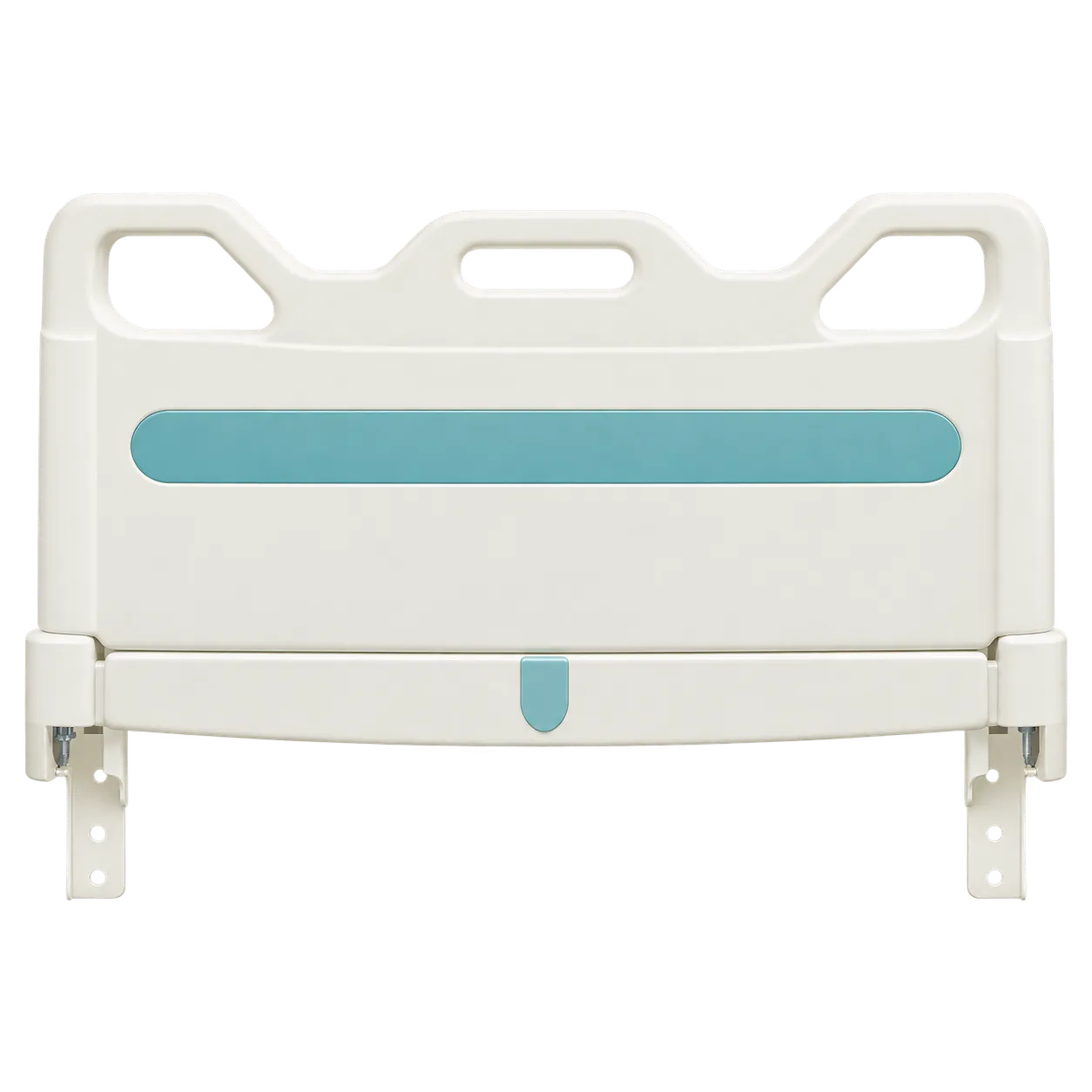
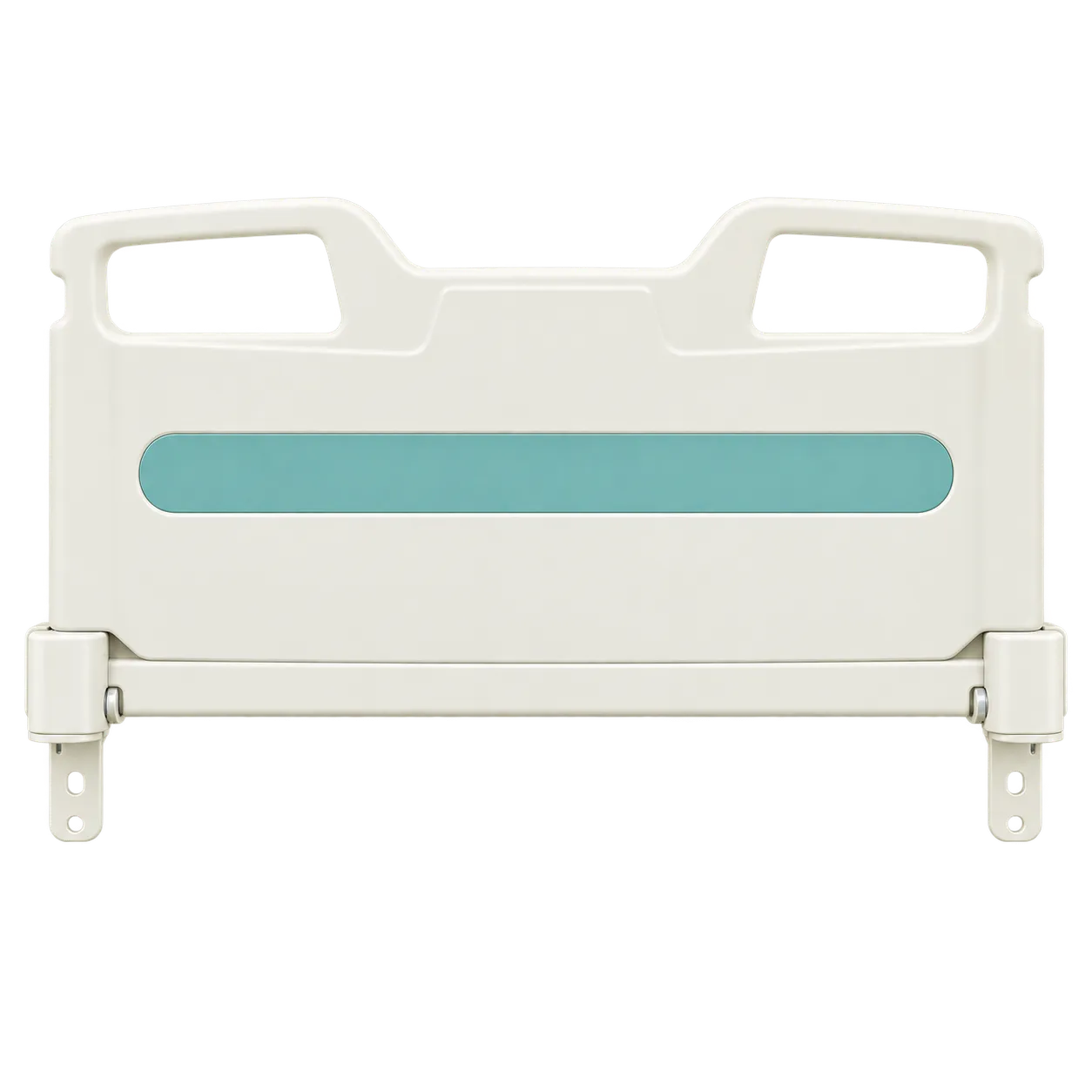
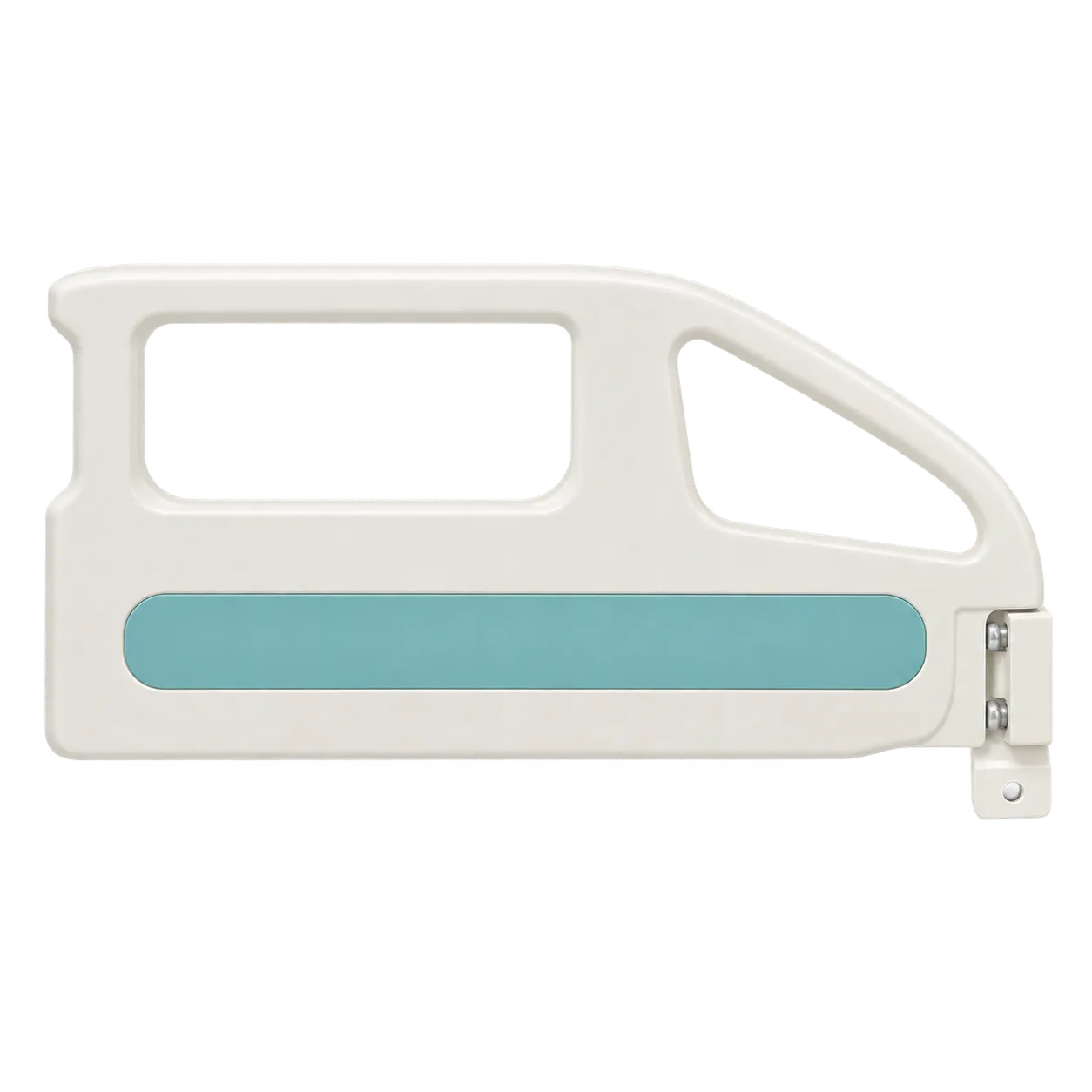


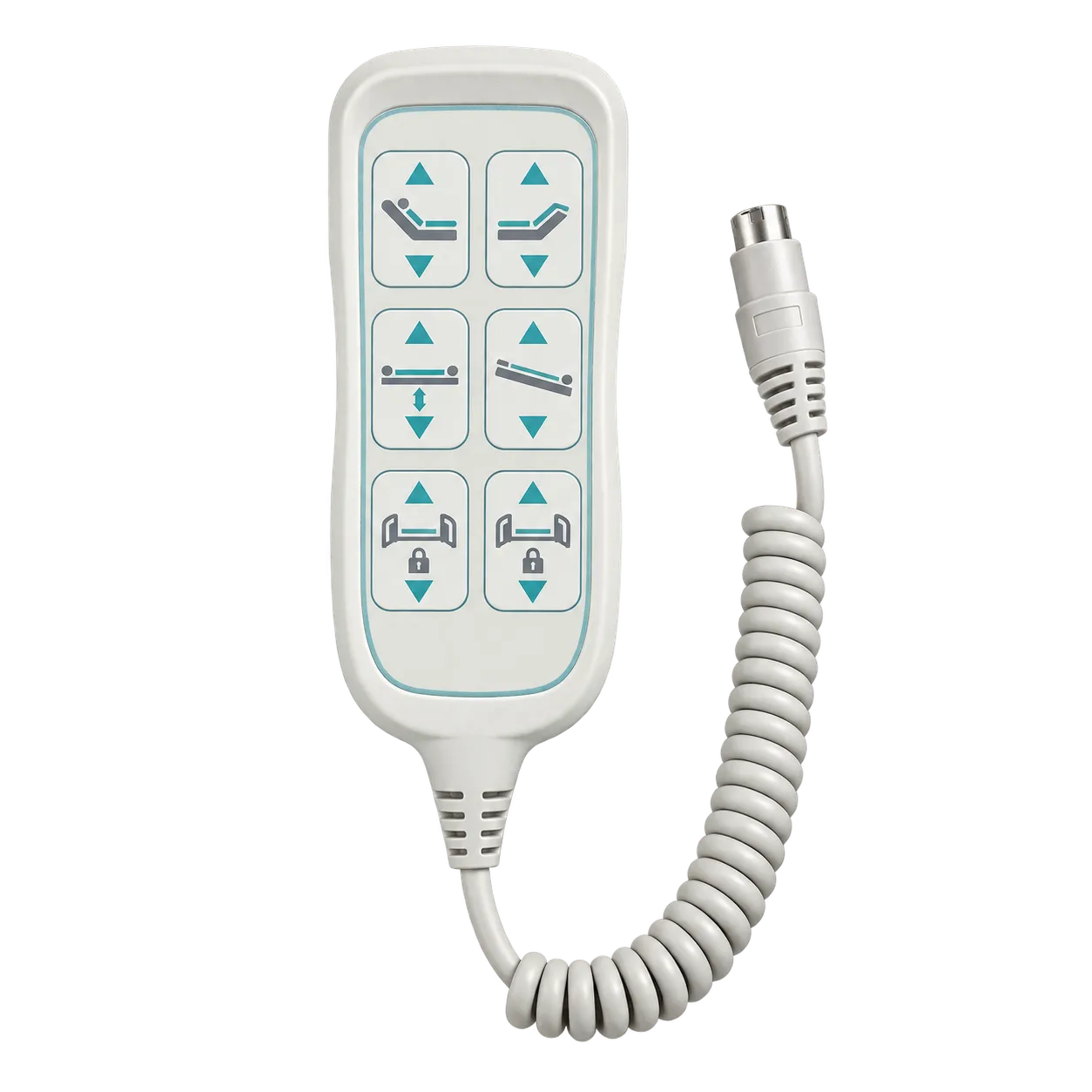
General medical, surgical and elderly care wards are where a three-function bed does its everyday work: sitting patients up, supporting the knees, and bringing the bed down for getting out or up for care. What makes this bed a capacity decision as much as a clinical one is that wards buy beds like it in groups, to replace a tranche of an ageing fleet, to open escalation beds for the winter, or to cover closures during an outbreak.
Escalation and surge areas depend on beds arriving on time and working from the first shift. A batch that lands after the peak has missed its purpose, and a batch whose units differ in handset or control box doubles the training and splits the spares. Settling lead time and component continuity before the order is what makes the purchase useful when demand rises.
Step-down, discharge lounge overflow and community hospital wards use the same kind of bed at lower intensity, where the priority is reliability and a short repair turnaround. A bed waiting for a part is lost capacity, so spares holding and repair terms belong in the purchasing decision, not after it.
The 420 mm low point suits patients who need to sit with feet on the floor before standing, and the 770 mm top is modest for hands-on care. The bed is not a specification for children, who fall under a separate standard, and its rails bring the MHRA's 2023 National Patient Safety Alert on entrapment and falls into every allocation, including small-stature adults. Procurement routes will ask for the legal manufacturer, the standard edition, the safe working load and rail gap data before a batch is approved. The conformity documentation those procurement routes require is issued by the manufacturer and provided by the seller.