
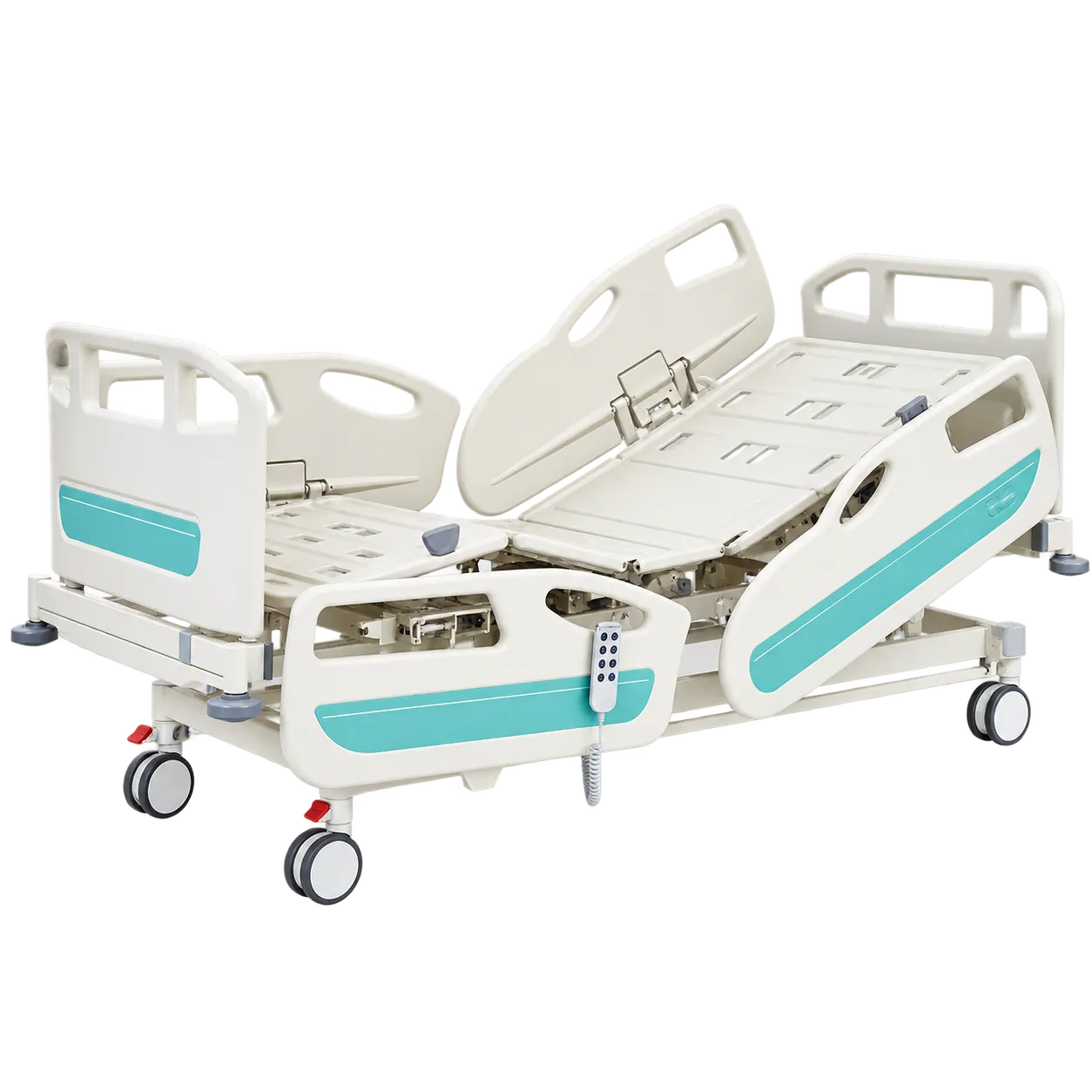
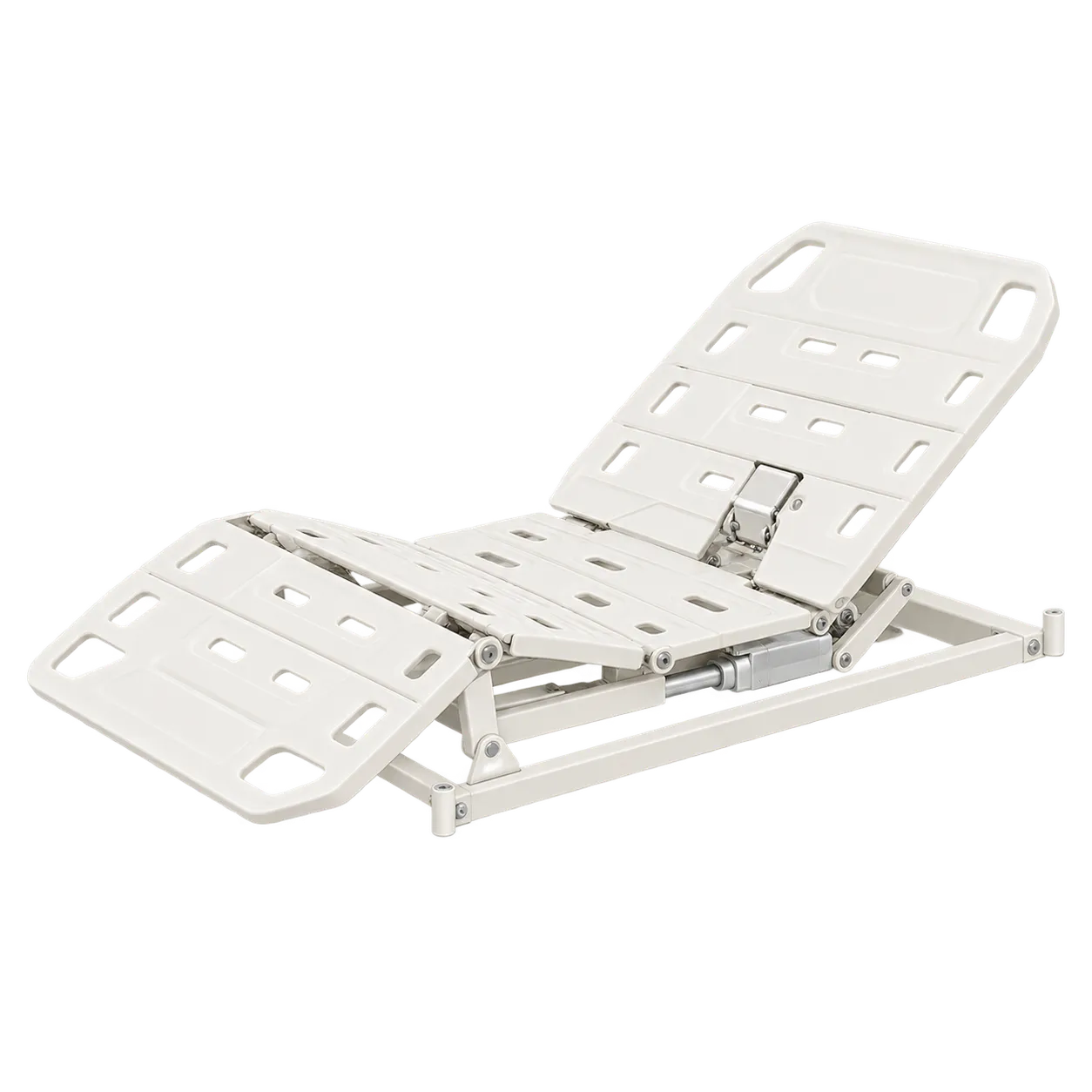
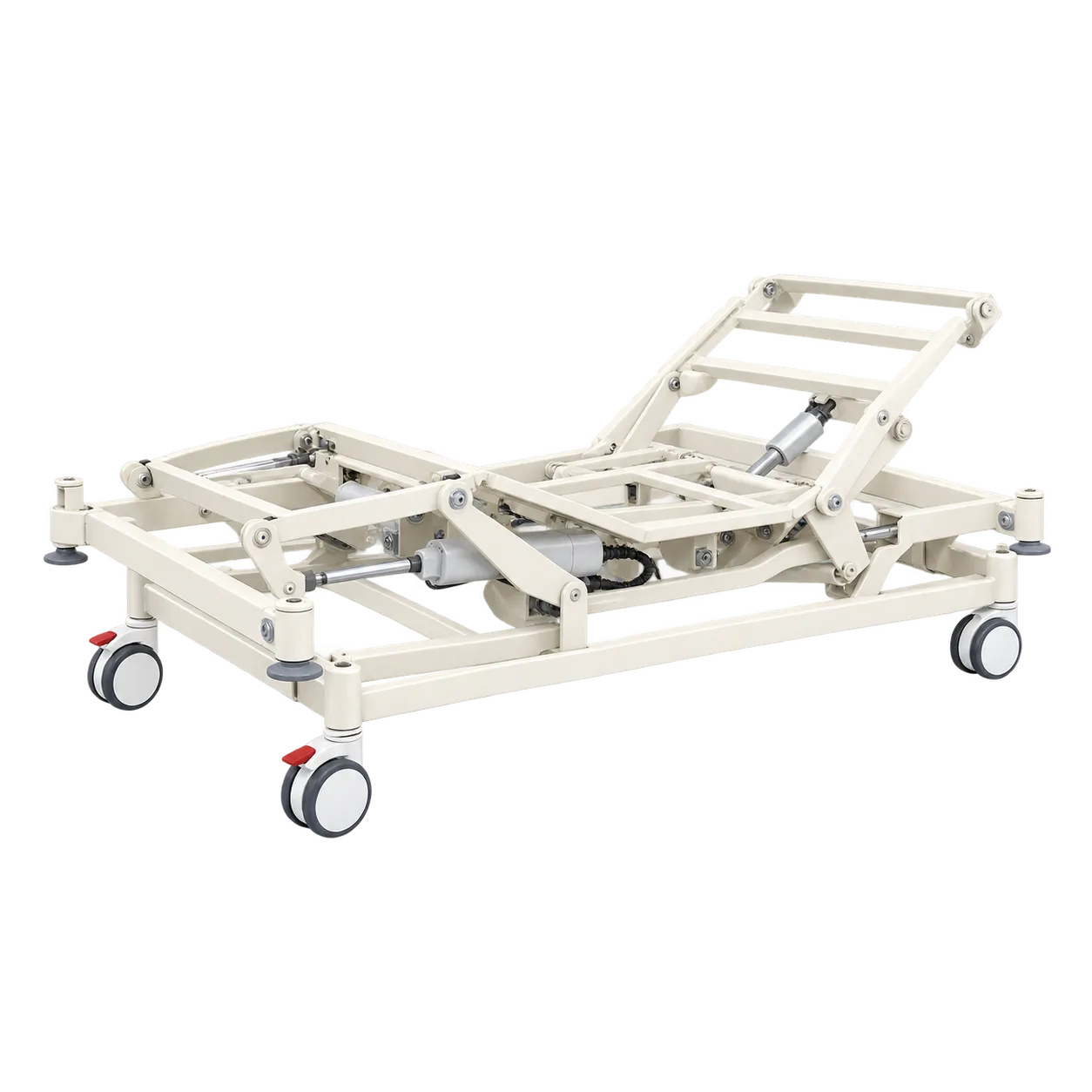
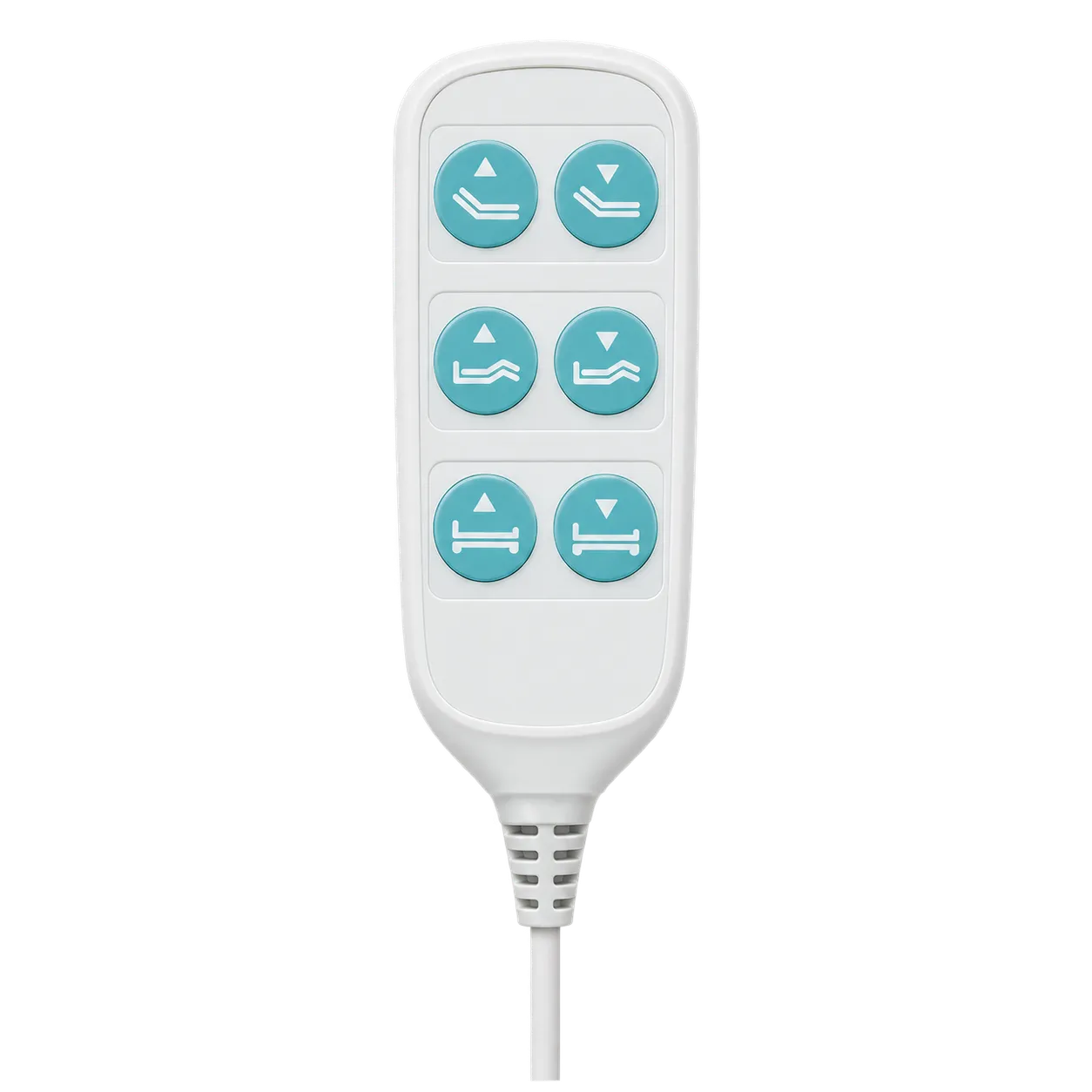
General medical, surgical and care-of-the-elderly wards are where a three-function bed does most of its work. The backrest to 70° and knee rest to 35° cover sitting up for meals, visitors and breathing, the linked movement reaches a comfortable seated posture in one action, and the calf adjustment lets the lower legs be set for comfort. Height adjustment brings the bed down for getting out and up for care. The emergency stop and angle indicator make the bed straightforward for agency staff to use safely.
The power question shapes where the bed can safely go. With no battery listed, it needs a socket at every place it stands, and a bed moved between rooms, to a discharge lounge or into a corridor during a surge has no electric movement until it is plugged in again. Wards should check socket positions before the beds arrive, and place beds for dependent patients where the supply is backed by standby generation.
Resuscitation readiness follows from the same point. The manual CPR release works without power, so it is the route staff should practise and the one to point out at every bedside. The emergency stop, which halts movement if a limb or a line is caught, belongs in the same familiarisation.
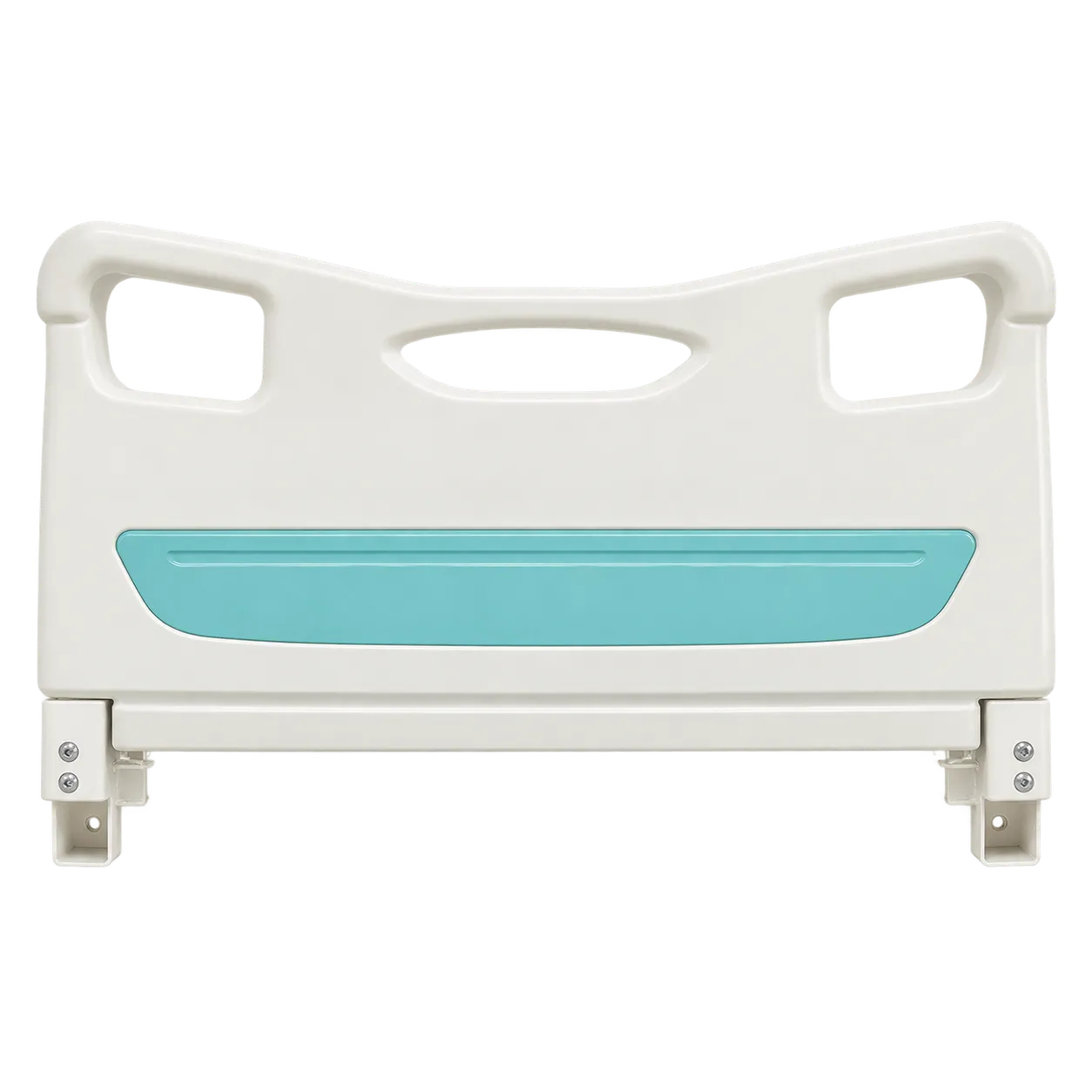
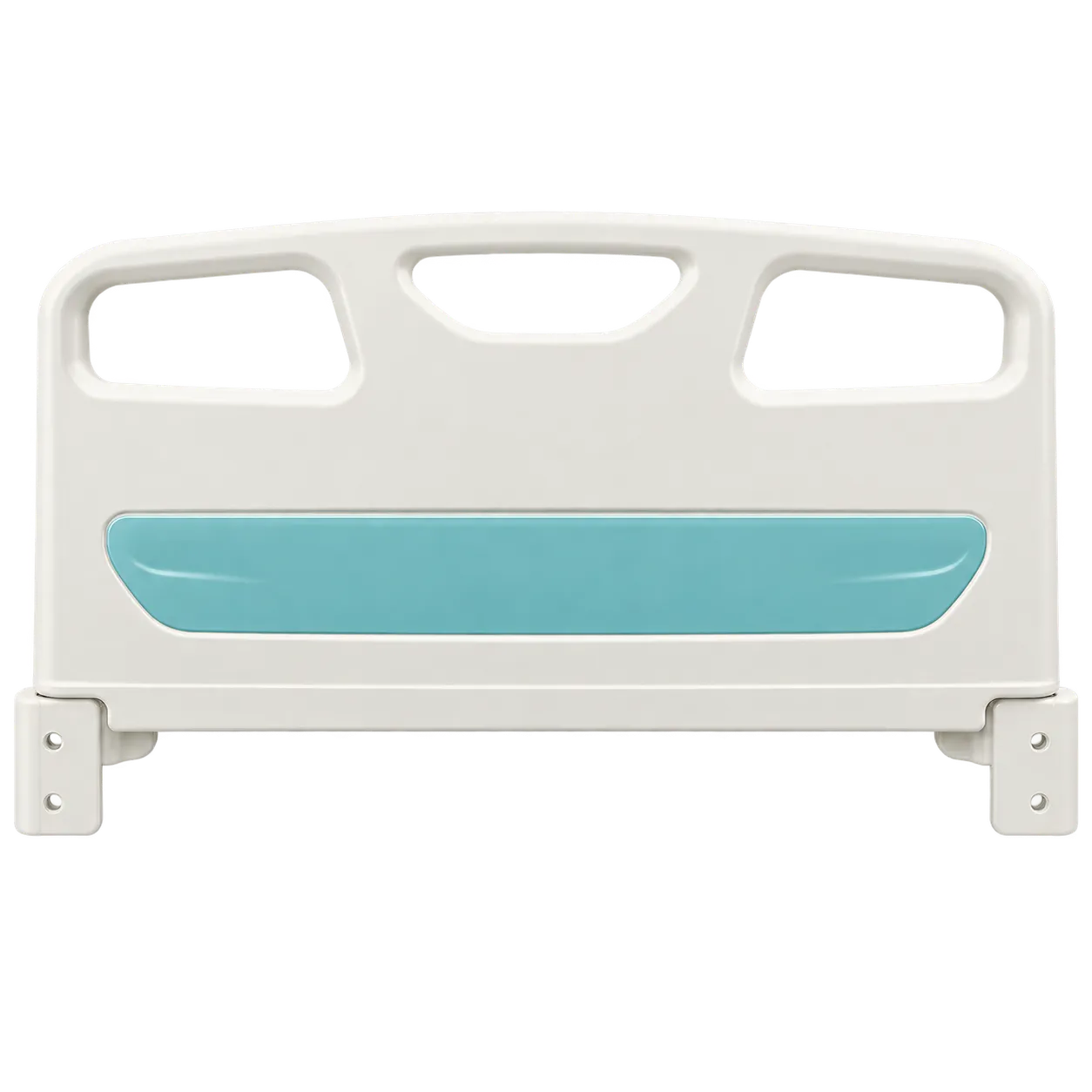
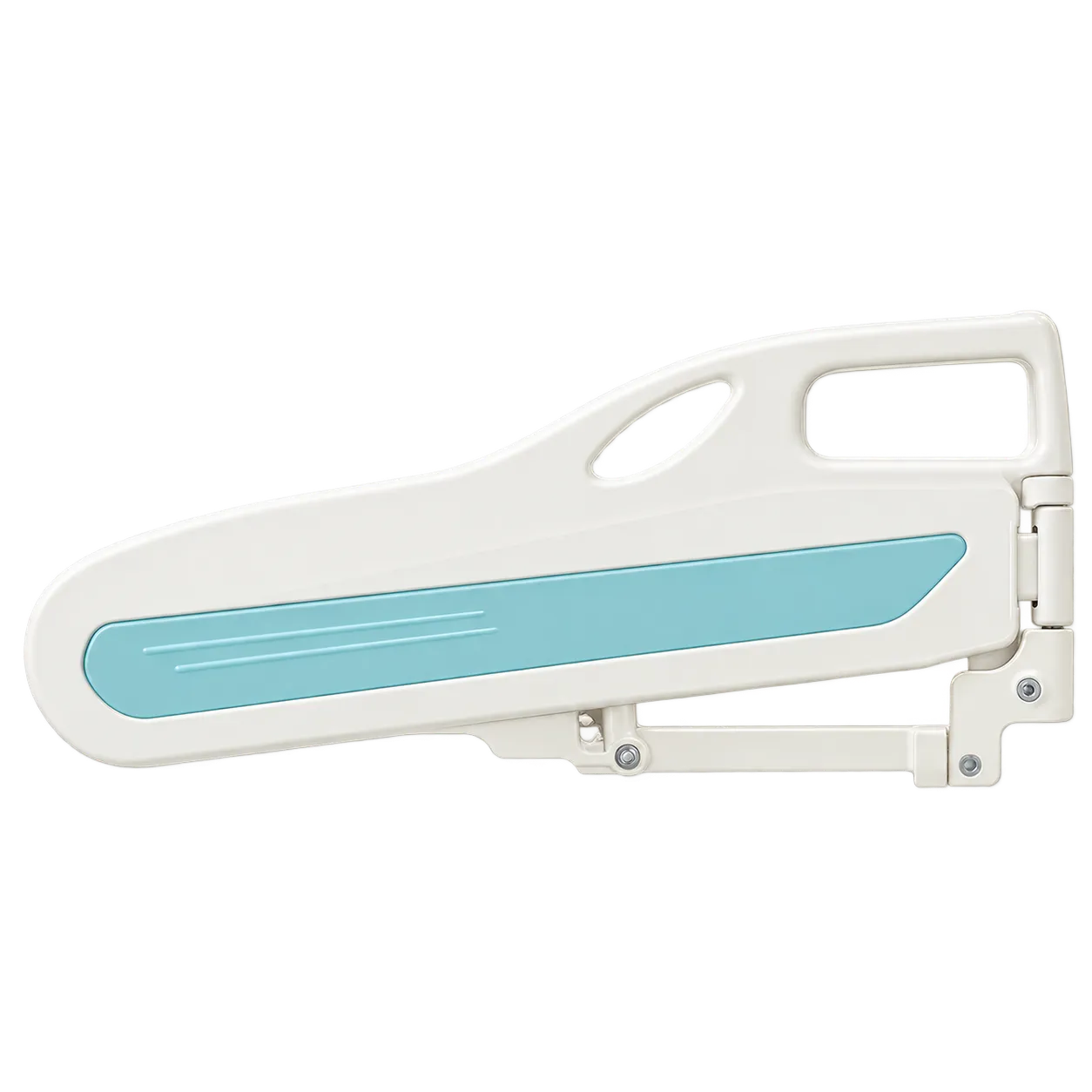
The lowest height needs confirming before allocation to patients at risk of falling from bed, since the two published figures disagree. The bed is not a bariatric bed and not a specification for children, who fall under a separate standard. Its rails bring the MHRA's 2023 National Patient Safety Alert on entrapment and falls into every allocation. Procurement will ask for the legal manufacturer, the standard edition and the rail gap data. The conformity documentation those procurement routes require is issued by the manufacturer and provided by the seller.