
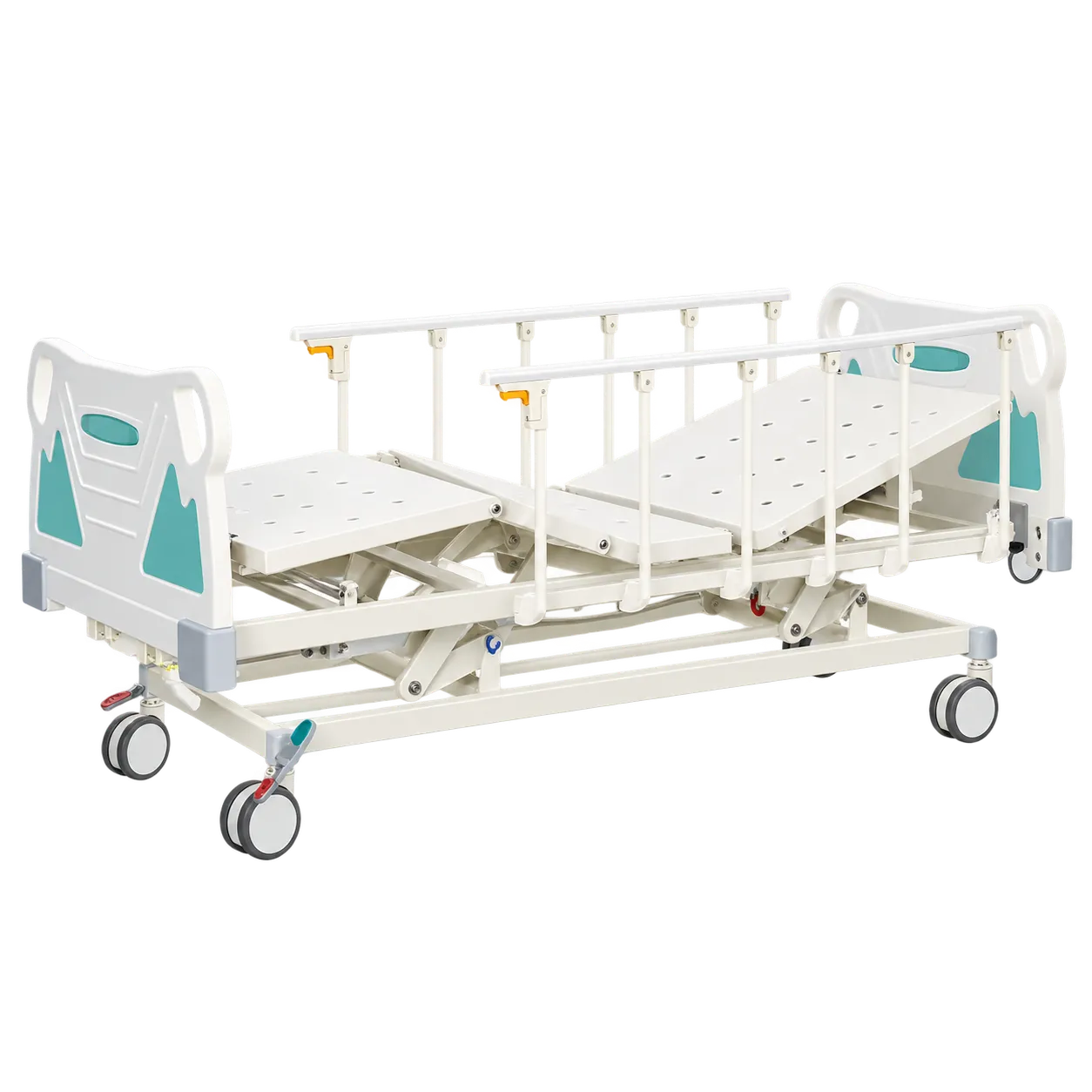
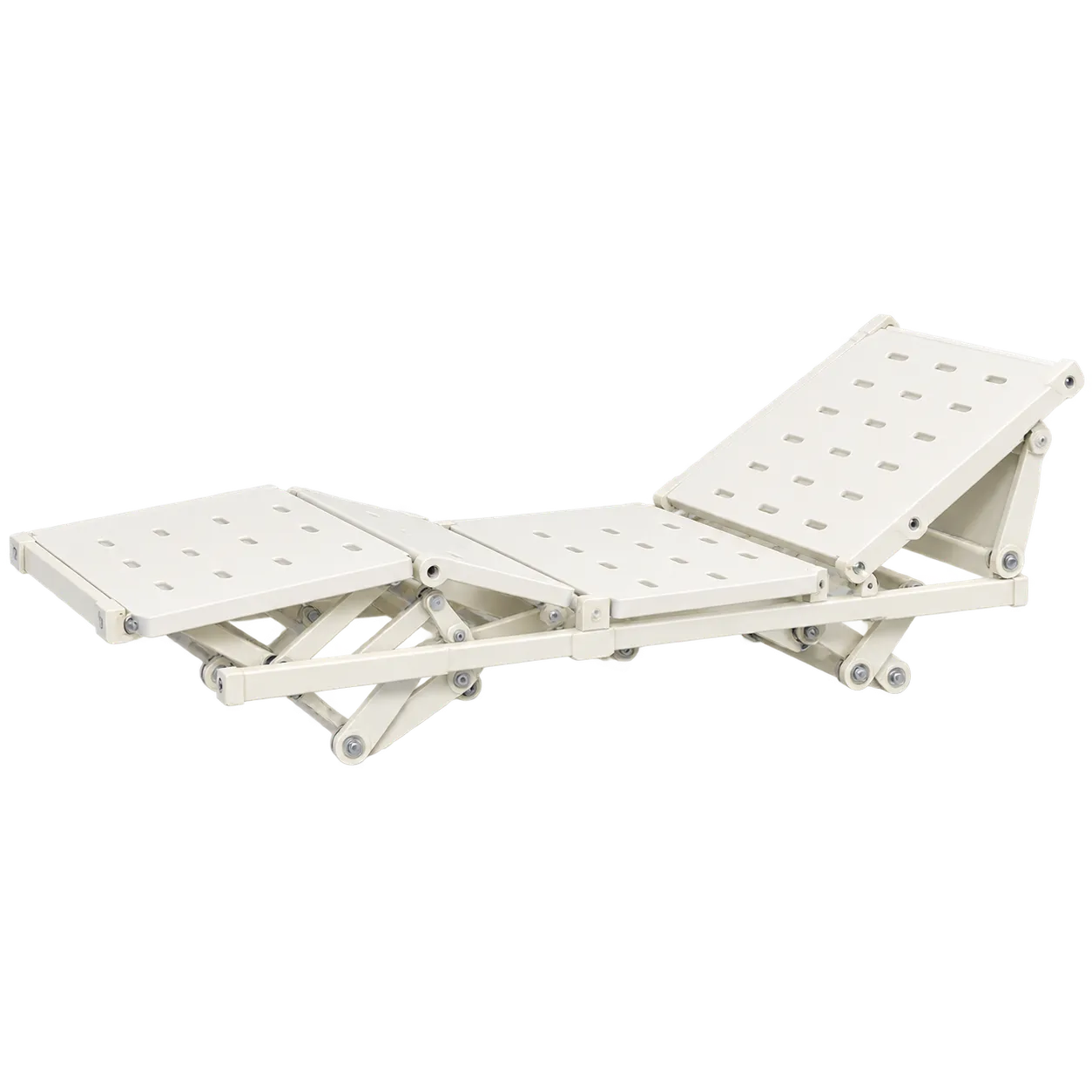
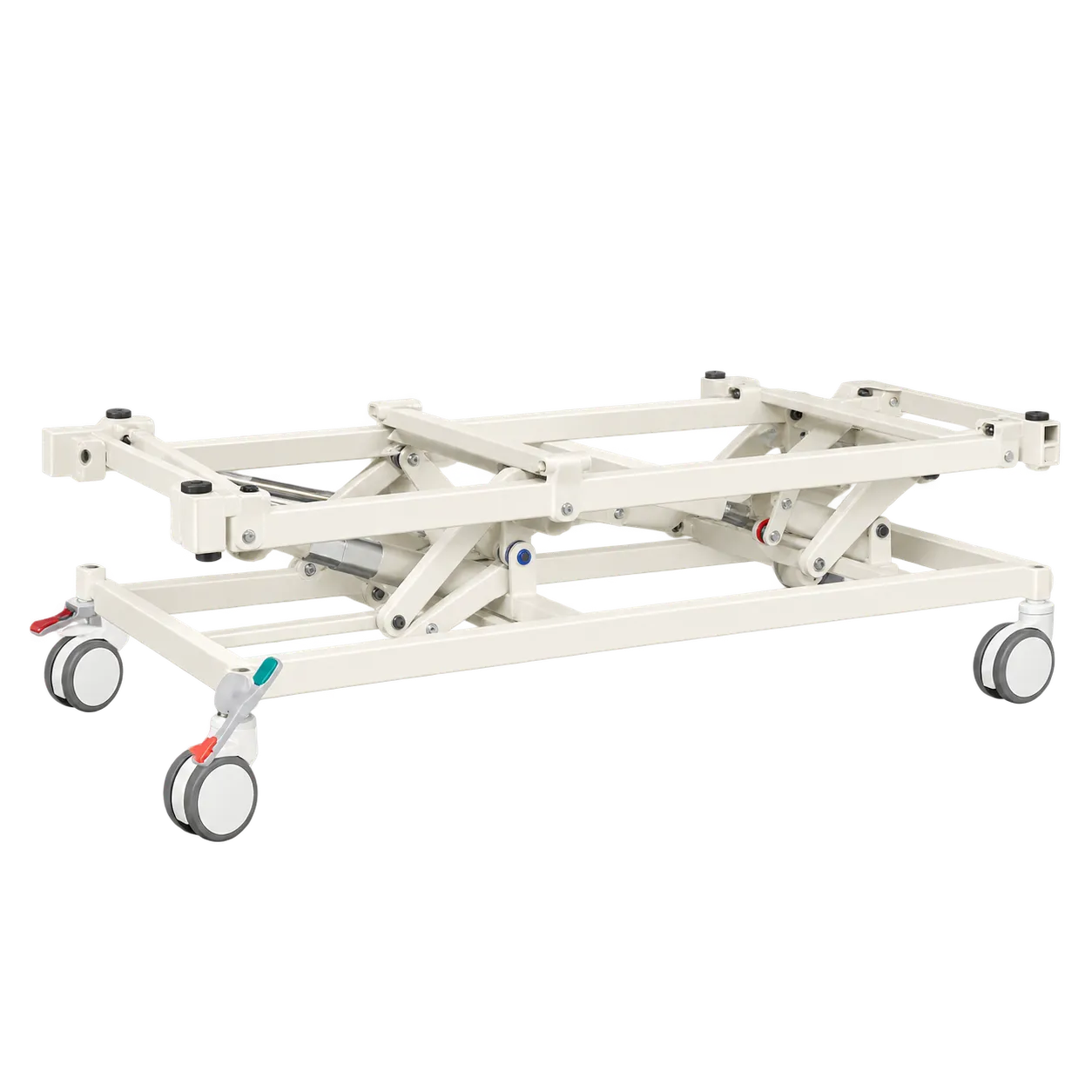
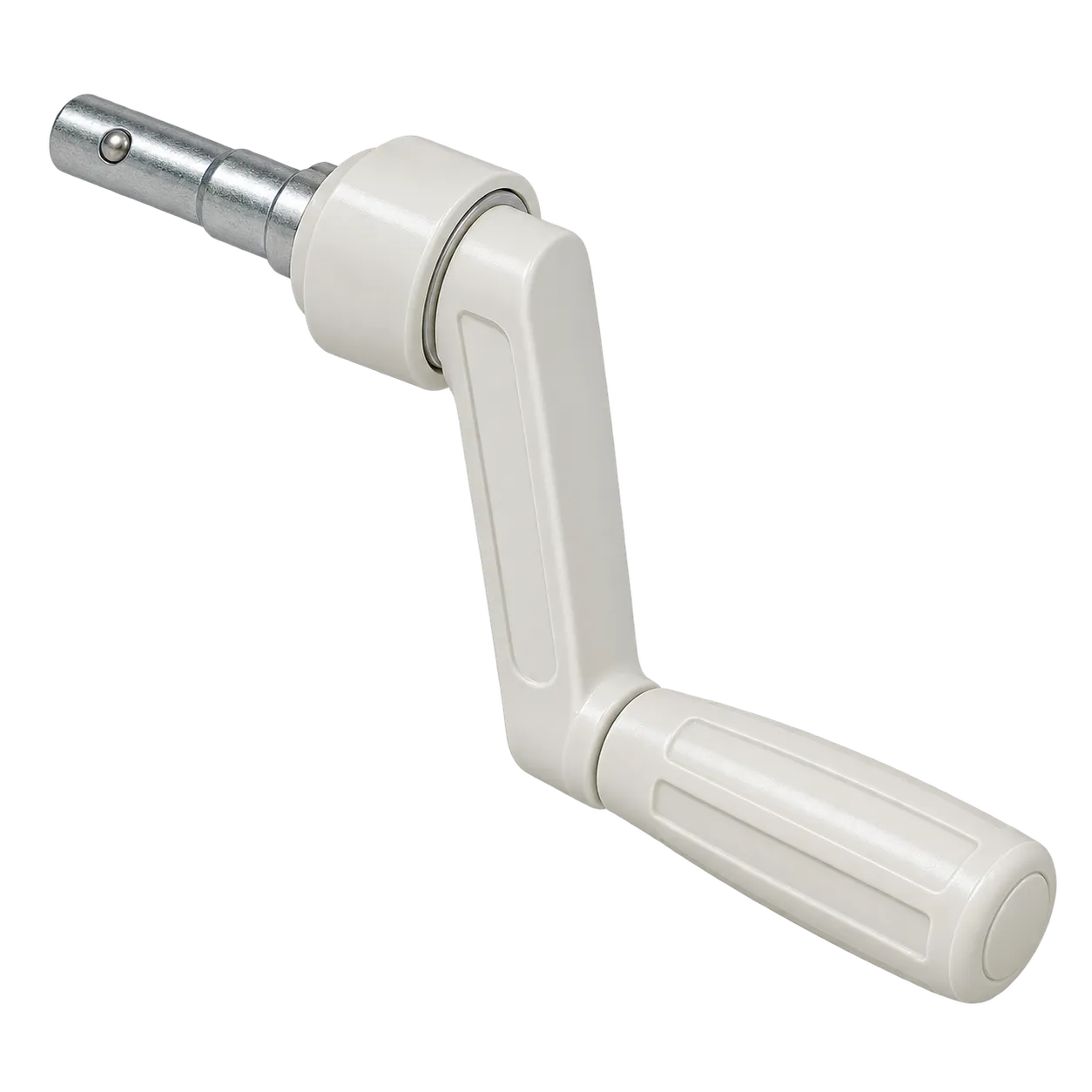
Domiciliary care, small residential rooms and community settings are where a 1000 mm manual bed fits best. The narrow frame leaves space in a small bedroom for carers to work either side, the cranks need no power, and backrest, leg section and height give the positions most people need.
Fit to the person is what decides whether the bed works. The platform is narrower than the 1000 mm overall width, and its size is not published, so the room a patient has to settle, turn and be positioned is not yet known. People of slim or average build who lie fairly still will usually be comfortable; people who are broad, restless, or need pillows and wedges for positioning may not. A simple fit check, with the person or someone of similar build on the fitted mattress, answers the question before the bed is allocated.
Pressure care depends on space as well. The 2025 international guideline suggests 30° side-lying for people at risk of pressure ulcers, with support behind the back, and that needs enough platform width to keep the hips and shoulders on the mattress. On a narrow bed, confirm the position is achievable before it is written into a care plan.
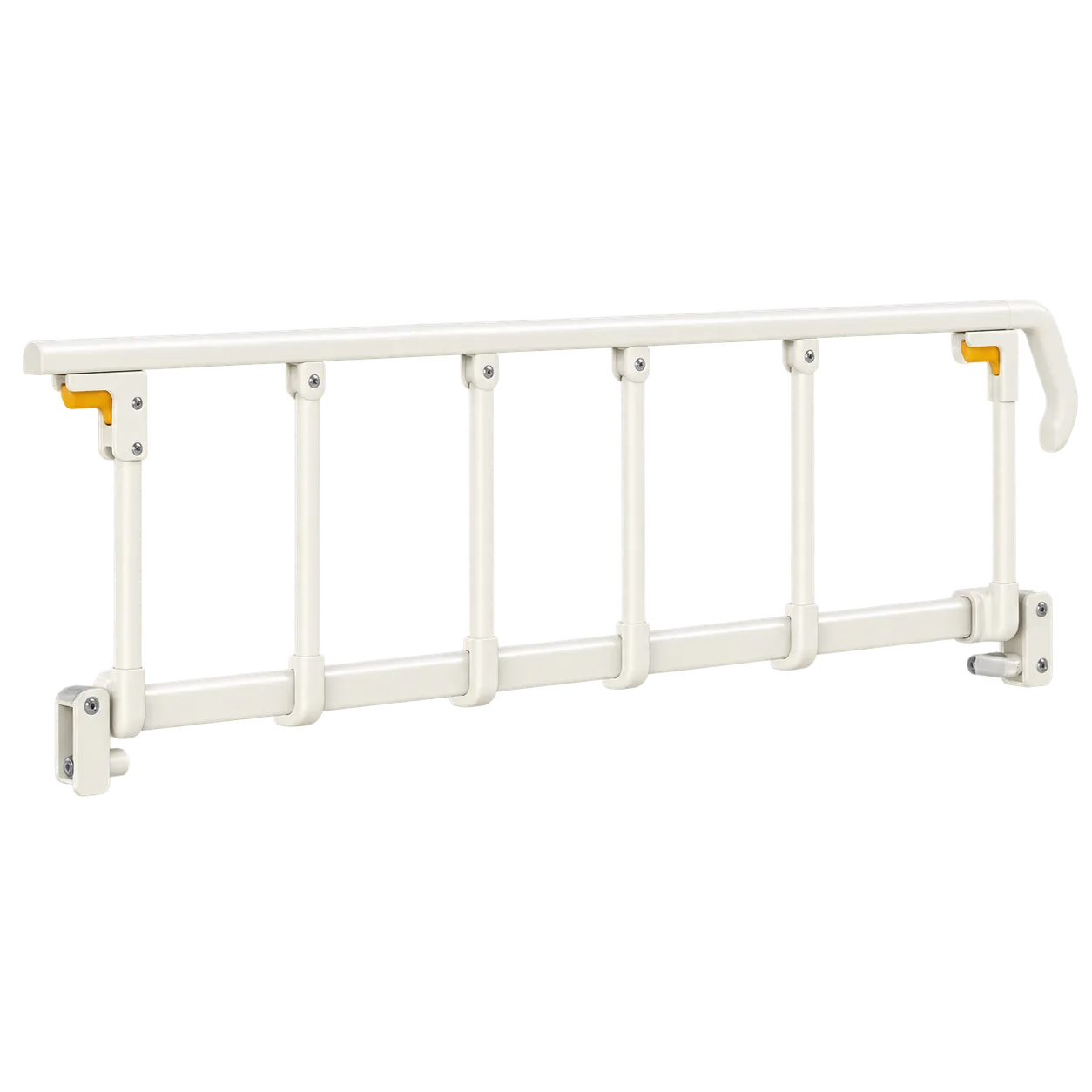
The vertical-post rails bring openings of their own, and on a narrow platform a person's limbs are closer to them. They need checking against MHRA guidance with the mattress fitted, and the MHRA's 2023 National Patient Safety Alert asks providers to assess rails for each individual. The bed is not bariatric and not a specification for children. Procurement will ask for the legal manufacturer, the standard used, the platform size and rail test data. The conformity documentation those procurement routes require is issued by the manufacturer and provided by the seller.