
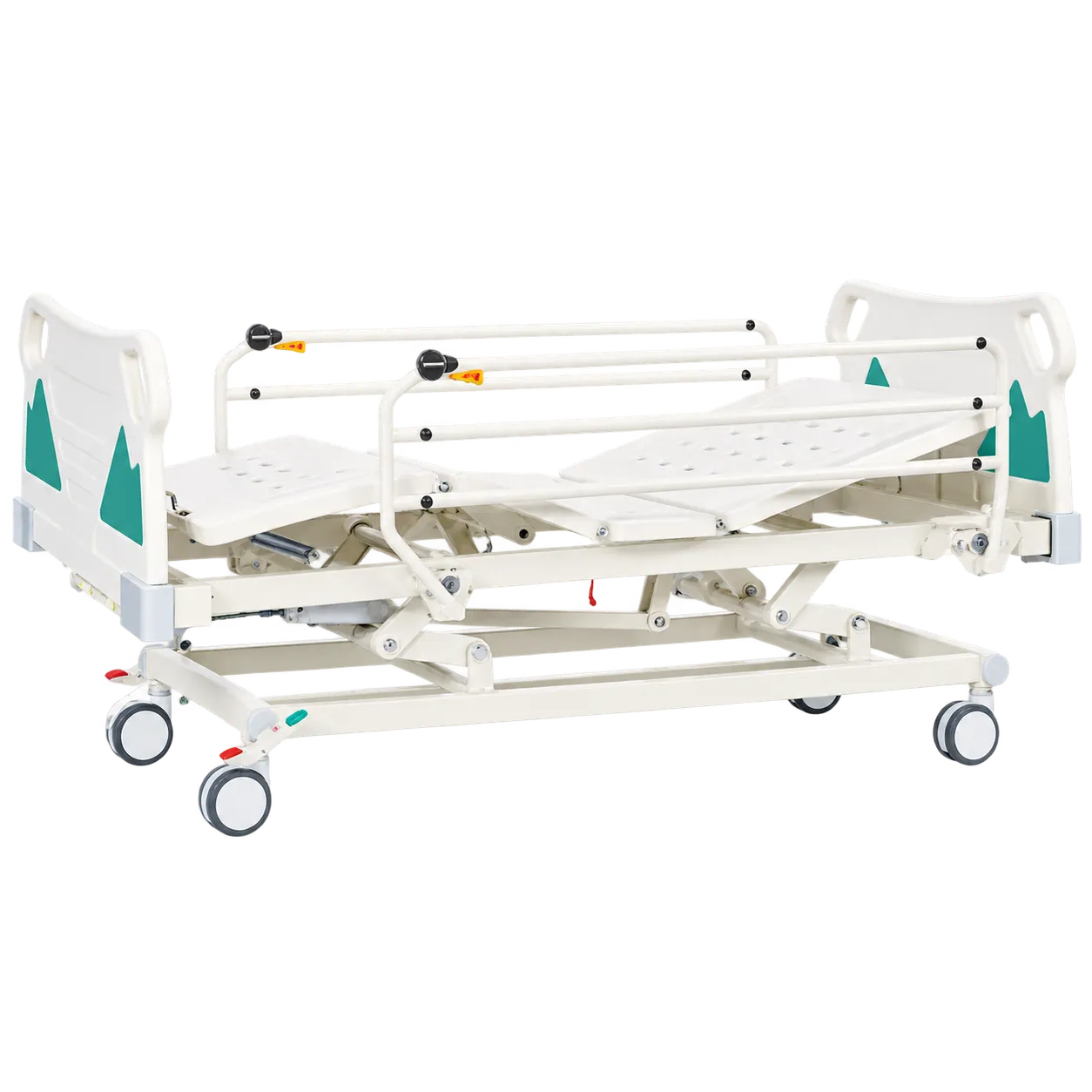
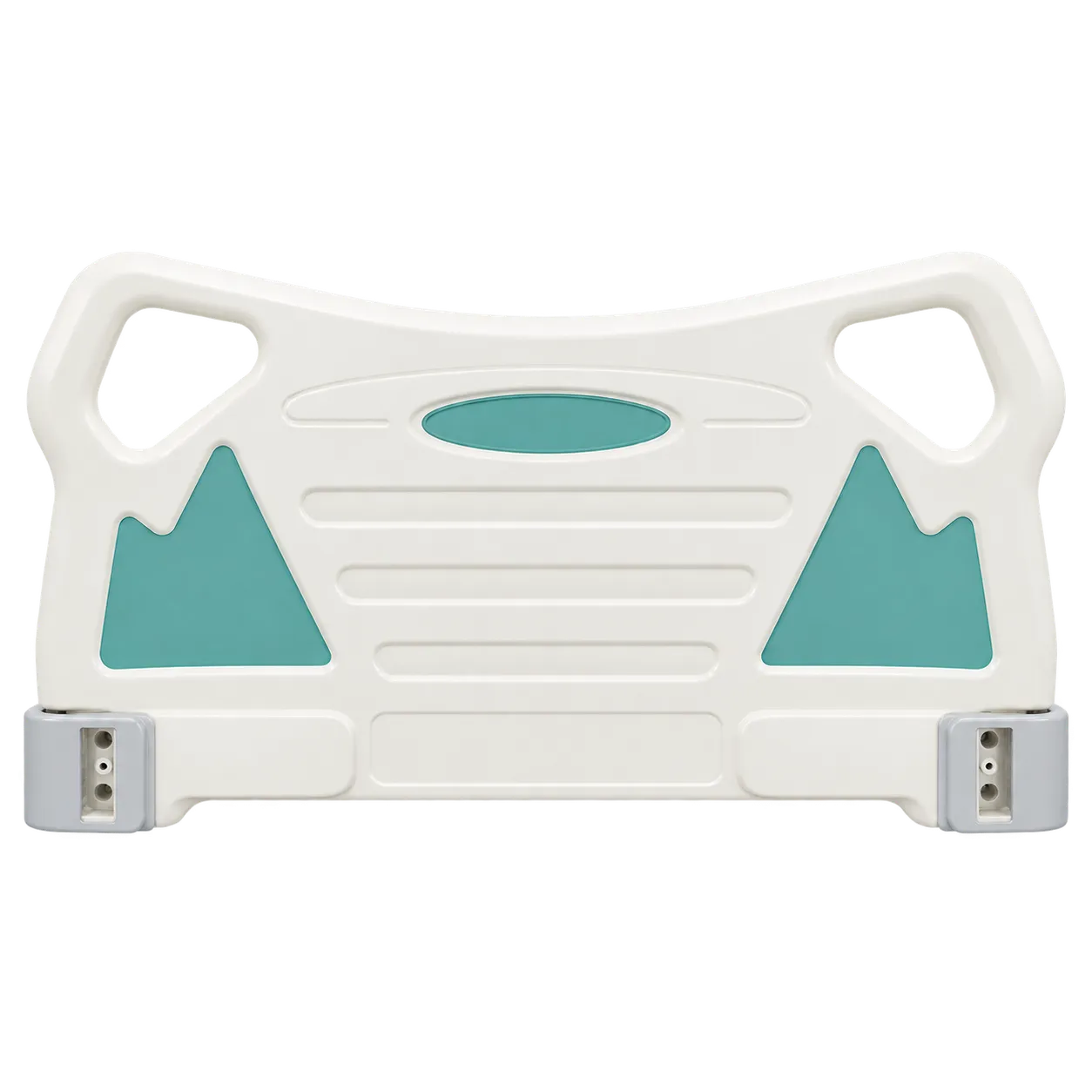
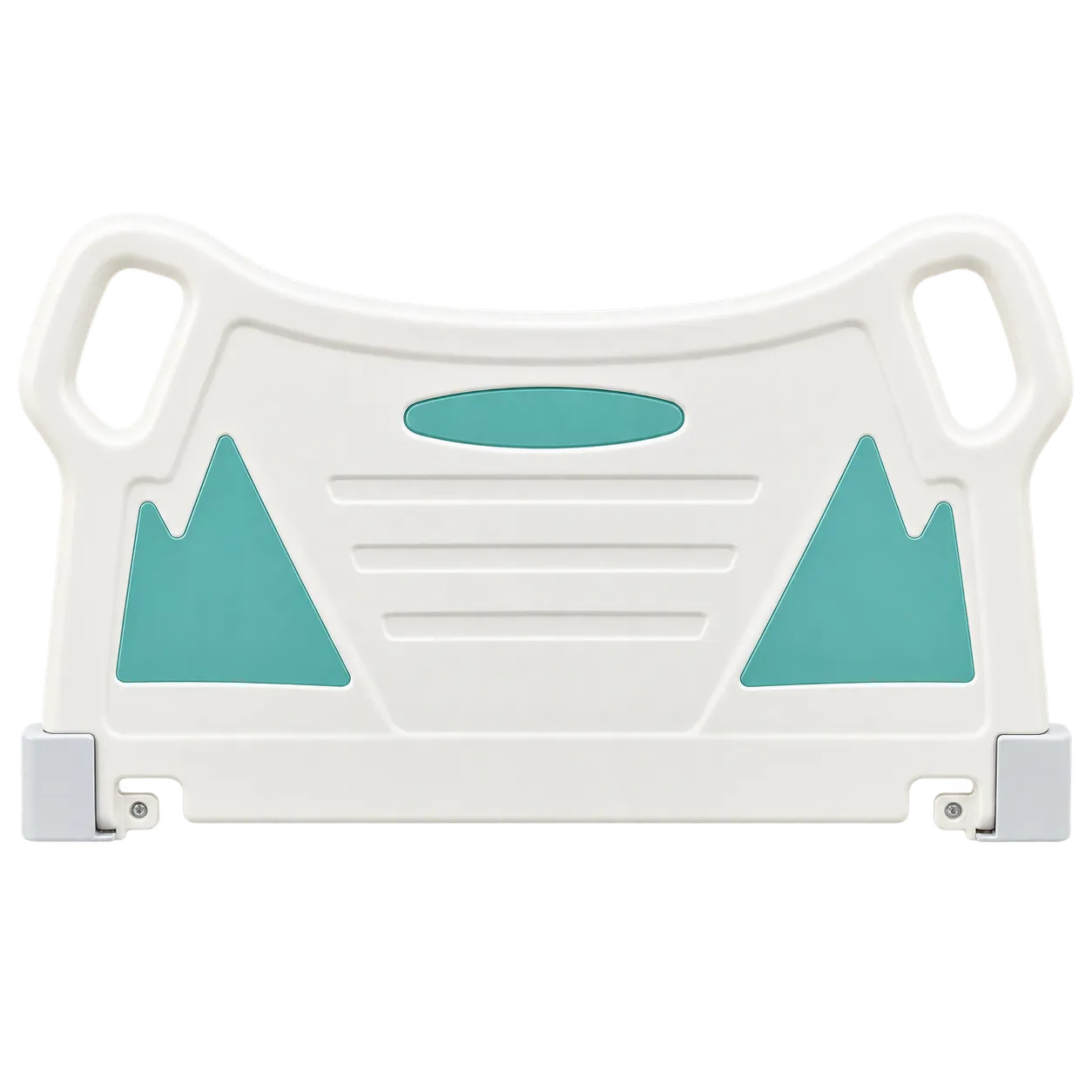
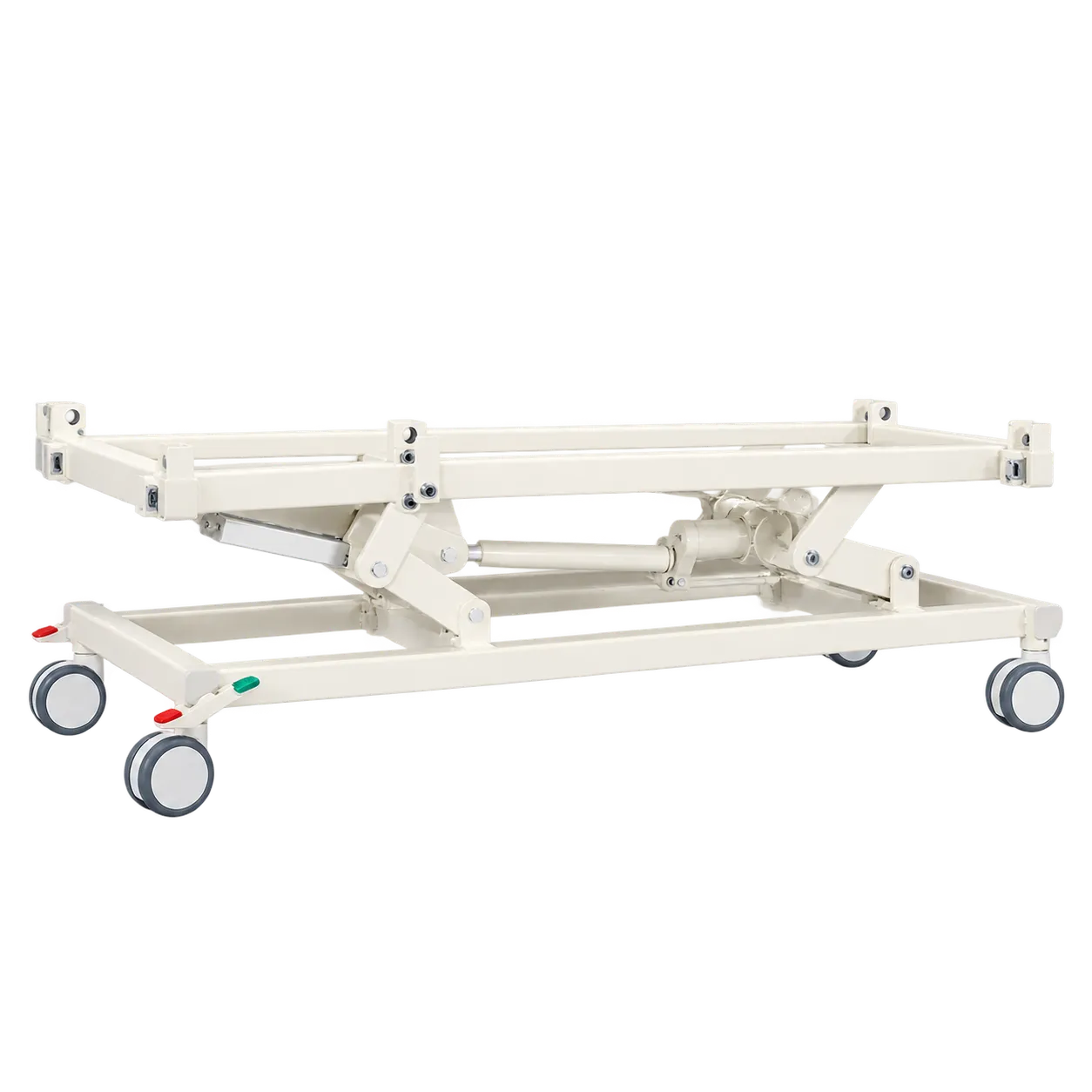
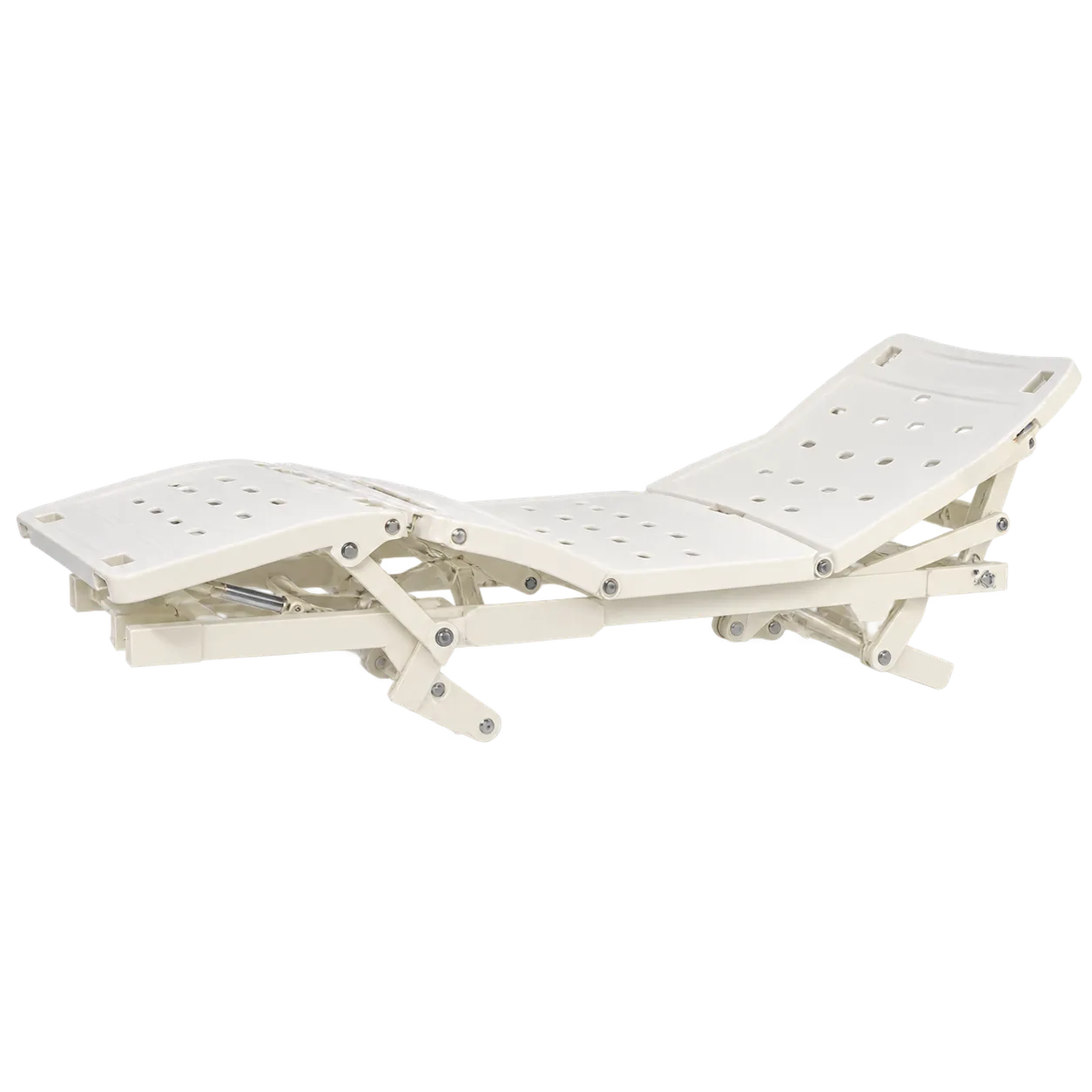
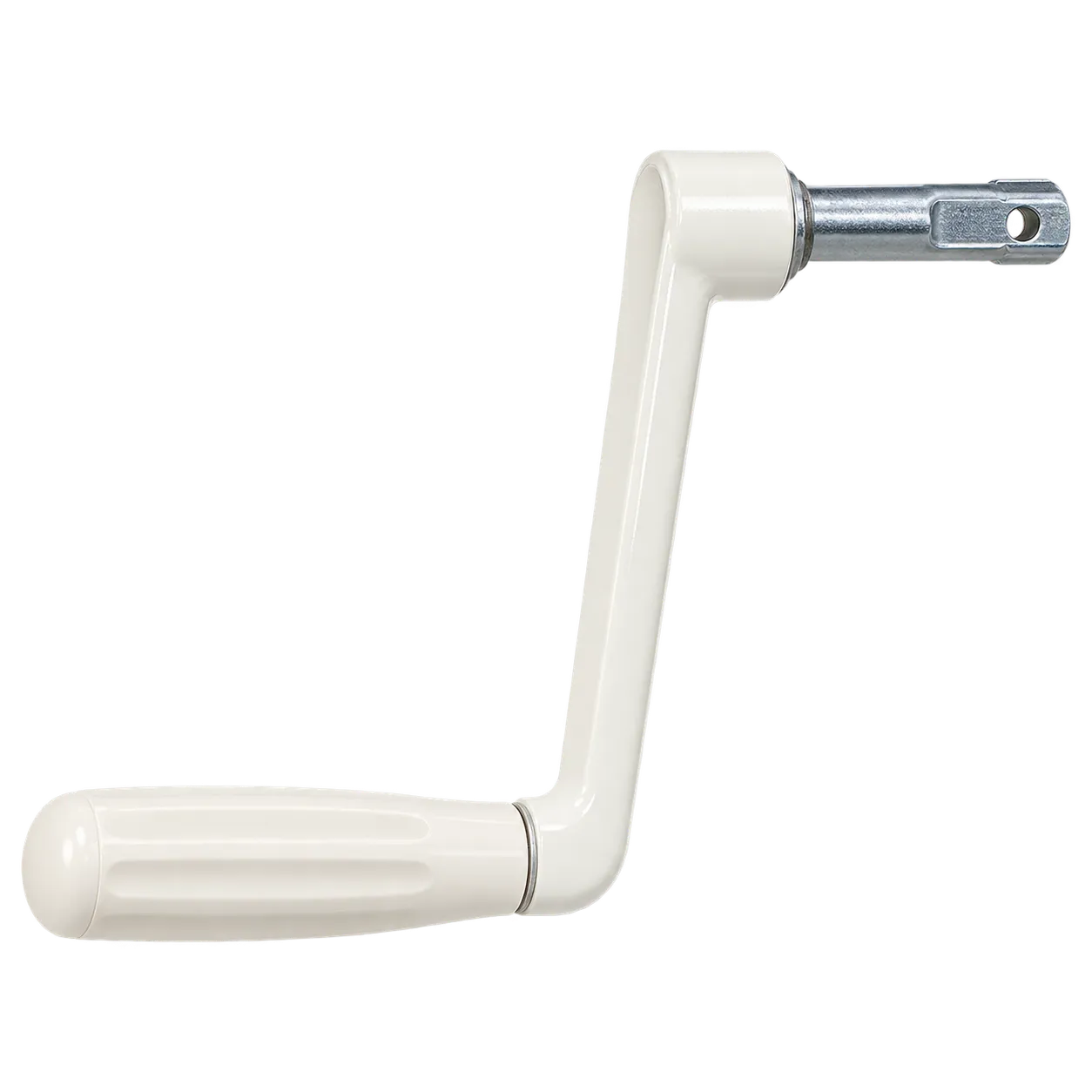
Community hospitals, residential and nursing care, homecare and settings without reliable power are where a three-function manual bed on a narrow frame fits. Backrest, leg section and height cover sitting up, knee support and working height, the 1010 mm width suits smaller rooms, and the cranks work without any electrics.
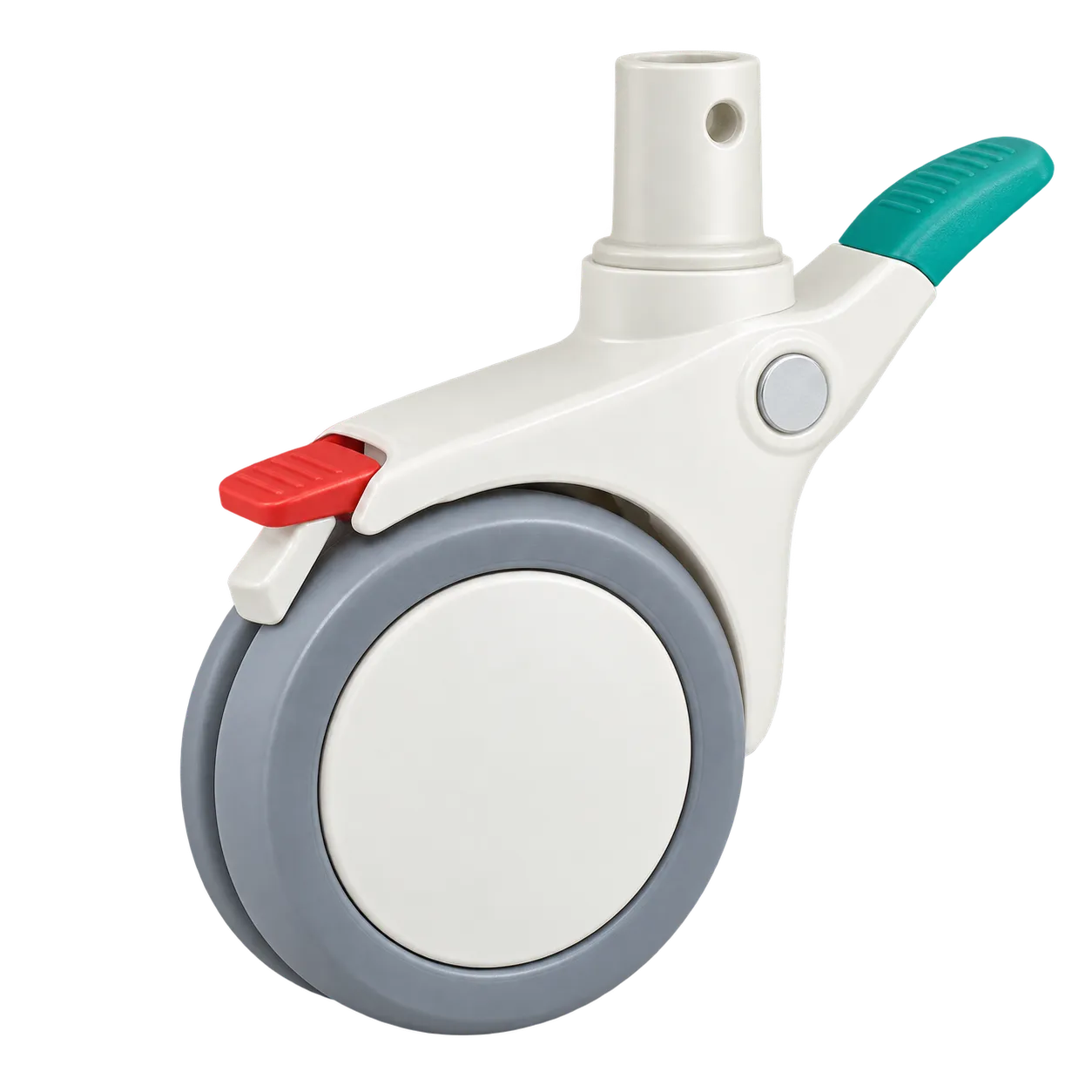
Maintenance is what keeps those advantages. A manual bed is often assumed to need nothing, but its drives, linkage, rail latches and castors all wear. Under PUWER it must be kept in efficient working order and good repair, and MHRA guidance on managing medical devices treats non-powered devices as part of the same programme. Adding manual beds to the planned maintenance schedule, with an interval set from the manufacturer's instructions and the bed's use, prevents the stiff cranks, wobbling platforms and failing latches that otherwise appear over time.
Staff reporting matters as much as scheduled checks. The people who wind the cranks every day are the first to notice stiffness, grinding or play, and a simple way to report it, and to take a bed out of use until it is checked, protects patients and staff alike. A tag or label on a bed awaiting checks stops it being used by mistake.
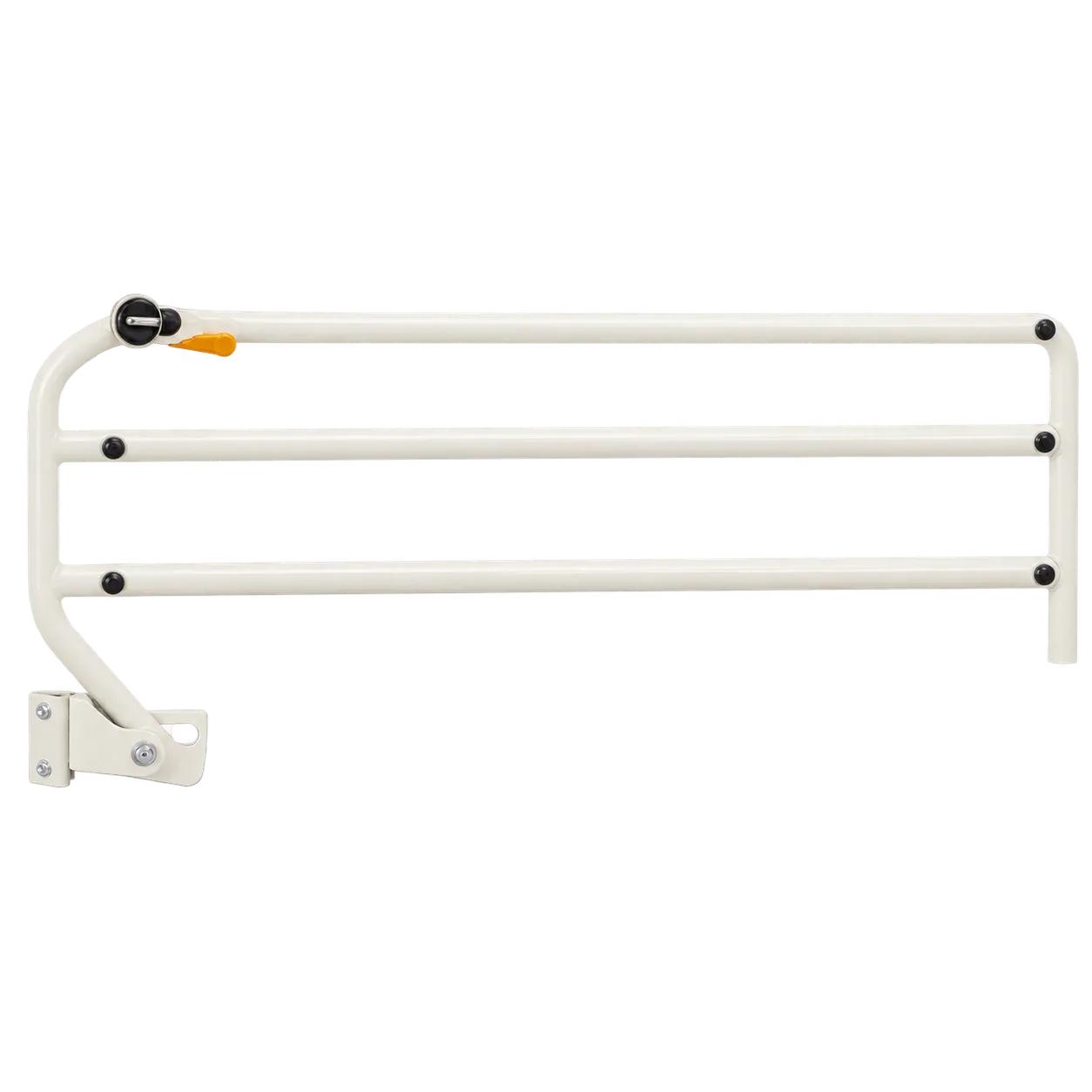
The tubular bar rails need their own assessment against MHRA guidance with the mattress fitted, and the MHRA's 2023 National Patient Safety Alert asks providers to assess rails for each individual. Winding is a manual handling task under the 1992 Regulations. The bed is not a specification for children, and is unlikely to suit bariatric patients. Procurement will ask for the legal manufacturer, the standard used, the safe working load, rail test data and the maintenance instructions. The conformity documentation those procurement routes require is issued by the manufacturer and provided by the seller.