

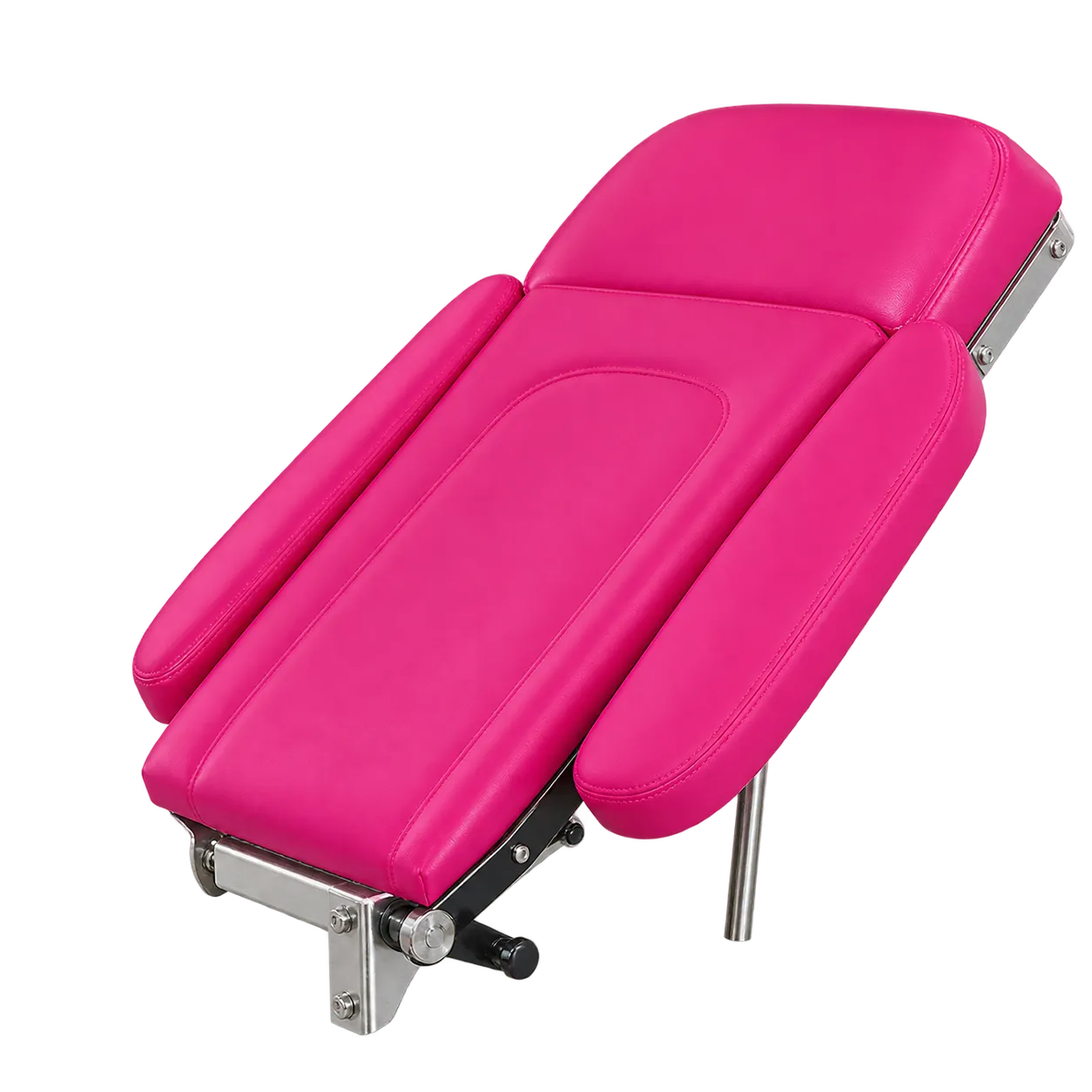
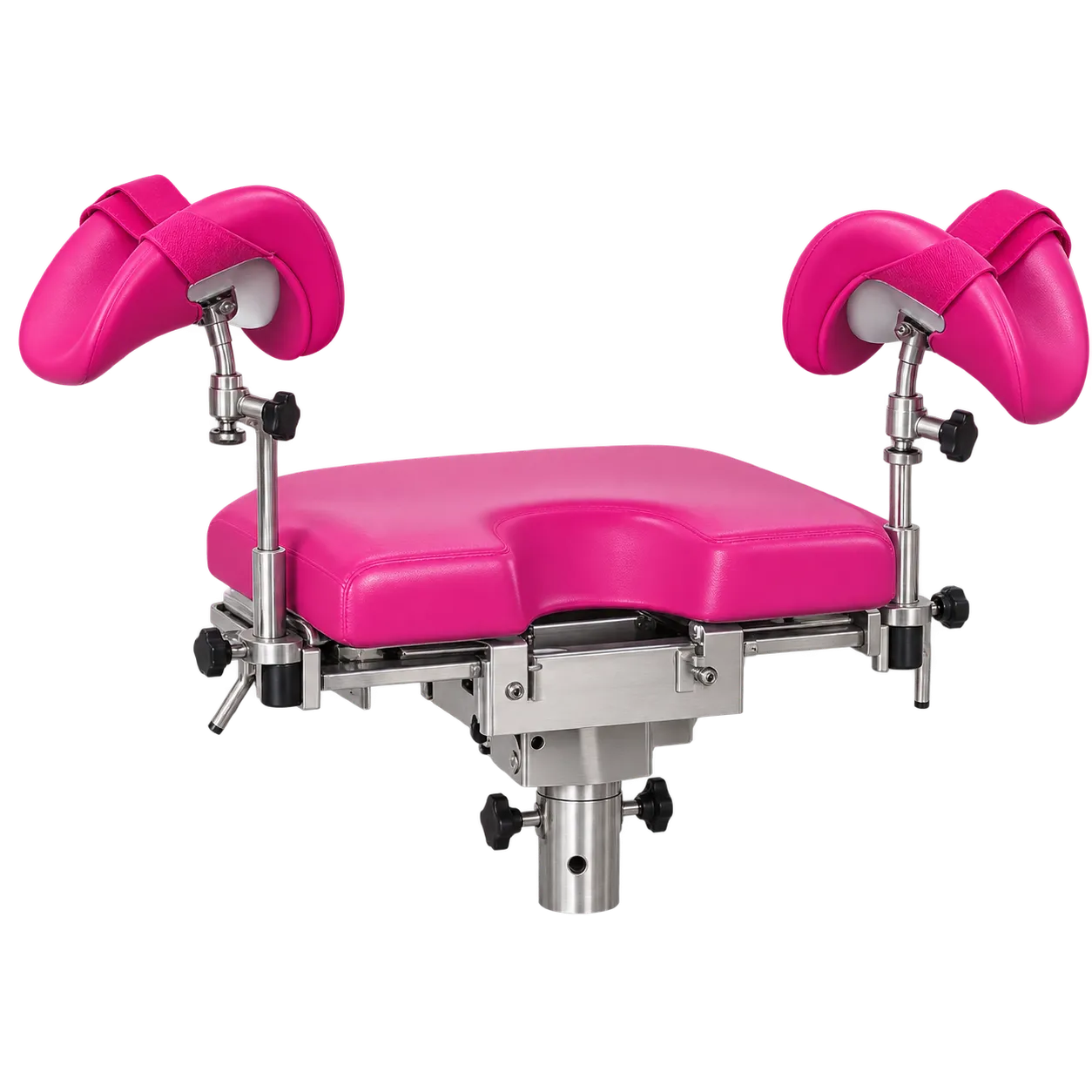
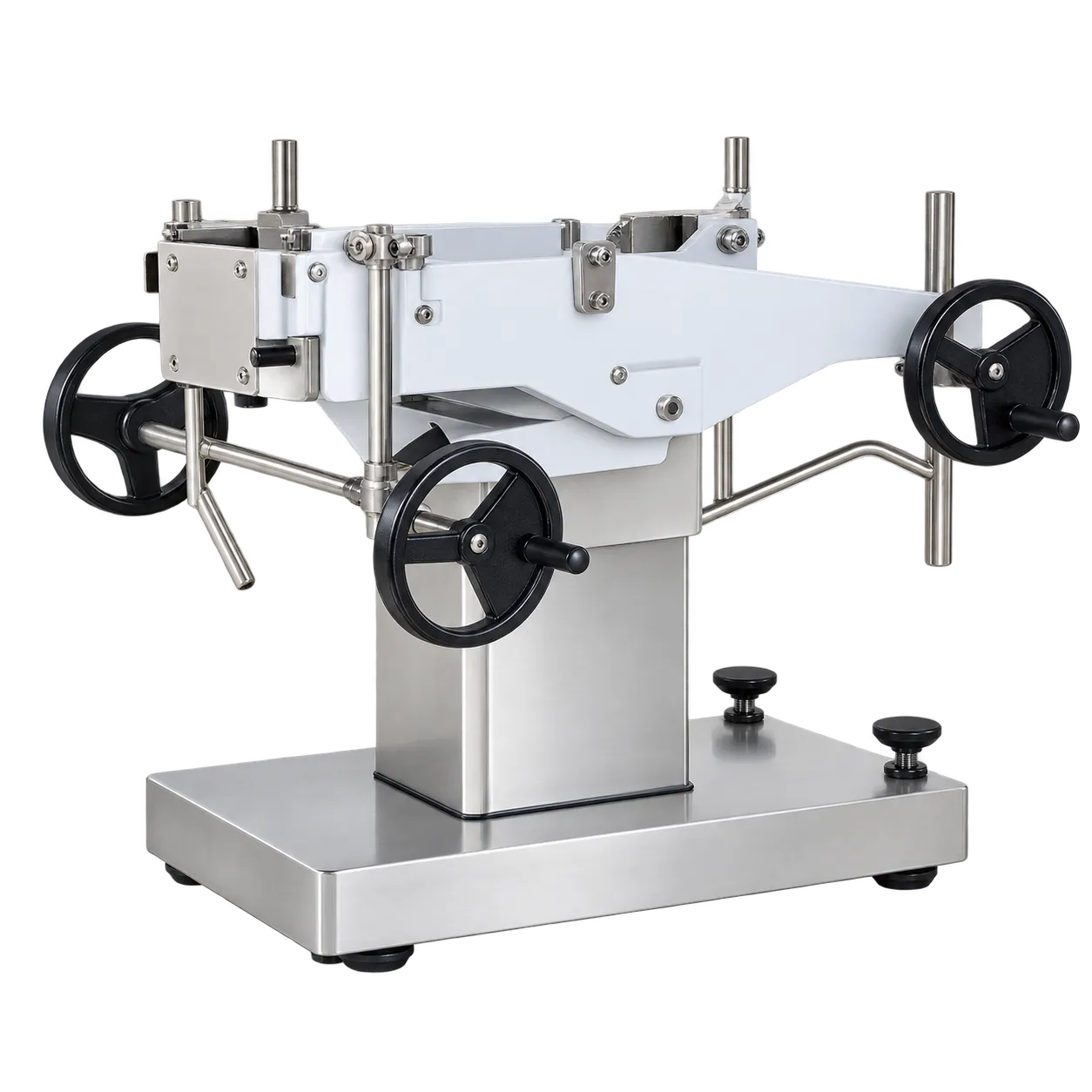
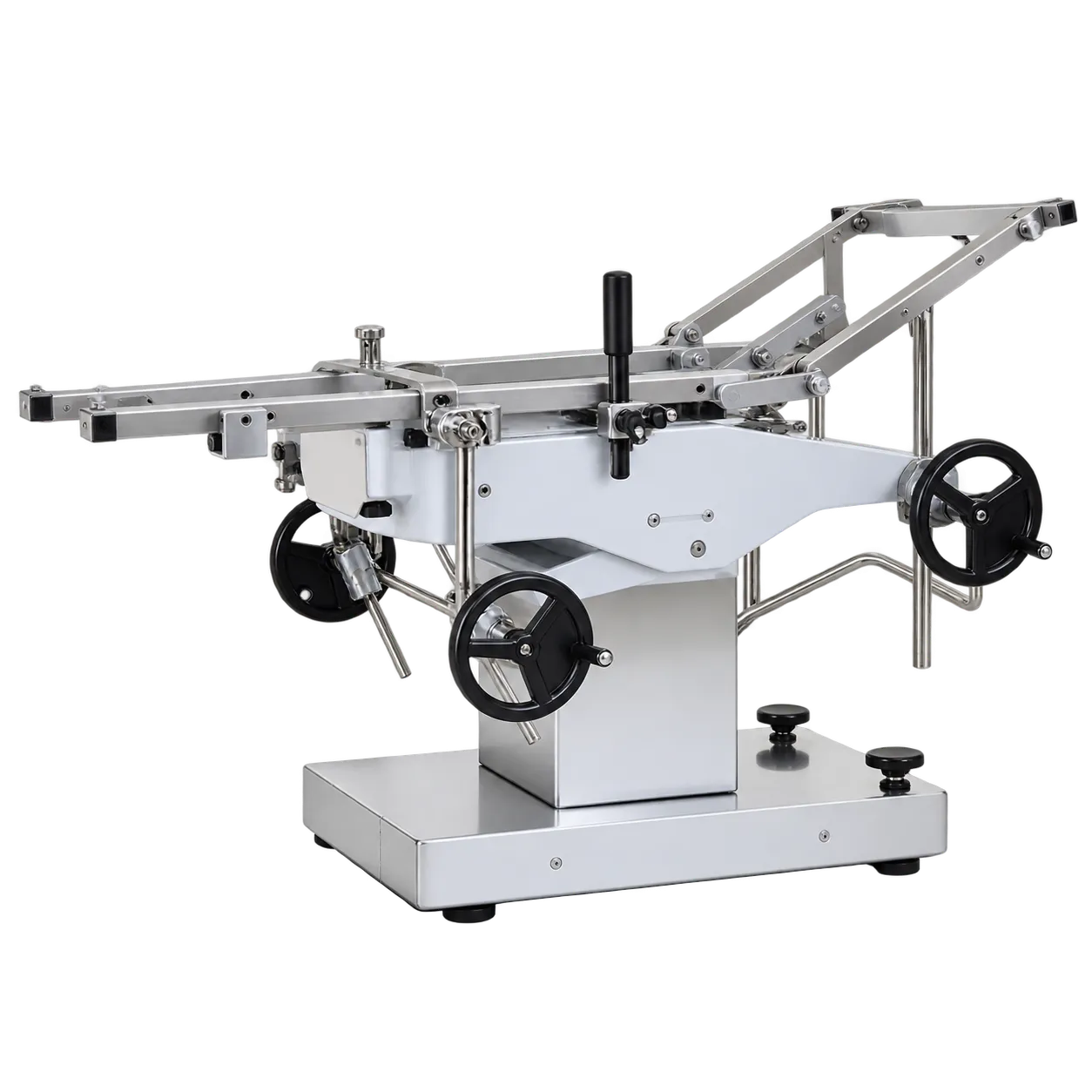
The OT-1 suits labour wards, delivery rooms, obstetric theatres, gynaecology clinics and district or rural hospitals where power is unreliable. Its case is mechanism and effect. Hand-driven sections let one table follow a birth from labour to delivery to repair, and the effects reach the woman, the team and the estate.
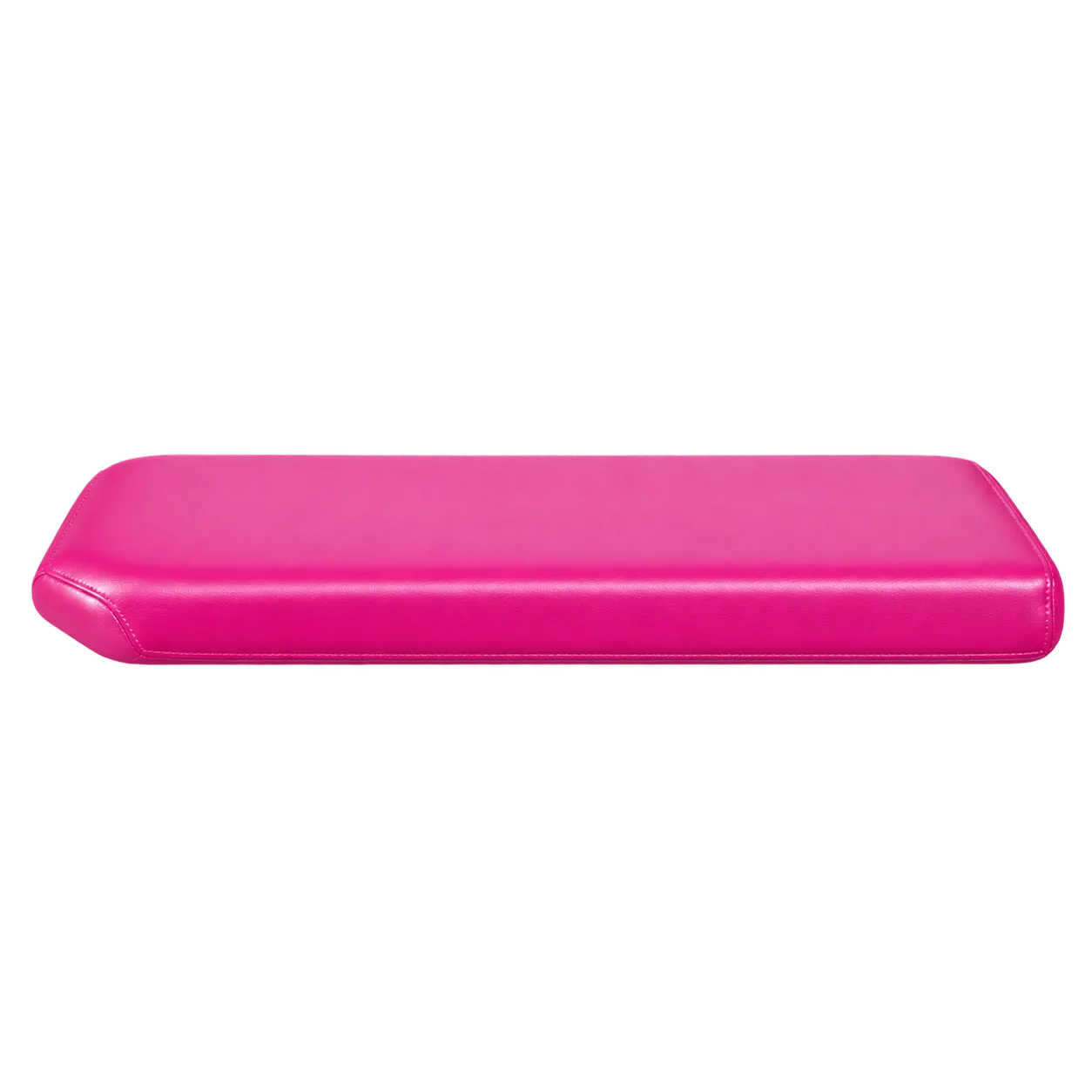
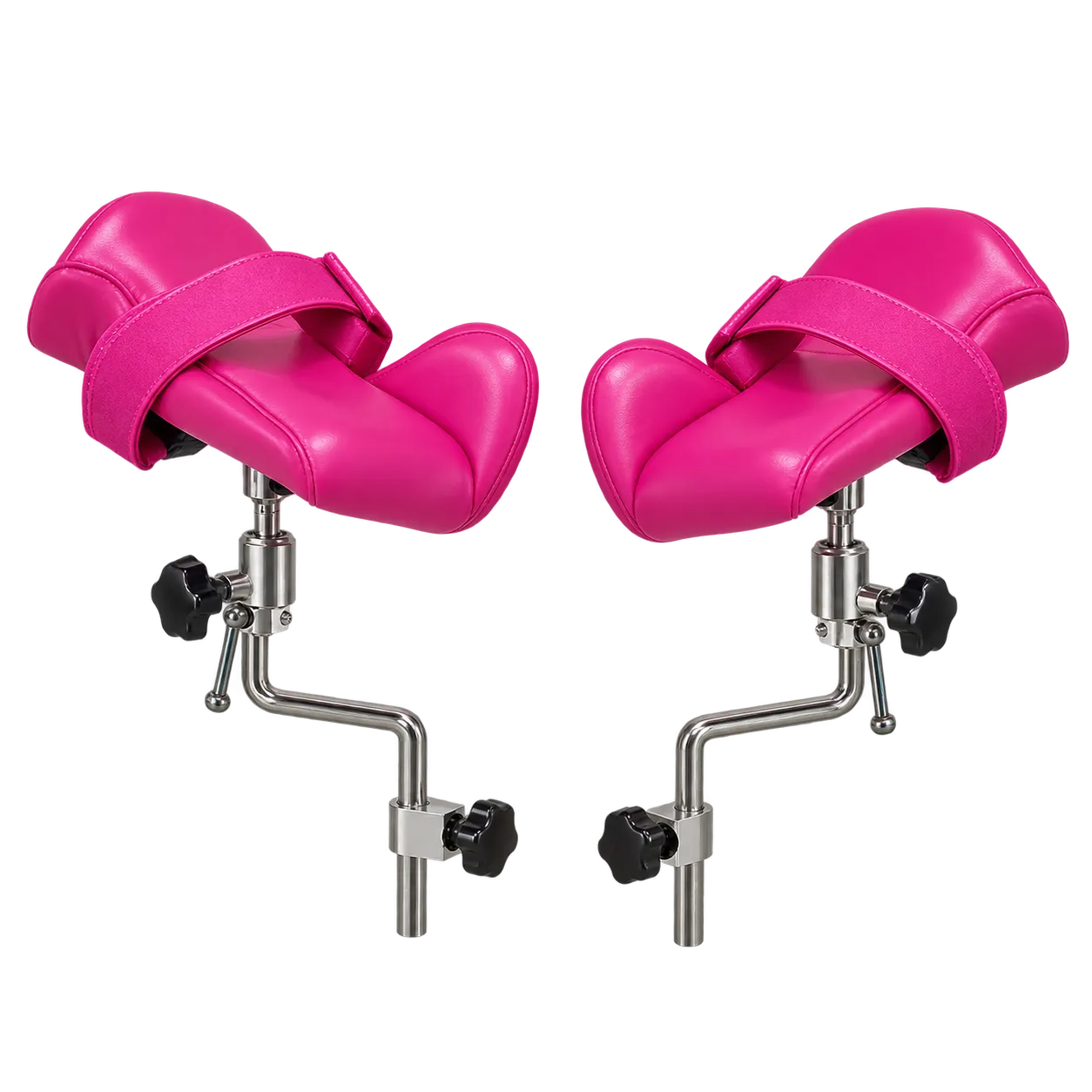
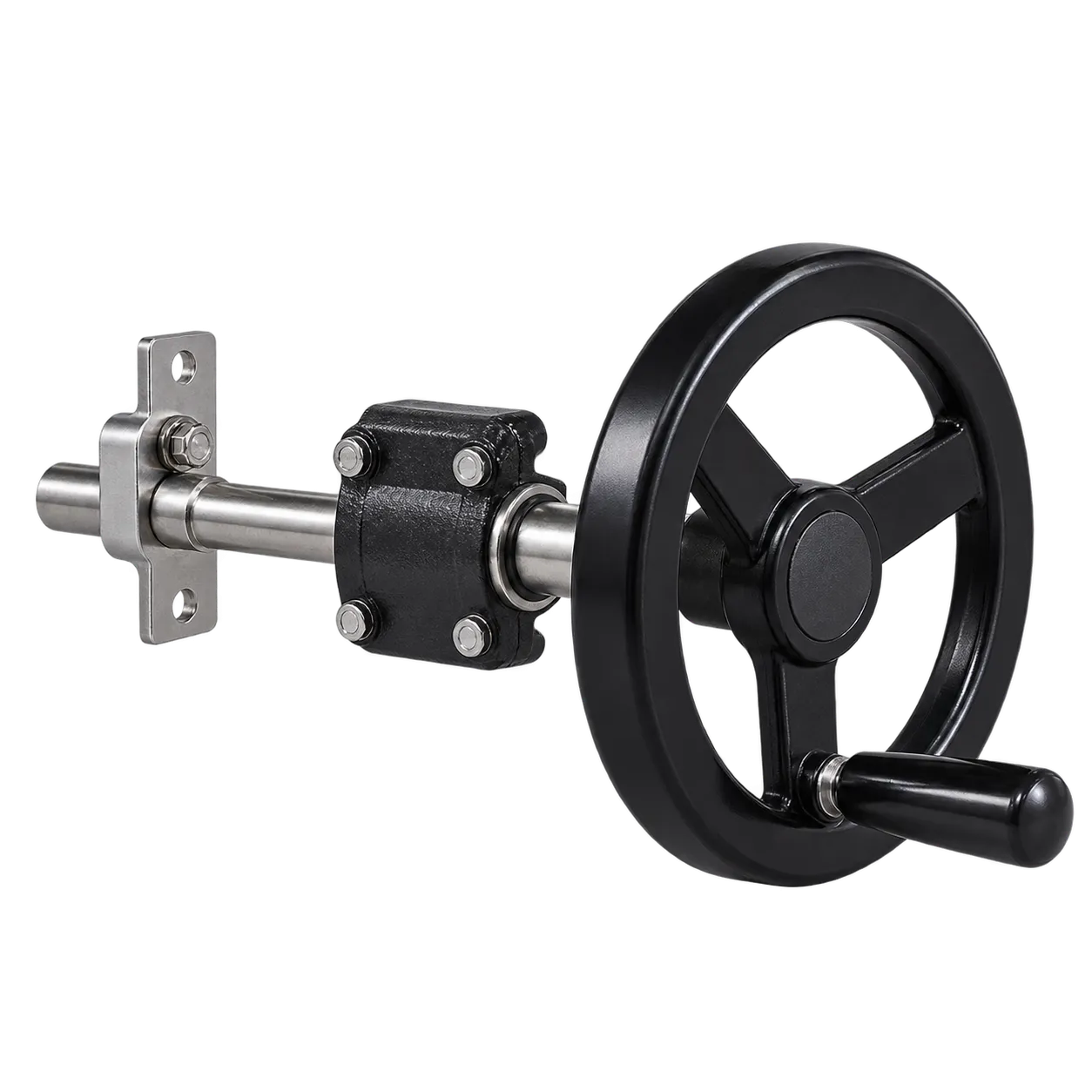
For the woman, the effect is fewer moves. A raised backrest supports semi-upright labour, and leg holders and a separate leg section provide access for delivery, examination, and perineal repair without transferring to another surface. For the team, this means a working position at the perineum with both hands free, and controls that respond the same way every time. For the estate, a table with no motor needs no socket, battery or electrical test, and it works through a power cut.
Mechanical drive has costs. Turning a wheel takes time, so the team should rehearse changing position quickly, including laying the woman flat in an emergency. Time in leg holders should be short, with both legs moved together and the holders padded, because prolonged lithotomy risks nerve compression. The 600 mm top is narrow for a moving woman, so someone should stay beside her. Inspect the upholstery between cases, and compare the safe working load with the women the unit cares for. Moving her on and off the table falls under the Manual Handling Operations Regulations 1992.
Maternity capital teams, NHS procurement routes and overseas health ministries will ask for the device class, the standards applied and a declaration of conformity. The manufacturer issues the conformity documentation required by those procurement routes, and the enquiry team shares it.