

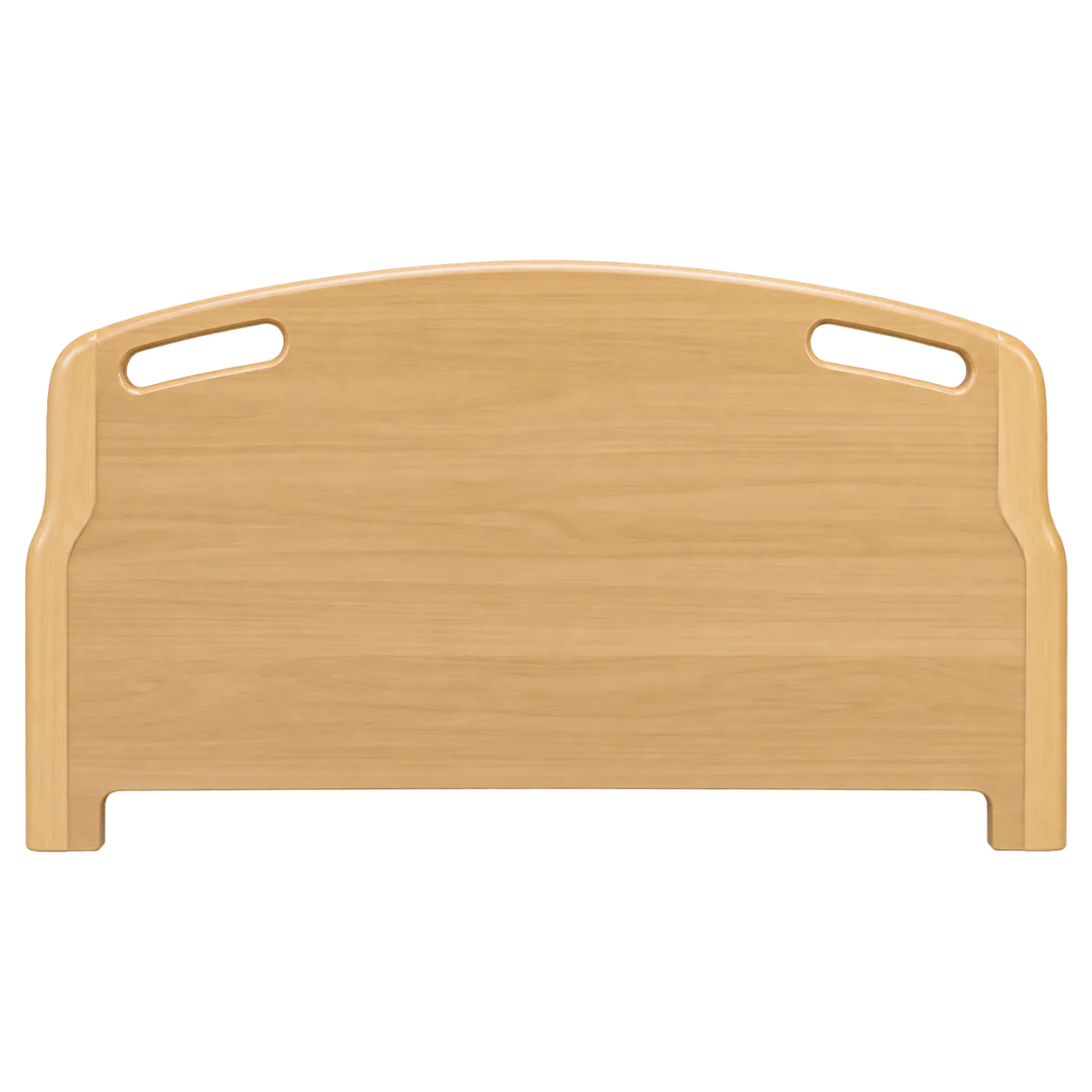
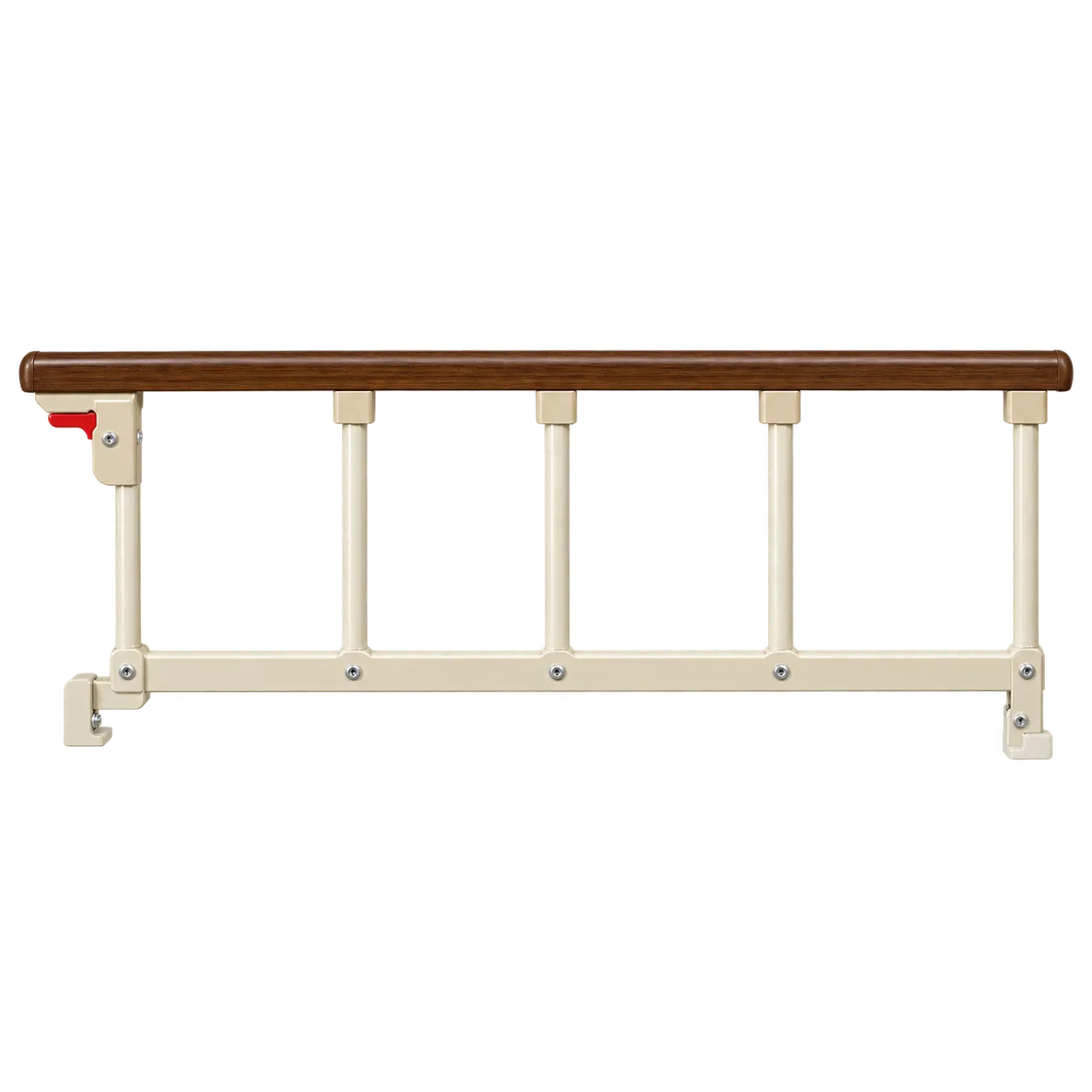
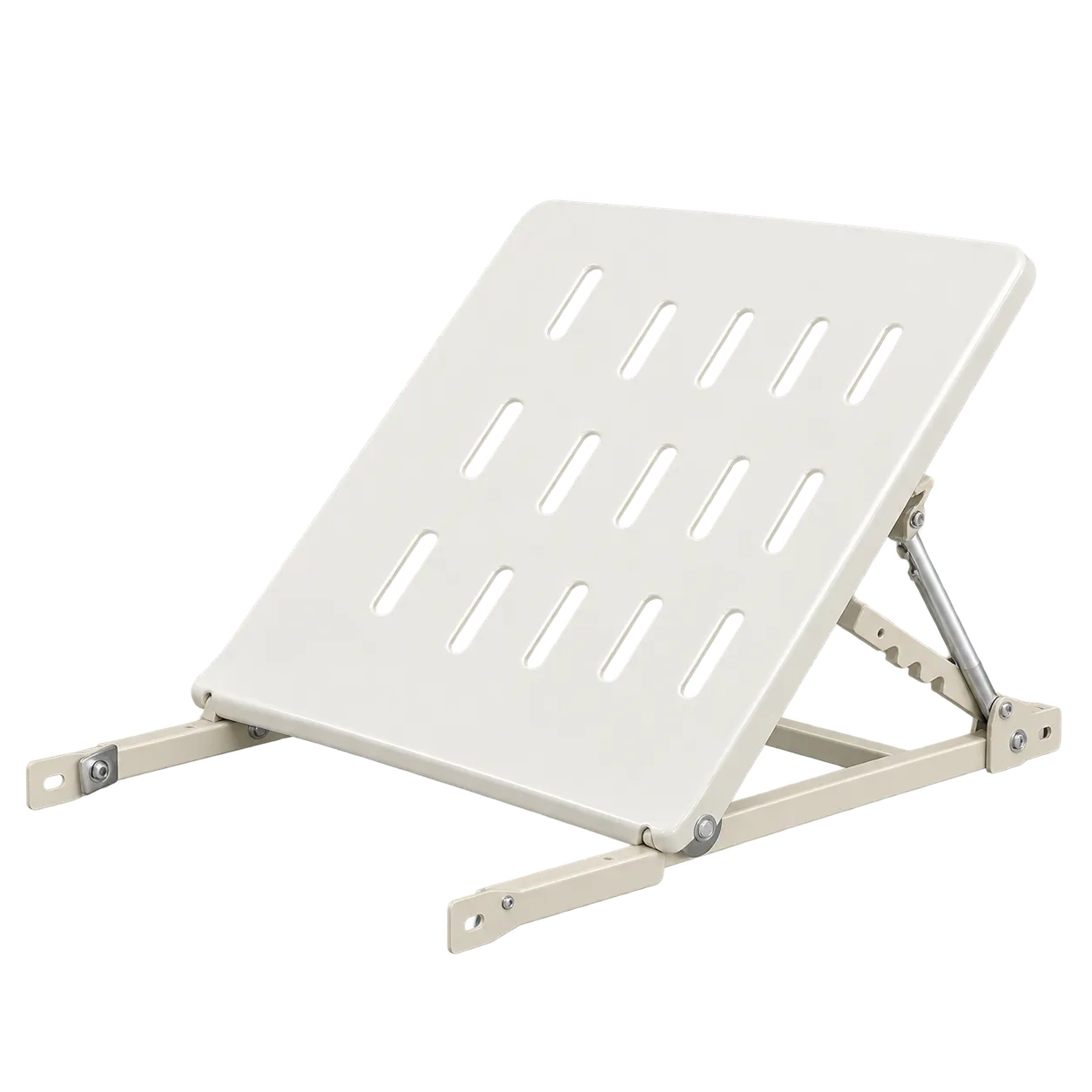

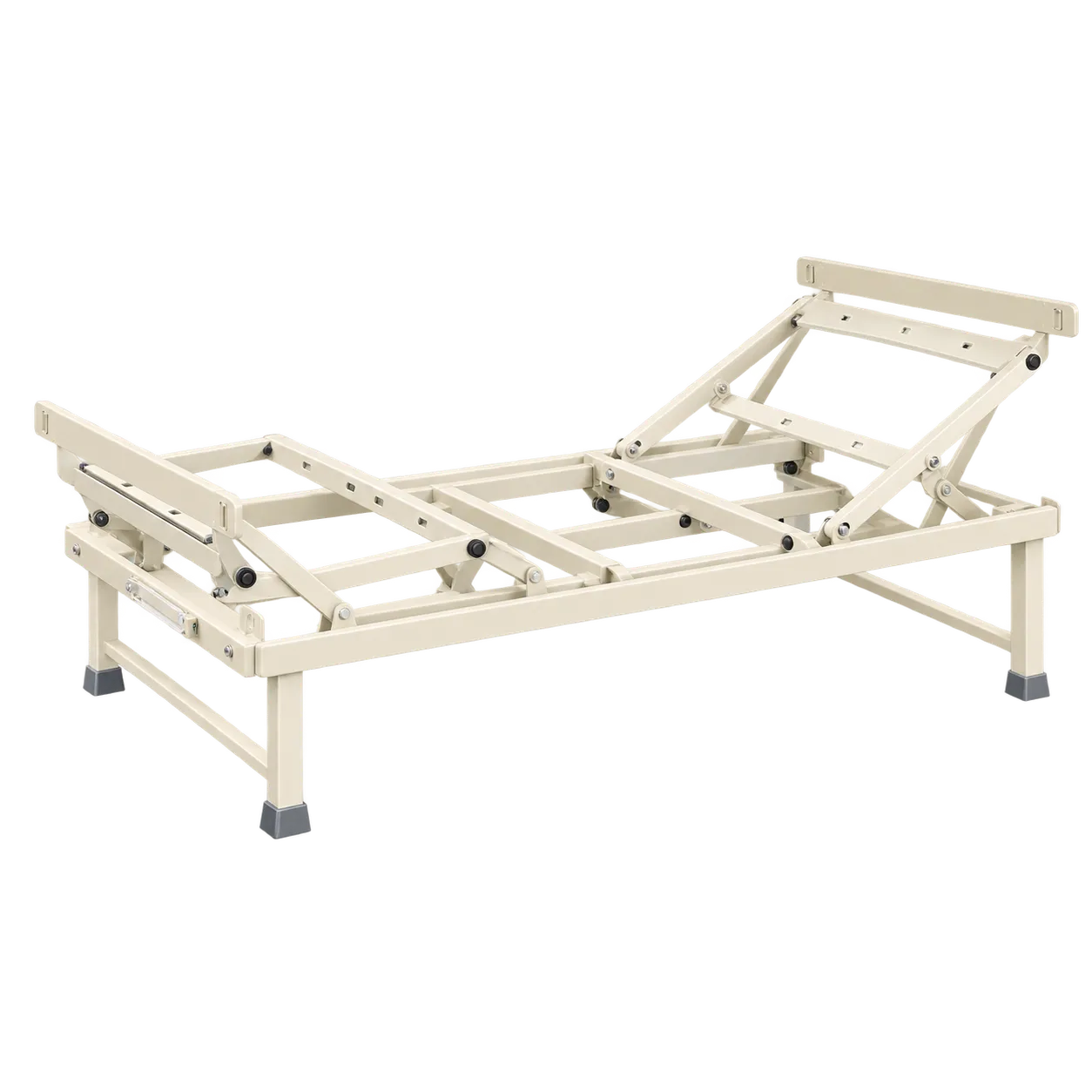

The DB-6 suits people who live in one room with their bed for the long term and still move in and out of it themselves. They include older adults at home, people with long-term conditions who rest for part of the day, and residents in supported living or small care homes. Its case is population fit. A stationary frame and an 1100 mm deck serve some people well and others poorly, and buyers should match the bed to the person.
The fit is strongest for people who push against the bed as they move. Sitting up on the edge, standing and lowering back down all put sideways force on the frame, and four rubber feet hold it in place. One carer can support the move without also bracing the bed. The 1100 mm frame gives room to turn and settle, and two cranks raise the backrest and leg section for meals, reading and visitors.
The fit is weak for other groups. People who need a bed wheeled away for cleaning, emergency access or a transfer need castors. Those needing long bedside care at height, or a low platform for high falls risk, need height adjustment. With a 1100 mm frame, the mattress must match the deck and sit closely against the rails, and MHRA bed rails guidance and NatPSA/2023/010/MHRA call for the rail, mattress and patient to be assessed together. Under the Manual Handling Operations Regulations 1992, moving the bed itself needs planning, since it has to be lifted or slid.
Community equipment services, NHS procurement routes and public buyers abroad will want the device class and a declaration of conformity on file. The manufacturer issues the conformity documentation those procurement routes require, and the enquiry team shares it.