
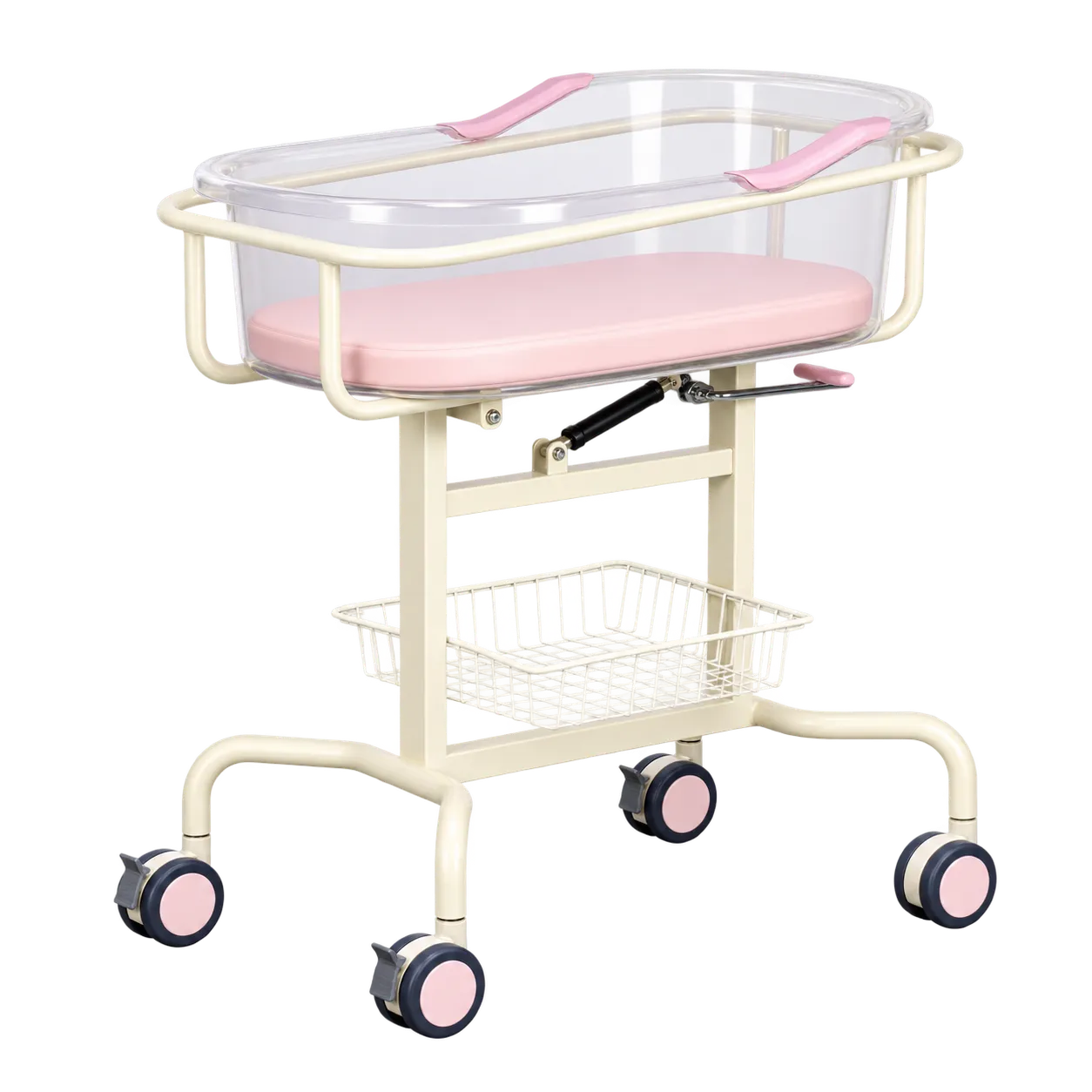
The D-2 suits maternity and postnatal wards, labour and delivery suites, newborn nurseries and transitional care areas, for healthy term and near-term babies. Its case is workflow. Each part of the cot answers a step in the midwife’s round, from the first glance at the baby to the wipe-down after discharge.
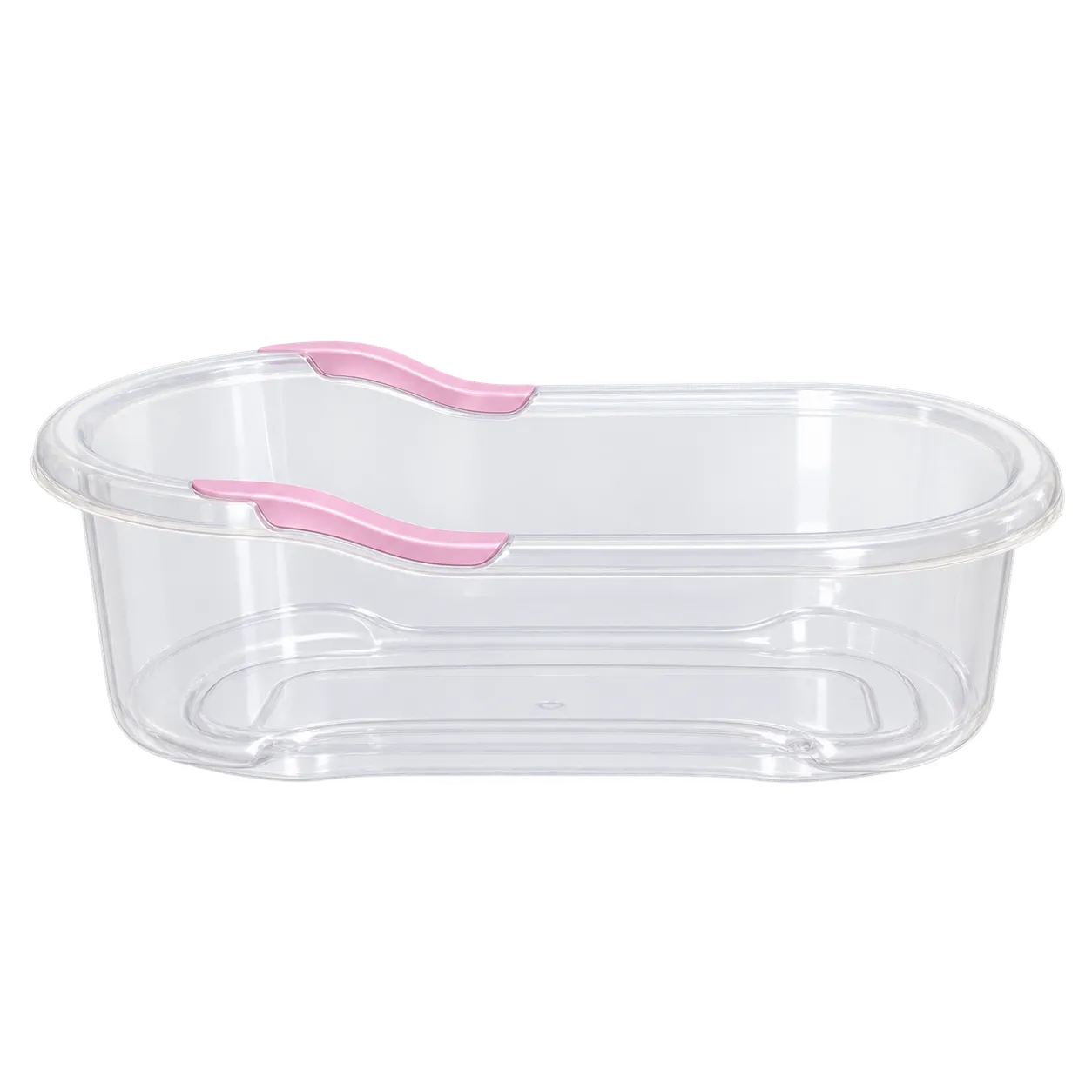
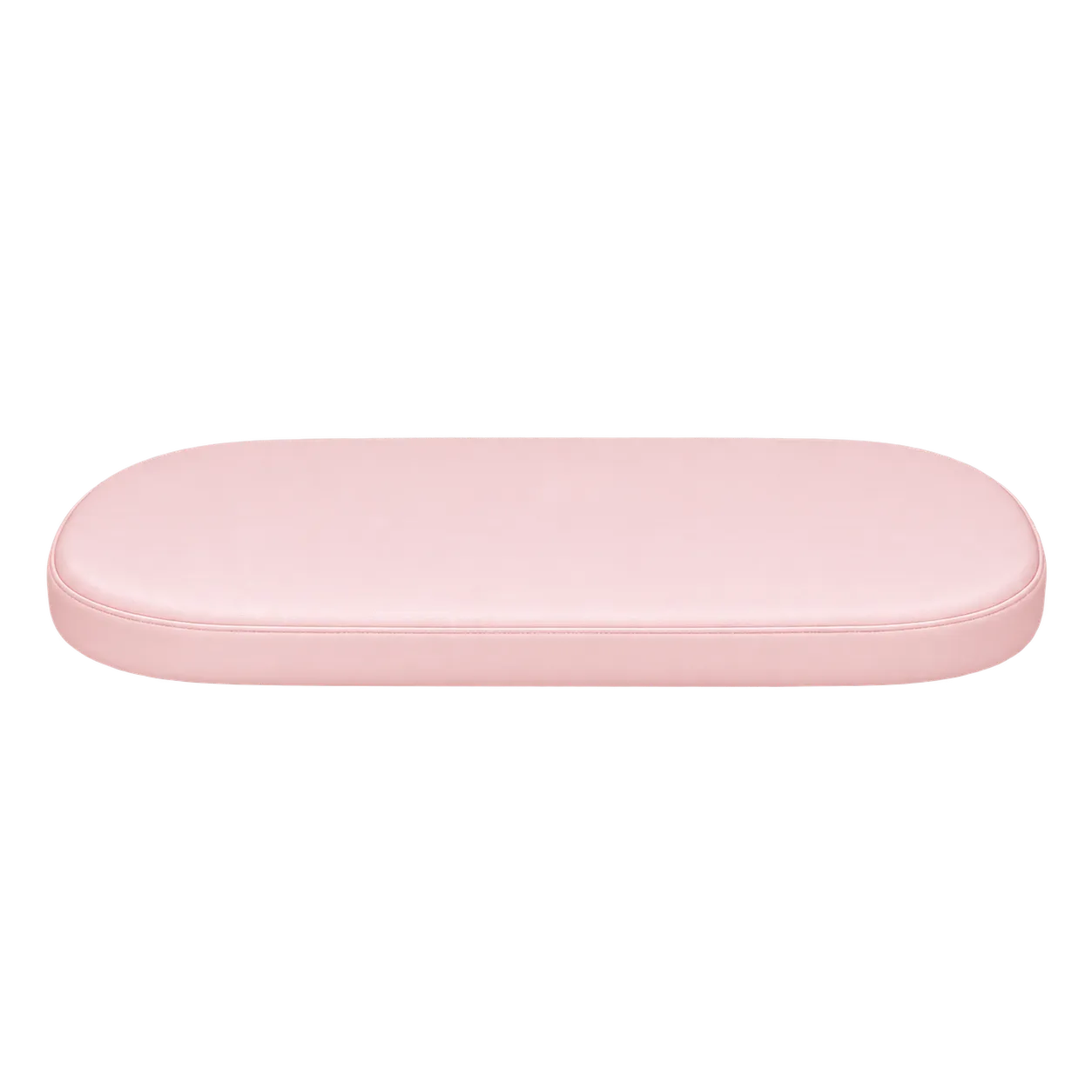
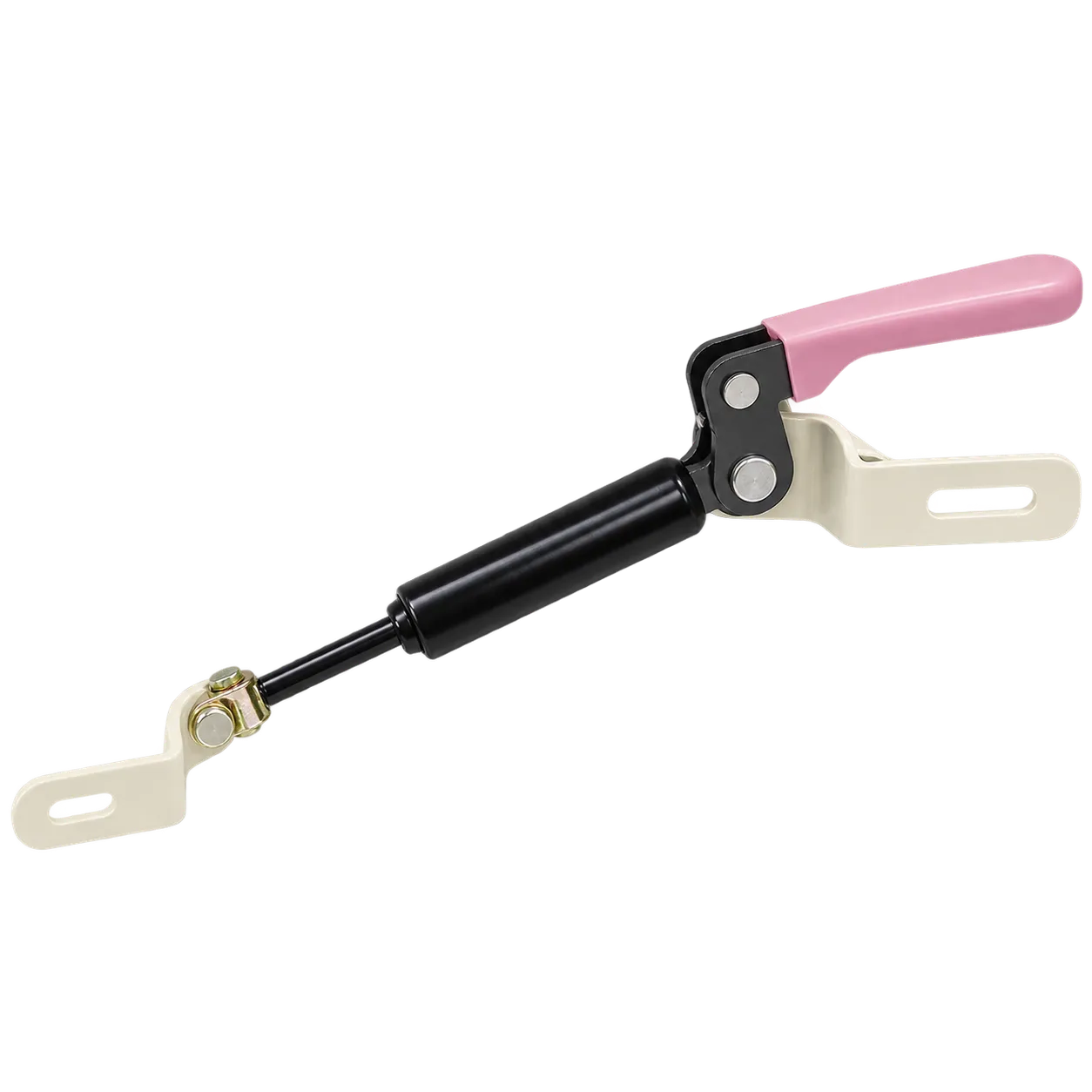
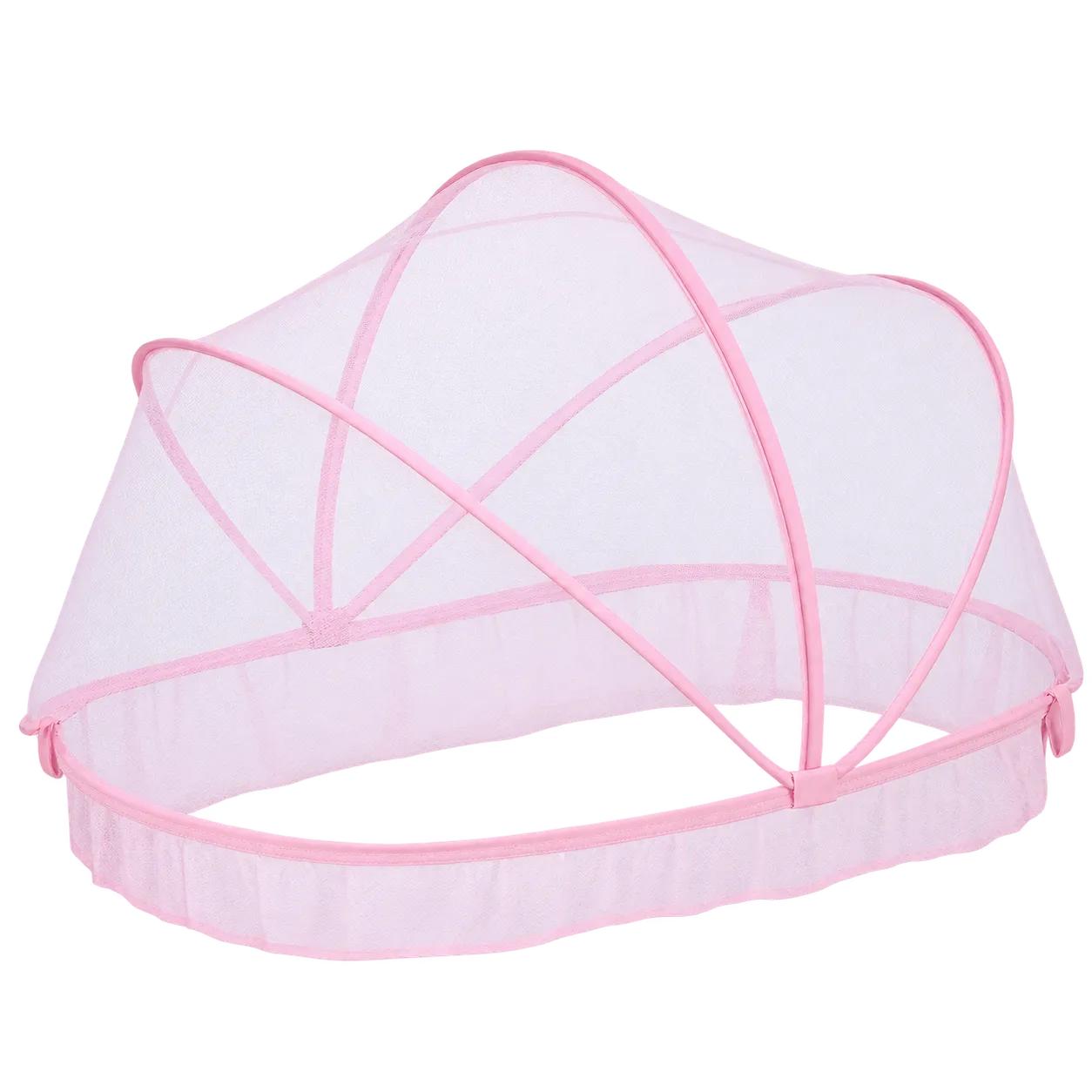
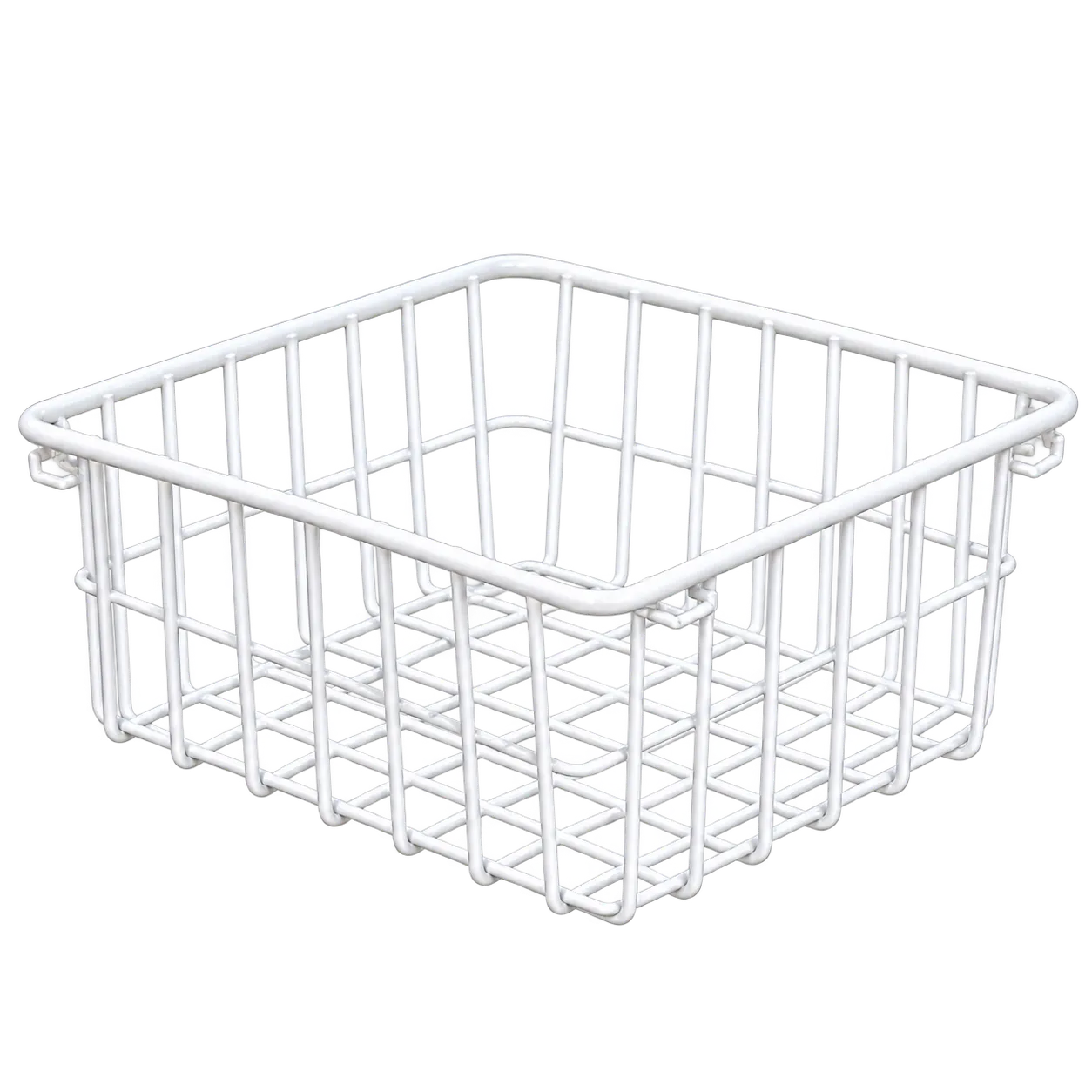
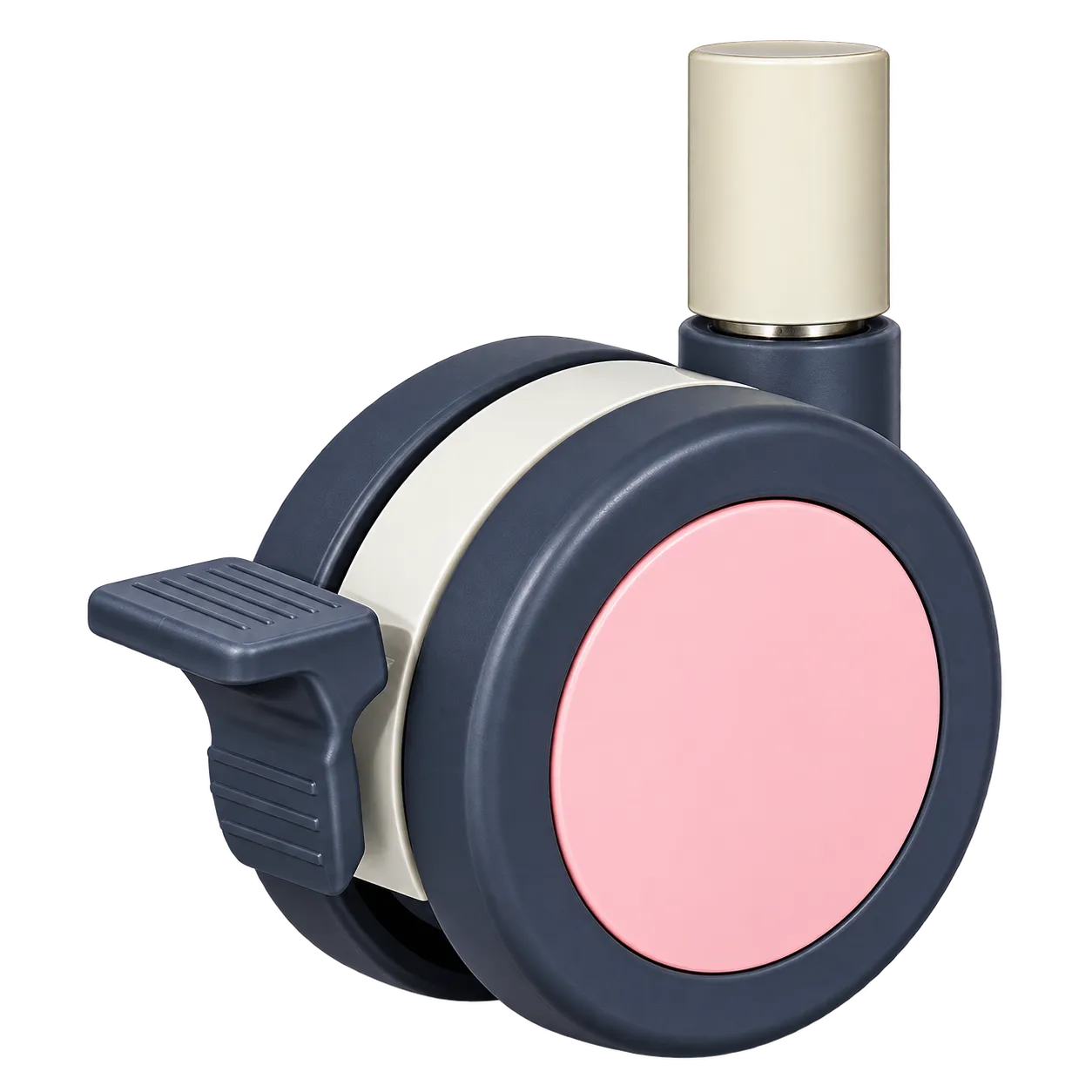
The round starts with looking. Transparent walls let a midwife check colour, breathing, and position from the doorway, and let a mother watch from her bed, supporting rooming-in. Supplies travel with the baby in a wire basket, and four castors move the cot from the delivery suite to the ward to the nursery. Where a clinician asks for head-up positioning, the handle and gas spring tilt the bassinet in one movement and hold it there. In regions with mosquitoes, the optional net covers the baby between feeds. After discharge, staff remove the mattress and clean the bassinet before the next baby.
Each step has a rule attached. Tilt is for clinical reasons only, because NHS safer sleep advice is for babies to sleep flat on their backs, so the bassinet should return to level. Brakes go on whenever the cot stops. The mattress has to fit the bassinet base closely, and nothing loose belongs in the cot. The D-2 has no warming, monitoring or height adjustment, so babies needing special or intensive care need equipment built for that.
Maternity building projects, NHS procurement routes and public tenders abroad will ask for the device status, the standards applied and a declaration of conformity. The manufacturer issues the conformity documentation those procurement routes require, and the enquiry team shares it.