

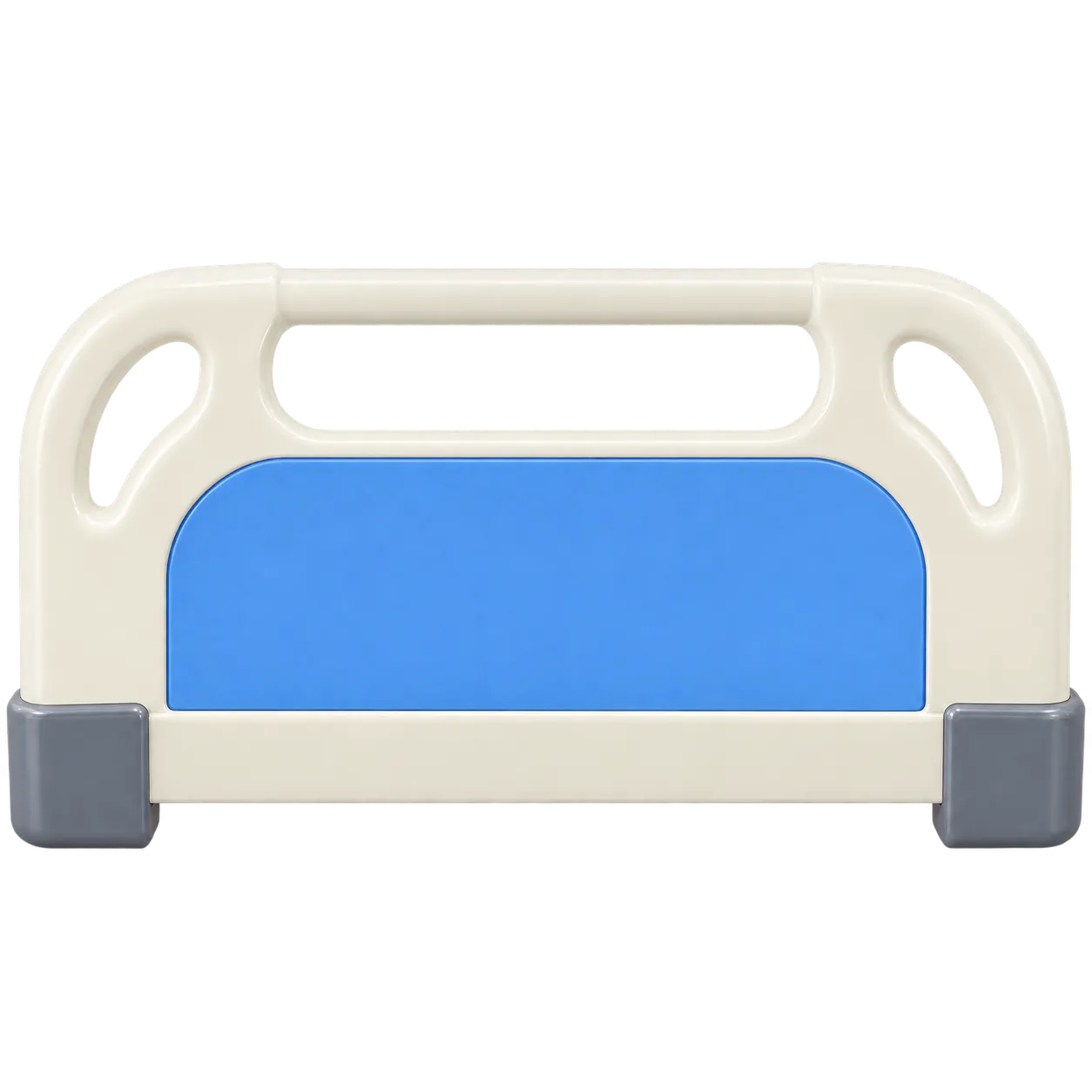
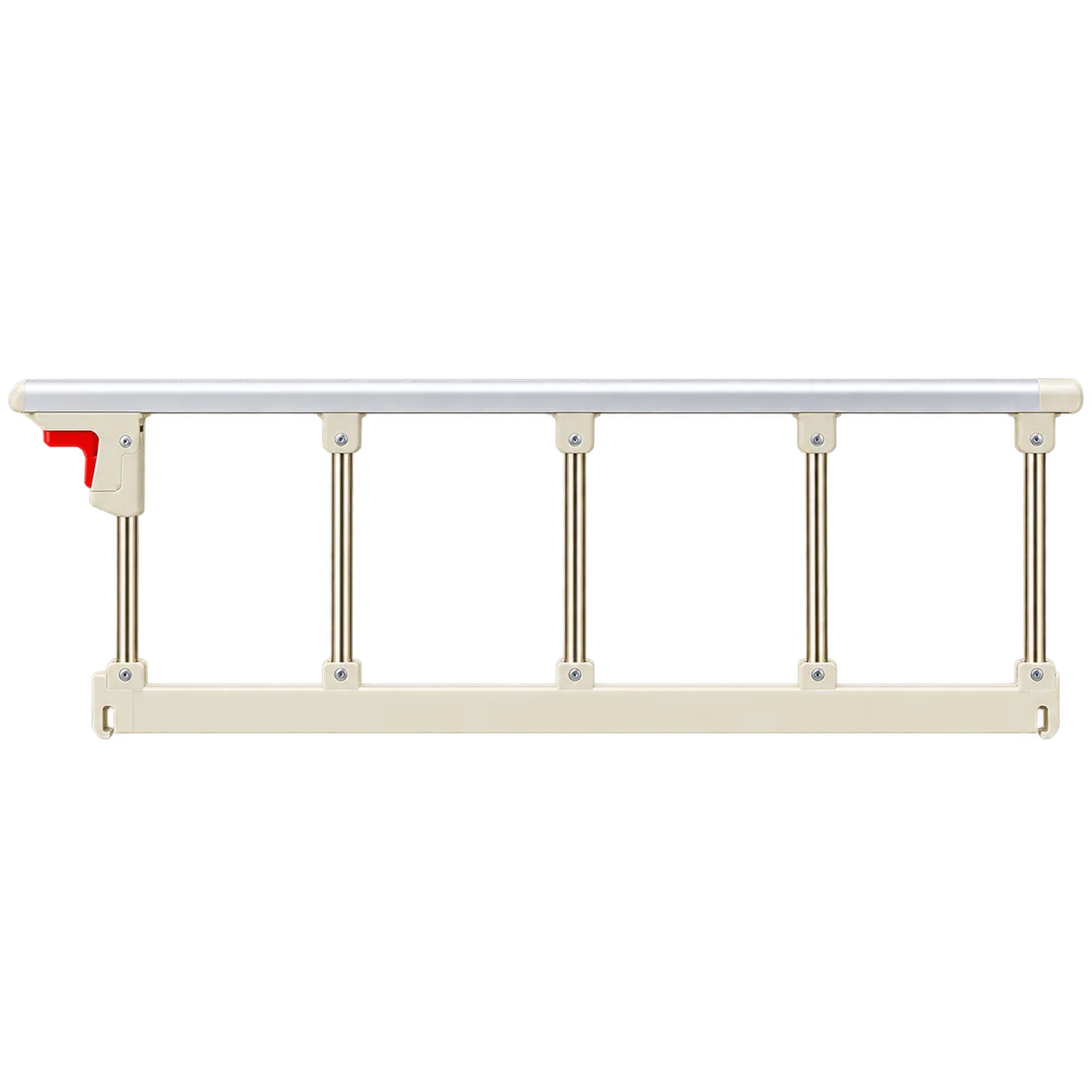
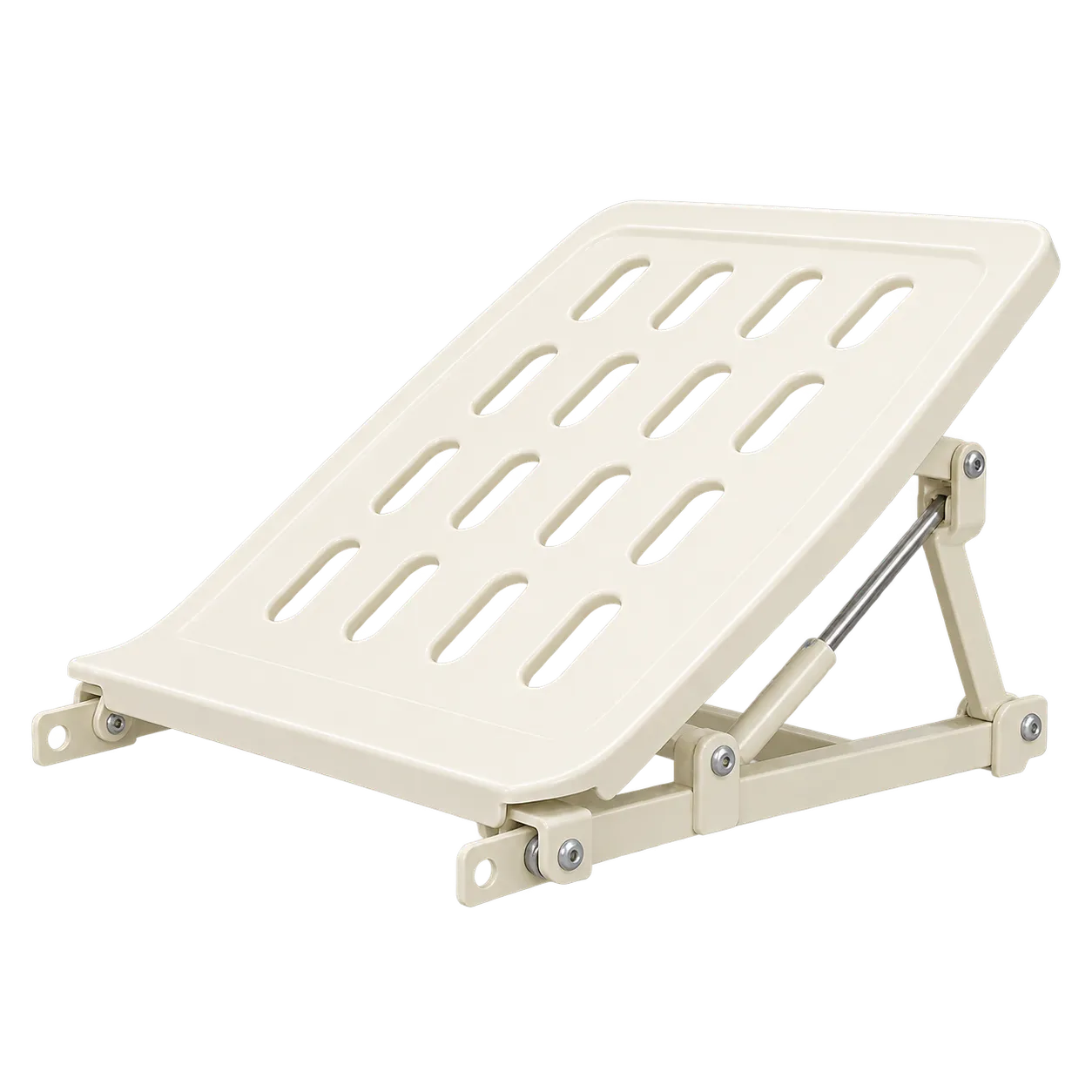
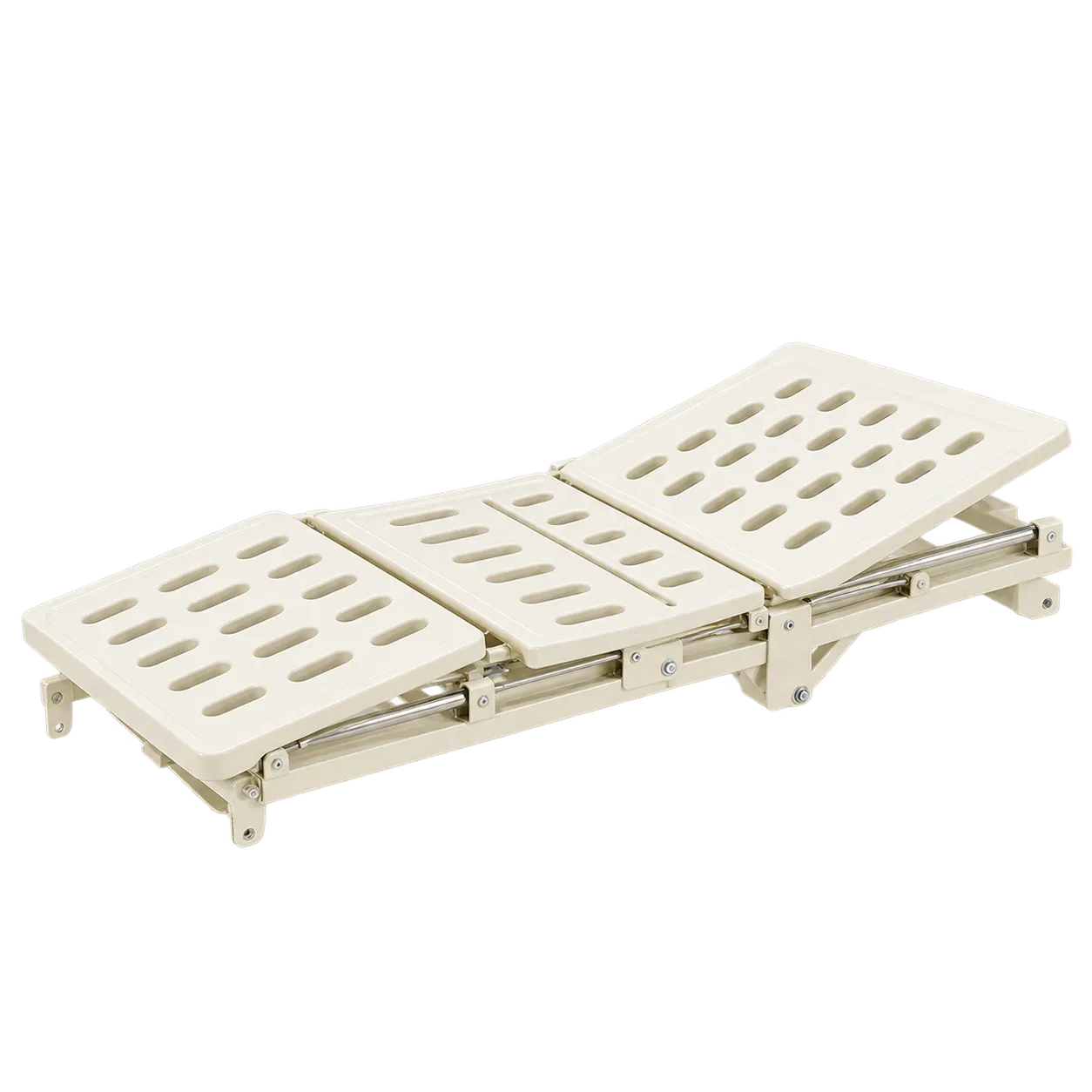
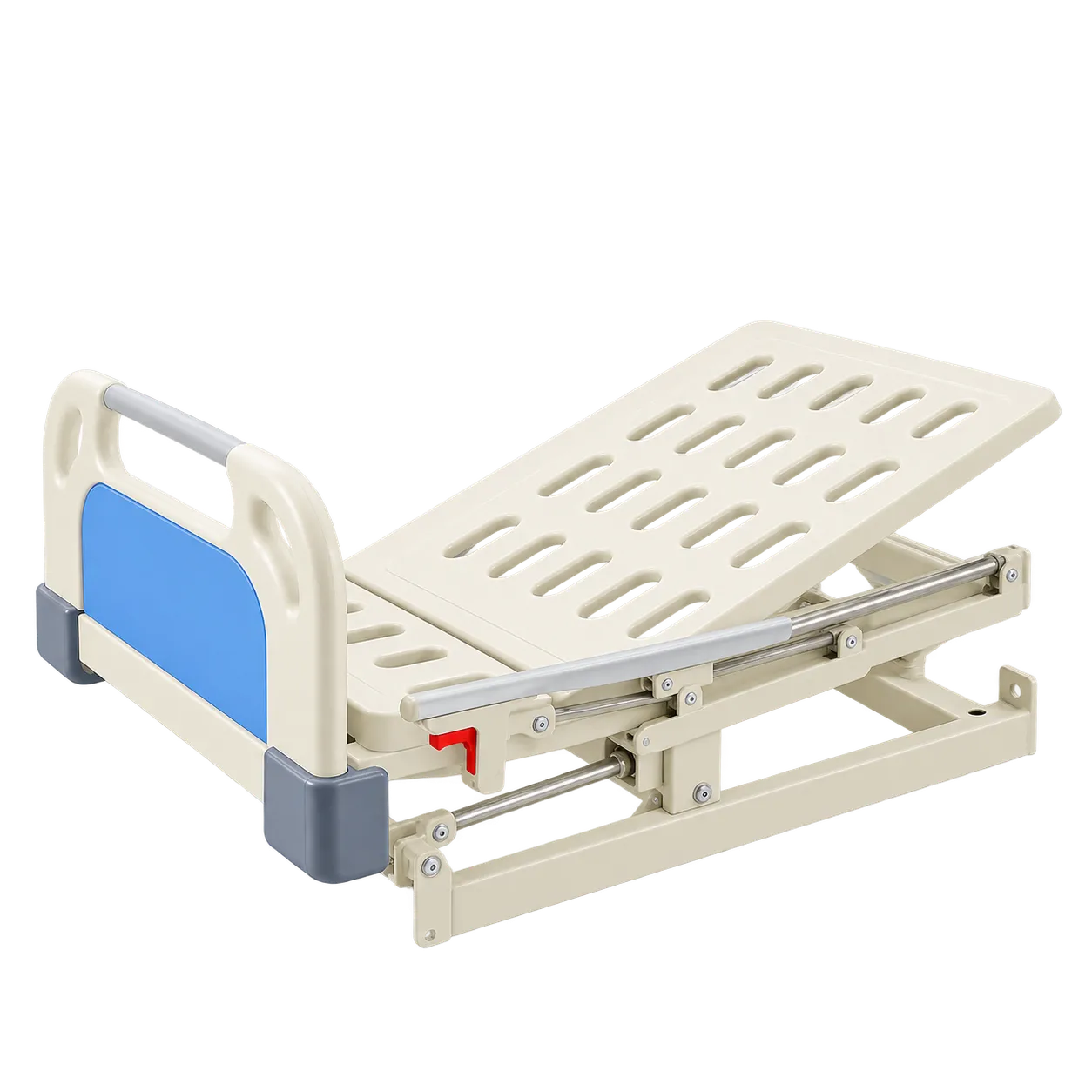
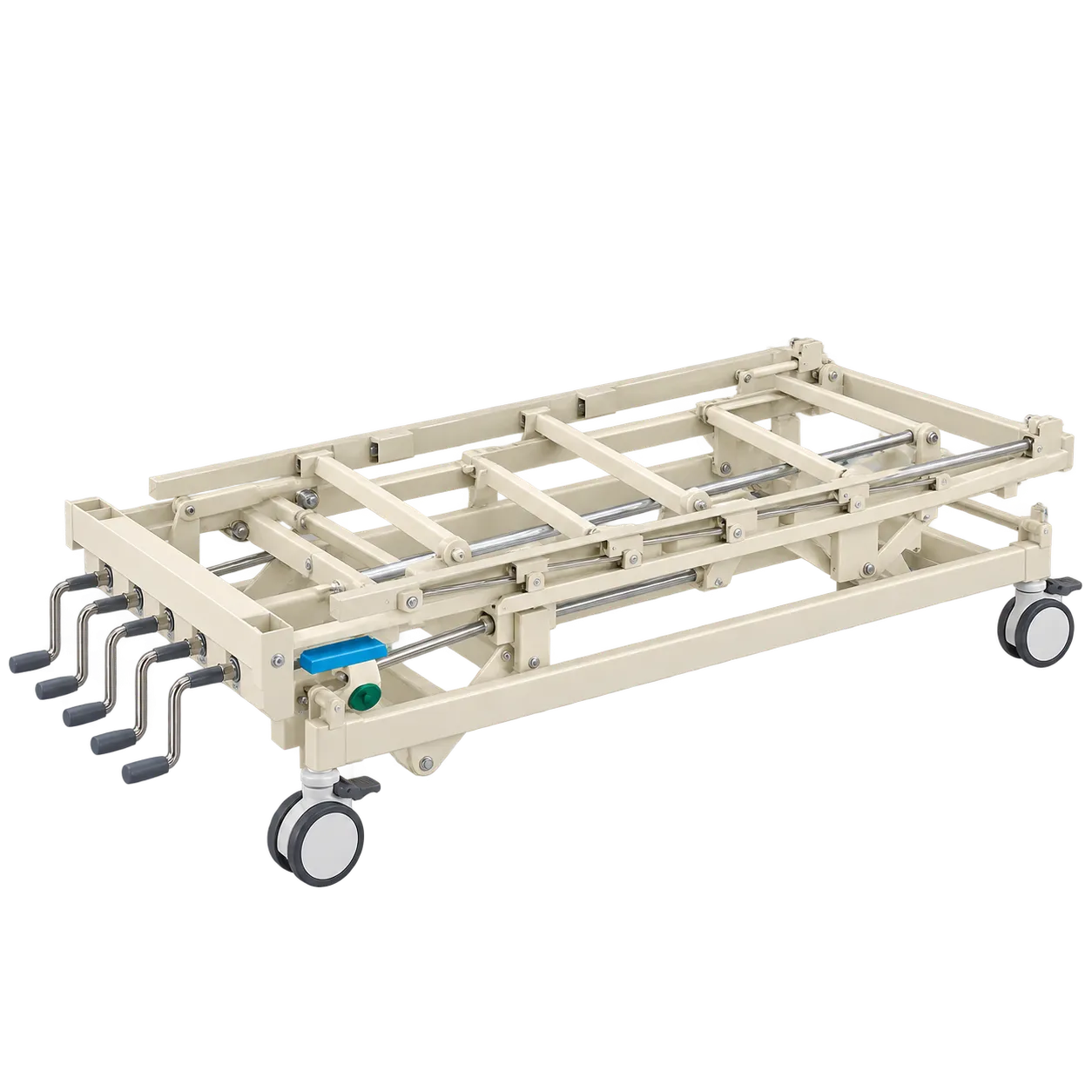
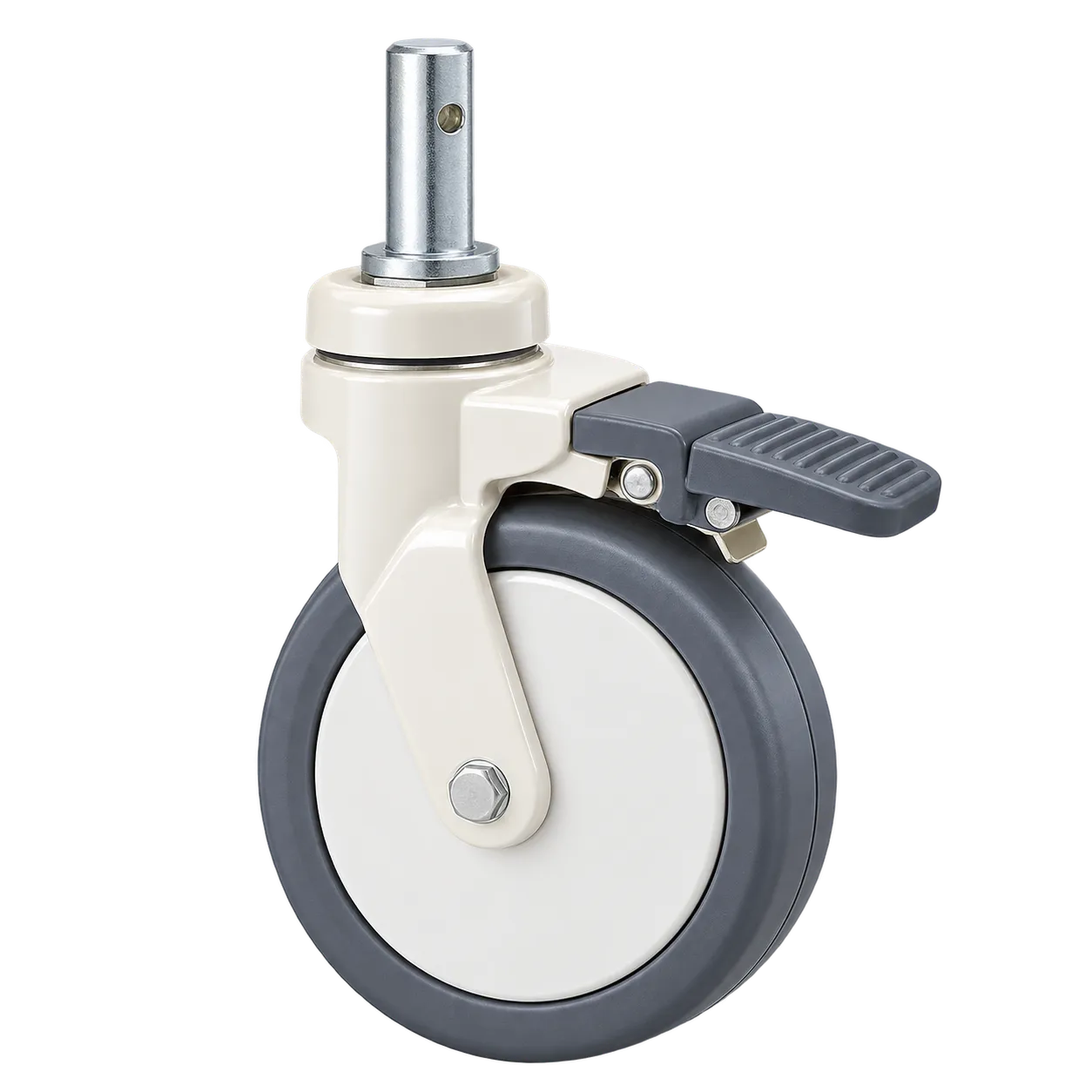
The B-9 fits adult inpatient wards, nursing and residential care, rehabilitation units, field and mobile hospitals, and clinics where mains power is unreliable or sockets are scarce. It keeps every position through a power cut and carries no electrical test burden, so it suits estates that want a bed fleet with nothing to charge or certify electrically.
The backrest covers the angles most care plans call for. Sitting a patient up for meals, oral care and conversation needs 30 to 45°, and the 70° ceiling reaches an upright posture for eating or chest examination. The 2026 Cochrane review of mechanically ventilated adults found that semi-recumbent positioning reduces ventilator-associated pneumonia compared with lying flat. It also found that angles of 40 to 45° probably make little difference in clinically suspected pneumonia compared with 30°, and that higher angles increase pressure ulcers. Head elevation is a care decision with a cost, and the bed only makes it possible.
The Trendelenburg range needs the same honesty. A 2012 systematic review in Emergencias found the evidence too inconsistent to call head-down tilt beneficial in hypotension. A meta-analysis by Geerts and colleagues found cardiac output rose by about 9% at one minute, then fell to about 4% within ten. The tilt earns its place in repositioning, procedures and patient comfort, and it is no treatment for shock.
Height travel from 490 to 860 mm lowers the platform for transfers and raises it to a working height for washing and dressings. NHS procurement routes, and equivalent public purchasing elsewhere, require the device class and a declaration of conformity. The manufacturer issues the conformity documentation required by those procurement routes, and the enquiry team shares it.