
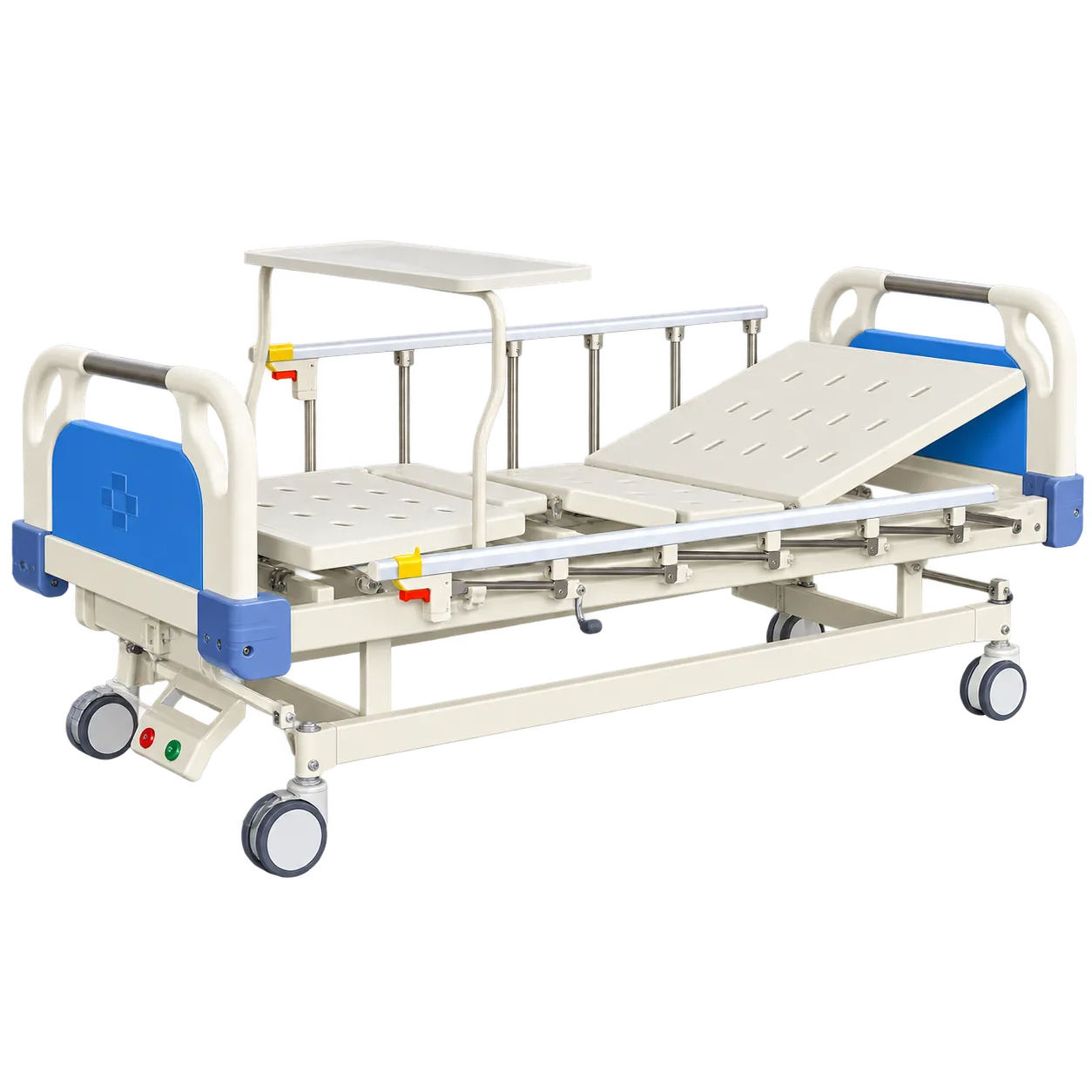



Medical and older people's wards, where most patients eat their meals in or beside the bed, are the clearest fit for the B-6. When patients sit upright with the table already in place, trays can go straight to those who feed themselves, while staff and volunteers spend the meal with patients who need help.
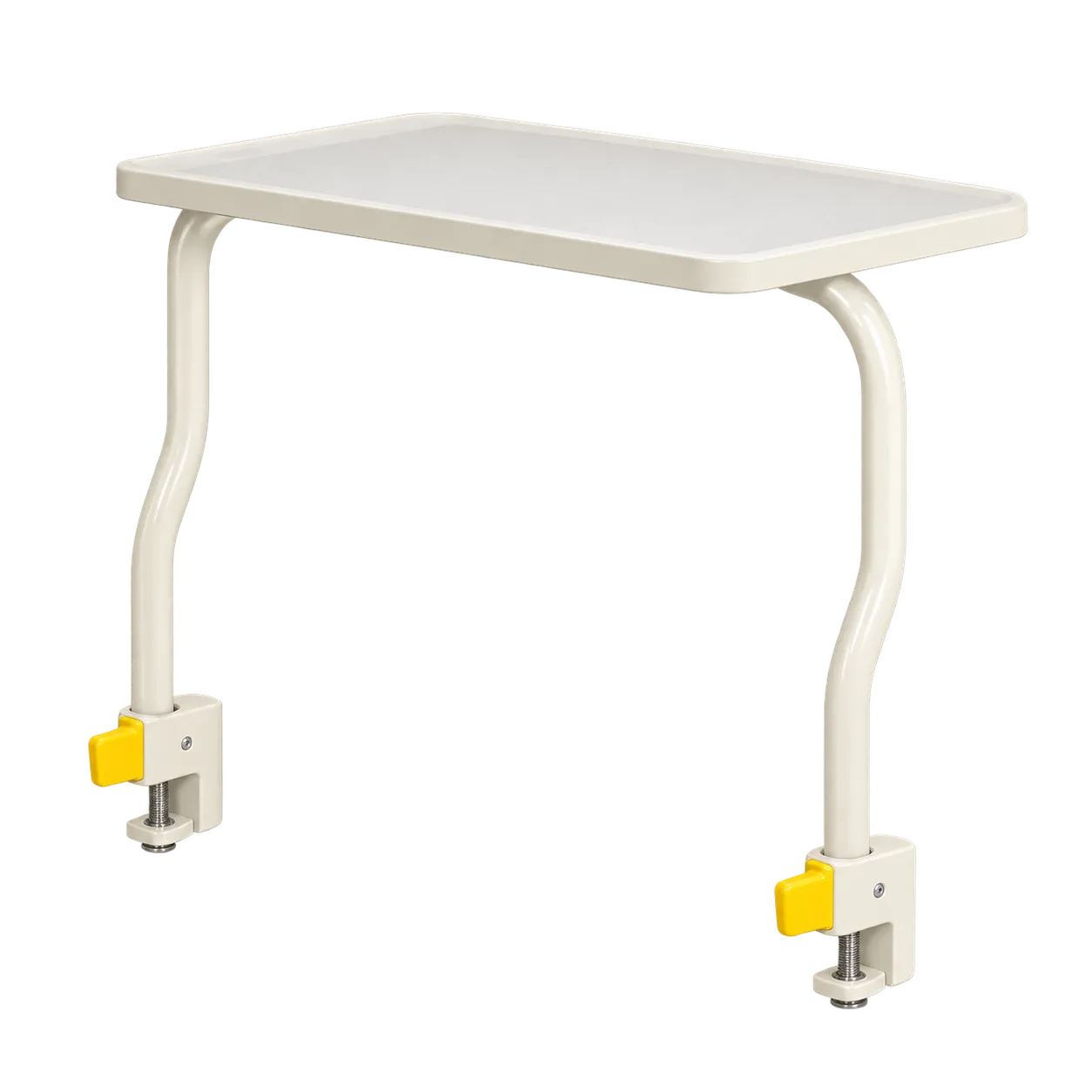
Care and nursing homes can use it for residents who take breakfast or supper in their rooms. The backrest and leg section give a comfortable, supported sitting position, and the table keeps food, drinks and personal items close at hand throughout the day.
Rehabilitation and convalescent units benefit where patients are regaining independence. Eating unaided from a well-placed table is one of the first everyday tasks patients take back, and the bed supports it without any extra equipment.
Wards running protected mealtimes or volunteer mealtime assistance programmes can pair the B-6 with those routines, so that assistance goes where it adds most to what patients actually eat. Position patients with swallowing difficulties as their speech and language therapy assessment directs.
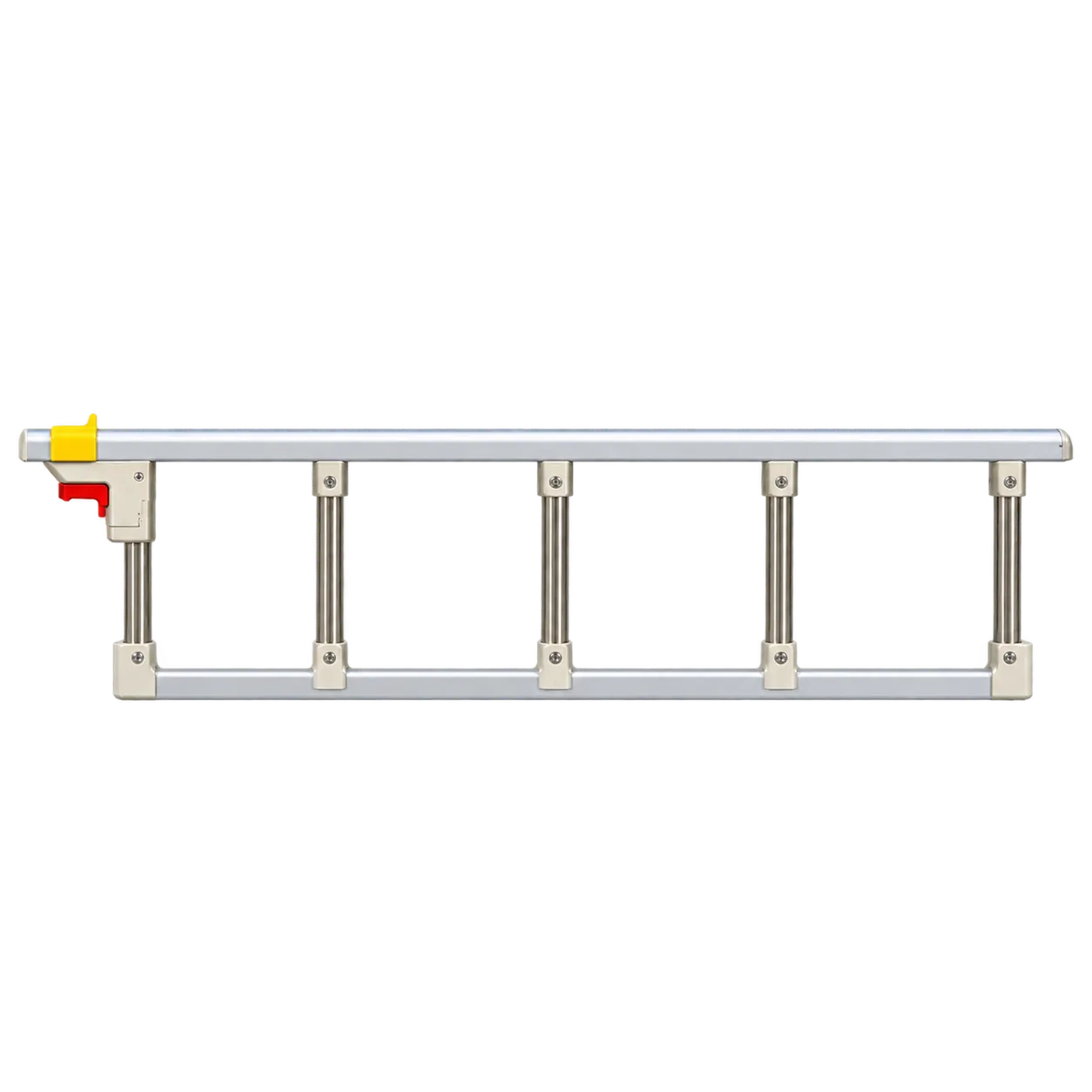
Where rails are fitted, MHRA guidance and the 2023 National Patient Safety Alert govern their assessment, fitting and maintenance, with an individual assessment covering the mattress in use.
The B-6 is a poor fit for dependent patients needing frequent bedside care or assisted transfers, for children, for bariatric patients until the safe working load is confirmed, for patients at high risk of falling from bed, and for care requiring head-down tilt.
Public procurement routes, including NHS frameworks and equivalent tenders elsewhere, ask for the declaration of conformity, the standard edition tested, and the device class. The conformity documentation those procurement routes require is issued by the manufacturer and provided by the seller.