
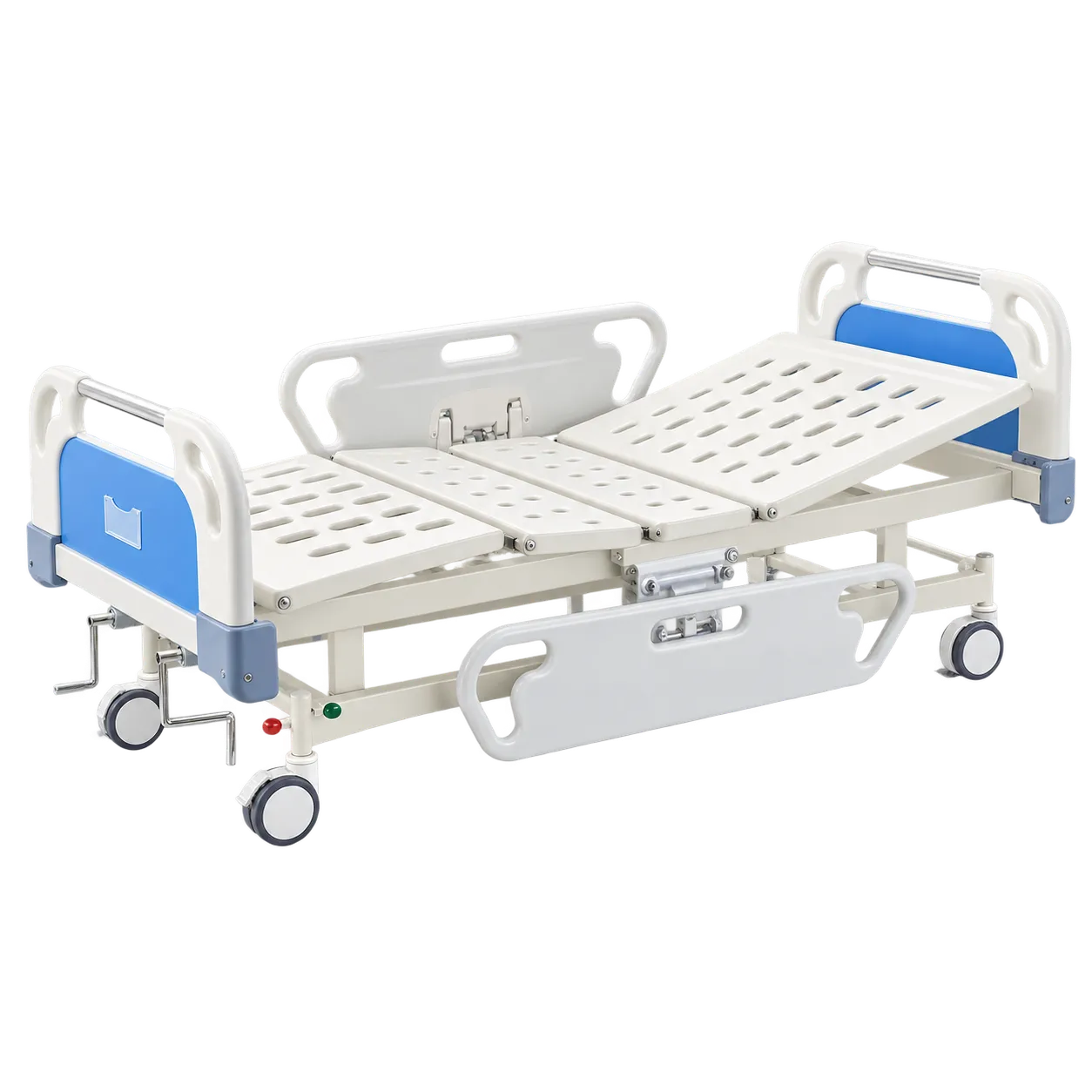


General medical and surgical wards that send patients to imaging, procedure rooms and clinics are the clearest fit for the B-5. Patients who can travel in their own bed avoid a lateral transfer at each end of the journey, and staff avoid the handling that goes with it.
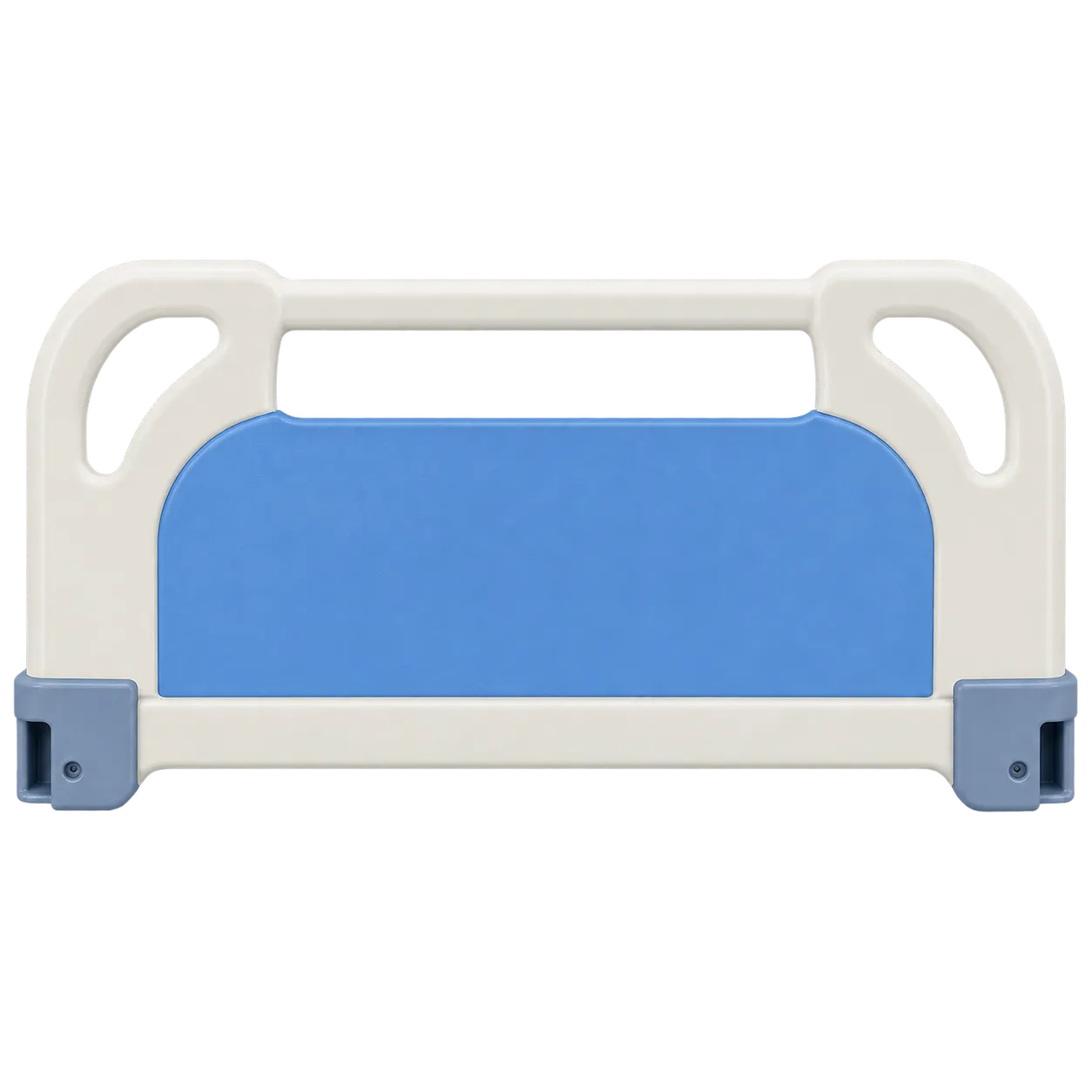
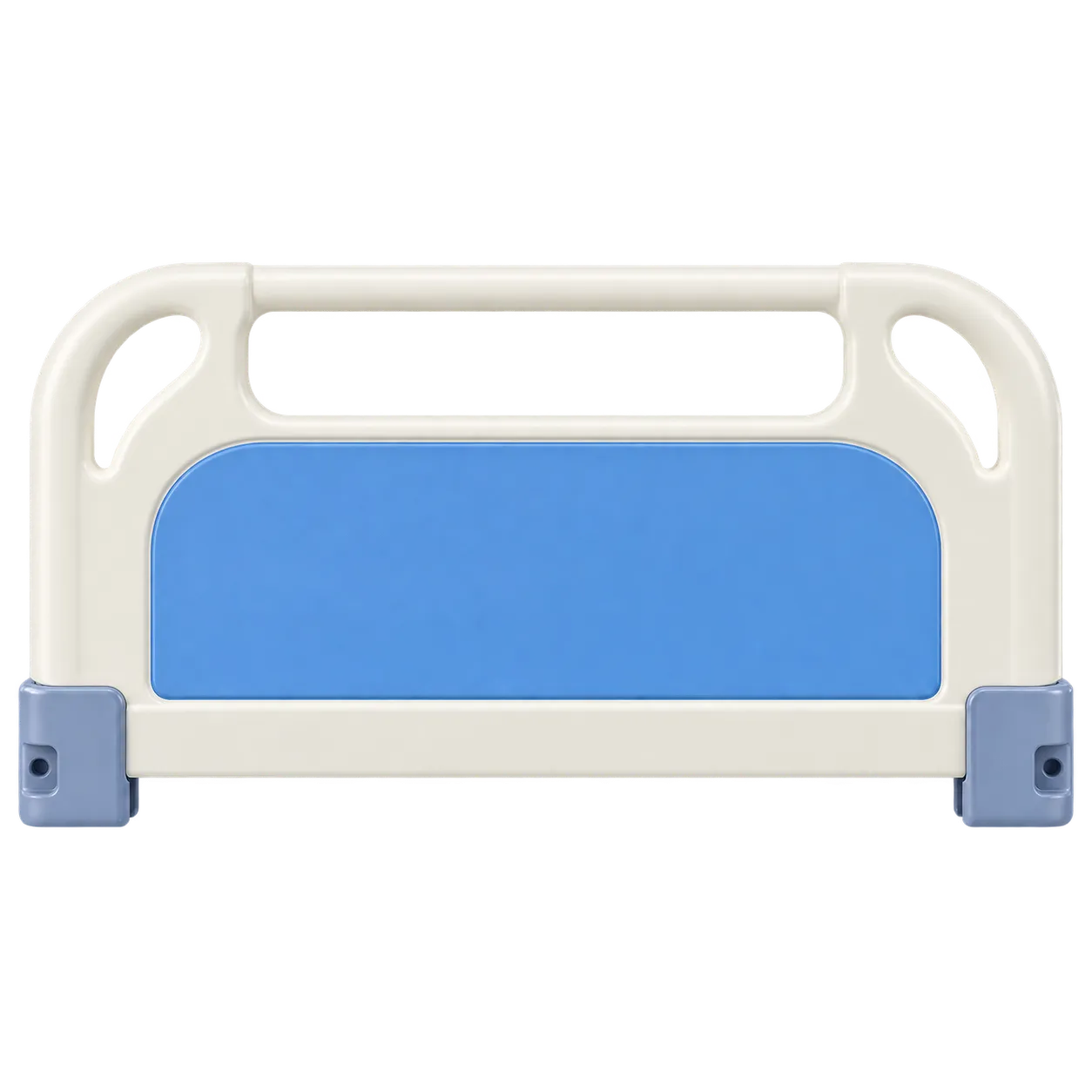
Hospitals with established portering services benefit from the push handles at both ends. A porter can steer from the foot while a nurse or second porter guides from the head, and the corner bumpers protect door frames, lift cars and corridor walls on every move.
Short-stay, observation and assessment units, where patients move between areas several times a day, can use it as a working bed that doubles as transport inside the building. The backrest and leg section keep patients comfortably seated for the journey and for meals, drinks and conversation on arrival.
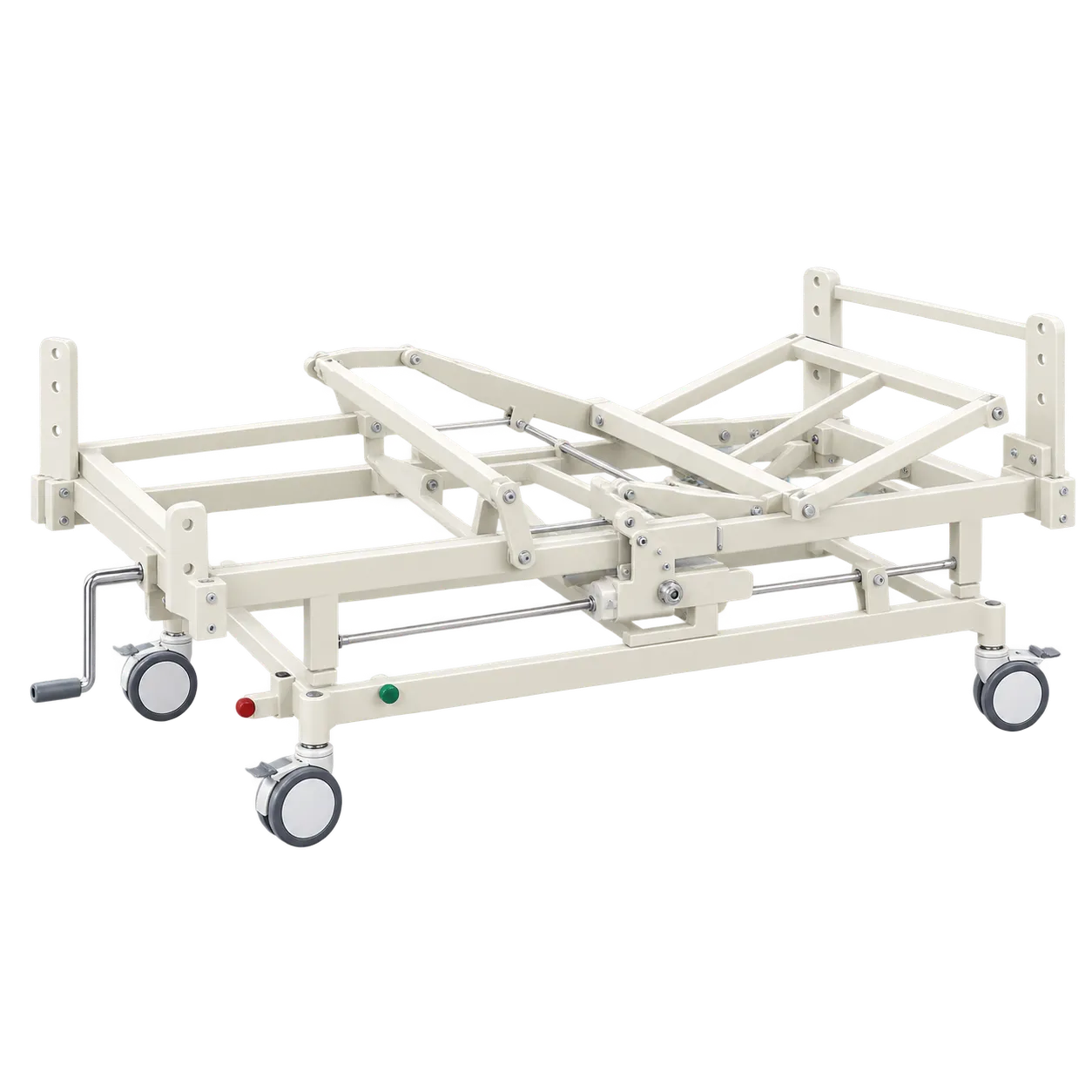
Community and district hospitals, and care settings with intermittent power, gain a bed that needs no socket before or after a move and keeps both functions available through outages.
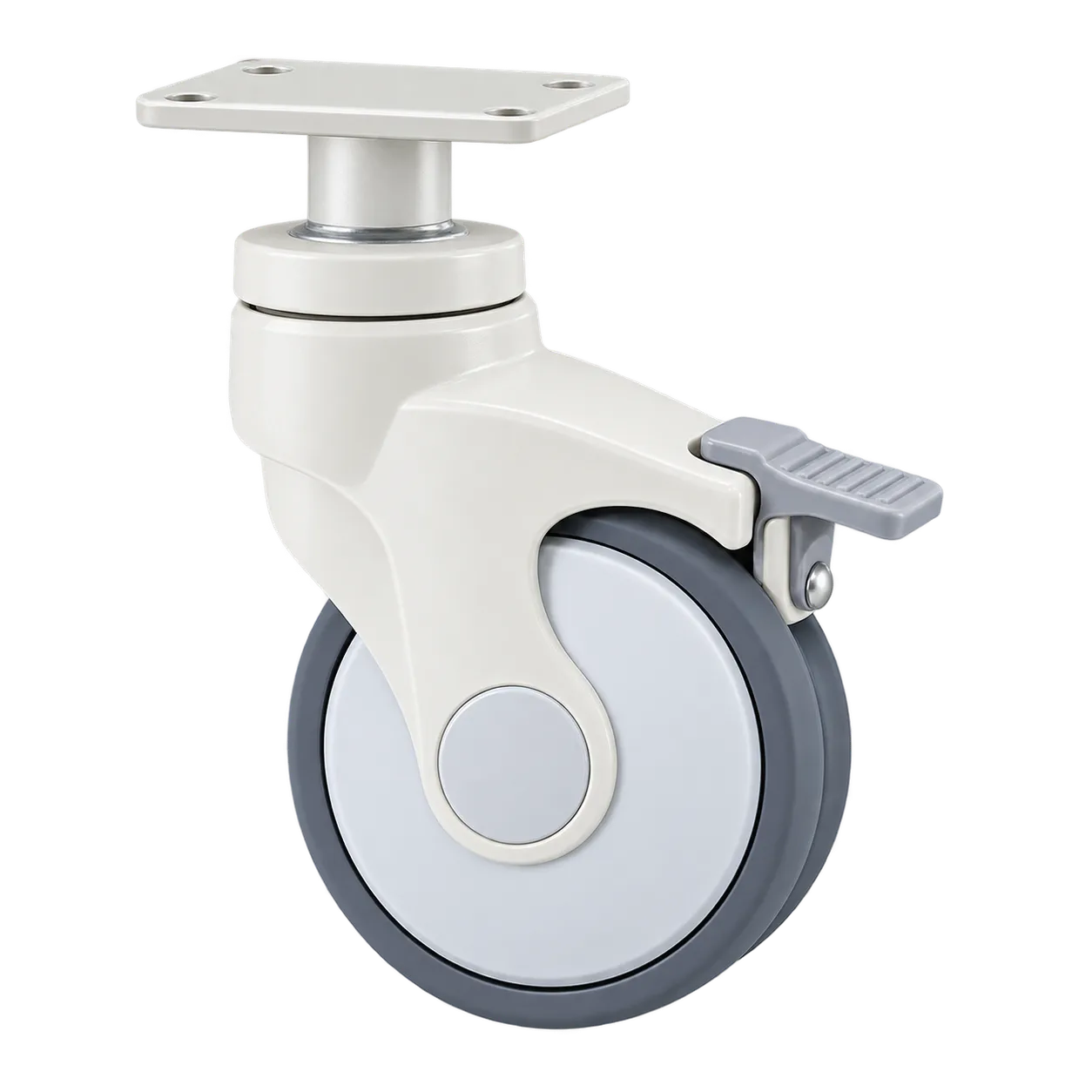
Plan moves under the HSE pushing and pulling guidance, with attention to slopes, thresholds, and castor condition. Where rails are fitted, MHRA guidance and the 2023 National Patient Safety Alert govern their assessment, fitting and maintenance.
The B-5 is a poor fit for dependent patients needing frequent bedside care or assisted transfers, for children, for bariatric patients until the safe working load is confirmed, for patients at high risk of falling from bed, and for care requiring head-down tilt.
Public procurement routes, including NHS frameworks and equivalent tenders elsewhere, ask for the declaration of conformity, the standard edition tested, and the device class. The conformity documentation those procurement routes require is issued by the manufacturer and provided by the seller.