

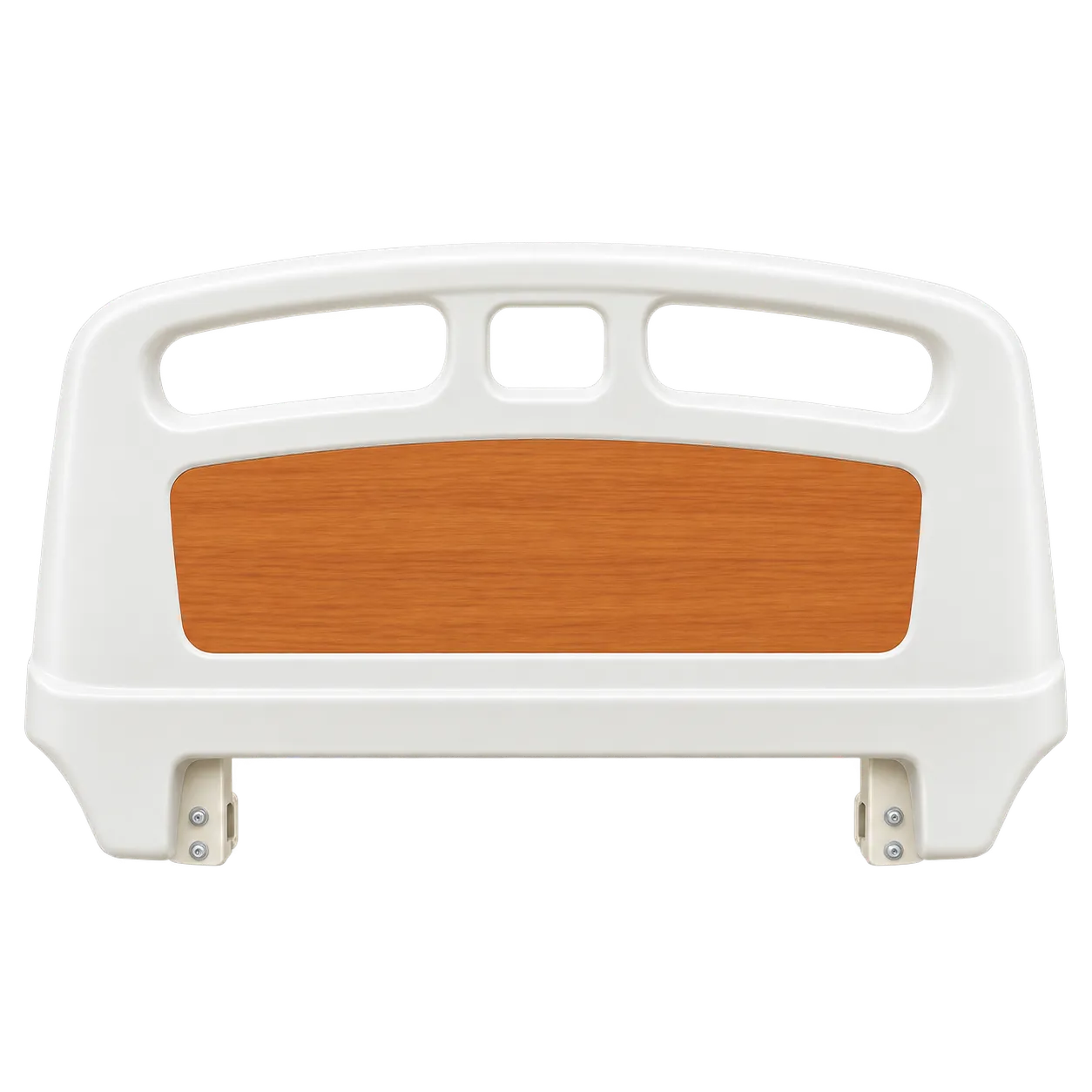

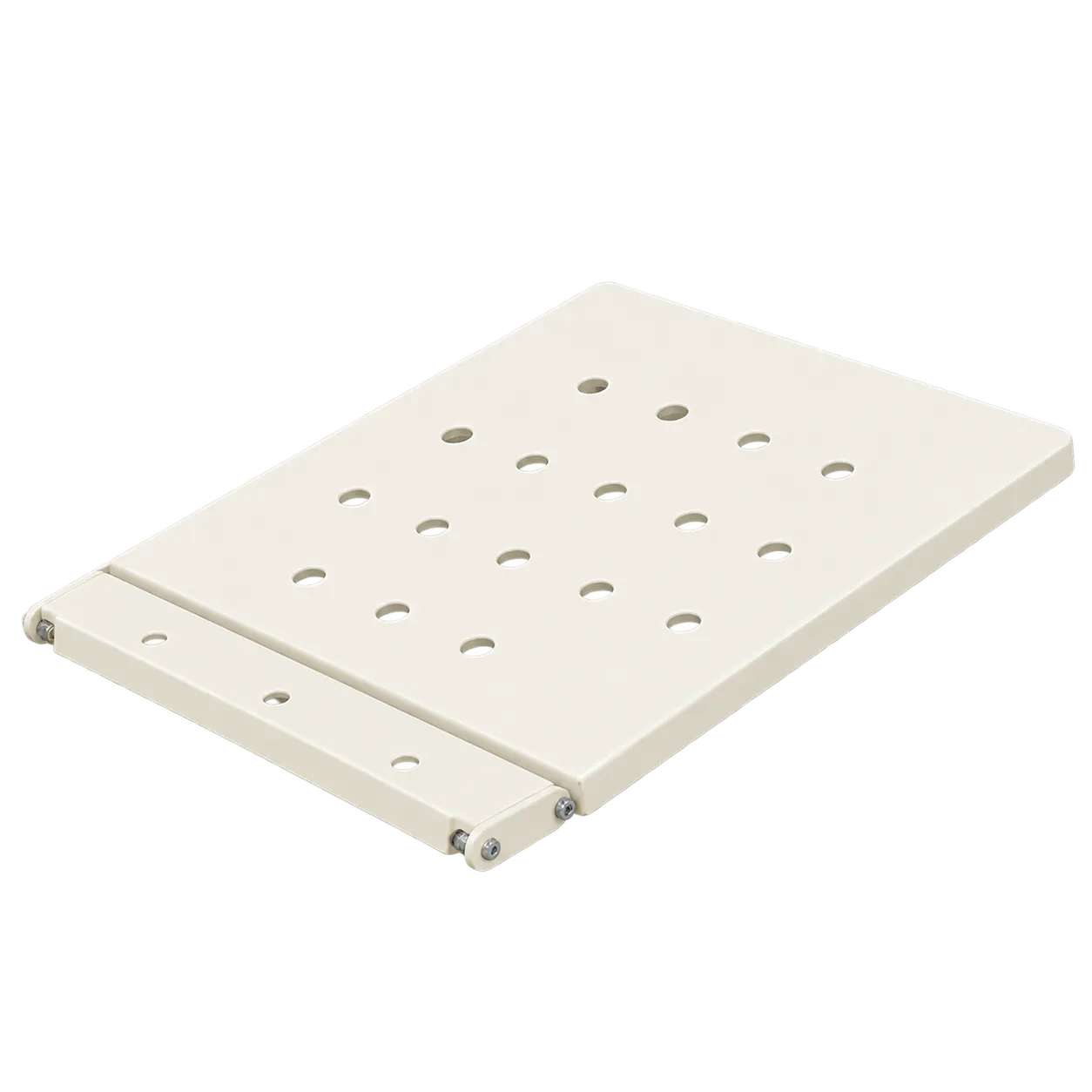

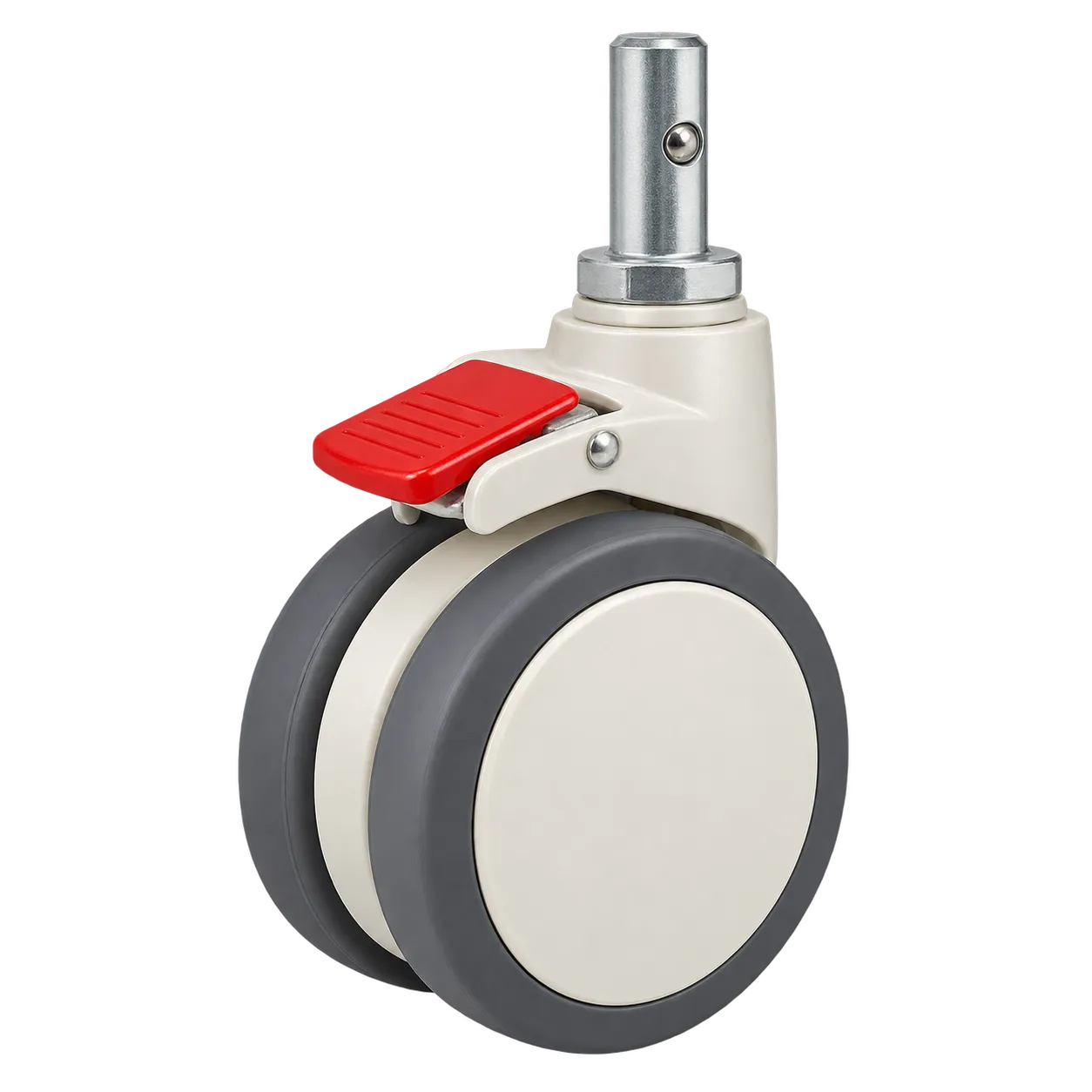
The B-4 suits organisations that are inspected closely and want the equipment side of that inspection to be simple. Community hospitals, care and nursing homes, and step-down units can all equip bedspaces with it and keep one set of records per bed: the declaration, the service history and, where rails are used, the individual risk assessments.
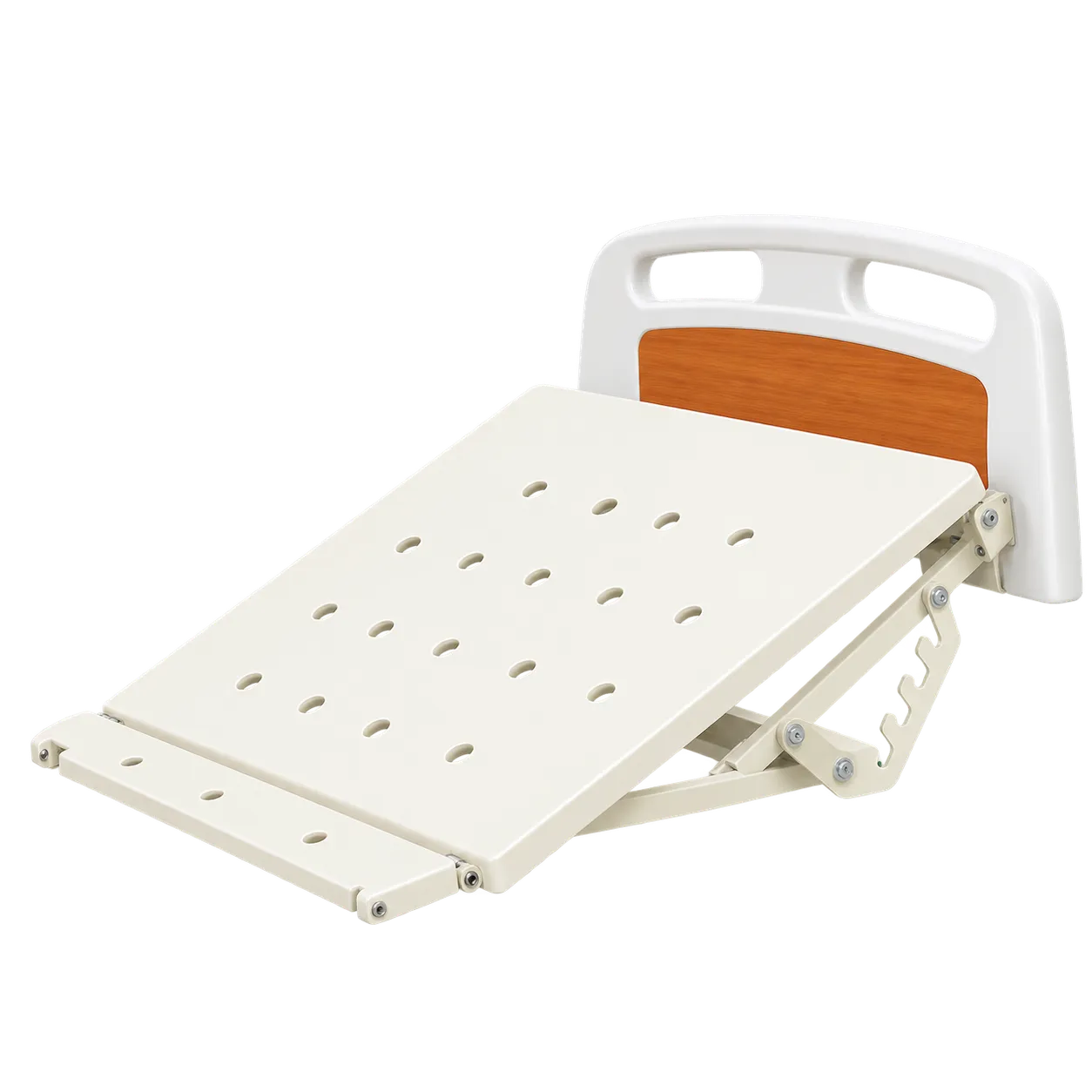
Its clinical role is the two movements. The backrest lets patients sit up to eat, drink, take medication and breathe more easily, and the leg section helps hold that position and limit the sliding that causes shear. That suits patients who largely manage their own movement and transfers.
Public-sector and charitable providers buying through tenders benefit from documentation that is short and easy to check. The declaration of conformity, standard edition, device class and UK Responsible Person details cover the product; maintenance, training and rail assessment records cover its use.
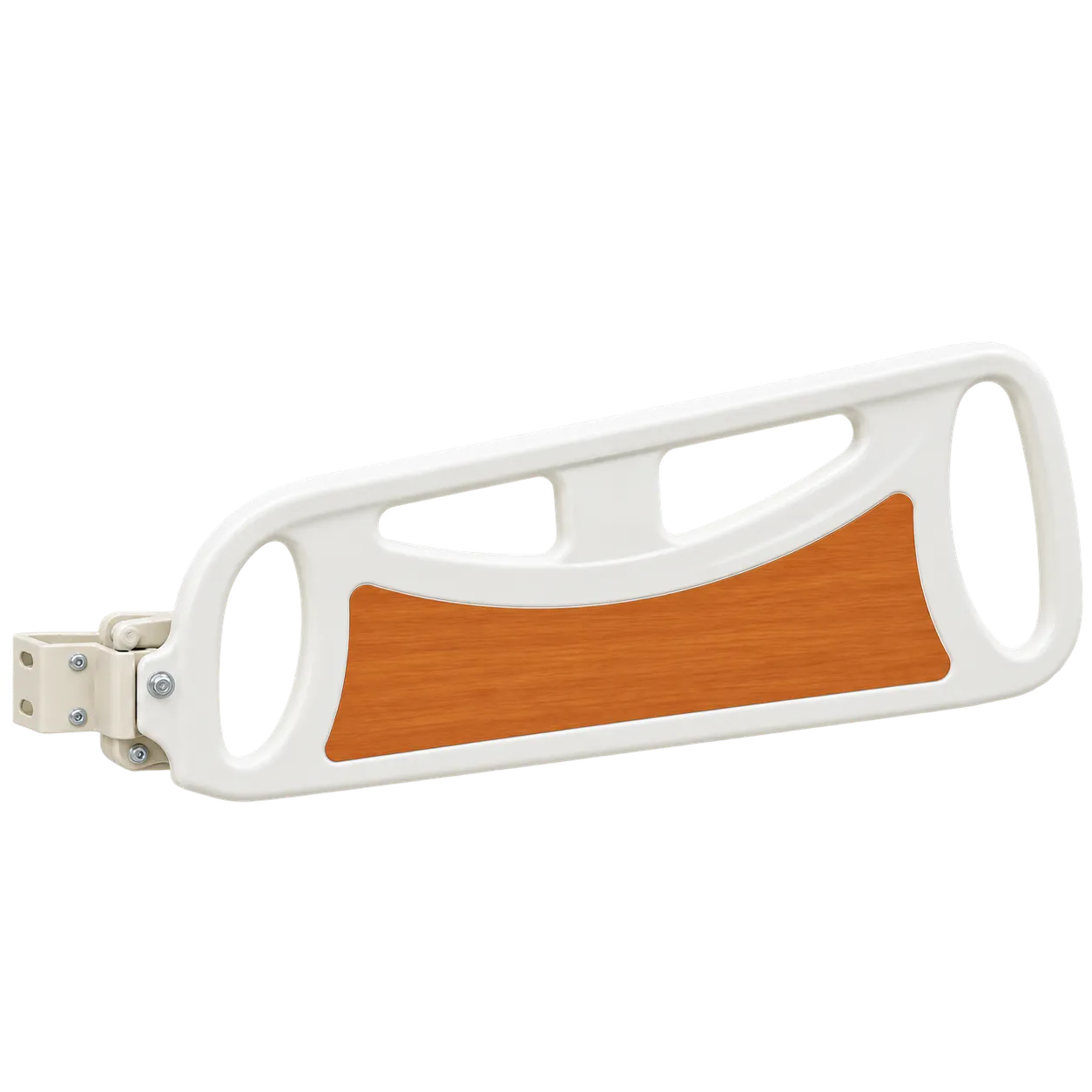
Where rails are fitted, MHRA guidance and the 2023 National Patient Safety Alert govern their assessment, fitting and maintenance. Each patient needs an individual assessment covering the mattress in use, and many mobile patients will not need rails.
The B-4 is a poor fit for dependent patients needing frequent bedside care or assisted transfers, for children and adults with atypical anatomy, for bariatric patients without a published load rating, for patients needing a low bed, and for care requiring head-down tilt.
Public procurement routes, including NHS frameworks and equivalent tenders elsewhere, ask for the declaration of conformity, the standard edition tested, and the device class. The conformity documentation those procurement routes require is issued by the manufacturer and provided by the seller.