
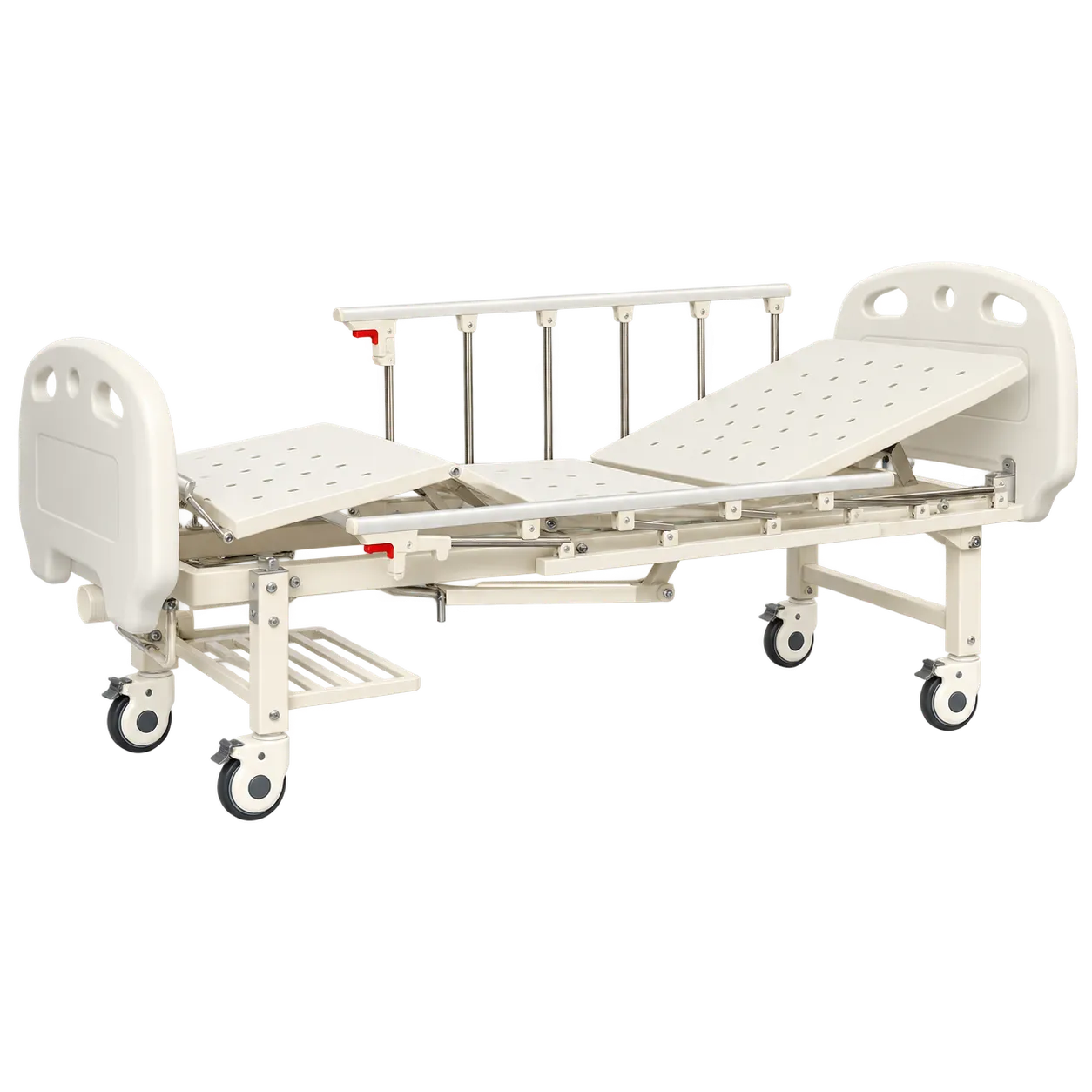
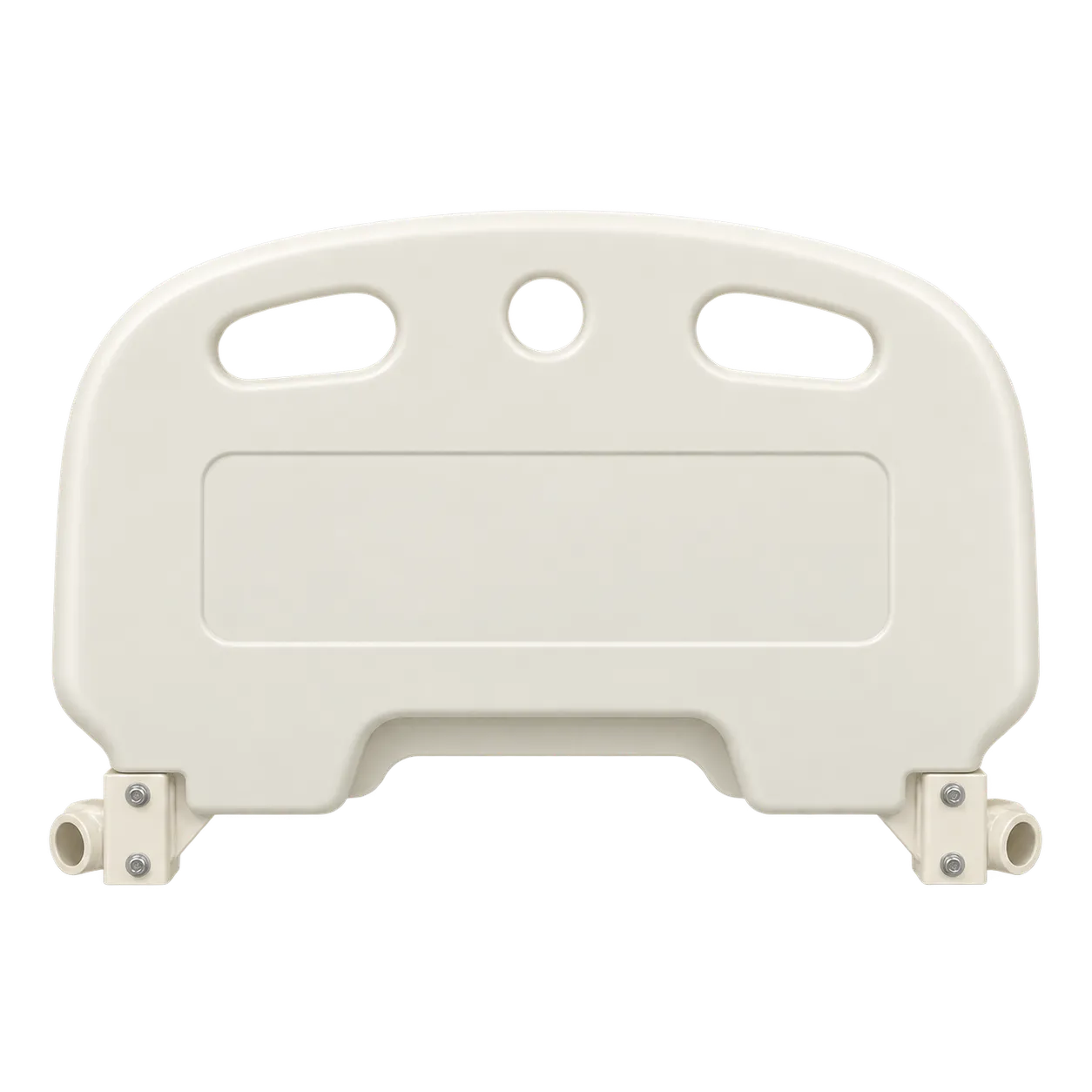
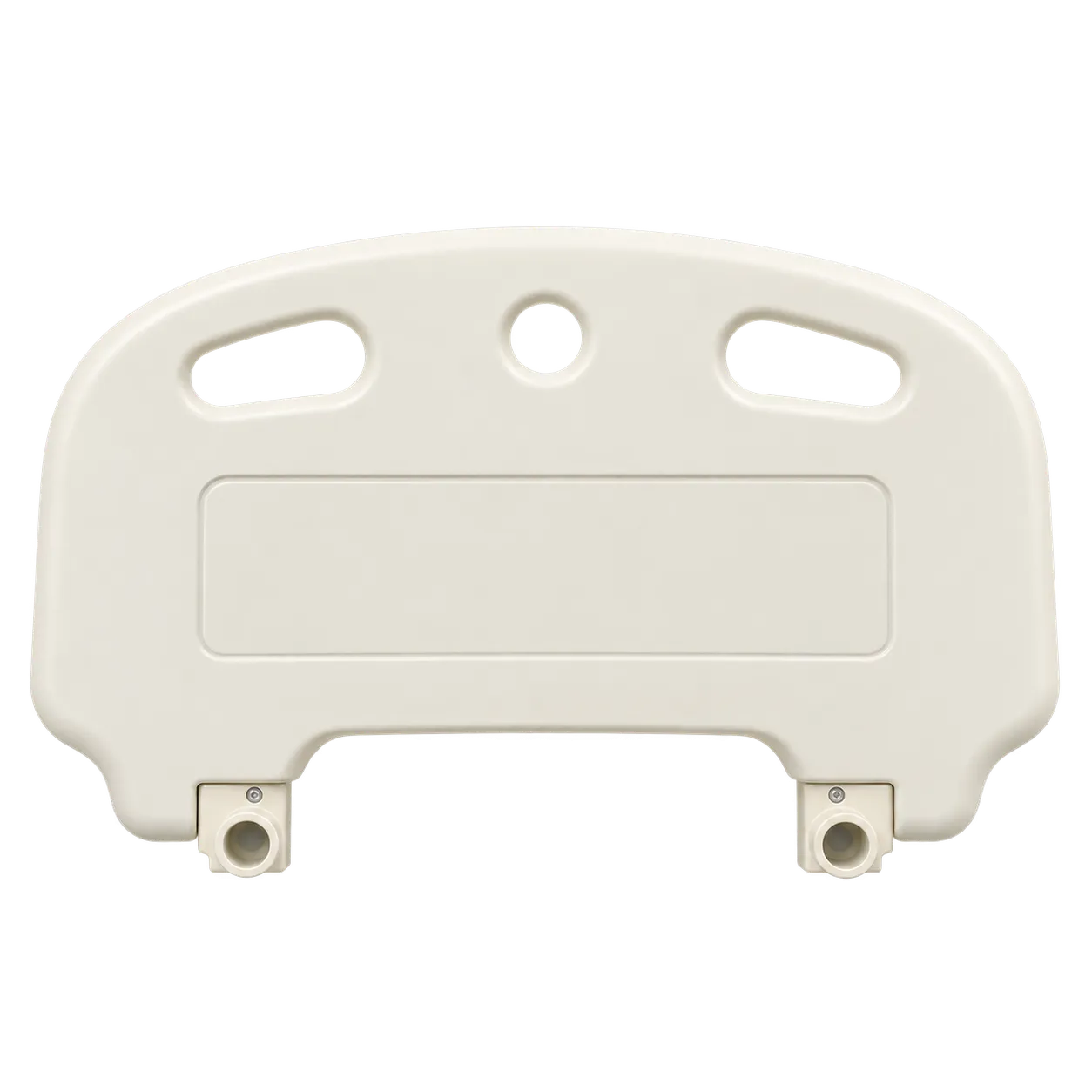
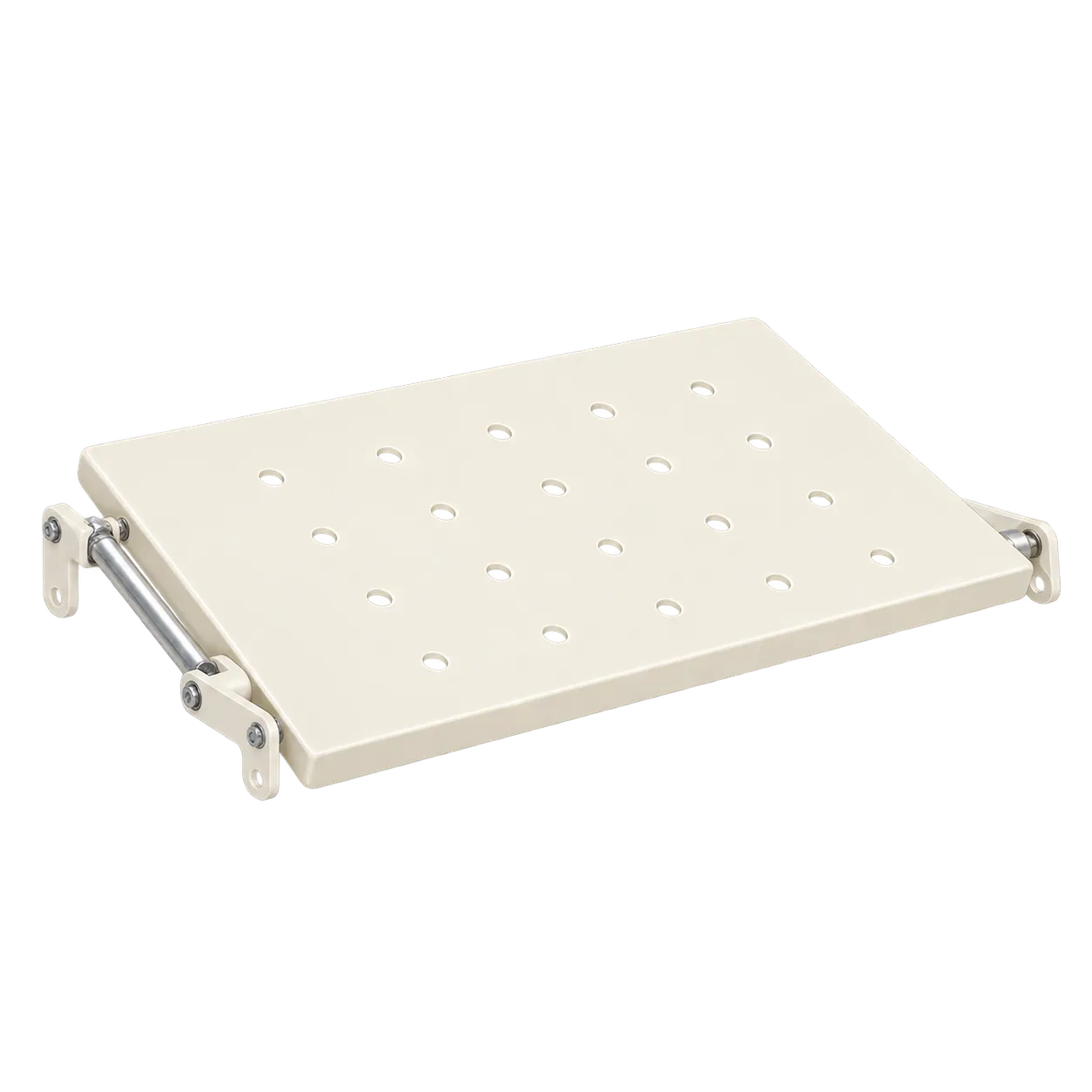
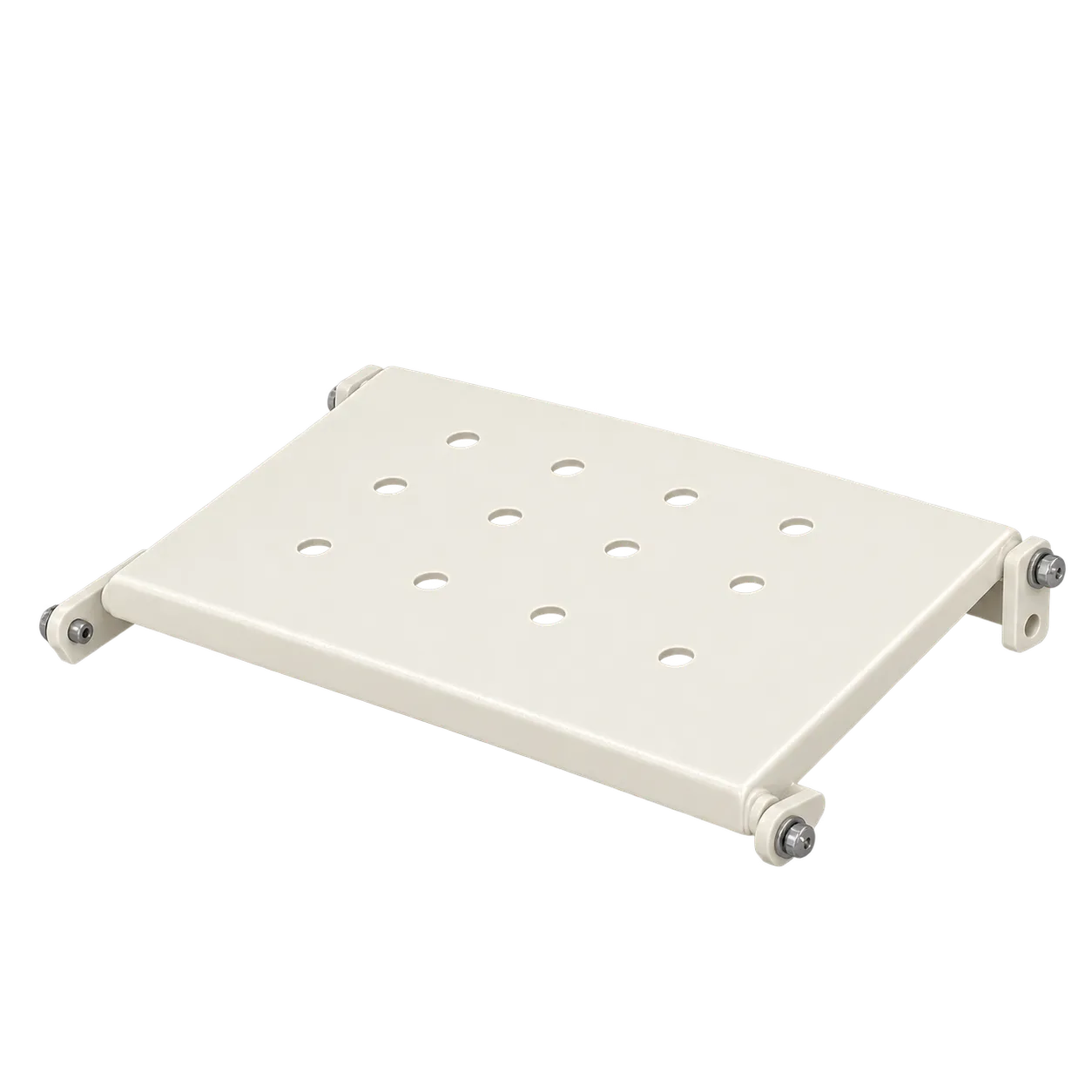
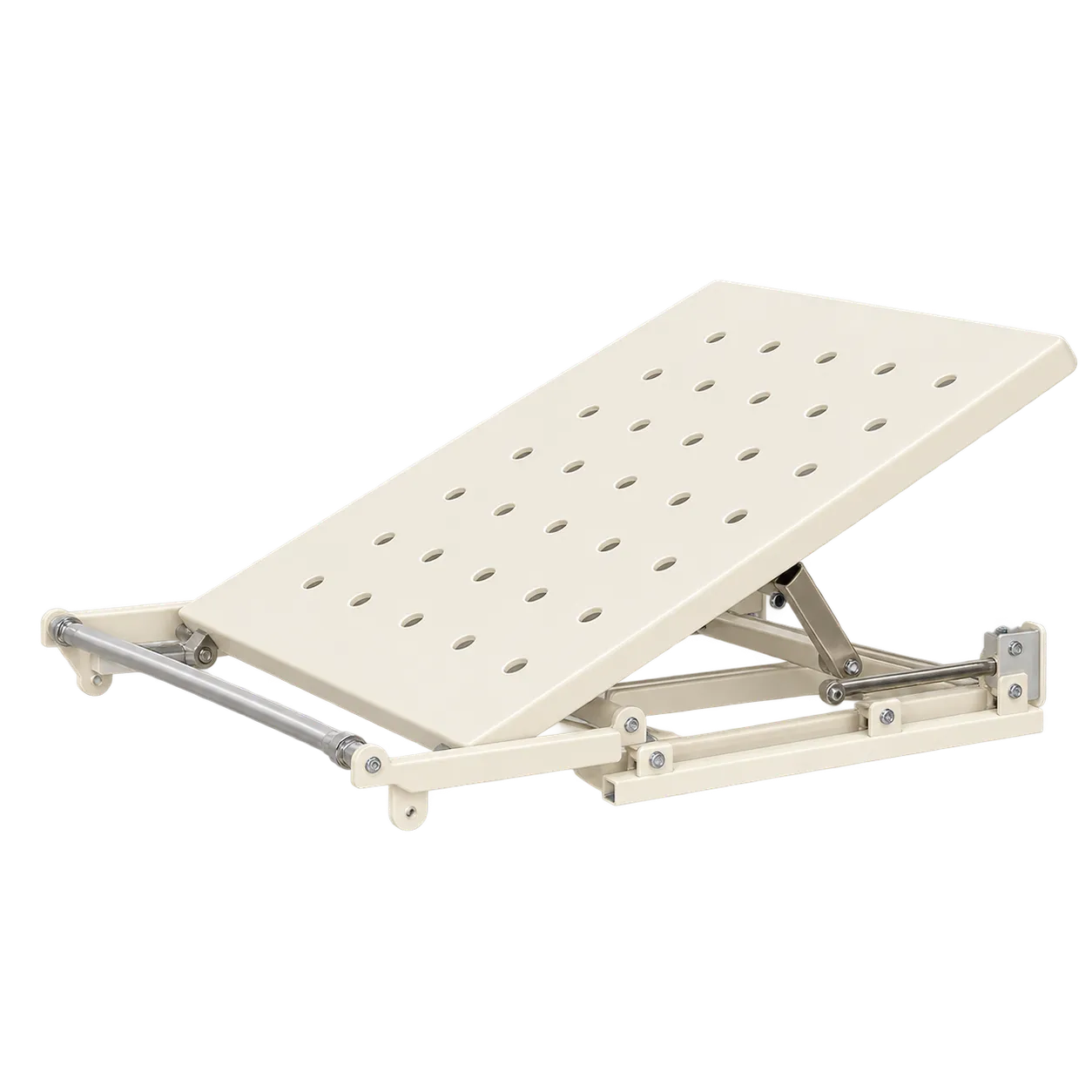
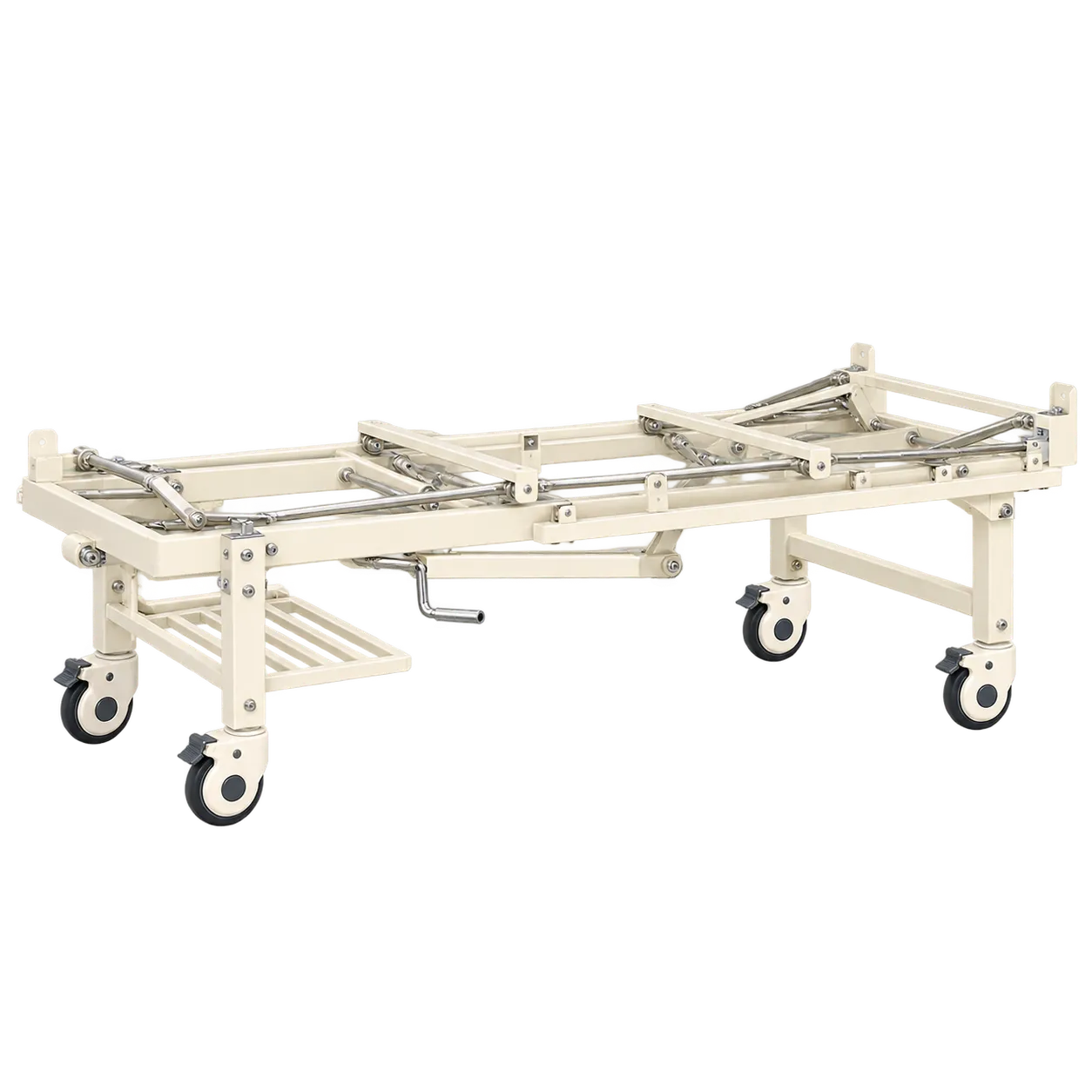
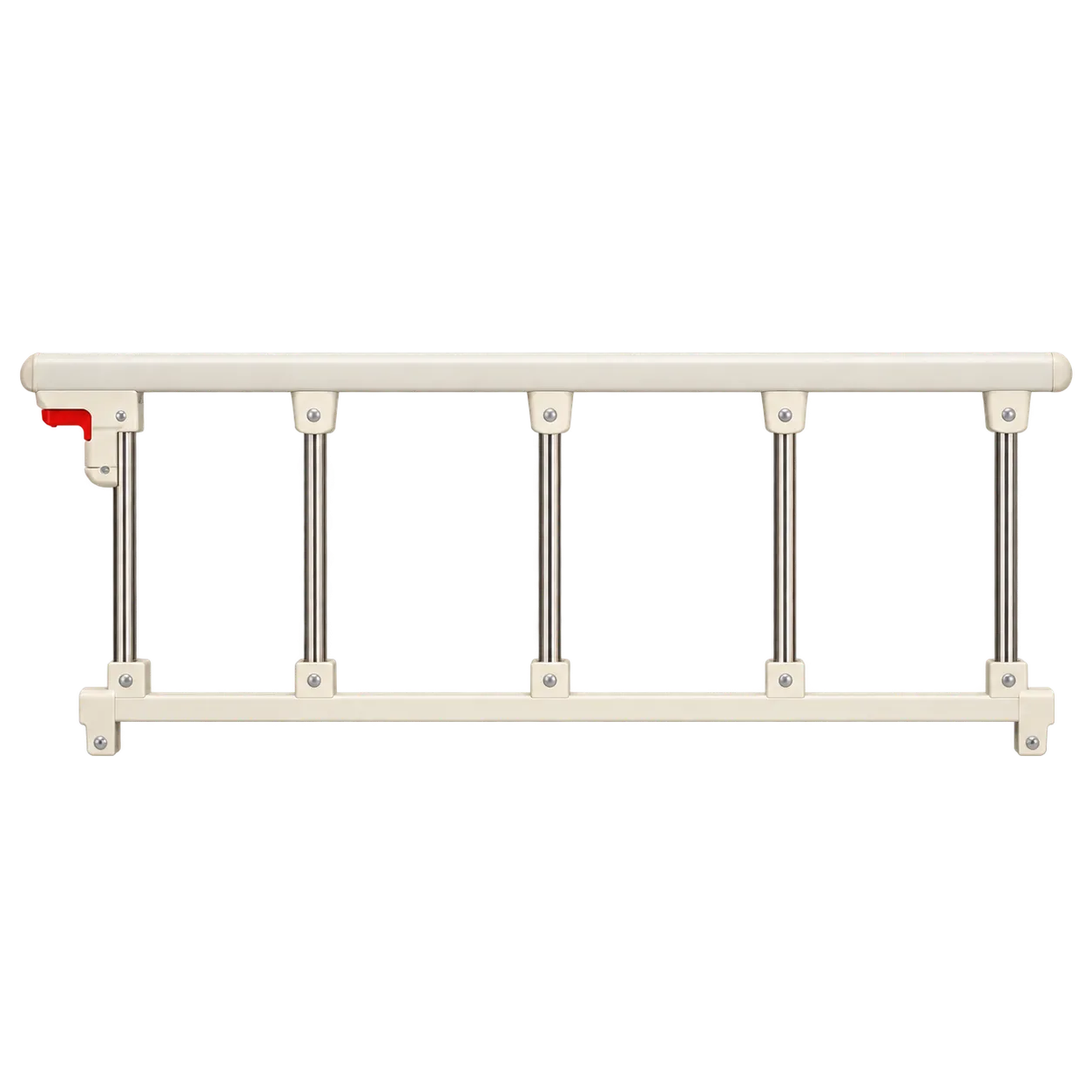
The B-2 fits settings where patients need to sit up in bed but largely manage their own movement, and where the organisation wants the shortest possible list of equipment hazards to govern. Acute medical wards for mobile patients, short-stay and assessment units, and step-down areas can use it with a risk assessment built around a few known points.
Bedspaces shared with visitors, children, or equipment are a particular fit. A frame that never lowers cannot close on anything beneath it, which removes one hazard from rooms where family members sit close to the bed or where equipment is stored under the frame.
Settings with limited engineering support benefit from the absence of electrical parts. There is no wiring to inspect, no handset to replace and no electrical fault to investigate, and the bed keeps both movements through power cuts.
The two movements still carry clinical value. The backrest lets patients sit up to eat and breathe, and raising the leg section with it helps limit sliding and the shear that follows.
Where the photographed rails are supplied, MHRA guidance and the 2023 National Patient Safety Alert govern their assessment, fitting and maintenance. Each patient needs an individual assessment covering the mattress in use, bar spacing, and end gaps.
The B-2 is a poor fit for dependent patients needing frequent bedside care or assisted transfers, for children and adults with atypical anatomy, for bariatric patients without a published load rating, for patients needing a low bed, and for care requiring head-down tilt.
Public procurement routes, including NHS frameworks and equivalent tenders elsewhere, ask for the declaration of conformity, the standard edition tested, and the device class. The conformity documentation those procurement routes require is issued by the manufacturer and provided by the seller.