
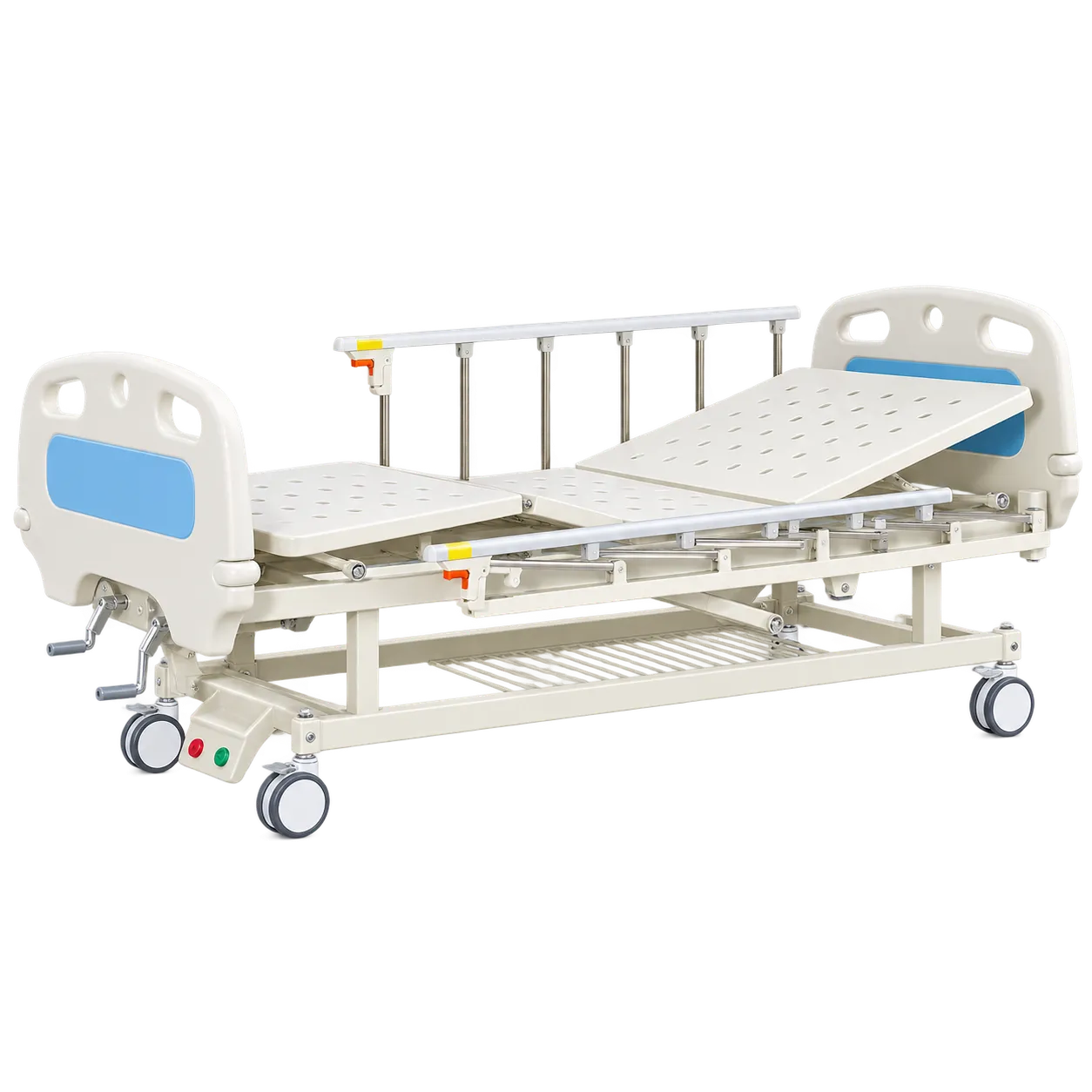



The B-1 suits inpatient settings that need many beds for patients who sit up in bed but largely manage their own movement and transfers. Medical wards for mobile patients, short-stay and observation units, and recovery areas can equip entire bays with them, keeping one spare list and one maintenance routine across every bedspace.
Health systems in regions with limited engineering support gain most from its mechanical simplicity. With no electrics and two drive assemblies, estates staff can keep a fleet in service with hand tools and a shelf of parts, and the beds keep working through power cuts.
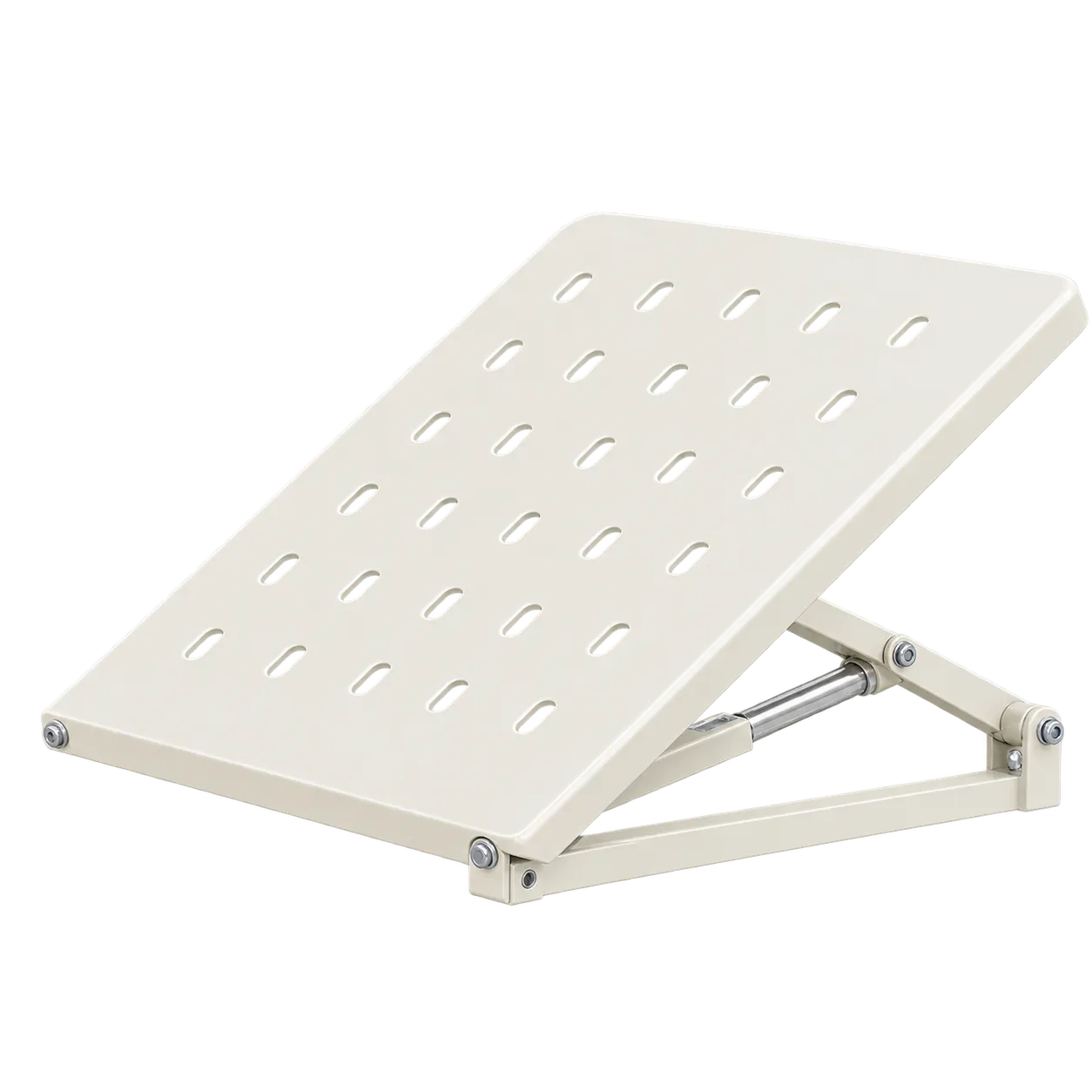
Community hospitals, mission and district hospitals and care homes can use it for residents who sit up for meals and conversation. The backrest supports sitting to eat and breathe, and the leg section helps hold the position so the patient does not slide toward the foot of the mattress.
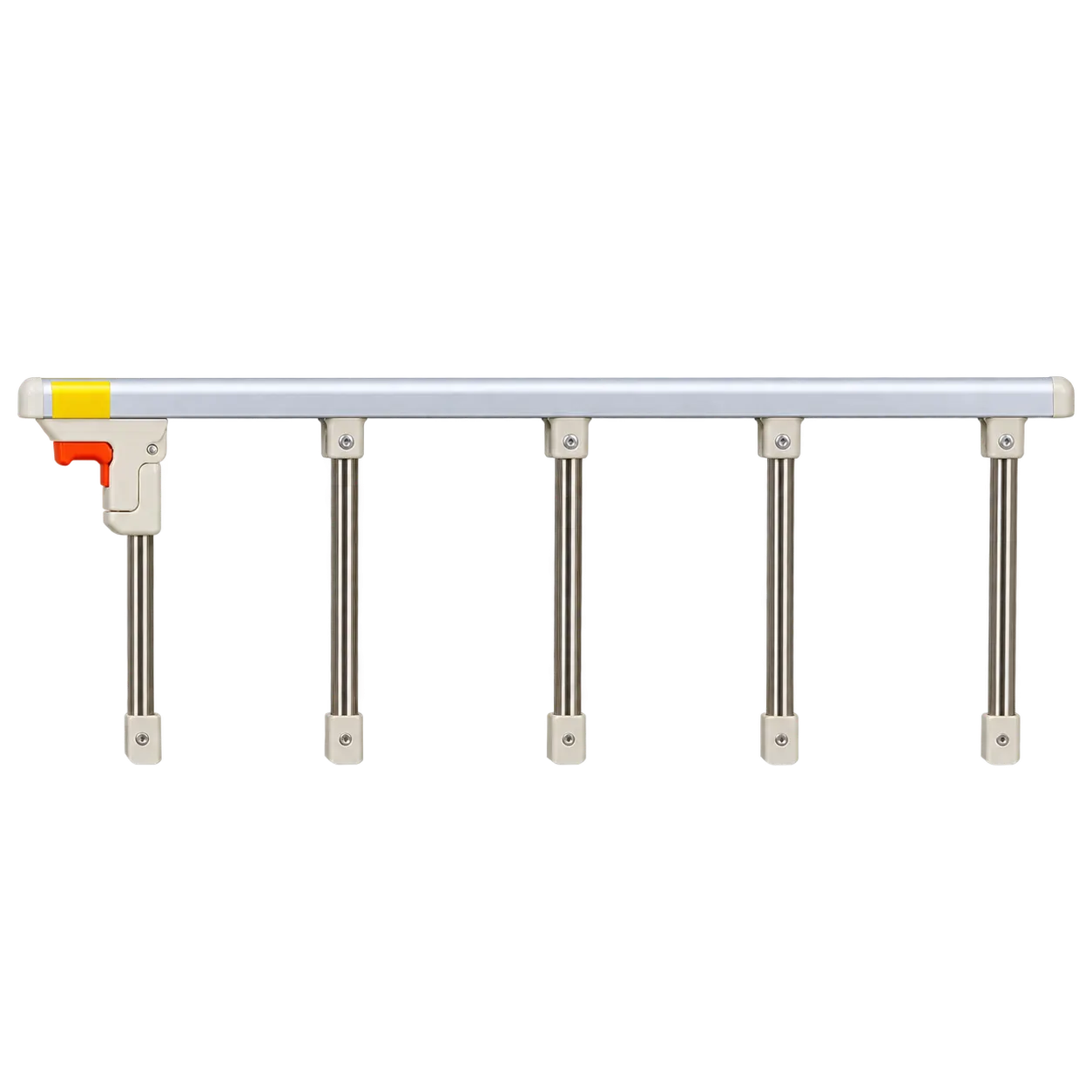
Where the photographed rails are supplied, MHRA guidance governs their prescription, fitting and maintenance. Each patient needs an individual risk assessment covering the mattress in use, the bar spacing and the end gaps, and a confused patient who may climb over the rail needs particular care, because the fixed height sets the height of any fall.
The B-1 is a poor fit for dependent patients needing frequent bedside care or assisted transfers, for children and people of small stature until rail spacing is confirmed, for bariatric patients without a published load rating, for patients needing a low bed, and for care requiring head-down tilt.
Public procurement routes, including NHS frameworks and equivalent tenders elsewhere, ask for the declaration of conformity, the standard edition tested, and the device class. The conformity documentation those procurement routes require is issued by the manufacturer and provided by the seller.