
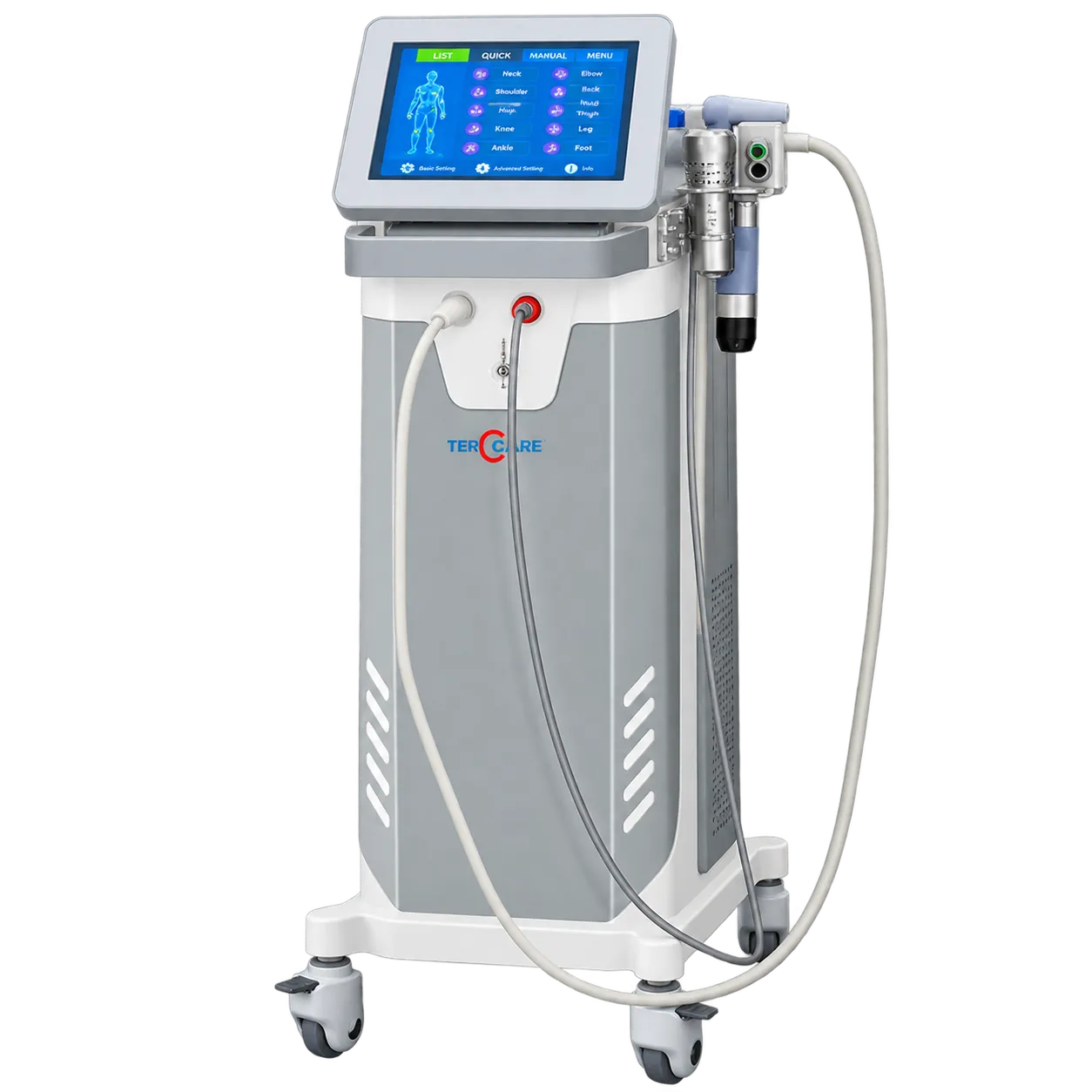
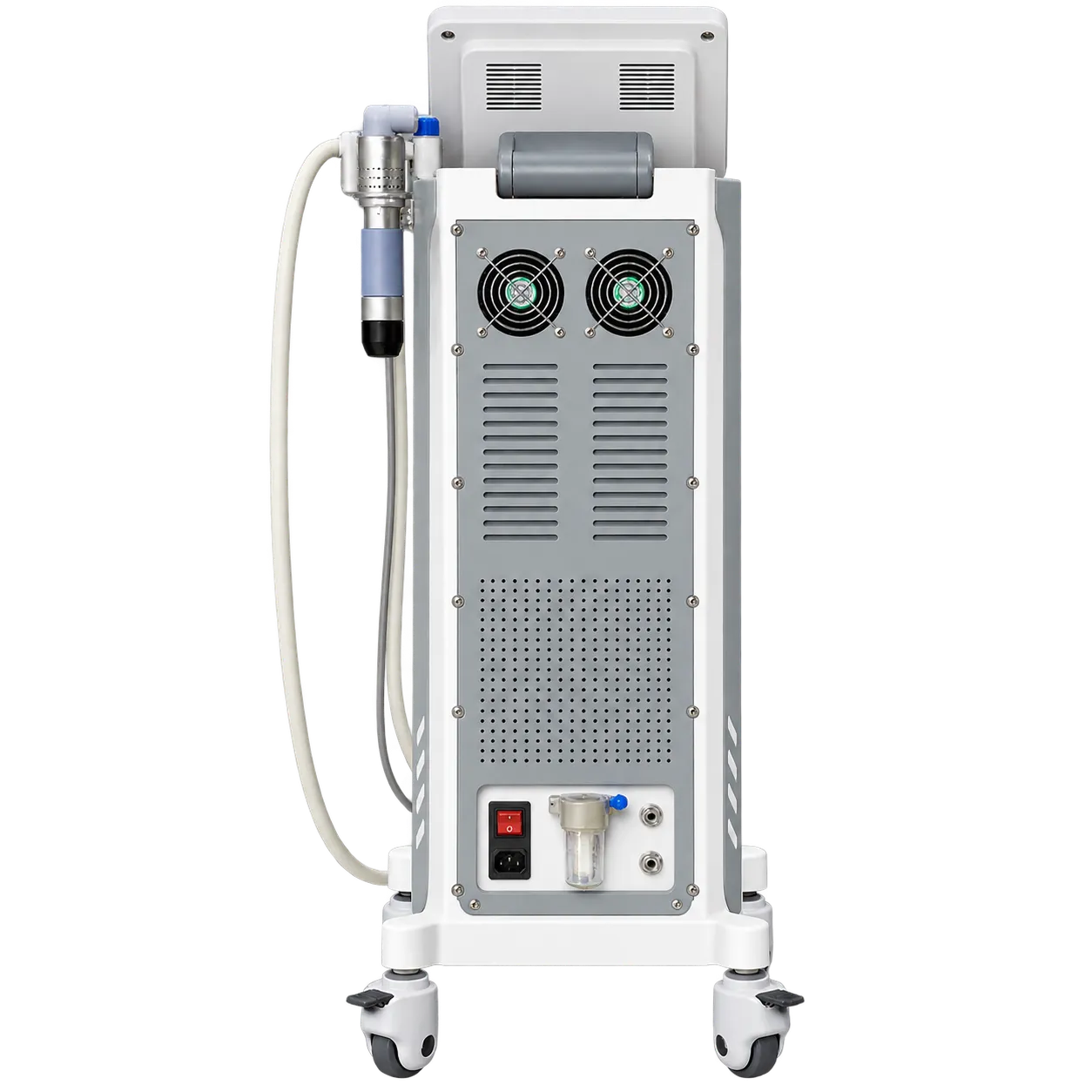
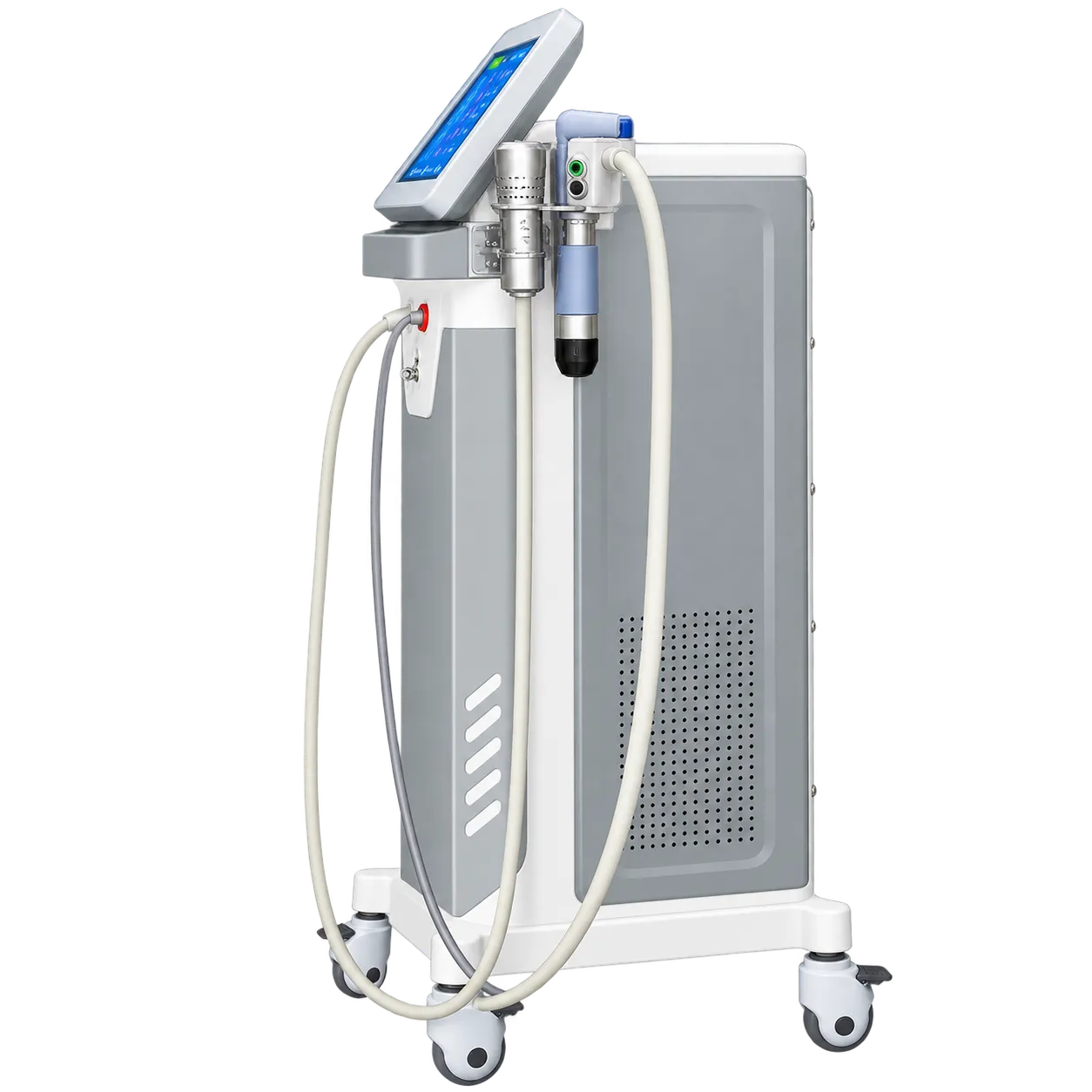
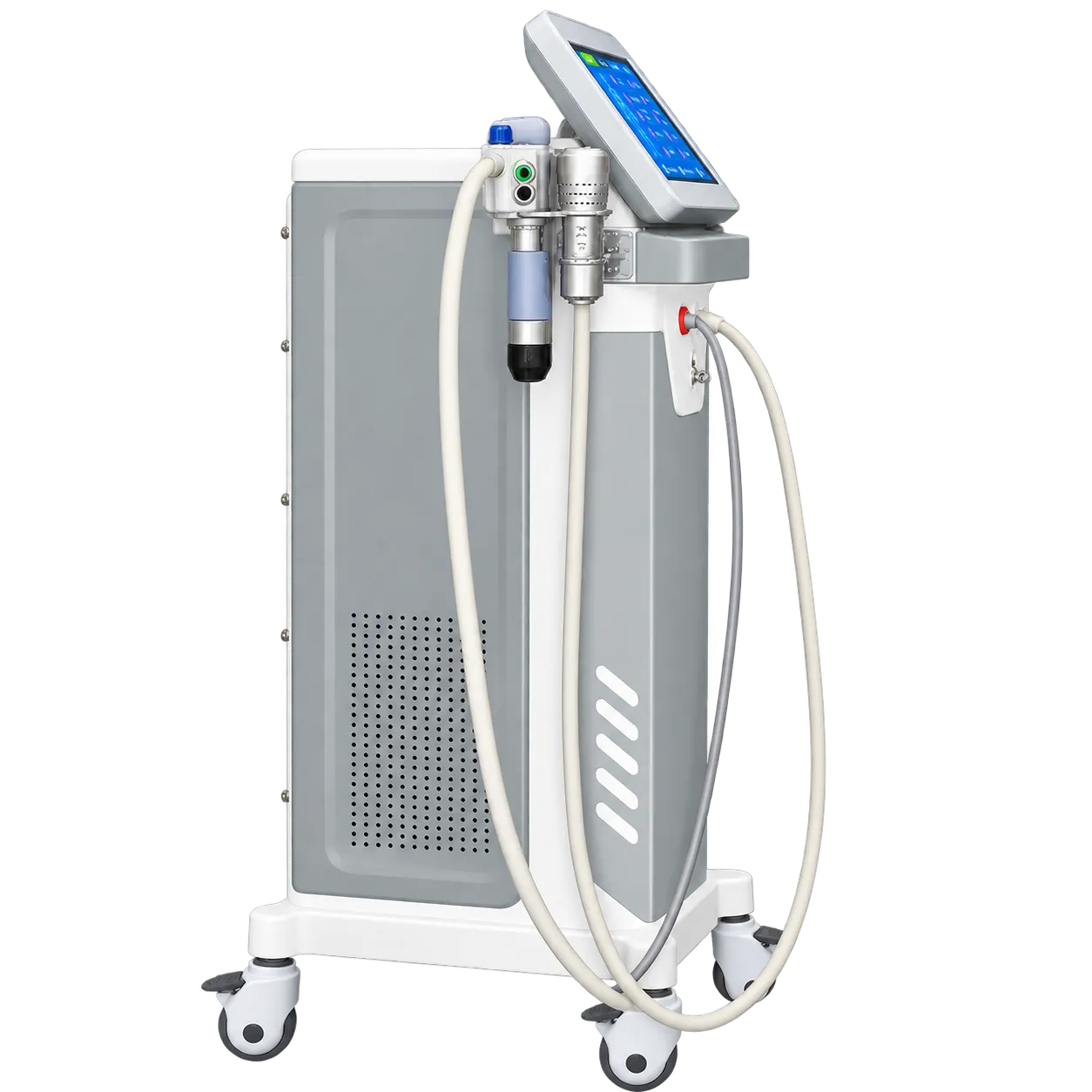
Physiotherapy practices, sports injury clinics, podiatry services, and musculoskeletal outpatient rooms are the natural home for the TA06+2, particularly where one room must cover several modalities. Registered clinicians deliver treatment within their scope of practice, and the service answers to the provider regulator for its setting.
On the shockwave side, plantar heel pain has the most trial data, and NICE still classes the evidence as inconsistent, requiring consent and audit arrangements under IPG311. Achilles tendinopathy (IPG571) sits under the same arrangements. Calcific tendinopathy of the shoulder is the one to handle carefully: IPG742 restricts it to research, so a clinic treating shoulders should do so inside a research protocol or not at all.
The ultrasound half is where honesty matters most. Cochrane reviews find little or no short-term pain benefit in chronic low back pain and only low-quality, uncertain evidence of benefit at the knee. Many clinicians still use ultrasound as a short adjunct before loading exercise, and that is a reasonable use. It should not be the reason a service buys this console.
The pairing earns its place in the room itself. A clinic running heel, calf and forearm patients through one bay can move between the two handles without wheeling equipment in from another room, and the 390 × 470 mm base leaves space around the couch for the clinician to work from either side. The shock counter fixes session length before treatment starts, which keeps records comparable when several staff share the unit.
Record probe, pressure, frequency and shock count for each shockwave session, and frequency, intensity and time for each ultrasound session once the output declaration is in hand. The conformity documentation required for those procurement routes is issued by the manufacturer and provided by the seller.