
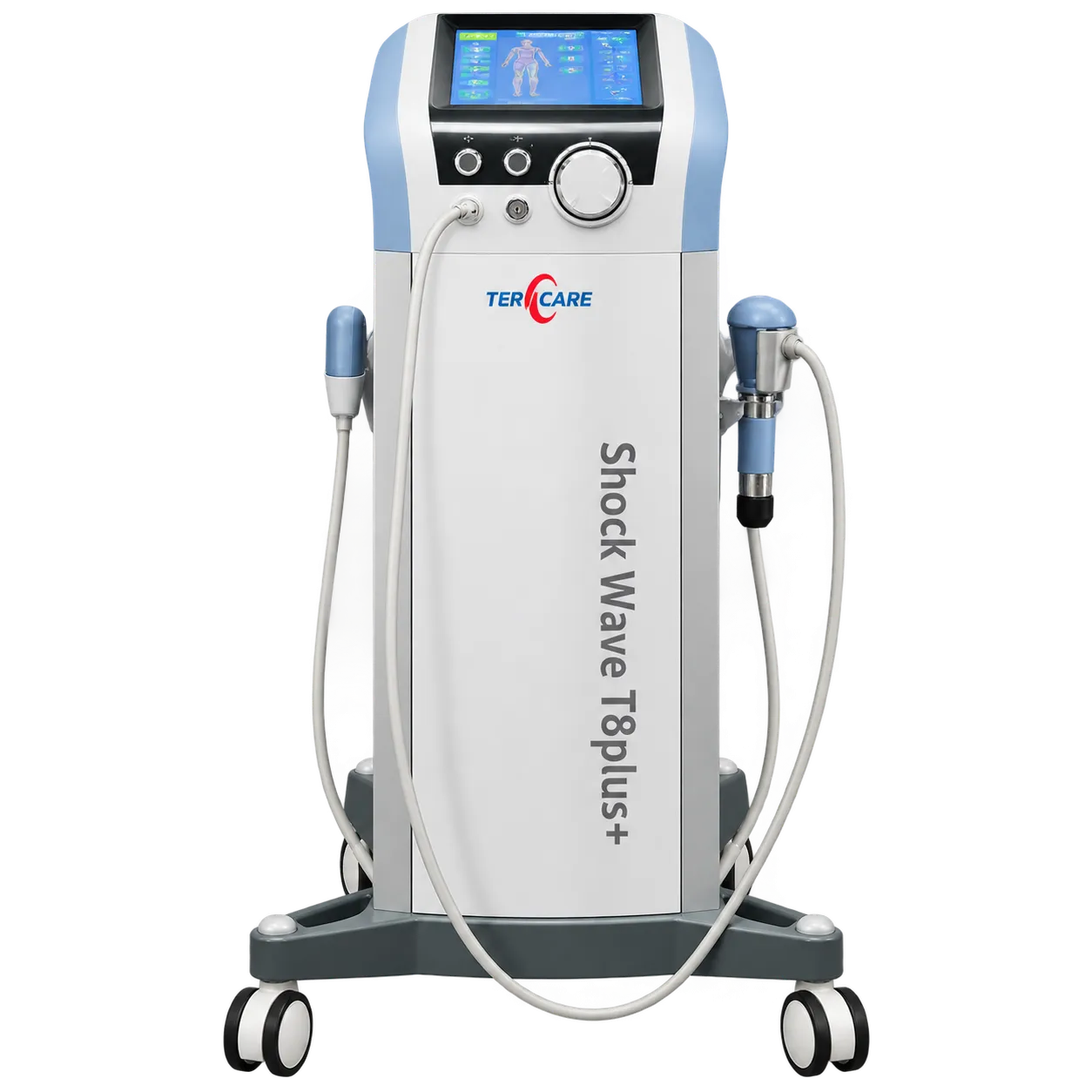
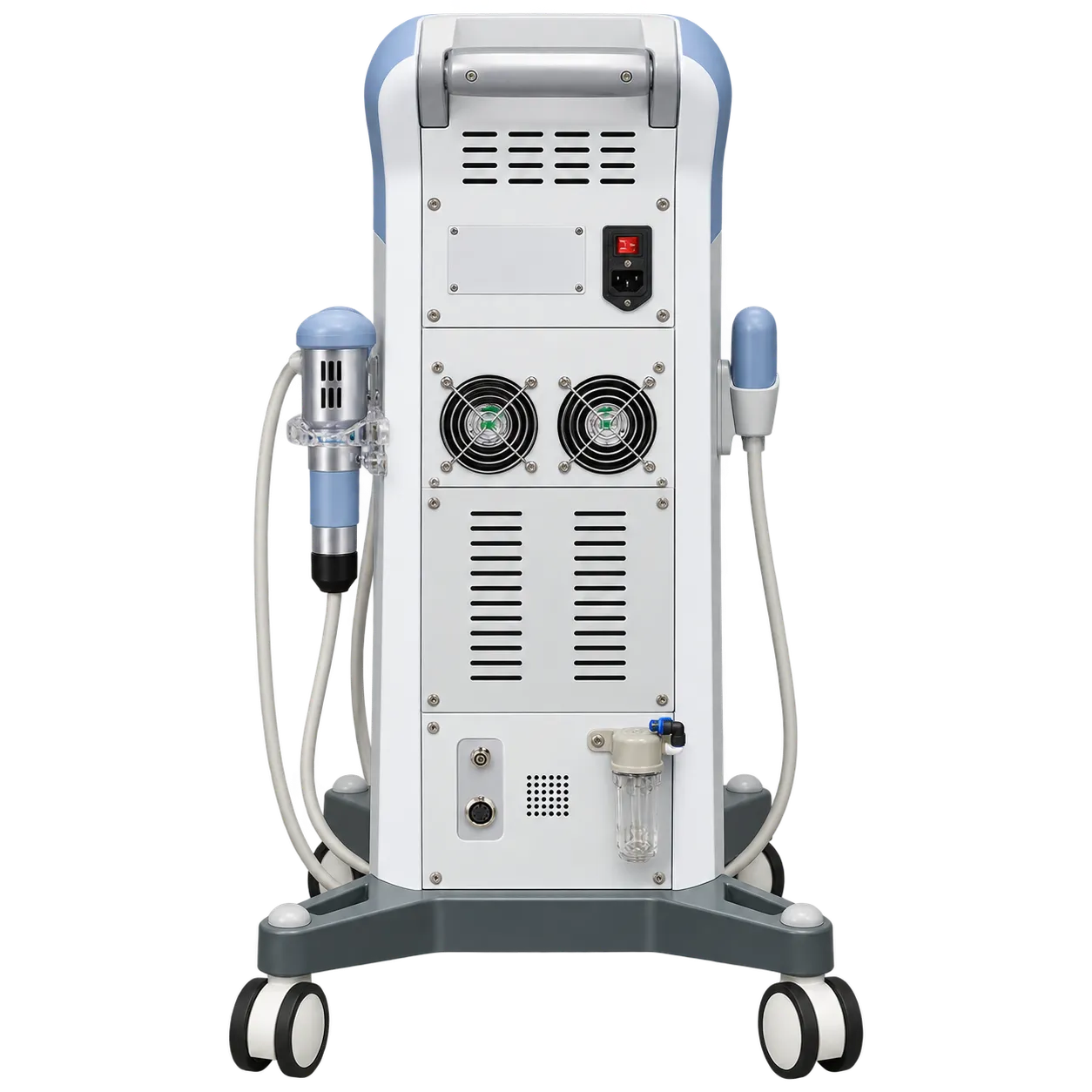
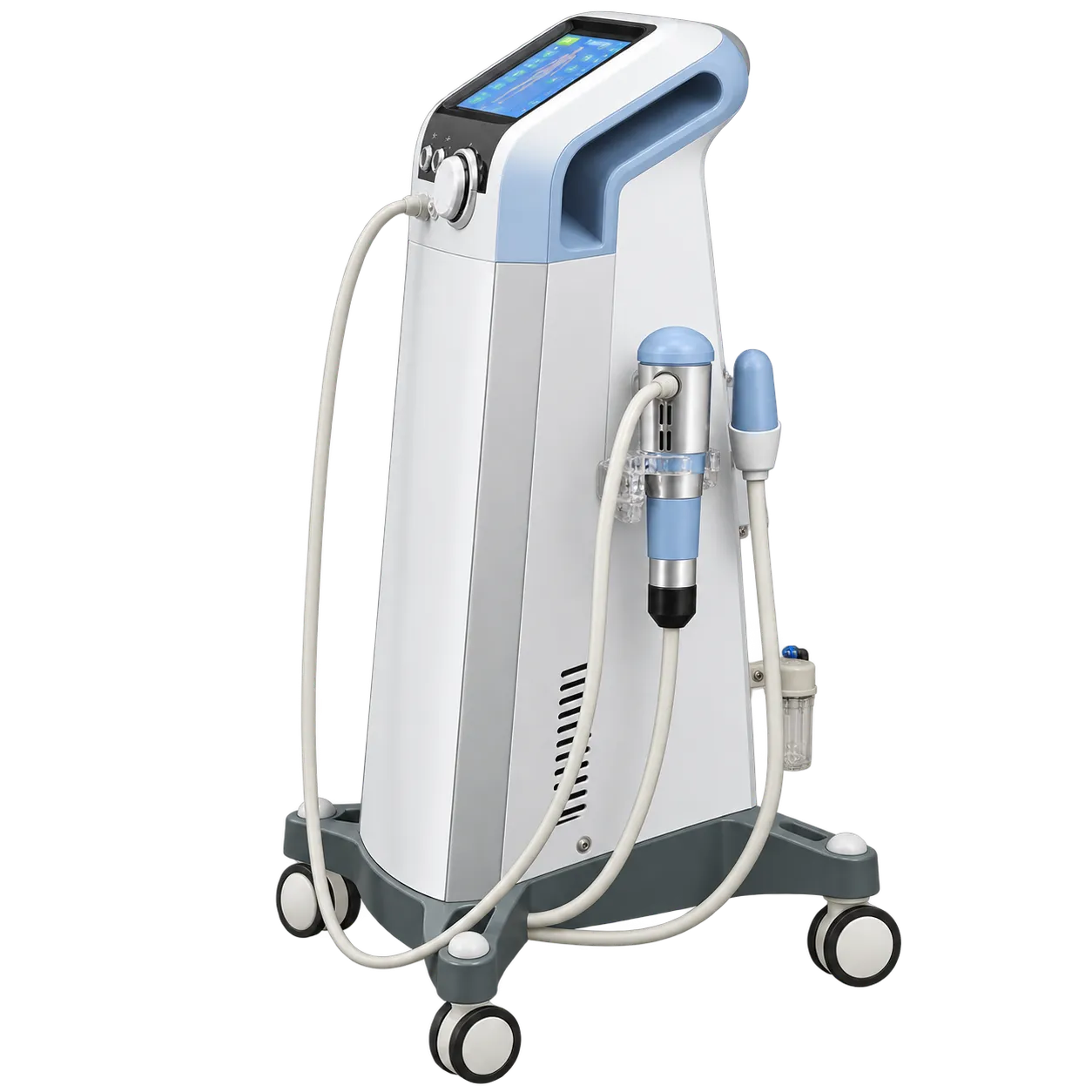
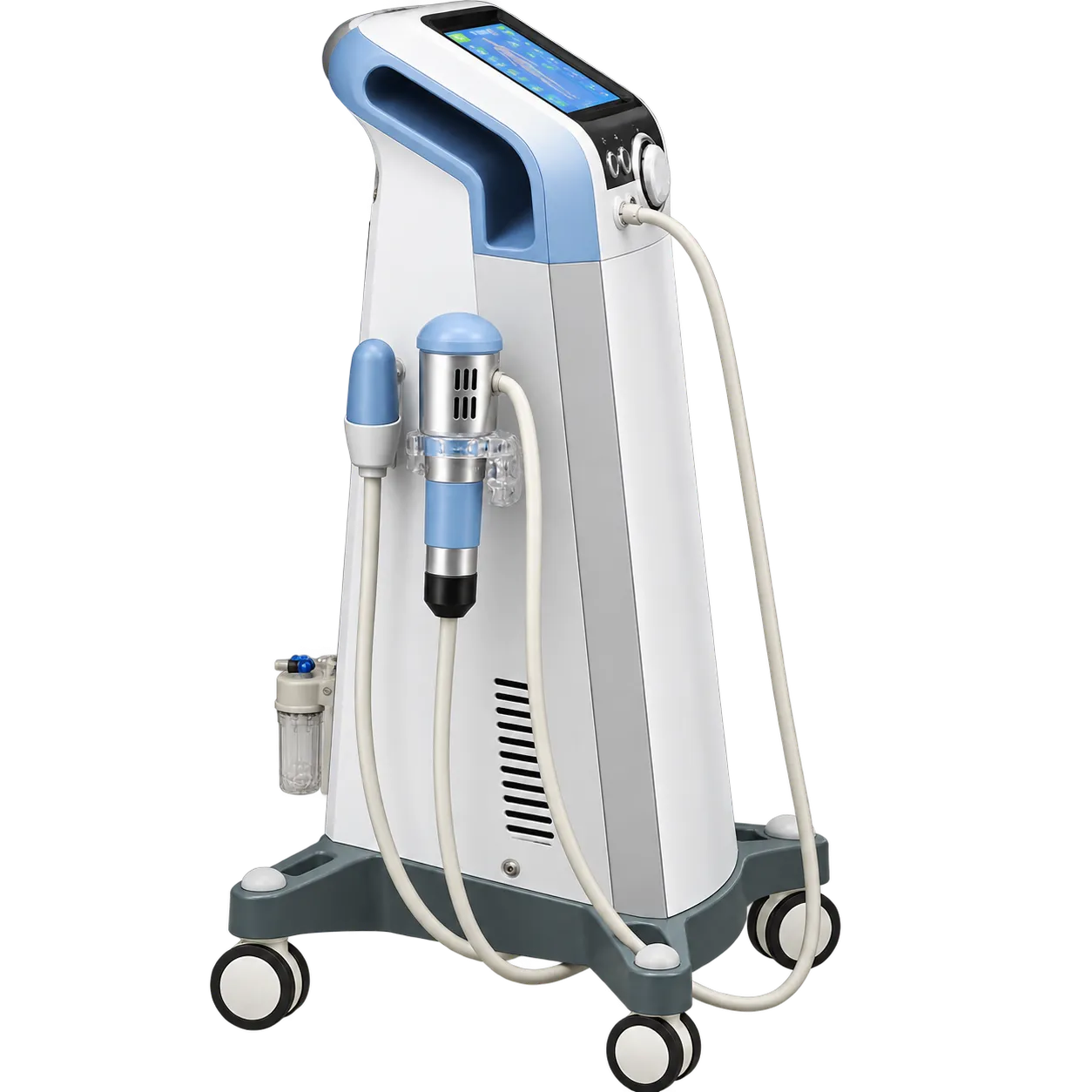
The T806 belongs in physiotherapy clinics, sports medicine services, musculoskeletal outpatient departments, podiatry clinics, and orthopaedic therapy rooms, where registered clinicians such as physiotherapists and podiatrists operate it within their scope of practice. The services themselves answer to the provider regulator for their setting.
Plantar heel pain is the indication with the deepest trial base. A 2019 meta-analysis of 14 placebo-controlled randomised trials found medium-energy shockwave therapy more effective than placebo, and reported that local anaesthesia reduced the effect at low and high energy. NICE's own guidance on refractory plantar fasciitis (IPG311) still describes efficacy evidence as inconsistent and asks for special arrangements for consent and audit. Both findings belong in the same conversation with the patient.
Achilles tendinopathy (IPG571) sits under the same special arrangements. Calcific tendinopathy of the shoulder is the notable restriction: IPG742 found efficacy evidence inadequate and recommends use only in the context of research, and a service treating shoulders with the T806 should either join a research protocol or leave that indication aside. The two handles earn their keep in a mixed caseload. A lower-limb list can keep a broad probe mounted for the heel and calf while a narrow probe waits on the second handle for insertional points, and an upper-limb clinic can switch between the lateral elbow and the forearm muscles without stopping. The 100 to 9,900 shock counter lets the clinician set the session length before starting, keeping treatment records consistent across a team.
Record the probe, the pressure, the frequency, and the shock count for every session, because those four values together are what make an outcome audit meaningful. The conformity documentation those procurement routes require comes from the manufacturer and is provided by the seller.