
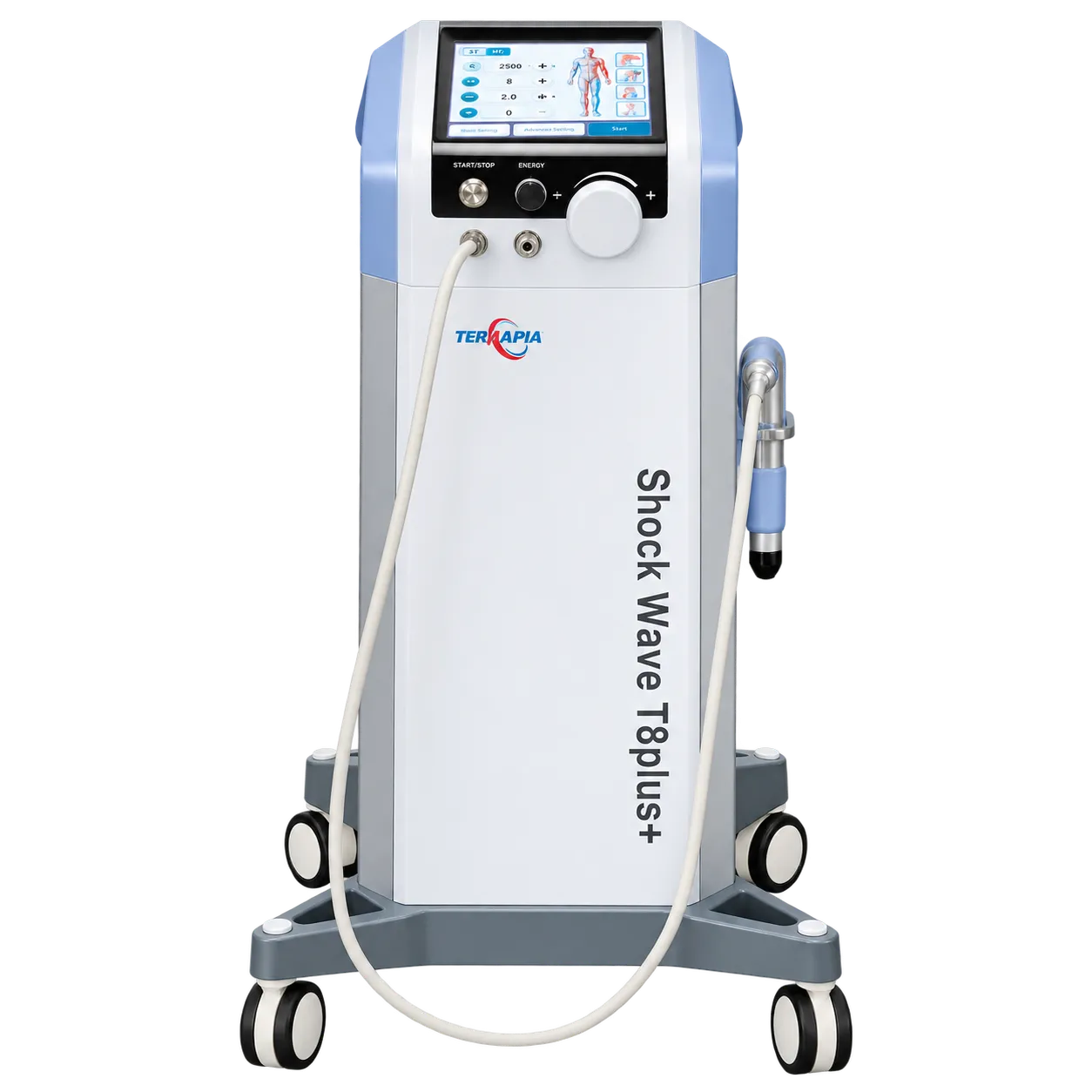
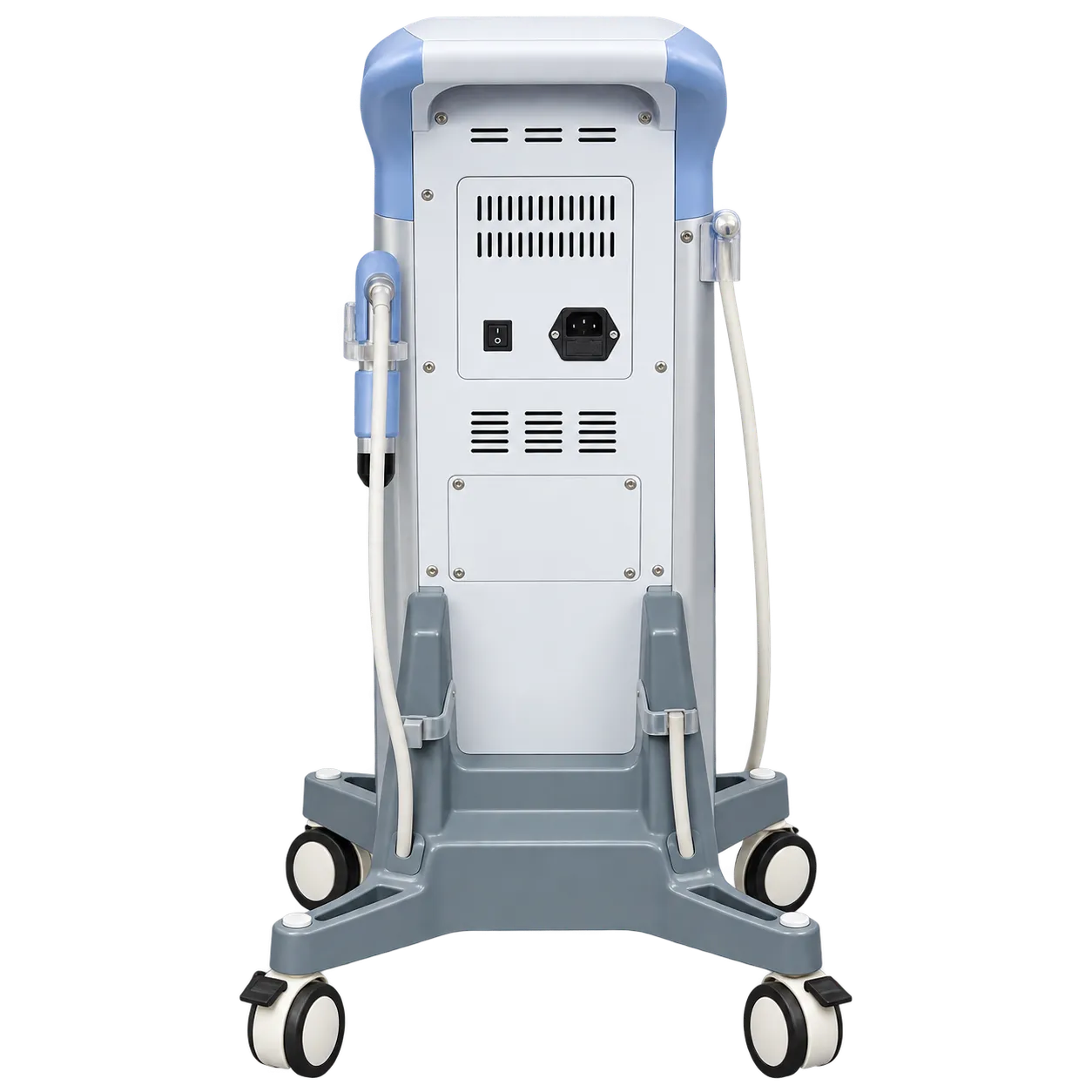
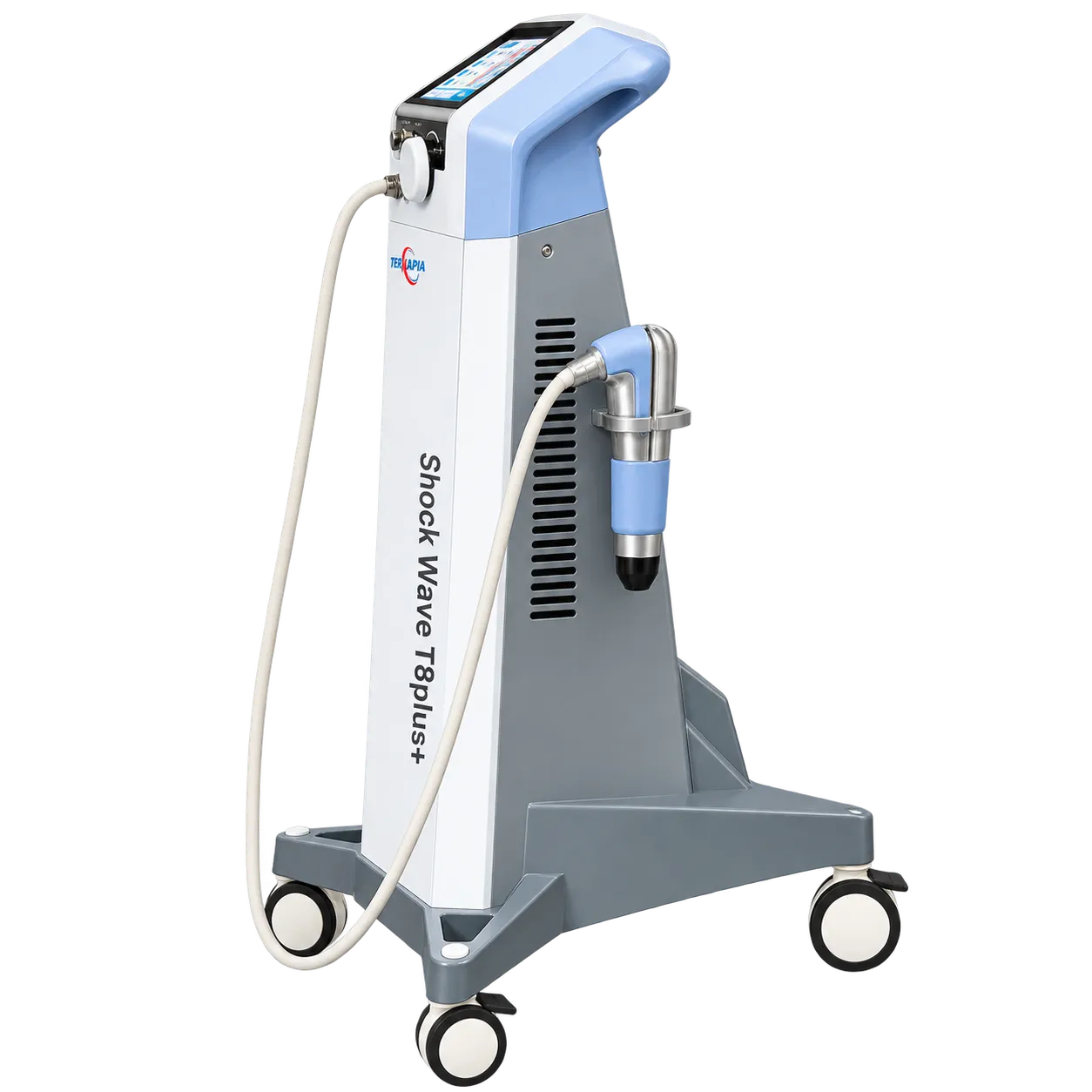
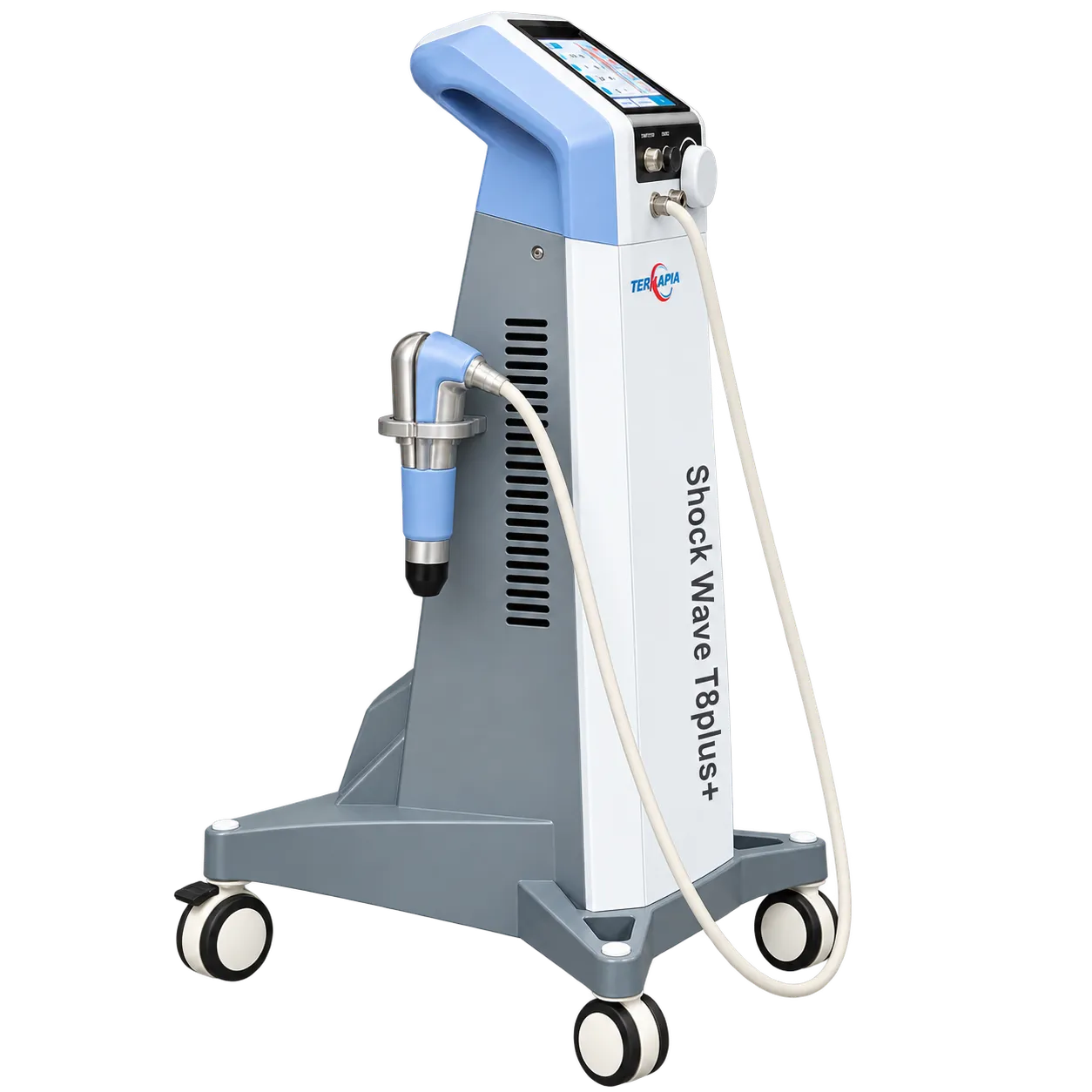
Musculoskeletal physiotherapy outpatients are the natural home for the T805, alongside sports medicine clinics, podiatry and foot health services, orthopaedic outpatient departments and club medical rooms. The common thread is a caseload of chronic, superficial soft-tissue problems that have not settled with exercise and load management.
Refractory plantar heel pain is the indication most buyers will start with. In the UK, NICE allows ESWT only with special arrangements for governance, consent, and audit or research, because trial results have been inconsistent; the same applies to Achilles tendinopathy. Lateral elbow tendinopathy, patellar tendinopathy and myofascial trigger points are frequent targets in outpatient practice, and each sits close enough to the skin for a radial pressure wave to reach. For the shoulder, a 2025 guideline in the Journal of Orthopaedic and Sports Physical Therapy supports shockwave therapy when the rotator cuff tendon is calcified and advises against it when it is not, making imaging a prerequisite for that caseload even though the console has none.
The radial protocols cited on this page ran weekly sessions of around 2,000 impulses at low pressures, and the T805's counter and frequency range cover that pattern. Texua also lists urology among the fields for this device, but any service considering that use should examine the evidence and regulatory position for it on its own terms.
Where the unit enters a structured service, the impulse count and settings for each session belong in the patient record, since that is the audit trail NICE expects. NHS procurement routes ask for device class, conformity evidence and electrical safety documentation, and equivalent public procurement elsewhere asks the same. The conformity documentation those procurement routes require is issued by the manufacturer and provided by the seller.