
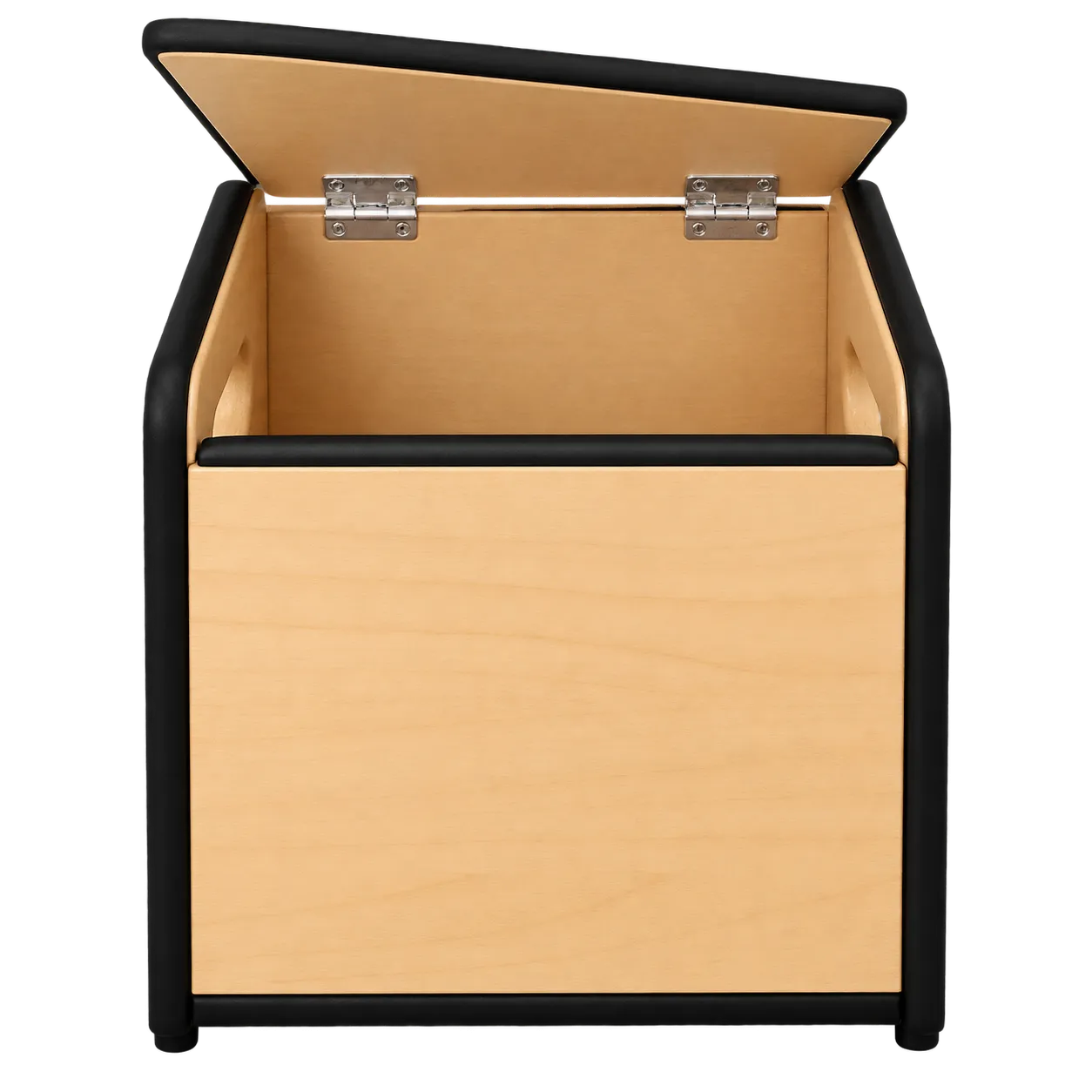
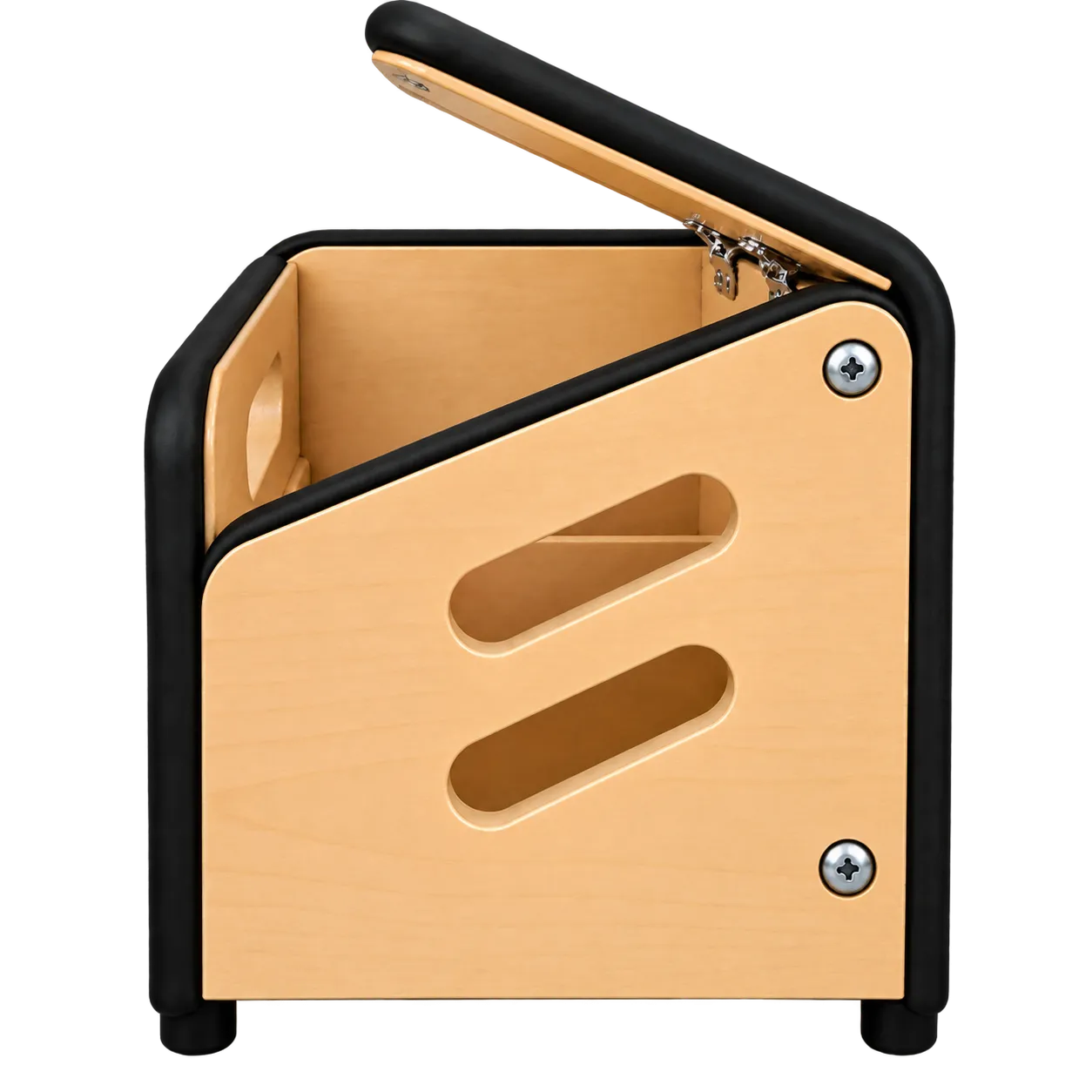
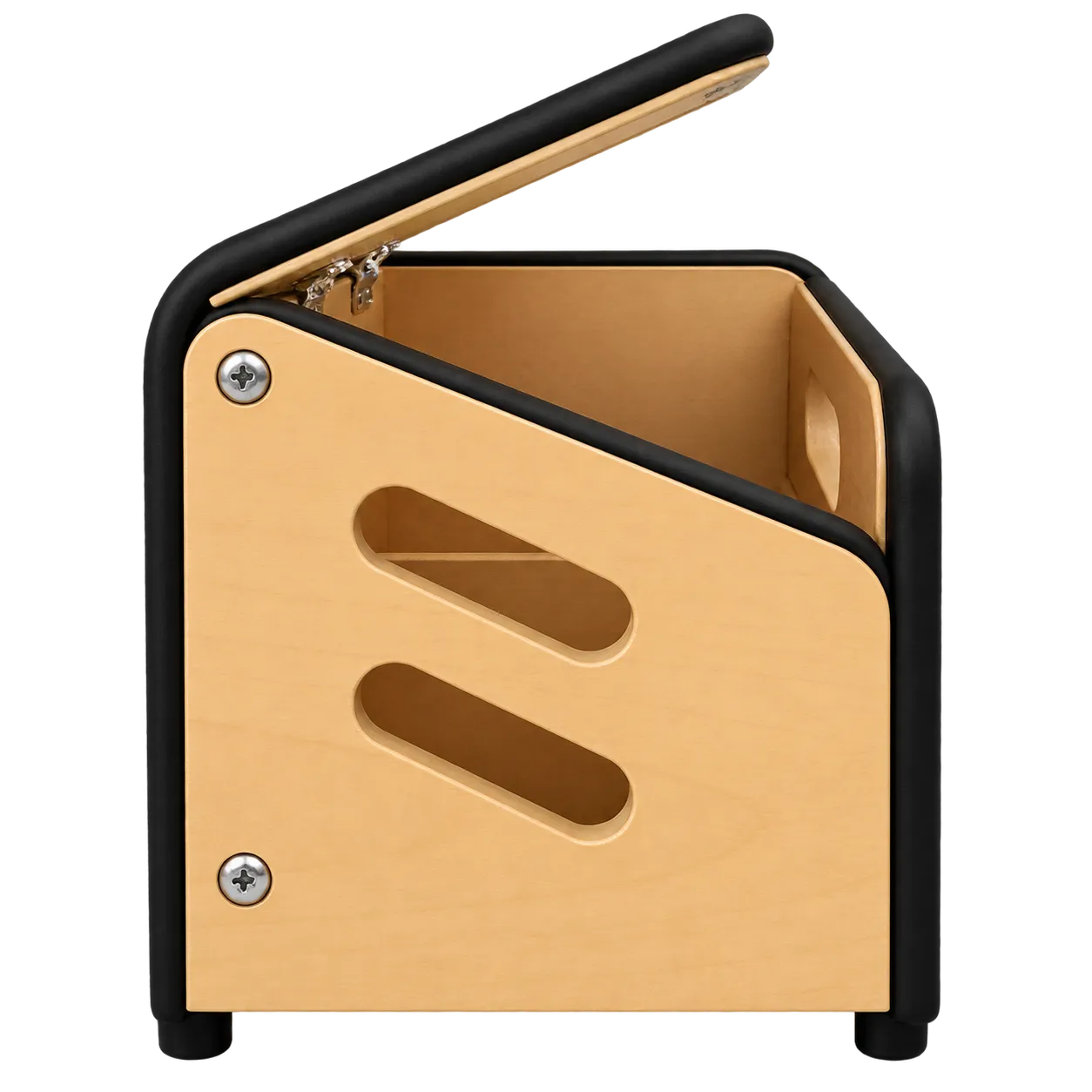
Therapy gyms accumulate iron. Plates, bags, and bars arrive with whatever programme needs them and stay on the floor unless something contains them; a rehabilitation space where patients are walking, stepping, and practising balance is the last place loose metal should be sitting. A lidded container that holds a set and closes is a housekeeping tool before it is anything else.
That puts it in musculoskeletal physiotherapy gyms, occupational therapy departments, work conditioning spaces, sports rehabilitation rooms and community therapy units, wherever graded resistance is part of the programme, and the floor has to be clear for the next patient. Closing the contents away also keeps dust off, which matters in a room cleaned frequently and used by people with open wounds or reduced immunity, and it makes the daily reset quicker.
Where it sits relative to assessment work needs deciding rather than assumed. The manufacturer has named it for storage, and nothing published states that it is rated to be lifted with a load inside. A service that also runs functional capacity work should confirm that point before the same container is used for both, because a storage rating and a lifting rating are different claims.
Buying runs through the usual routes. NHS therapy services, private rehabilitation clinics, occupational health provider,s and sports facilities each apply their own rules, and equipment like this clears health and safety and finance rather than a clinical panel. The manufacturer issues the grade documentation, and the seller provides it; it's worth obtaining before the container reaches a clinical area.