
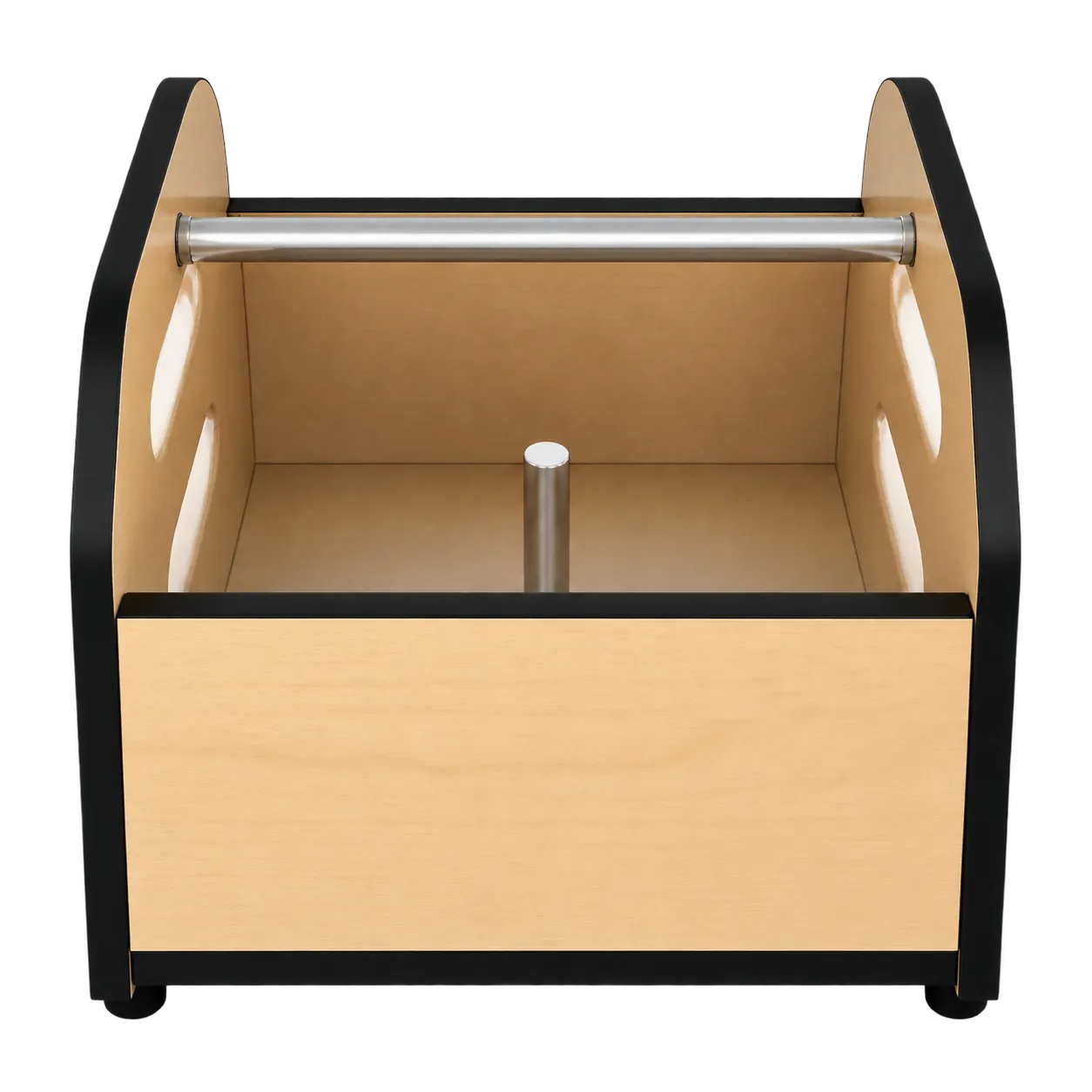
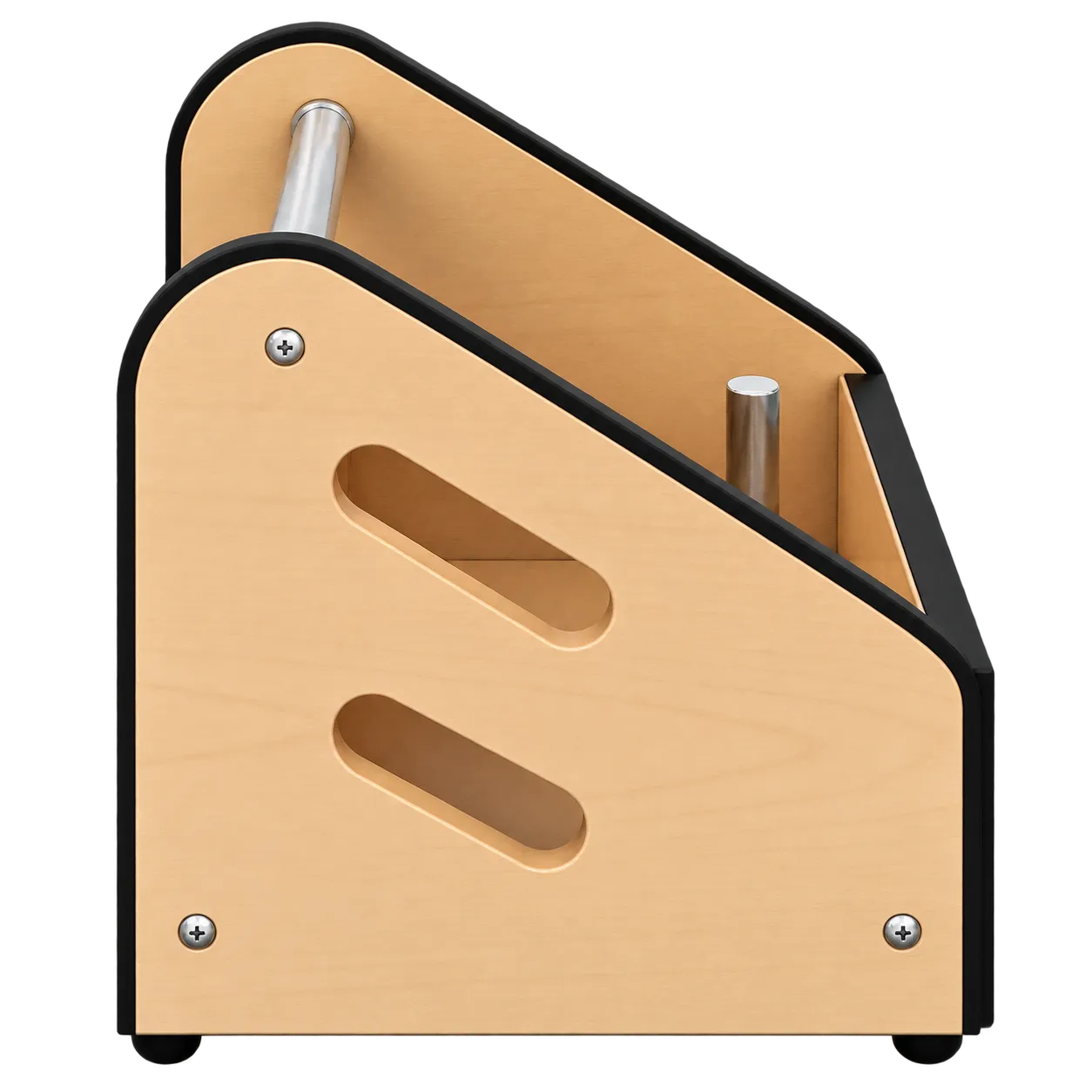
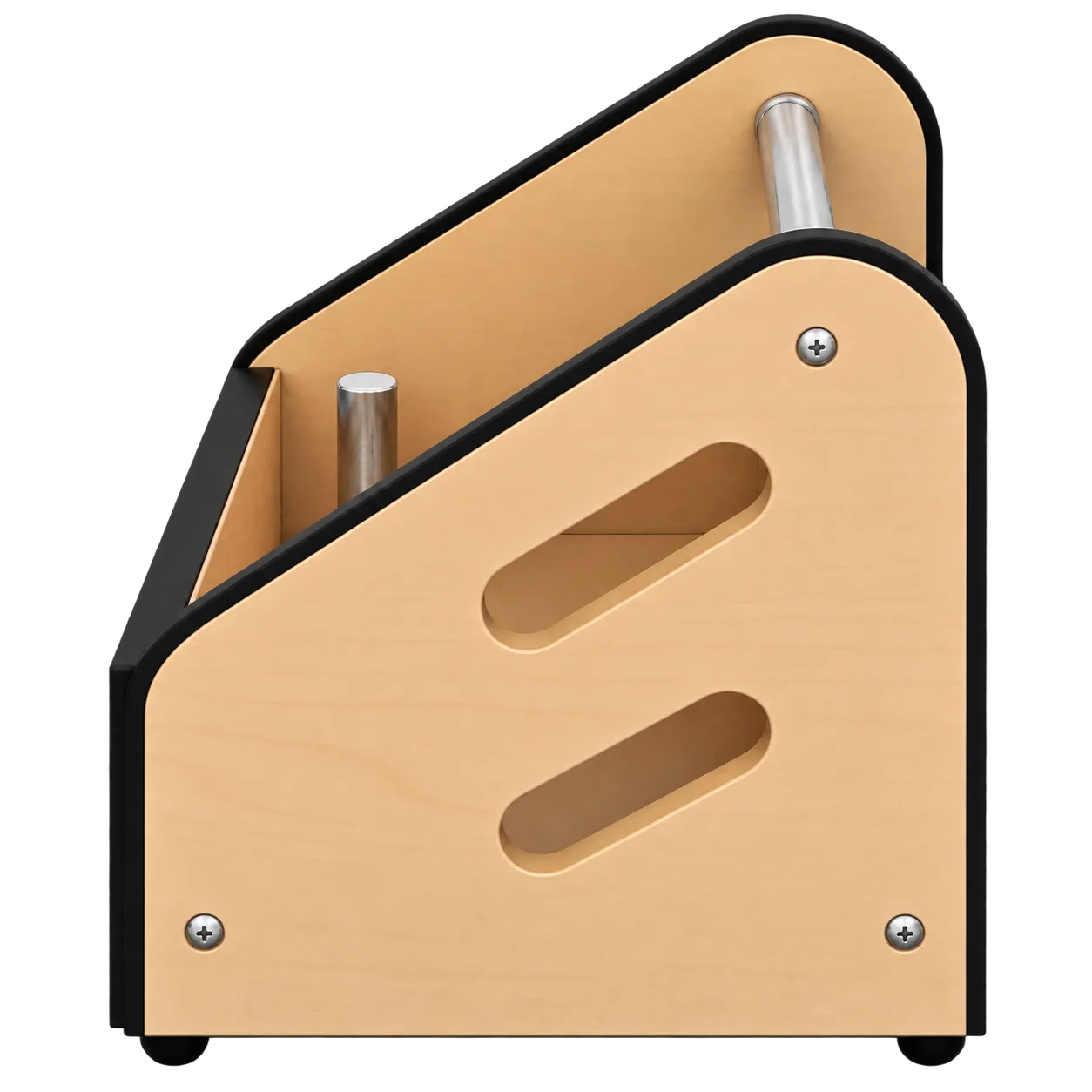
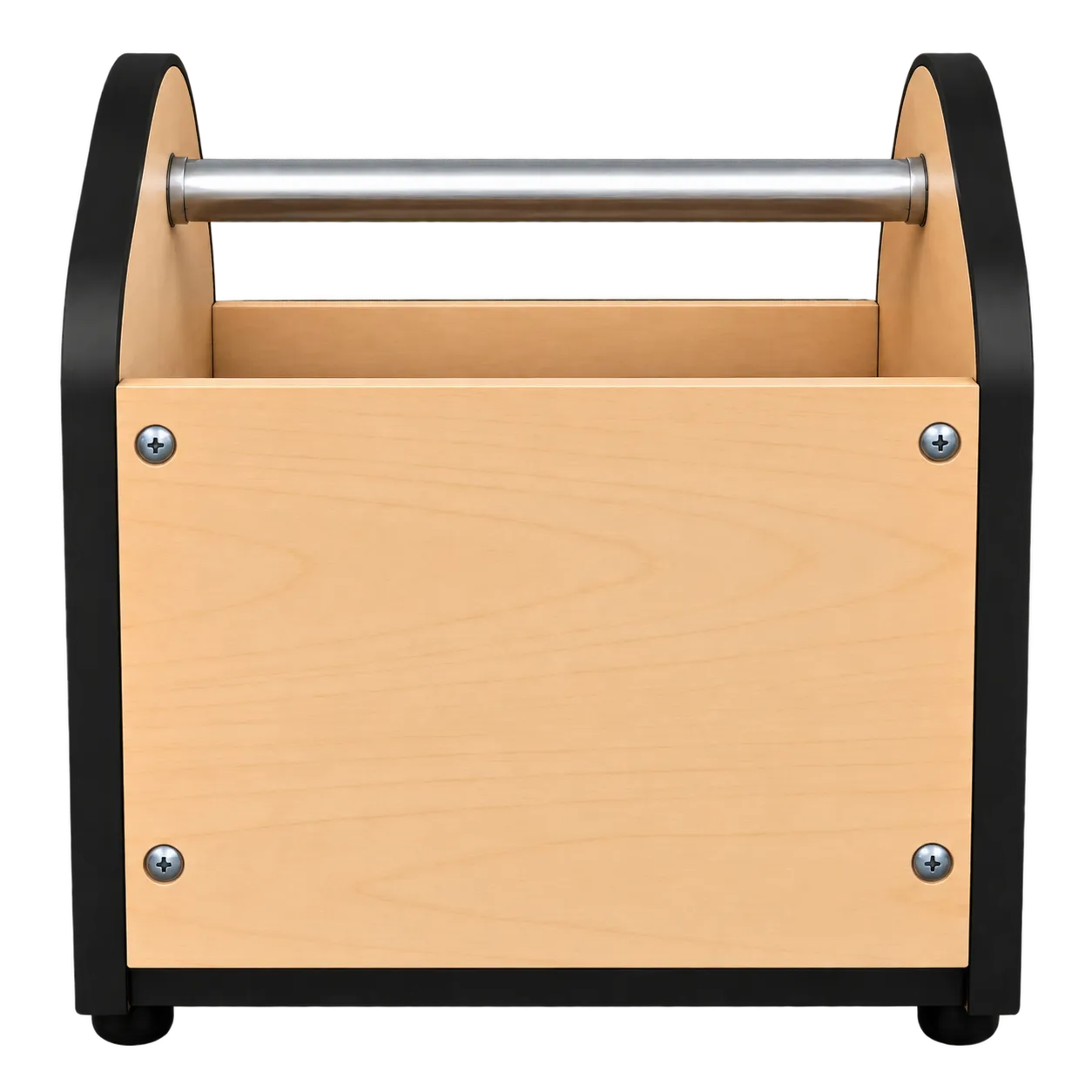
The WB02-1717 belongs in occupational rehabilitation services, physiotherapy and occupational therapy gyms, work hardening programmes, sports injury clinics and occupational health units. Its natural users are people preparing to return to physically demanding work after injury, for whom lifting and carrying a realistic load determines whether they can return. Occupational health teams can also use it to coach lifting technique before a worker resumes full duties.
Weight handling tasks are among the more dependable parts of functional assessment. A 2014 systematic review in BMC Musculoskeletal Disorders found that 96% of test-retest reliability measures for the WorkWell weight handling and strength tests reached an acceptable level, well above the figures for posture and locomotion tests. Prediction is less certain. In one cohort of 226 people with back pain followed for a year after assessment, floor-to-waist lift performance was not related to later recurrence. A lift box is therefore best used to train and track capacity against the real job, and less as a stand-alone predictor.
When planning loads, therapists often reference the load constant of 23 kg in the NIOSH Revised Lifting Equation, reduced for distance, height, frequency and twisting, alongside the actual weights handled in the person's workplace. Record the box model, dimensions and handle used with each result, since standardised protocols assume their own equipment.
NHS procurement routes ask for product safety or conformity documentation and a stated load rating for equipment like this, and equivalent public procurement elsewhere asks the same. The conformity documentation those procurement routes require is issued by the manufacturer and provided by the seller.