
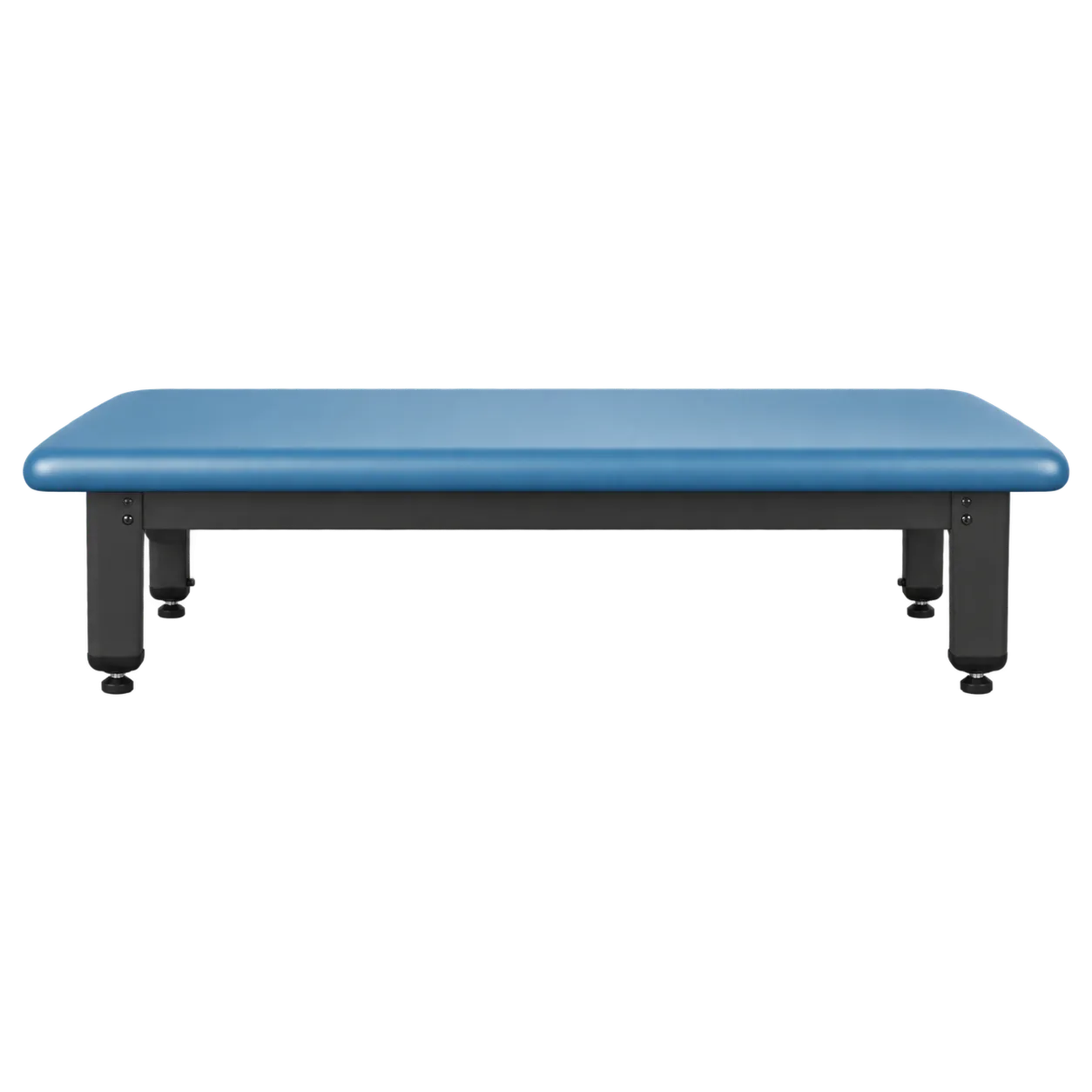
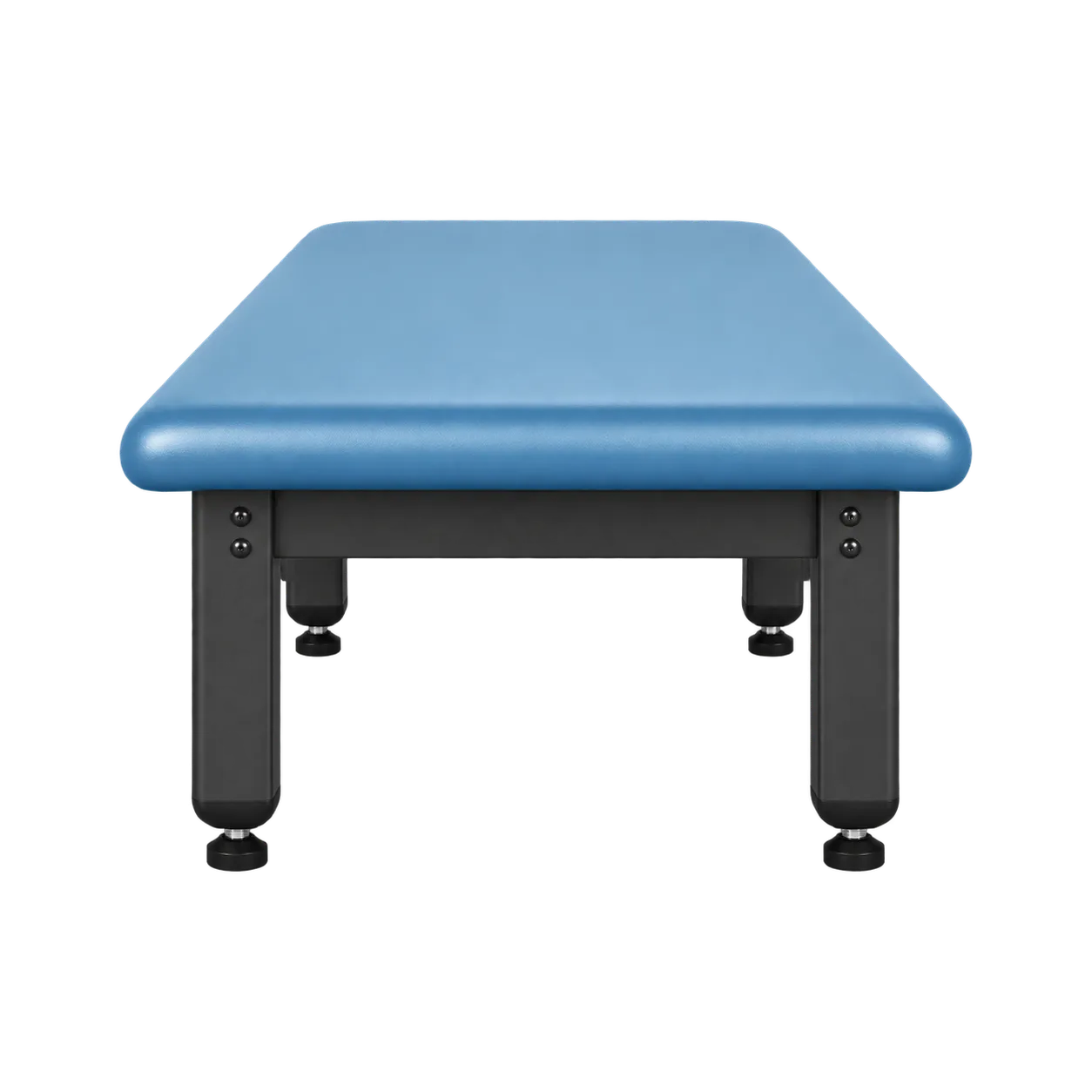
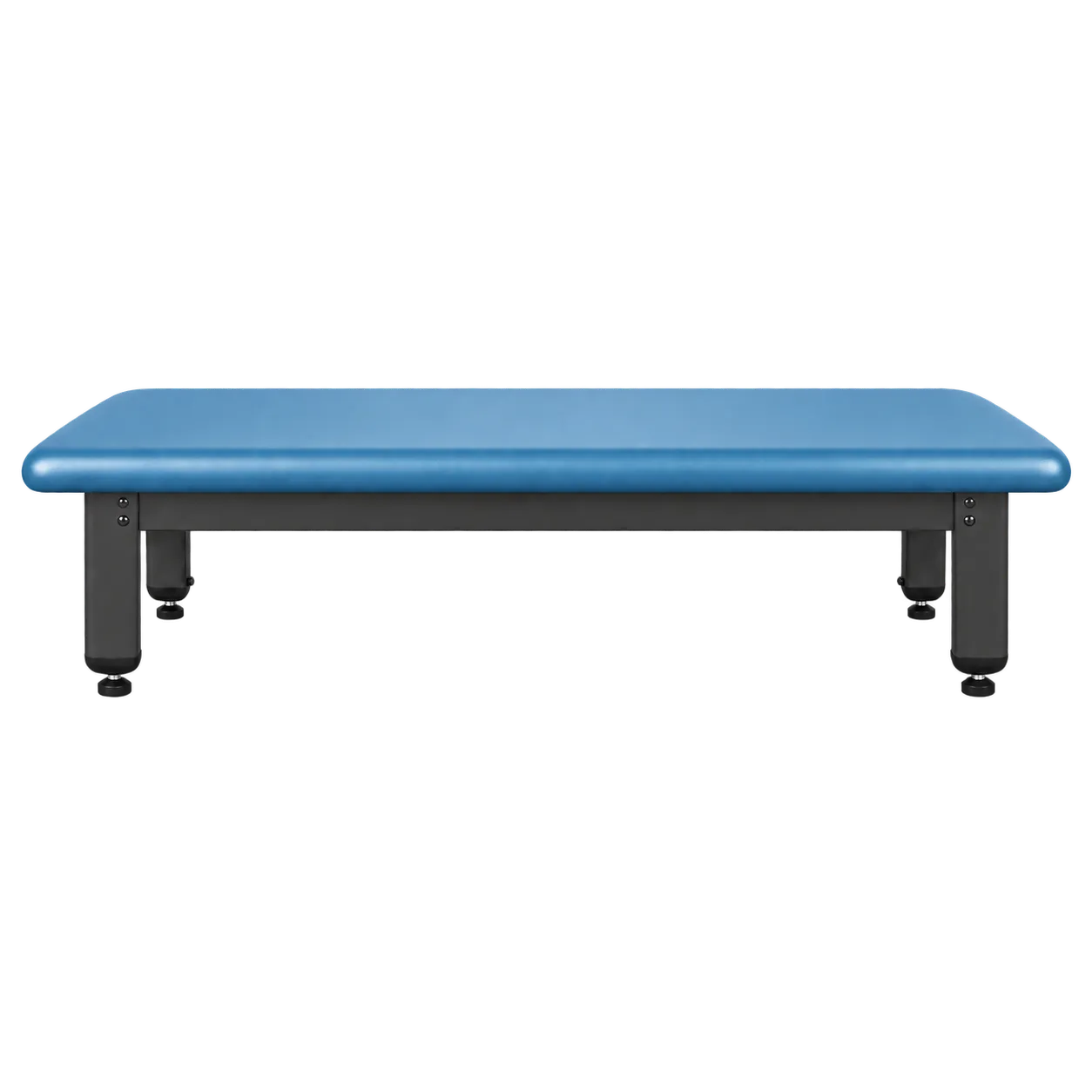
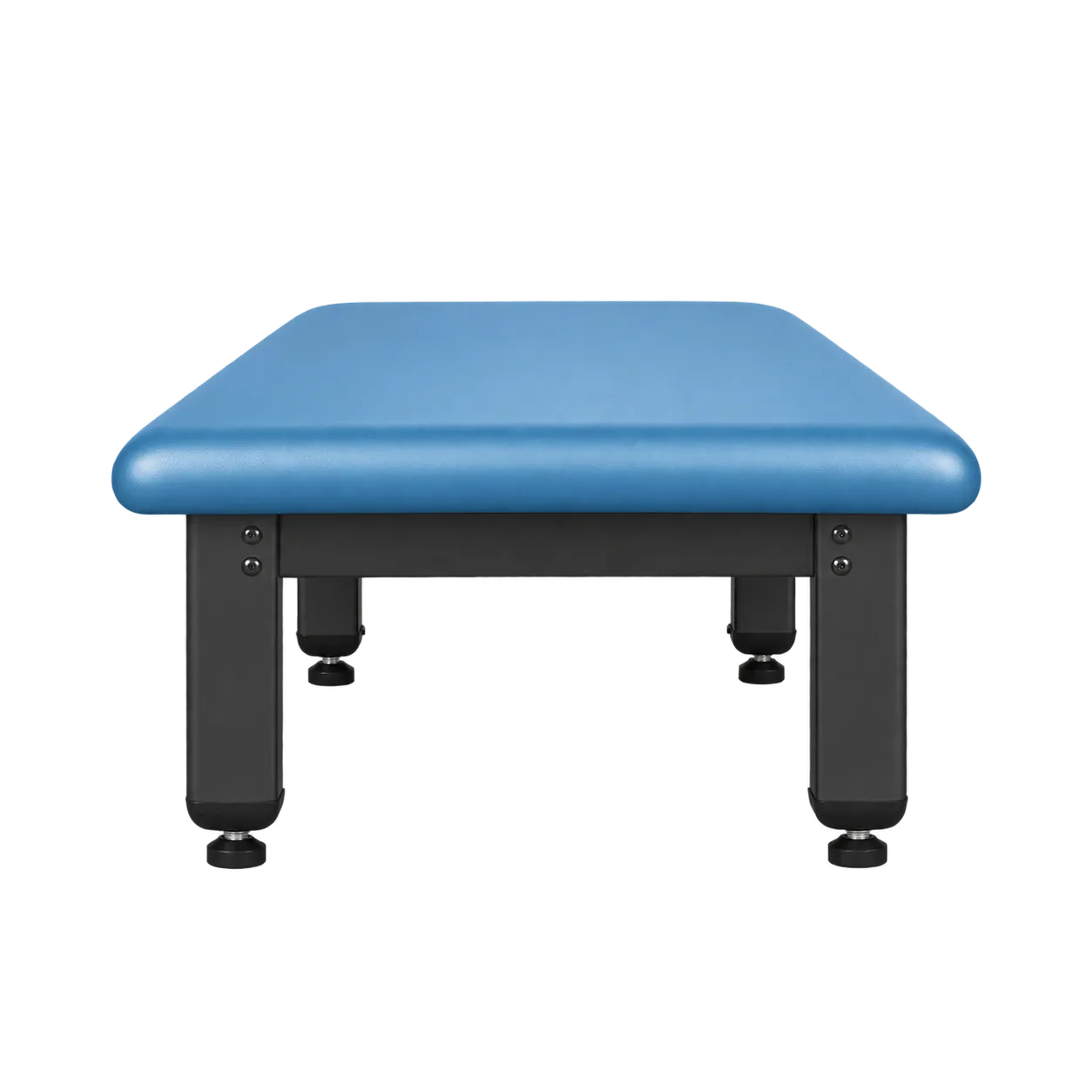
Hospital rehabilitation gyms, stroke and neurological units, community rehabilitation centres and outpatient physiotherapy departments with a bariatric caseload are where the RTL earns its place. The wide top carries mat work: rolling, bridging, long sitting, sitting balance at the edge, transfers to and from a wheelchair and sit-to-stand from the side. Sintang also positions it for paediatric recovery training, where a therapist and child share the surface. Bed mobility practice before a discharge home fits the same platform.
Trunk and sitting balance training is where the evidence is firmest. A 2019 meta-analysis found strong evidence that trunk training improves trunk control, sitting and standing balance and mobility after stroke, and a 2022 review found no significant difference between training on stable and unstable surfaces. The name Bobath plinth describes the furniture; it does not define the method. A 2020 systematic review found Bobath therapy inferior to task-specific training for lower limb activities after stroke. The platform serves whichever approach a team uses, and the evidence points towards task-specific practice.
In the UK, the physiotherapists and occupational therapists who use it are registered with the HCPC. Hospital rehabilitation services in England register with the CQC, and Scotland, Wales and Northern Ireland each have their own provider regulator. MHRA guidance on managing medical devices covers acceptance checks and planned maintenance for powered equipment like this. NHS procurement routes ask for conformity documentation and a stated safe working load, and equivalent public procurement elsewhere asks the same. The conformity documentation those procurement routes require is issued by the manufacturer and shared by the enquiry team.