
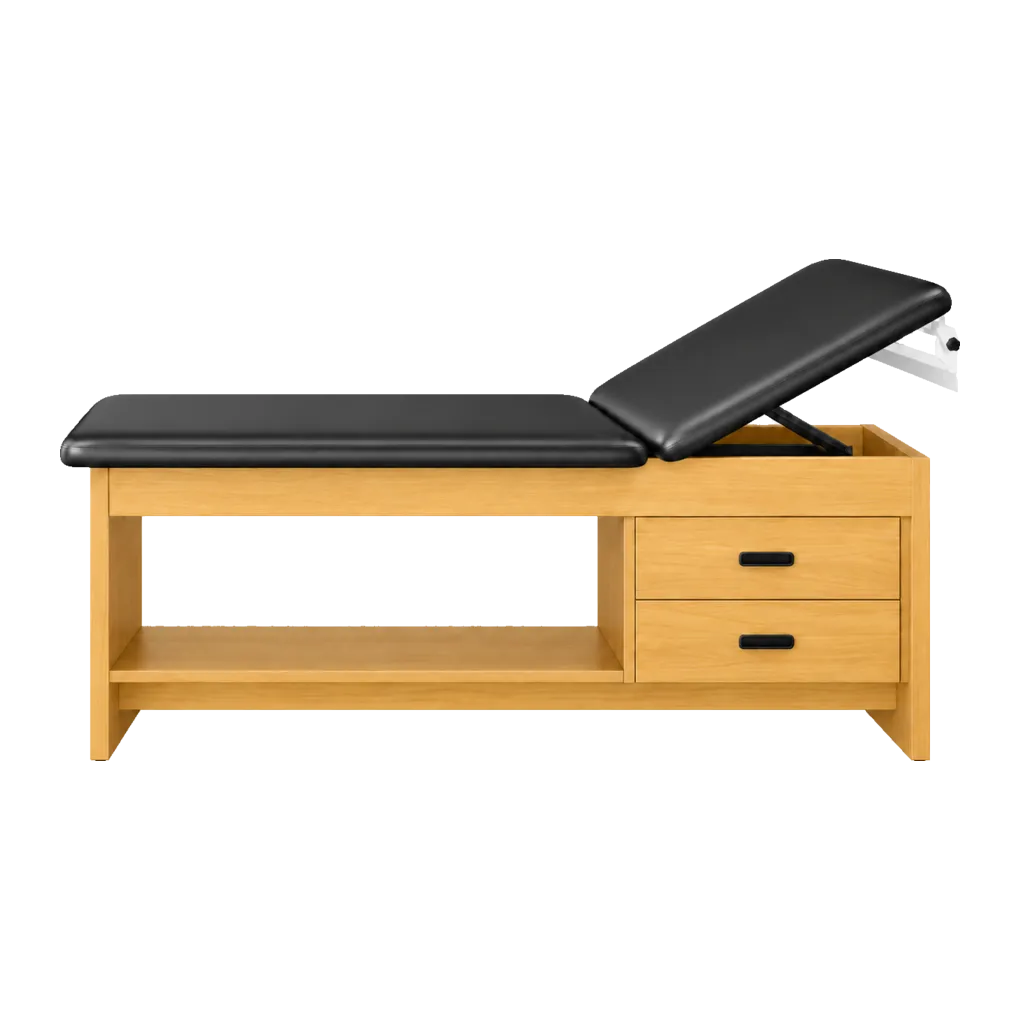
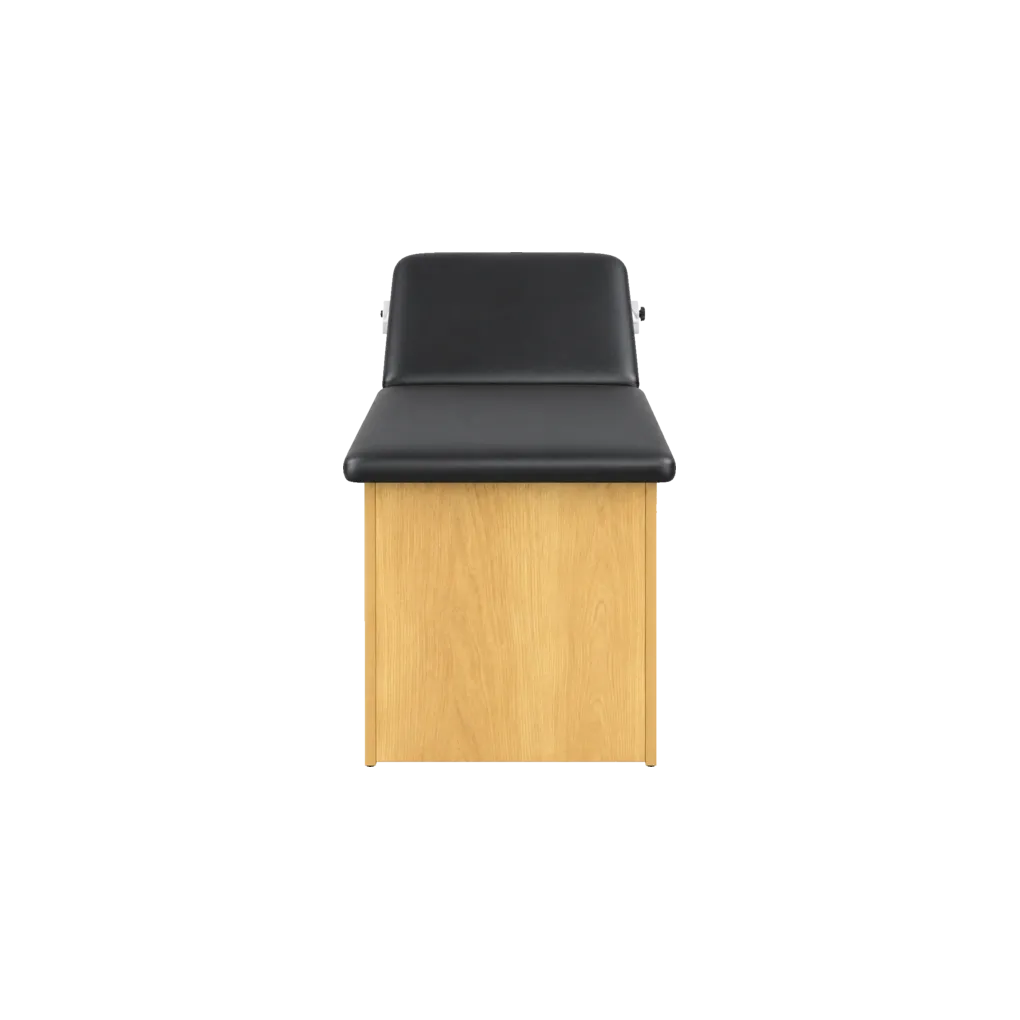
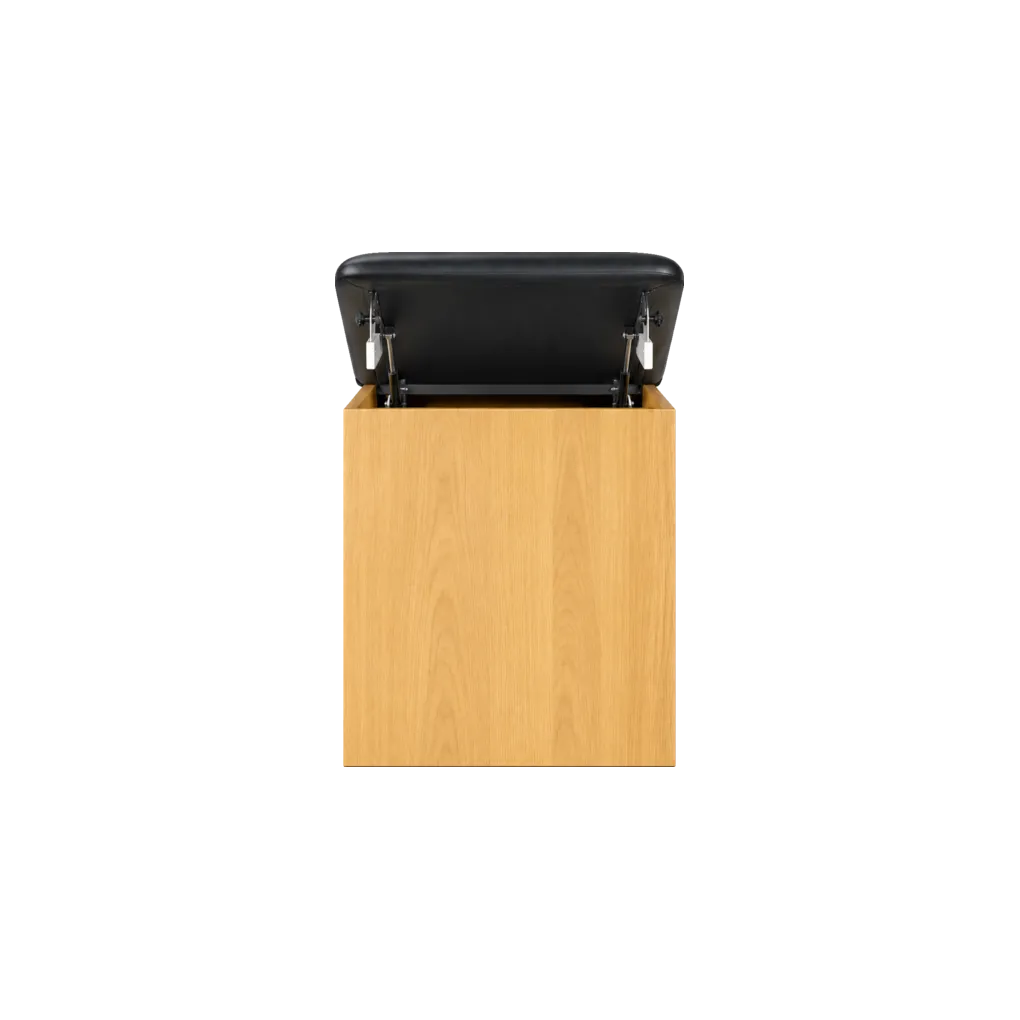
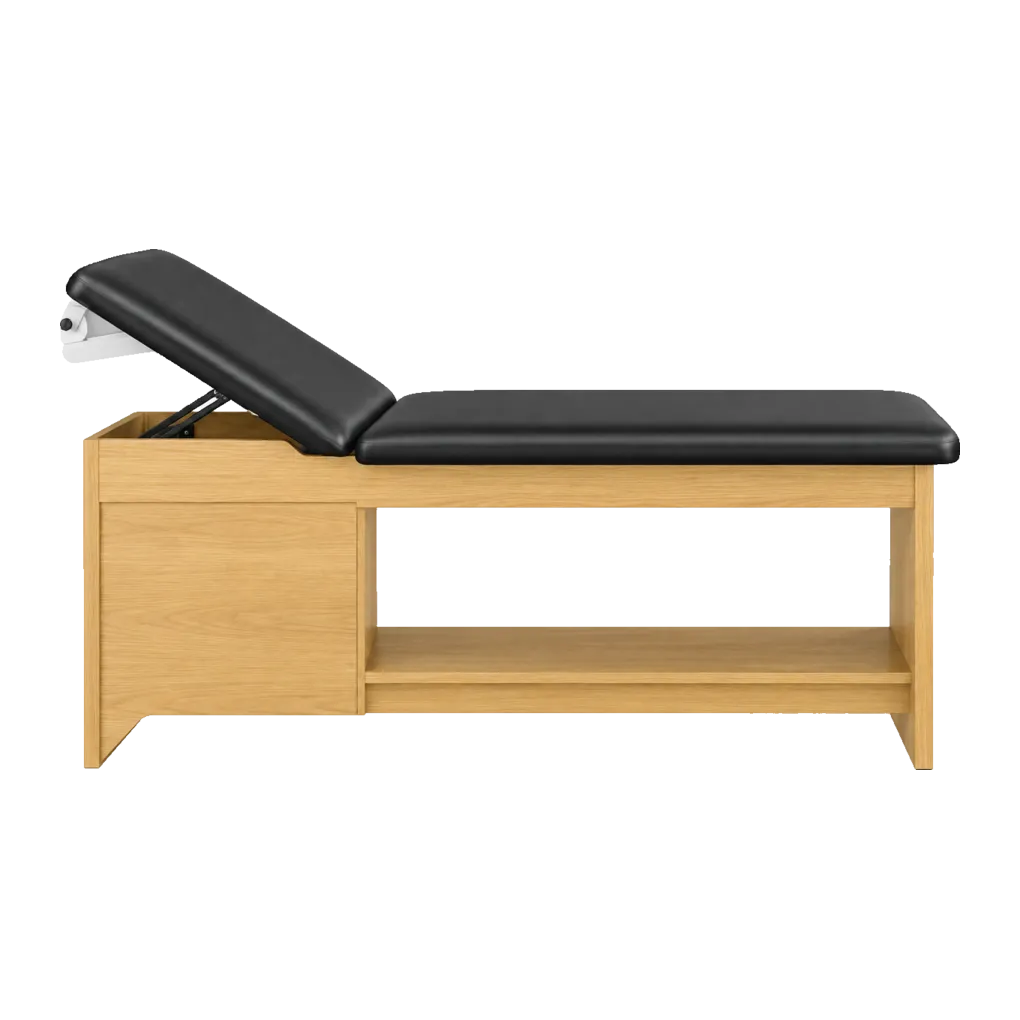
The Health and Safety (First-Aid) Regulations 1981 require employers to provide adequate first-aid equipment, facilities and people, and HSE guidance says a first-aid room should be provided where a needs assessment calls for one. Chemical works, construction sites and premises far from medical help are typical examples. The Clinic4-2011 answers the furniture side of that room in one piece: a couch with a backrest, two drawers for first-aid materials and a low shelf for the clean pillows and blankets HSE expects to see.
Schools have a statutory version of the same need. Regulation 5 of the School Premises (England) Regulations 2012, mirrored for academies and independent schools in the Independent School Standards, requires accommodation for examining and treating pupils and for the short-term care of anyone sick or injured. In practice, that is a medical room where a child with a headache can lie down until a parent arrives, or a pupil with asthma can sit up while an inhaler takes effect.
Sports clubs, gyms and leisure centres use the same arrangement for knocks, strains and strapping, and for letting a player rest under supervision. Occupational health teams use it for pre-employment medicals, fitness-for-work reviews and health surveillance appointments, where the couch sits alongside the desk, and the drawers hold the day's consumables.
Whatever the setting, plan the room around access. HSE expects a first-aid room to be easy to reach with a stretcher and clearly signposted, so keep a long side of the table clear and the route from the door unobstructed. Wipeable laminate and PVC edges help a room that sees blood and grazes stay clean between casualties. If the room is still on the drawing board, Medigear.uk can arrange a site survey.