

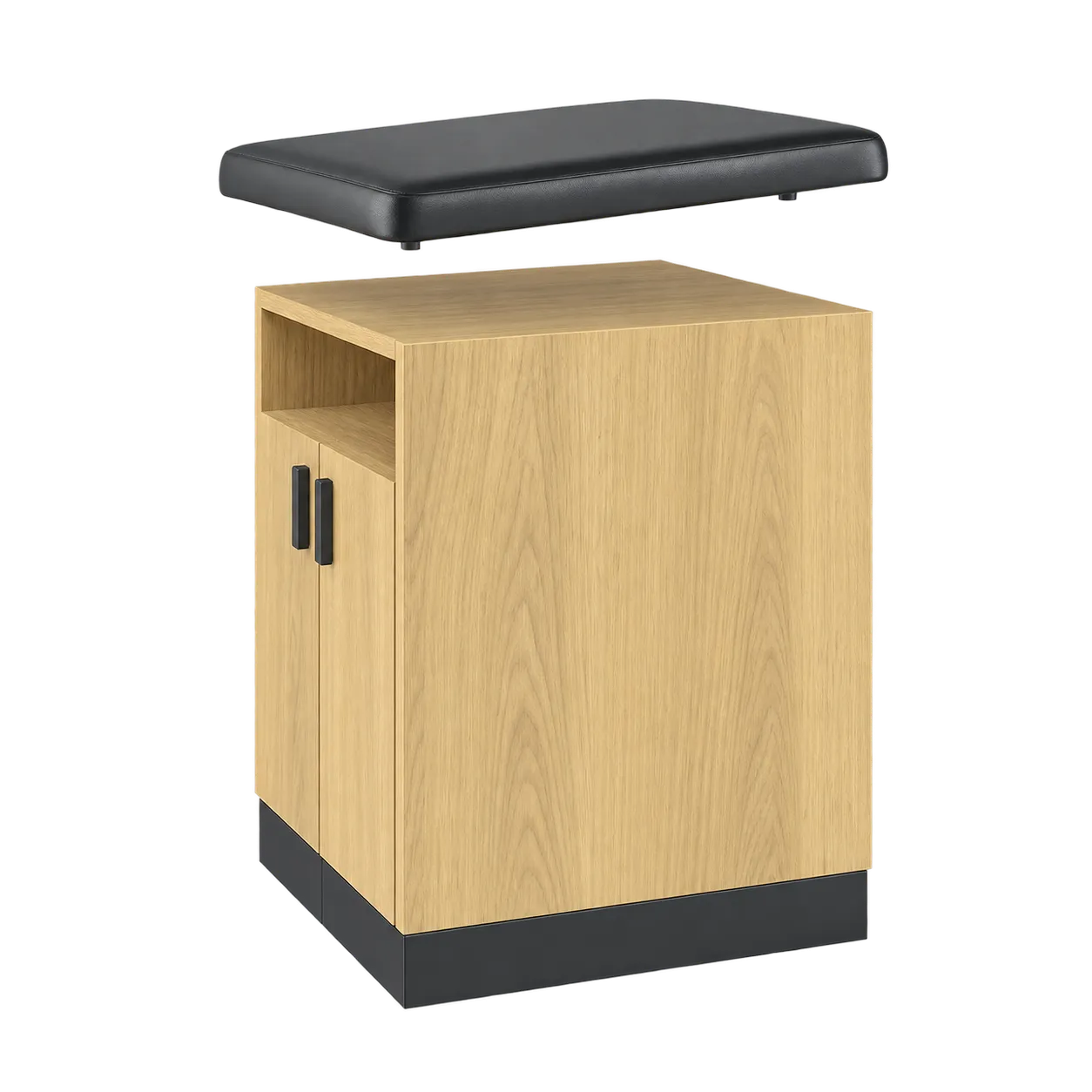
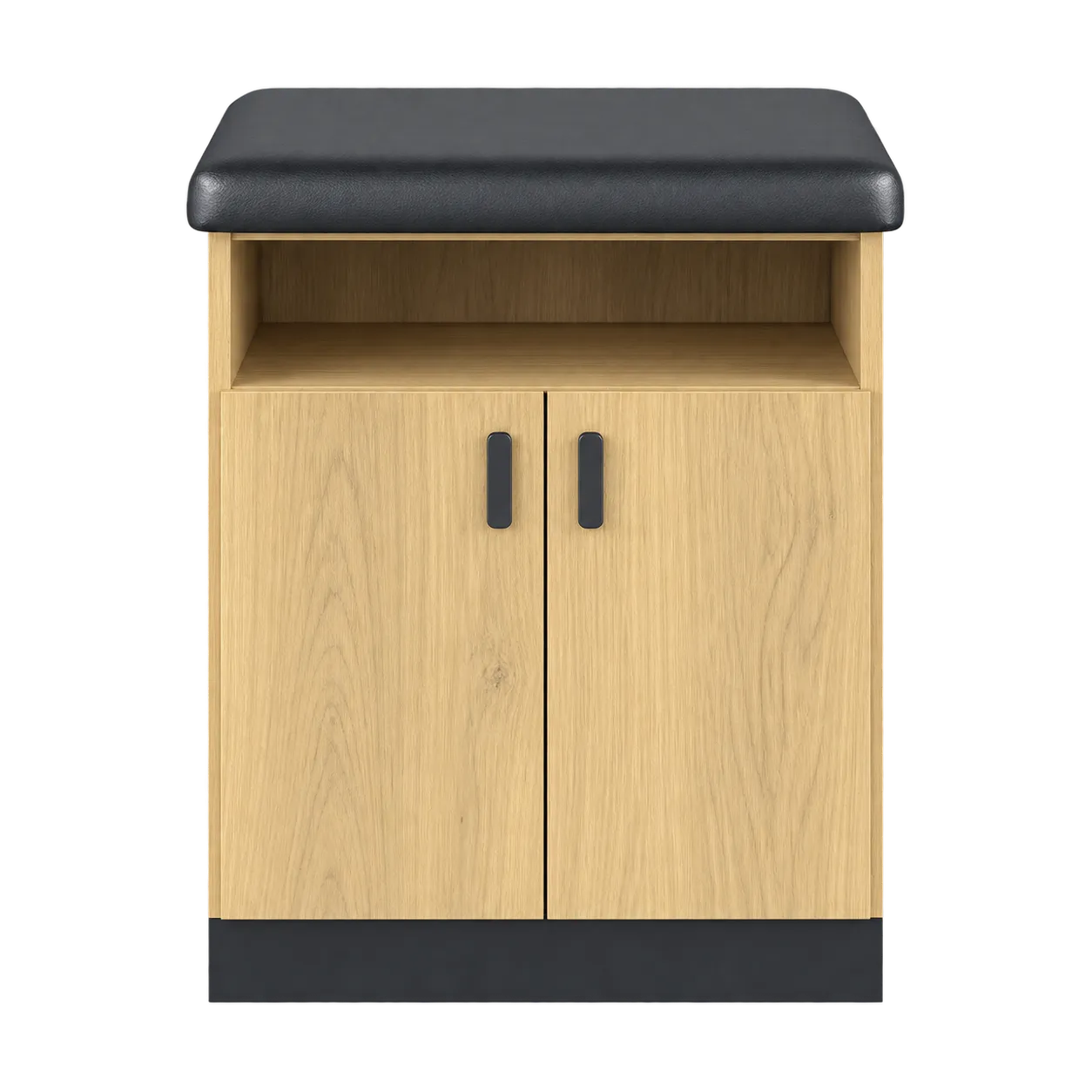
Athletic-2010 earns its place in taping rooms at professional and university clubs, sports injury clinics, and physiotherapy practices with a sports caseload. Before training or a match, athletes queue for ankle, wrist, thumb, and knee strapping, and each sits up at the station while the clinician works at the end of the table. Between sessions, the same station handles brace fitting, quick reassessments and blister dressings, with the cupboard holding stock for all three.
The evidence behind that work is clearest for athletes with a previous sprain. A 2010 systematic review of external ankle supports found that tape cut ankle sprains by 71% (odds ratio 0.29) and bracing by 69% (odds ratio 0.31) among previously injured players. The case for taping every ankle is weaker. A 2004 analysis of collegiate intramural basketball data found that preventing one sprain meant taping 26 athletes with a sprain history but 143 without one. A 2012 meta-analysis in people with recurrent sprains or functional instability found no effect of tape or brace on joint position sense. The station earns most where the taping list focuses on athletes with an injury history.
Regulation depends on where it sits. In the UK, physiotherapists who strap athletes are registered with the HCPC. In England, the government has removed the exceptions that kept treatment at sports grounds and events outside CQC registration, so a club providing treatment should check whether its service now falls in scope. Scotland, Wales and Northern Ireland each have their own provider regulator. NHS procurement routes require conformity and fire documentation for treatment furniture, and equivalent public procurement elsewhere asks for the same. The conformity documentation those procurement routes require is issued by the manufacturer and shared by the enquiry team.