
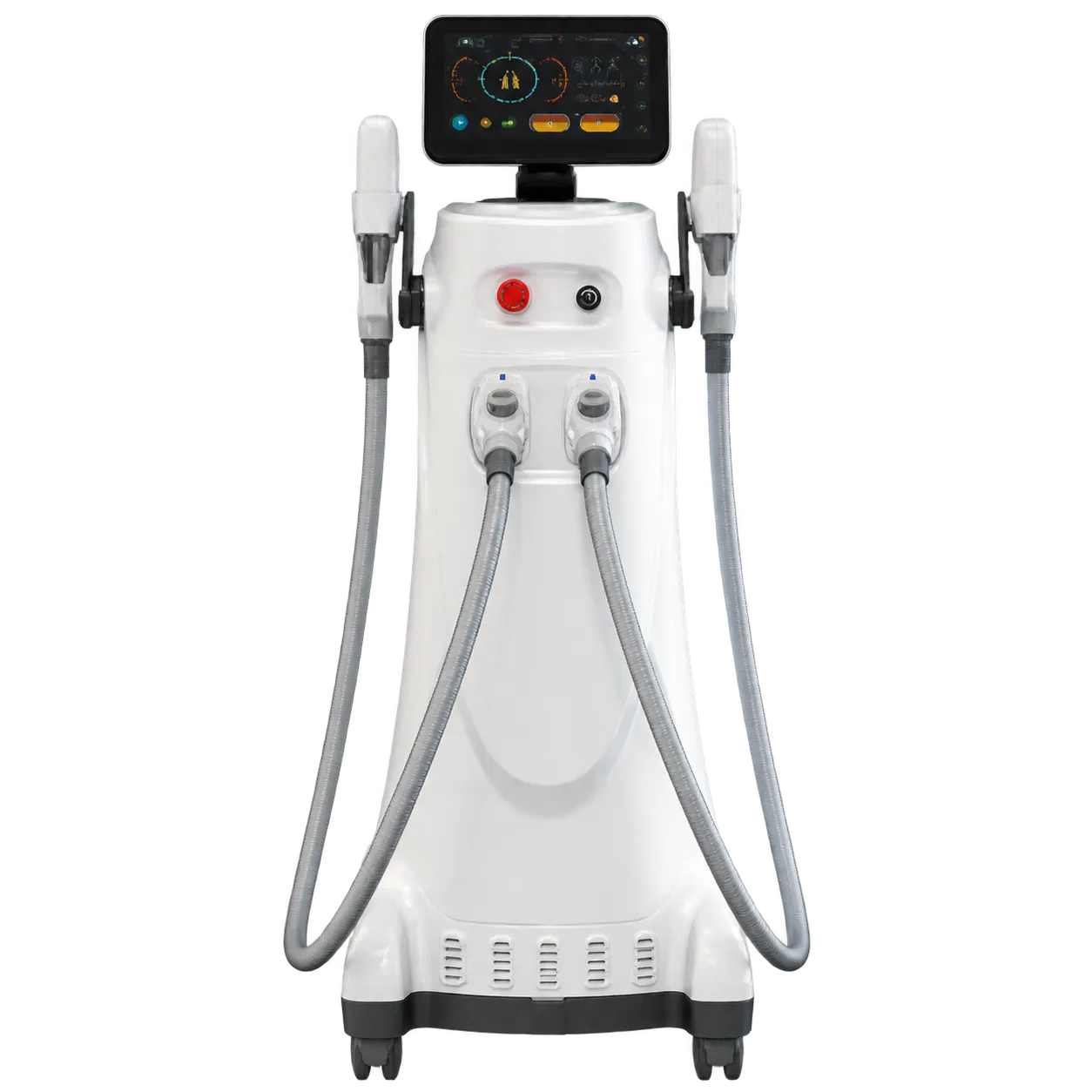
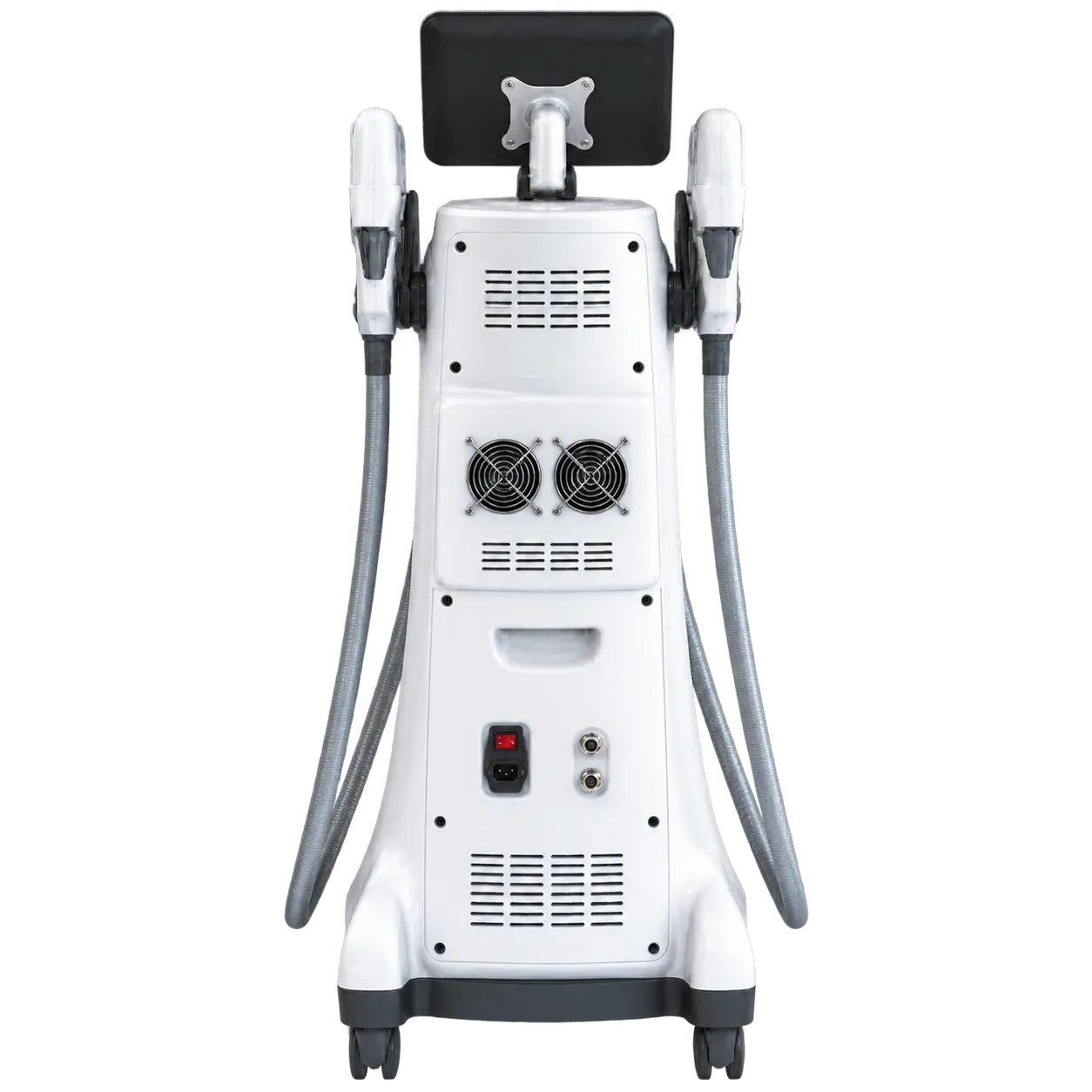
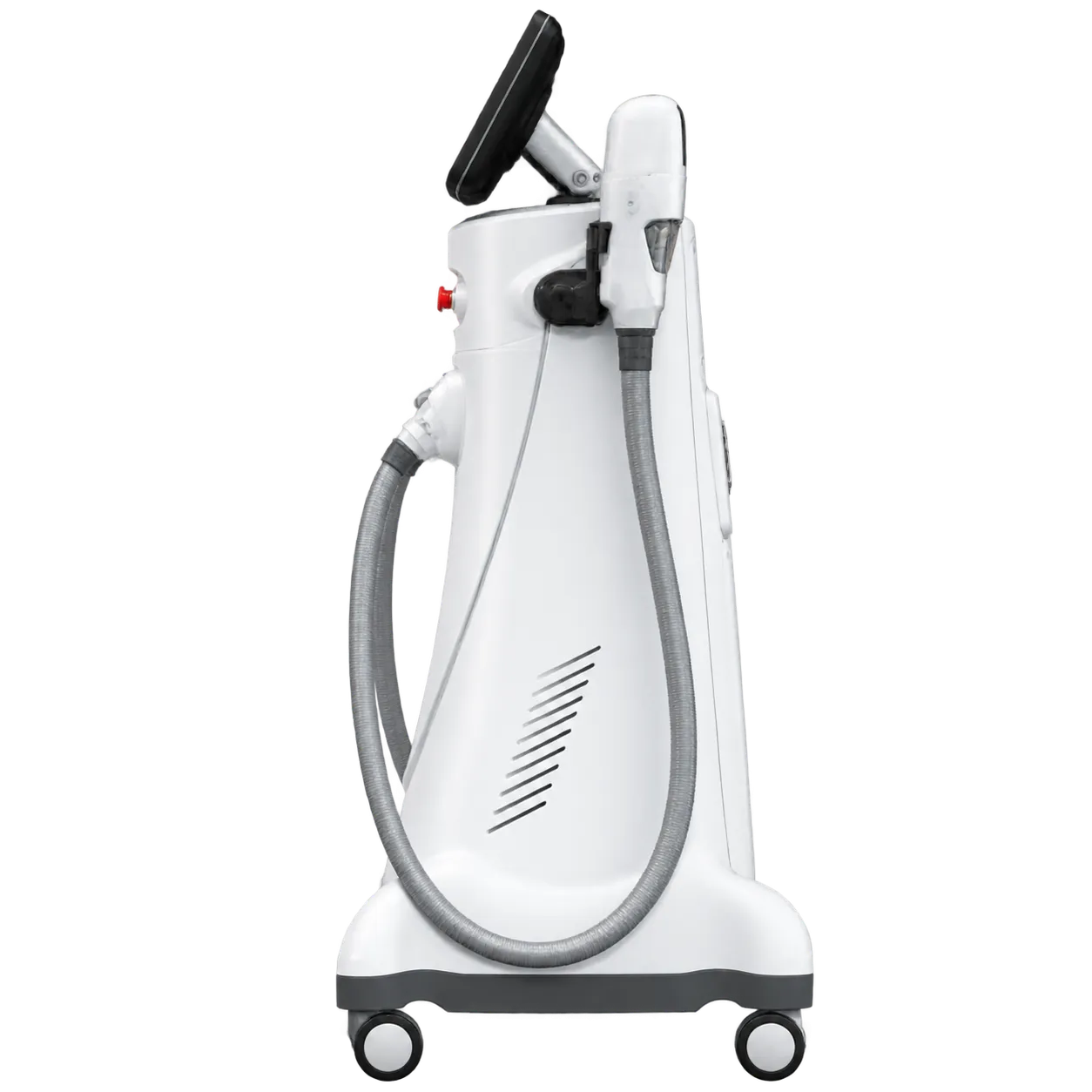
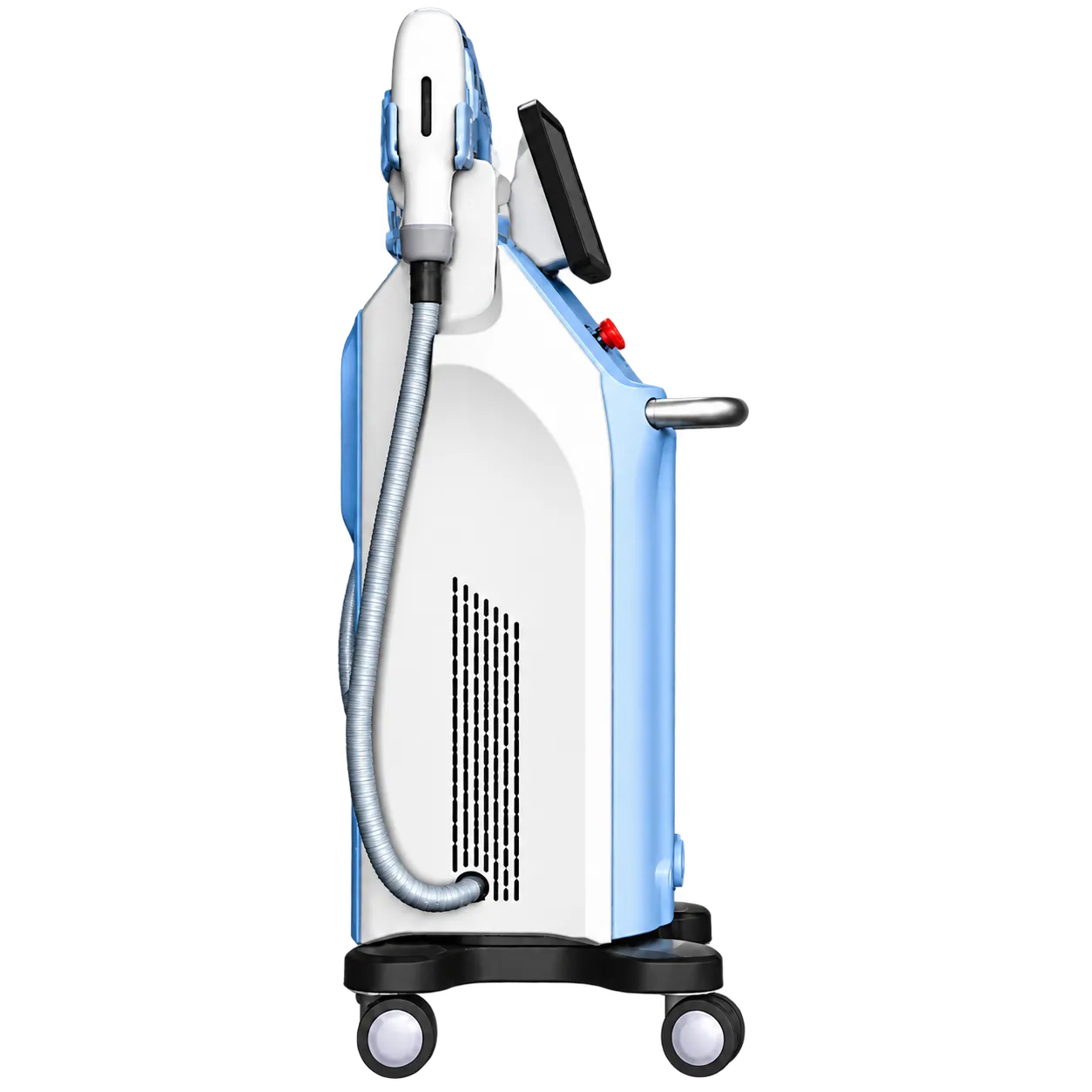
Unwanted hair on the legs, underarms, bikini line, back and face is the main workload, and SHR gliding makes large areas practical in a single appointment. Clients with dark hair on light to medium skin respond most predictably. Photorejuvenation is the second job: the 560 and 640 nm inserts target sun-related pigment and uneven tone, while vascular filtering addresses facial redness and fine thread veins. The 430 nm insert gives a light-based option for active acne alongside a skincare plan, and E-light mode adds radio frequency for texture work. Each of these uses runs as a course of several visits, turning one consultation into a series of repeat bookings.
The evidence is solid but finite. A 2022 systematic review limited to randomised trials with follow-up of at least one full hair growth cycle found long-term IPL hair reduction of 27 to 52.7 per cent. The smallest effect appeared on the face and the largest under the arm, and the authors noted that red or light-coloured hair responded 5 to 15 per cent less. Those figures support honest marketing built around reduction, maintenance and realistic course numbers, and they argue against promises of permanence.
The VI2 earns its place in beauty salons, laser and skin clinics, dermatology practices offering cosmetic services and medical spas, where one console covering hair, pigment and acne keeps a treatment room busy across the day. Clinic groups and franchise operators buy through formal procurement routes, and their compliance teams ask for device documentation before installation. The conformity documentation those procurement routes require comes from the manufacturer and is shared by the enquiry team.