
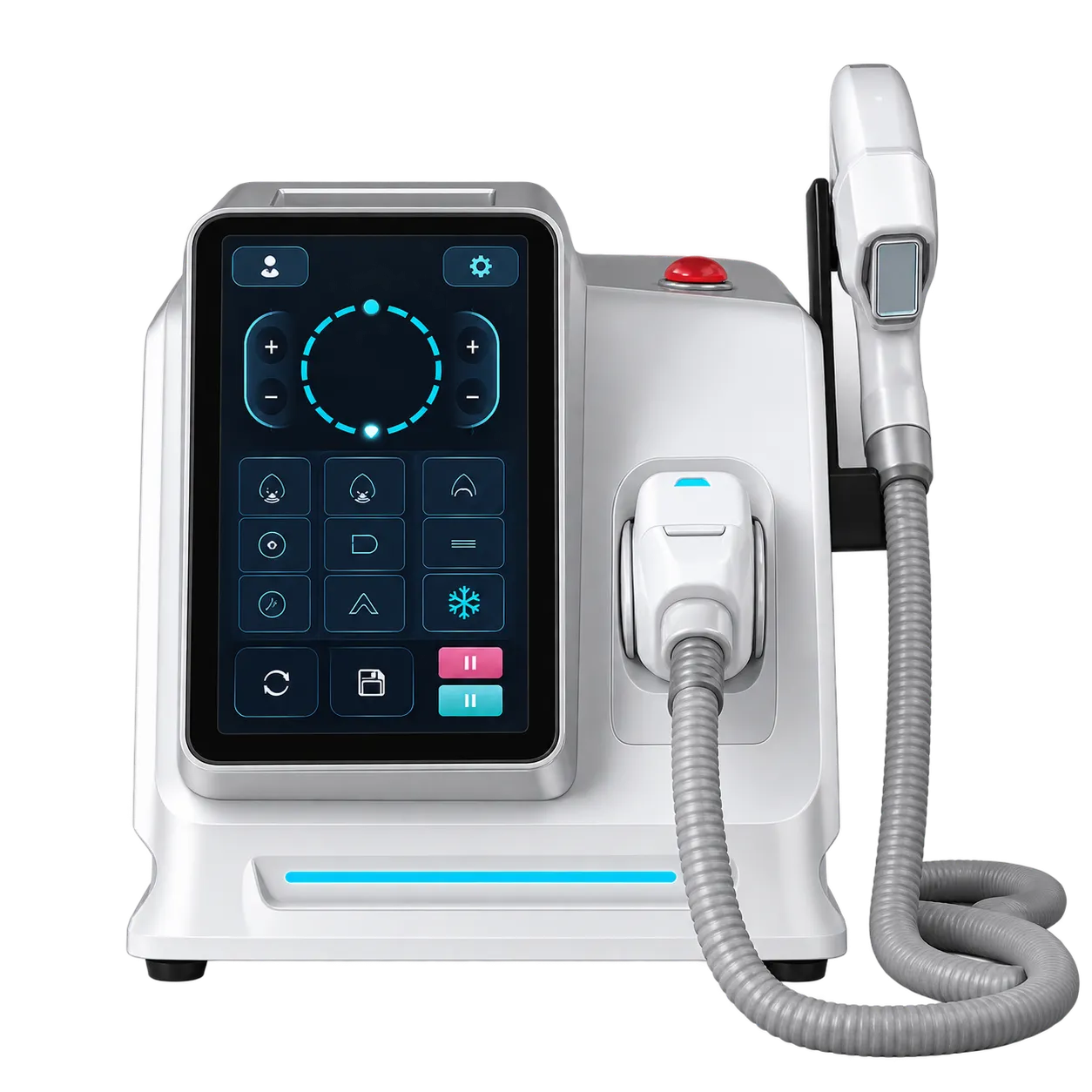
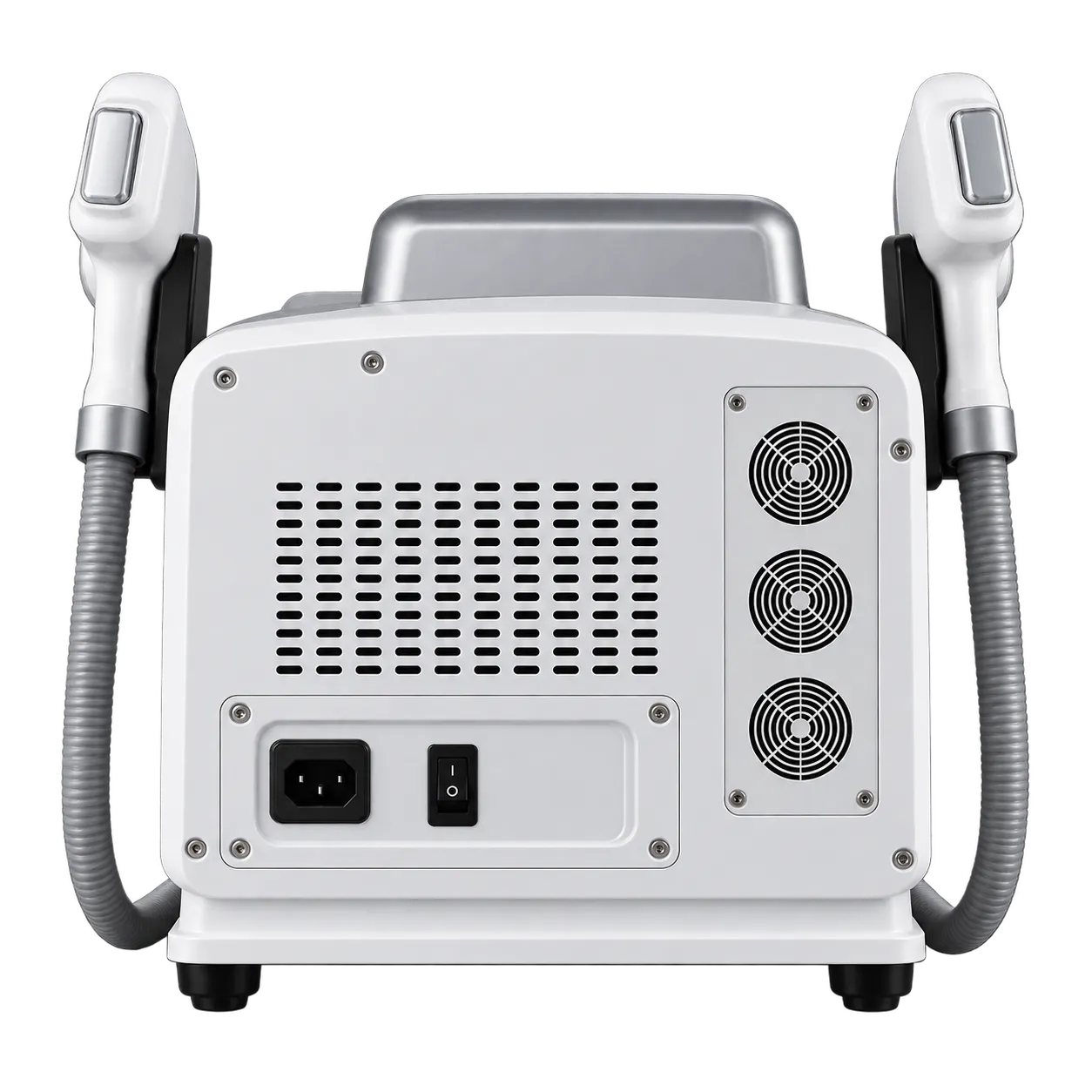
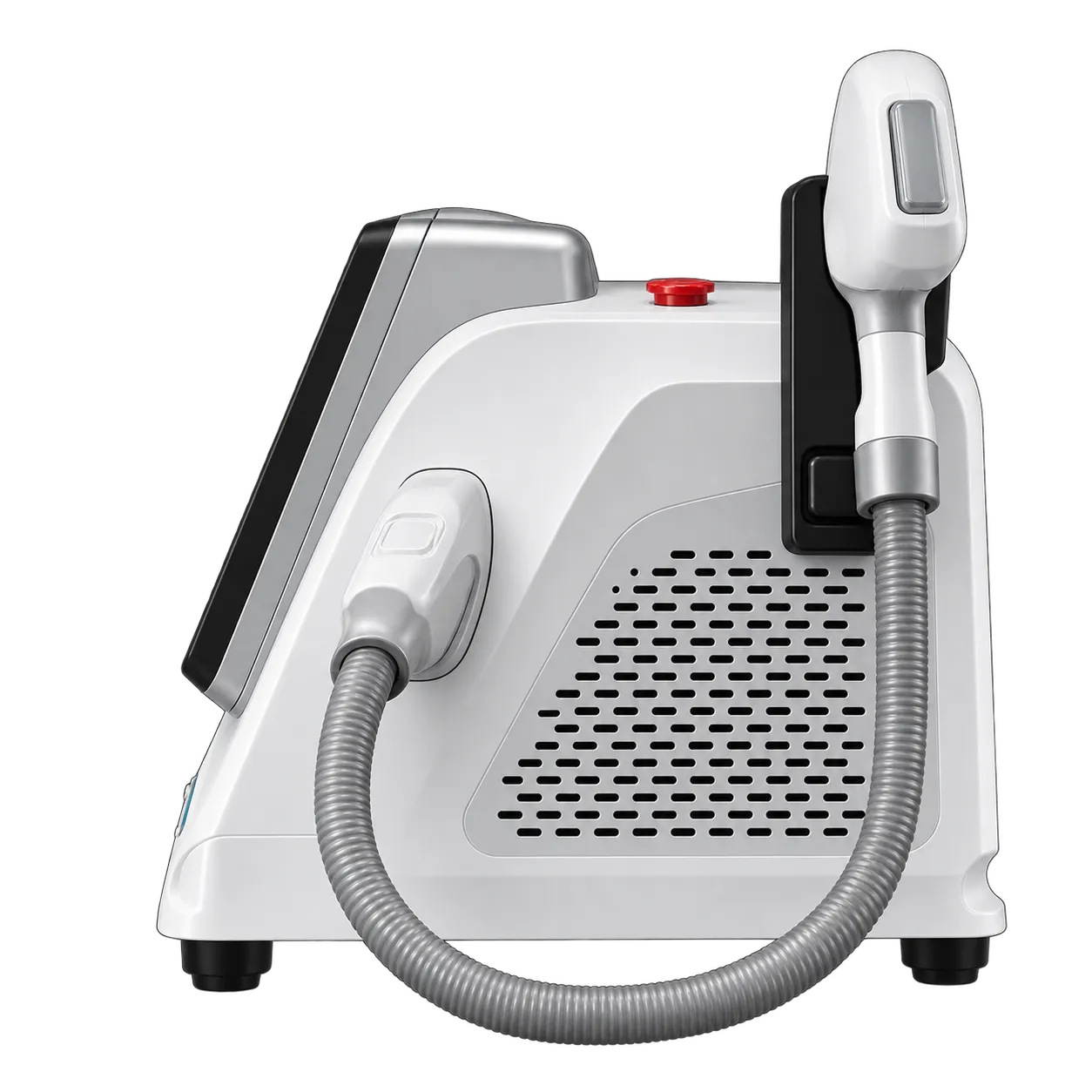
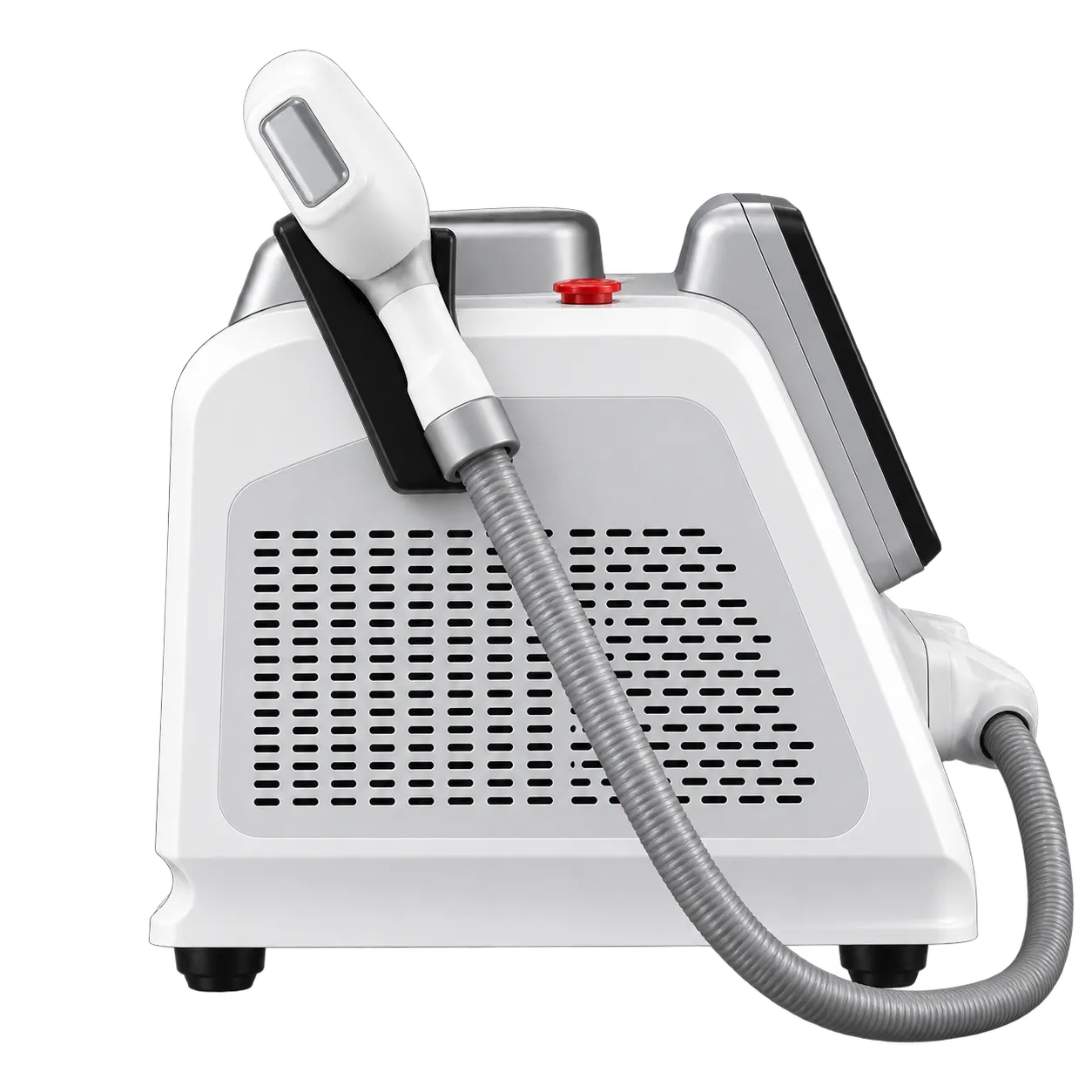
The TI4 suits beauty studios, salons, aesthetic and dermatology practices and medical spas whose clientele is mostly Fitzpatrick types I to IV with dark hair. Most bookings are for body hair, from legs and underarms to the bikini line and back, with sliding passes on large areas and stamped pulses on the lips and chin. Rosacea redness, thread veins, freckles and sun spots make up the skin list, and Nubway's platform list adds active acne.
Evidence on darker skin pulls in two directions. A 2026 narrative review of cosmetic treatments in skin types IV to VI advises against IPL there because of hyper- and hypopigmentation, and names the long-pulsed 1064 nm Nd: YAG laser as the standard for hair removal. The same review describes a within-patient comparison in types IV to VI in which IPL left no lasting adverse effects, although the laser removed more hair. It also cites a review of types III and IV that found IPL as safe and effective as lasers.
Duties attach to each room the console works in. An optical risk assessment under the Control of Artificial Optical Radiation at Work Regulations 2010 falls to the employer. MHRA's guidance on intense light sources looks for written local rules, an appointed protection adviser and a supervisor on site, and operator eyewear should carry BS EN ISO 12609-1 marking. PUWER 1998 covers operator training and planned maintenance, and powered equipment undergoes electrical testing on the provider's schedule. Clinic groups that buy through formal procurement routes usually want device documents in hand before a unit is installed. The conformity documentation those procurement routes require comes from the manufacturer and is shared by the enquiry team.