
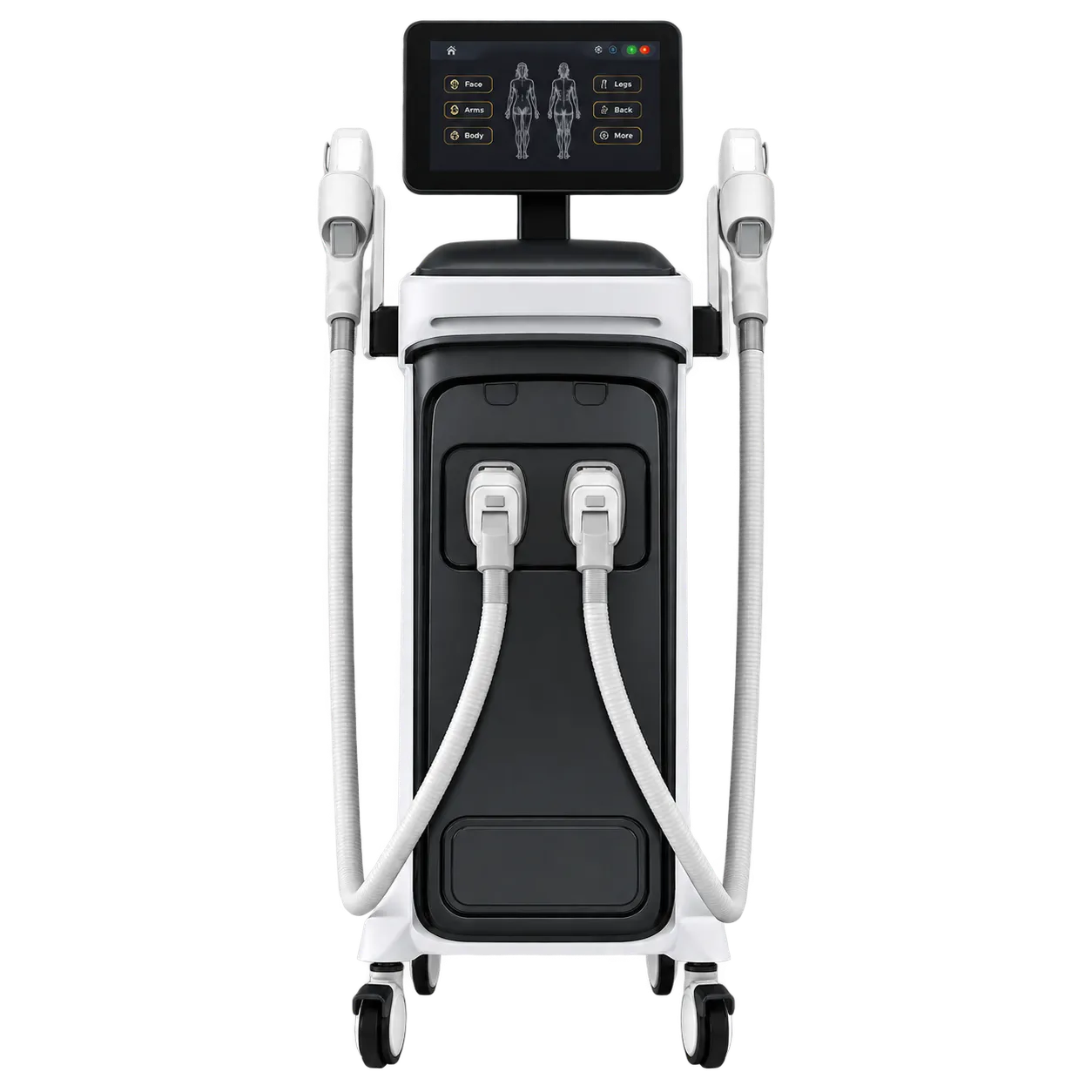
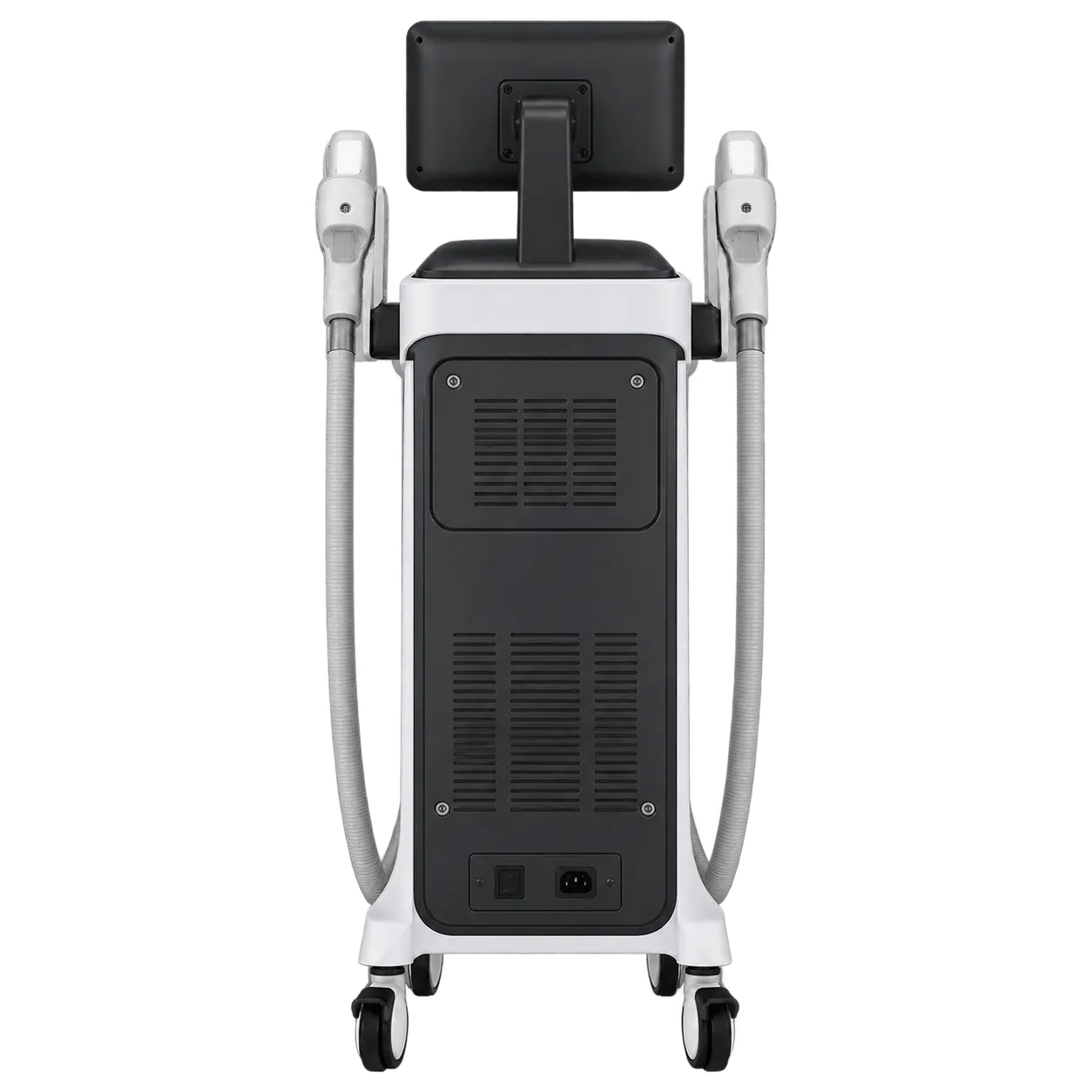
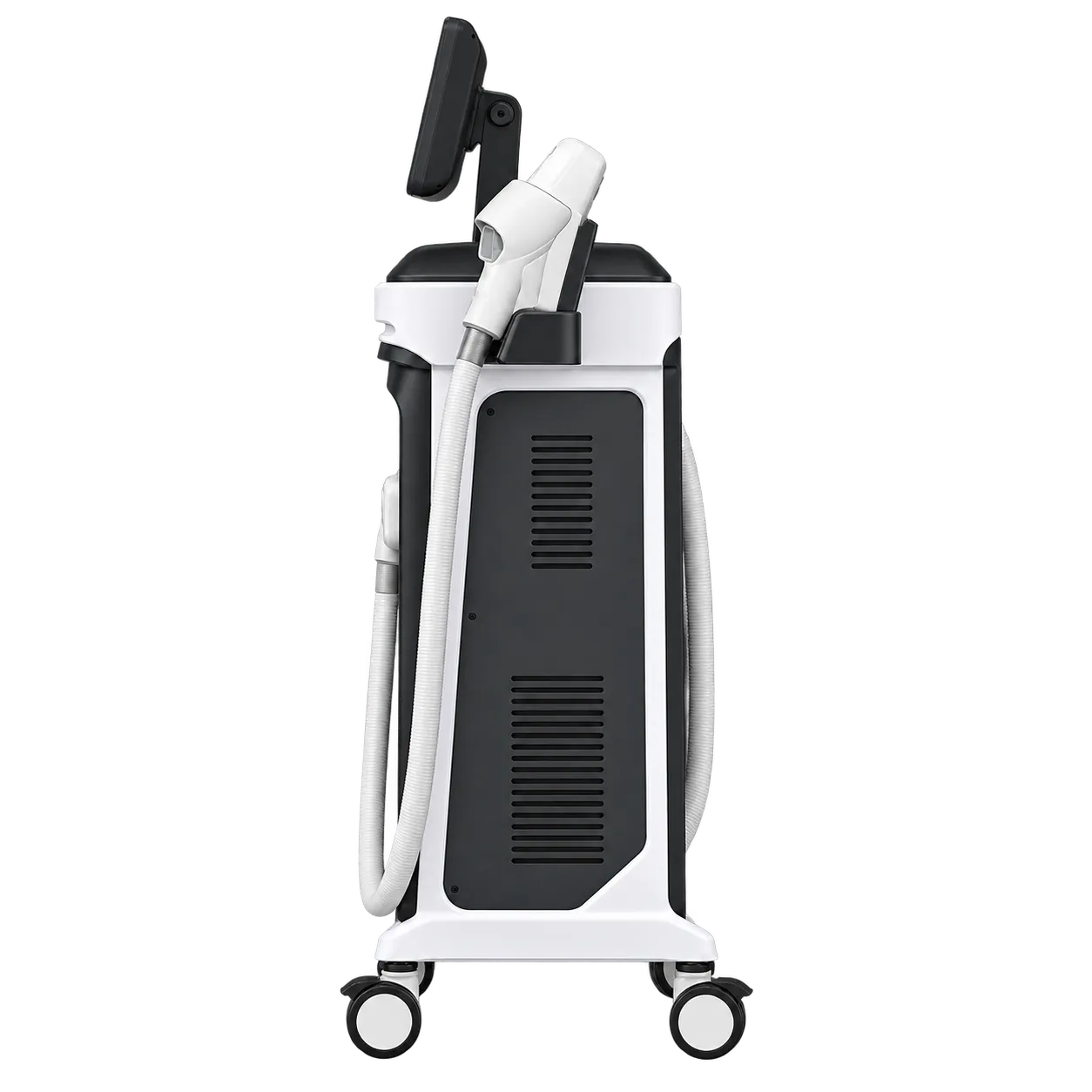
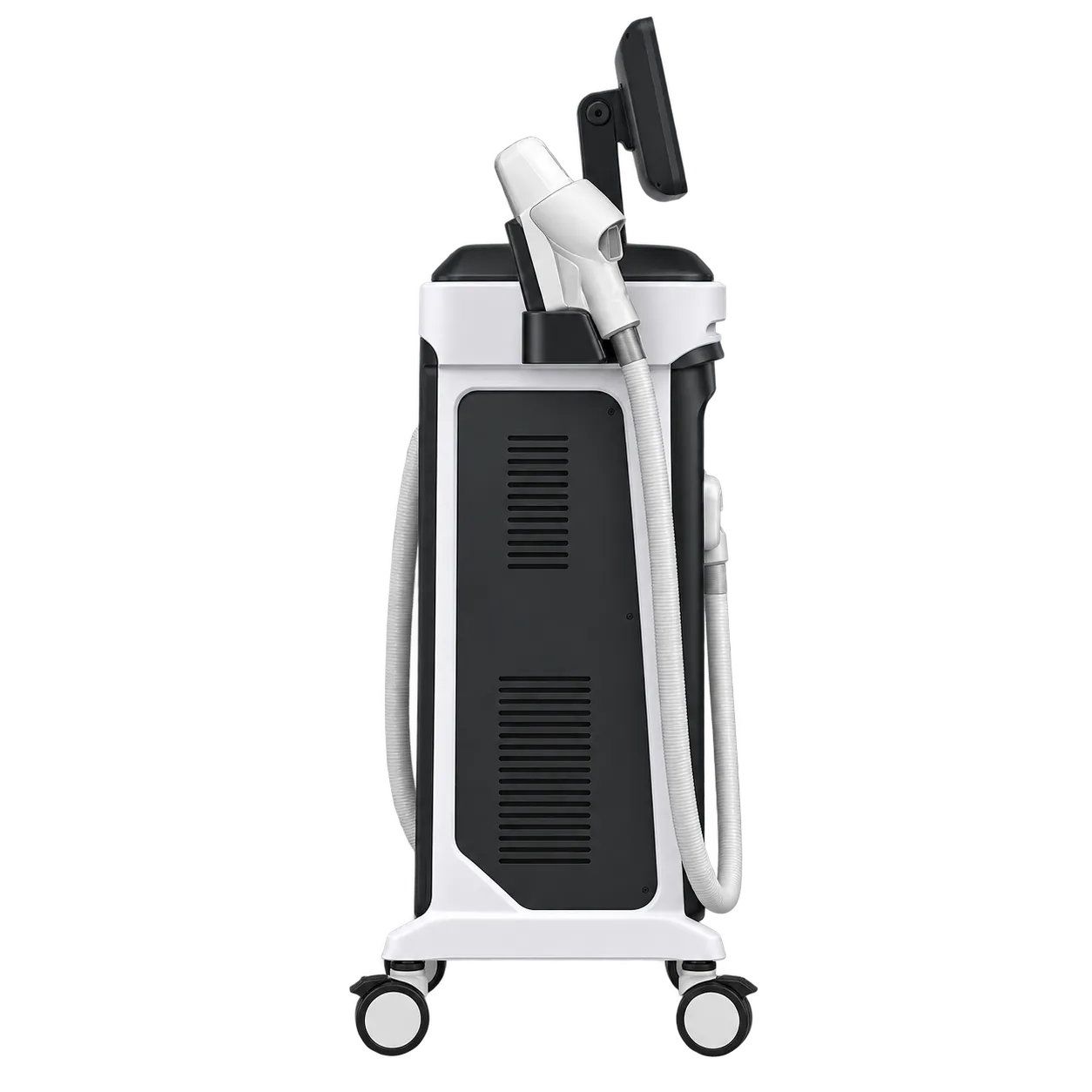
Body hair is the main workload. Legs, backs, chests and underarms suit sliding passes, while stamped pulses handle the upper lip, chin and bikini edges. The skin handler takes care of freckles, sun-induced pigmentation and patchy tone, and Nubway also lists redness and active acne. Day spas, salons with a dedicated light room, medical spas and dermatology practices offering cosmetic services are the natural homes. Each needs its own circuit, temperature control and windows that can be screened during firing.
The evidence on skin work is thinner than the marketing. A 2024 systematic review of IPL in rosacea found improvement in redness and visible vessels across most studies, with passing side effects, but rated the studies' quality as poor. For acne, a 2016 Cochrane review of light therapies found high-quality evidence lacking and noted blistering in some IPL studies, so acne work belongs inside a wider skincare plan. Hair reduction has the stronger evidence base, with partial, lasting gains that need maintenance visits.
The room carries its own duties. Under the Control of Artificial Optical Radiation at Work Regulations 2010, the employer assesses optical exposure and keeps that assessment current. MHRA guidance for intense light systems advises appointing a protection adviser, setting written local rules and naming a protection supervisor, with operator eyewear to BS EN ISO 12609-1. Electrical safety testing follows the provider's own policy, and PUWER 1998 makes the employer responsible for training and maintenance. Spa chains and multi-site aesthetic groups usually buy through procurement routes that want documents on file before a device reaches a site. The conformity documentation those procurement routes require comes from the manufacturer and is shared by the enquiry team.