
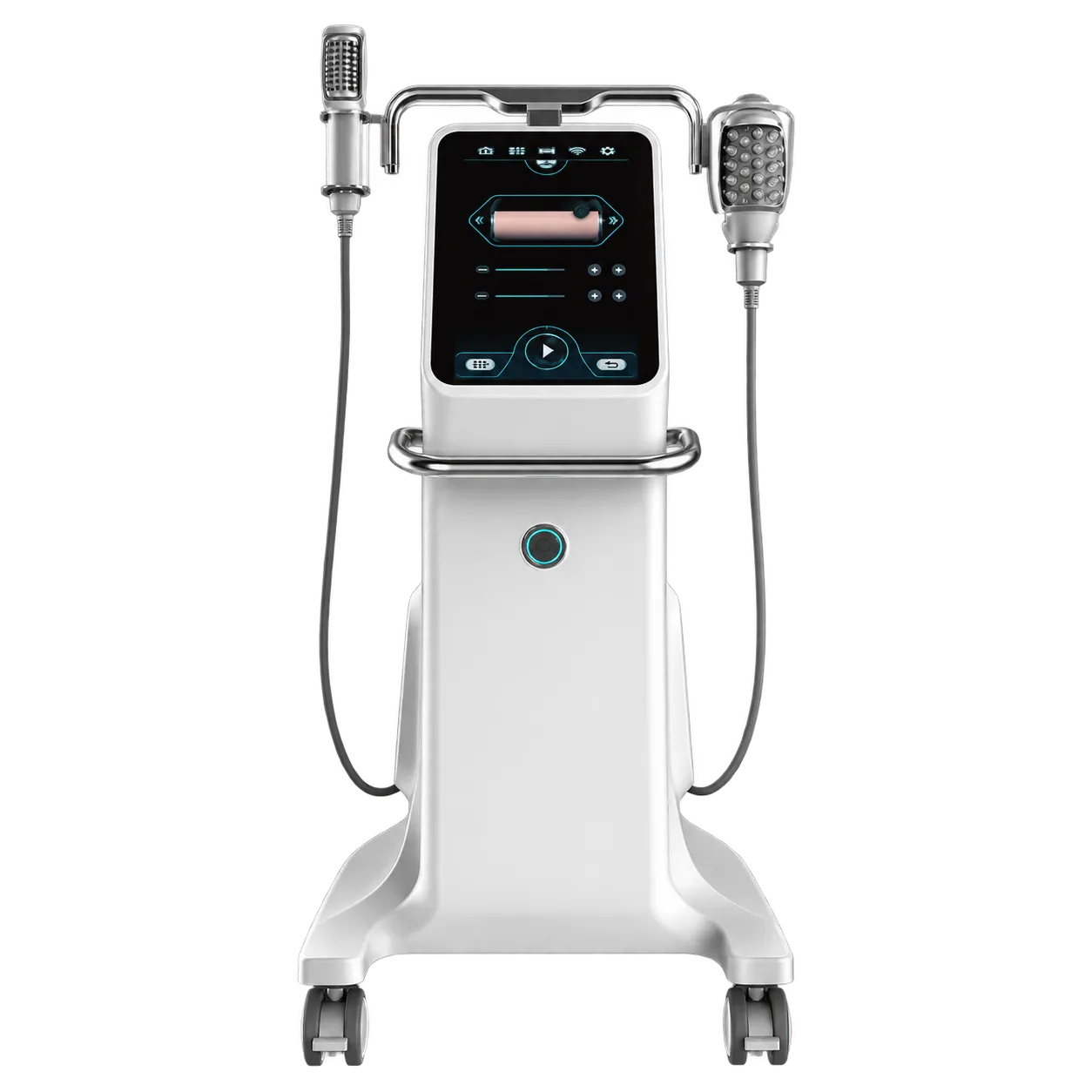
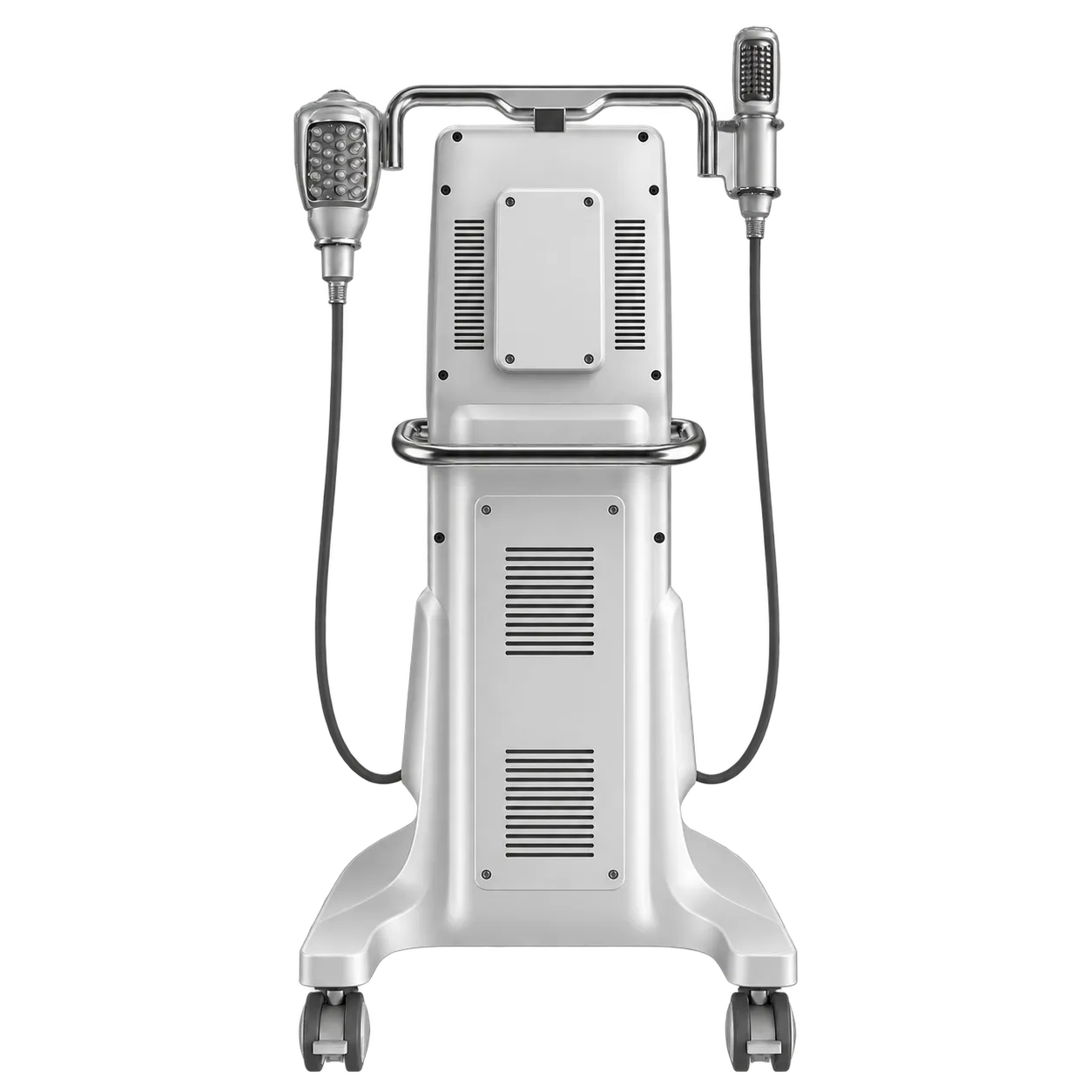
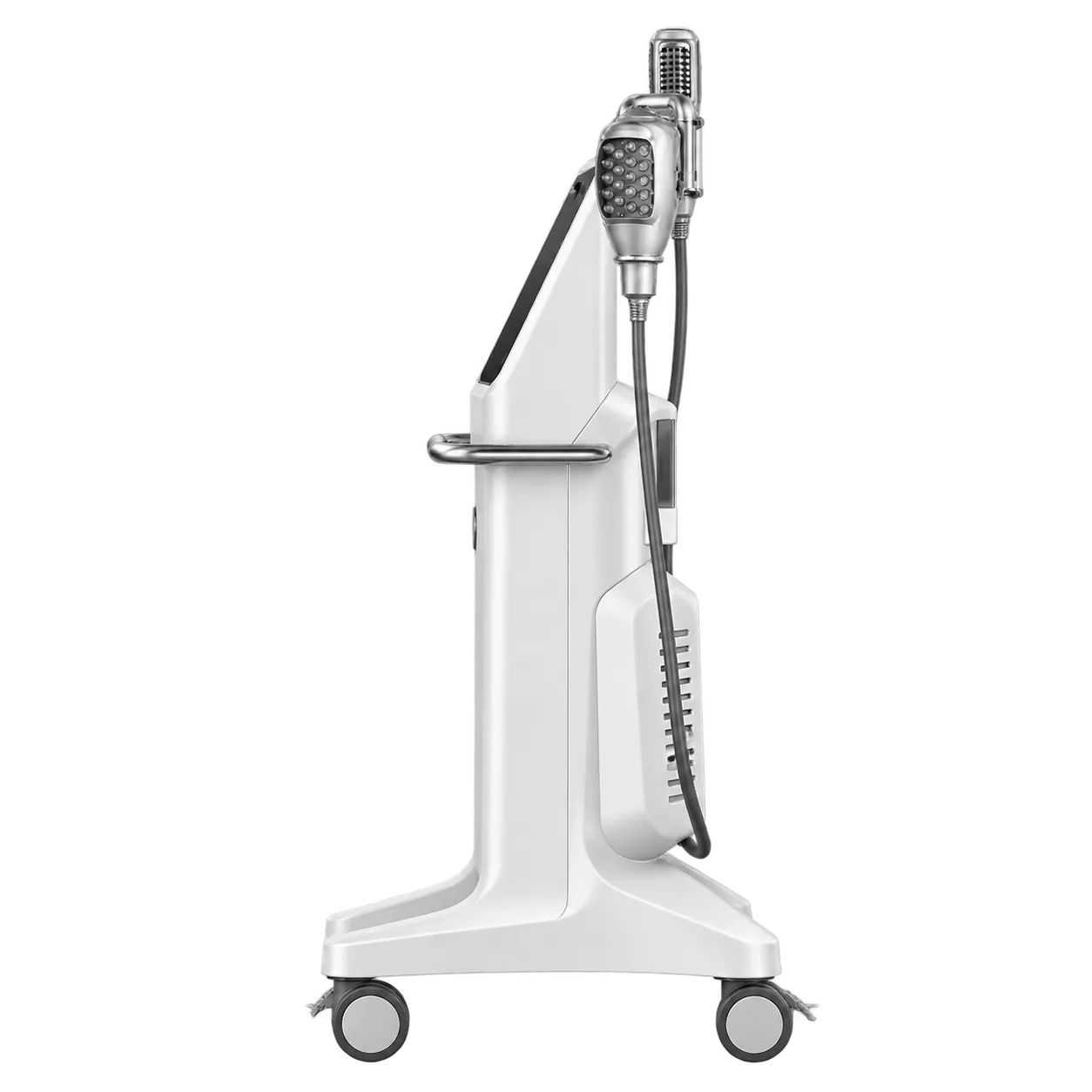
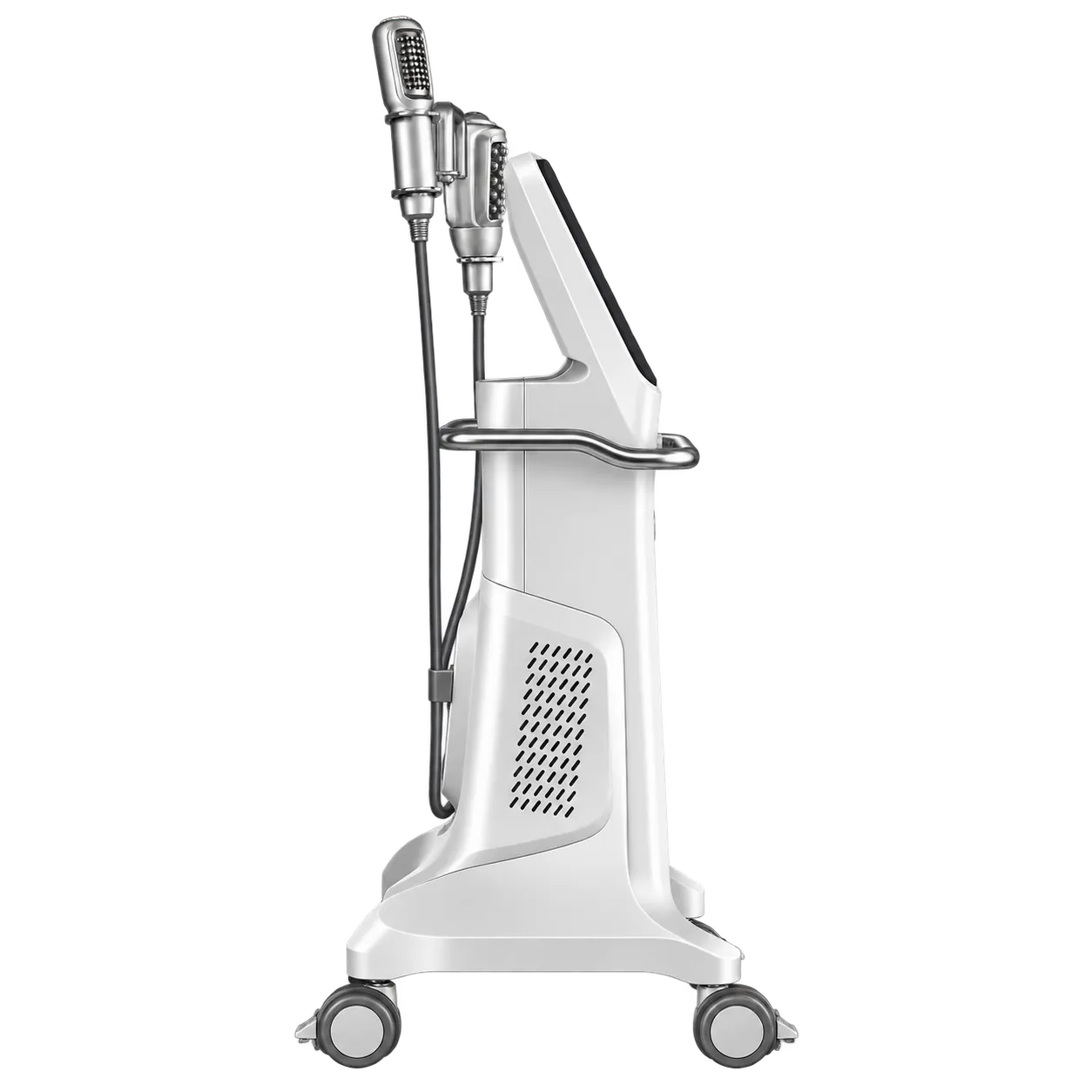
Body work is the ES3's main earner. Common concerns include fluid retention and heaviness in the legs, the dimpled look of cellulite on the thighs and buttocks, and post-pregnancy softness on the abdomen; the broad handpiece covers these areas with long drainage strokes. The slimmer handpiece extends the menu to the face, where de-puffing around the eyes and jawline, facial toning and a lifted-looking contour are popular add-ons. Many practices also use the technique as preparation or follow-up for other body treatments, and athletes and active clients book it for recovery-style massage.
The evidence base is modest. A 2022 study in a Russian physiotherapy journal followed 60 women aged 40 to 69 through 12 compressive microvibration sessions over six weeks and reported improved microcirculation, reduced cellulite appearance and better muscle tone across age groups. It had no control group and used another manufacturer's system, so it supports the technique but doesn't prove outcomes for the ES3. Claims about fat loss or clothing sizes should stay out of marketing, and before-and-after photographs taken under consistent lighting give clients a fairer record of change.
Beauty salons, day spas, body contouring studios and wellness clinics are the likeliest buyers, especially those already selling massage or slimming courses. Physiotherapy-led clinics may also use the method within their own scope, and wellness centres often add it to recovery menus alongside sports massage and compression boots. Groups buying through formal procurement routes will ask for documentation before installation. The conformity documentation those procurement routes require is issued by the manufacturer and shared by the enquiry team.