
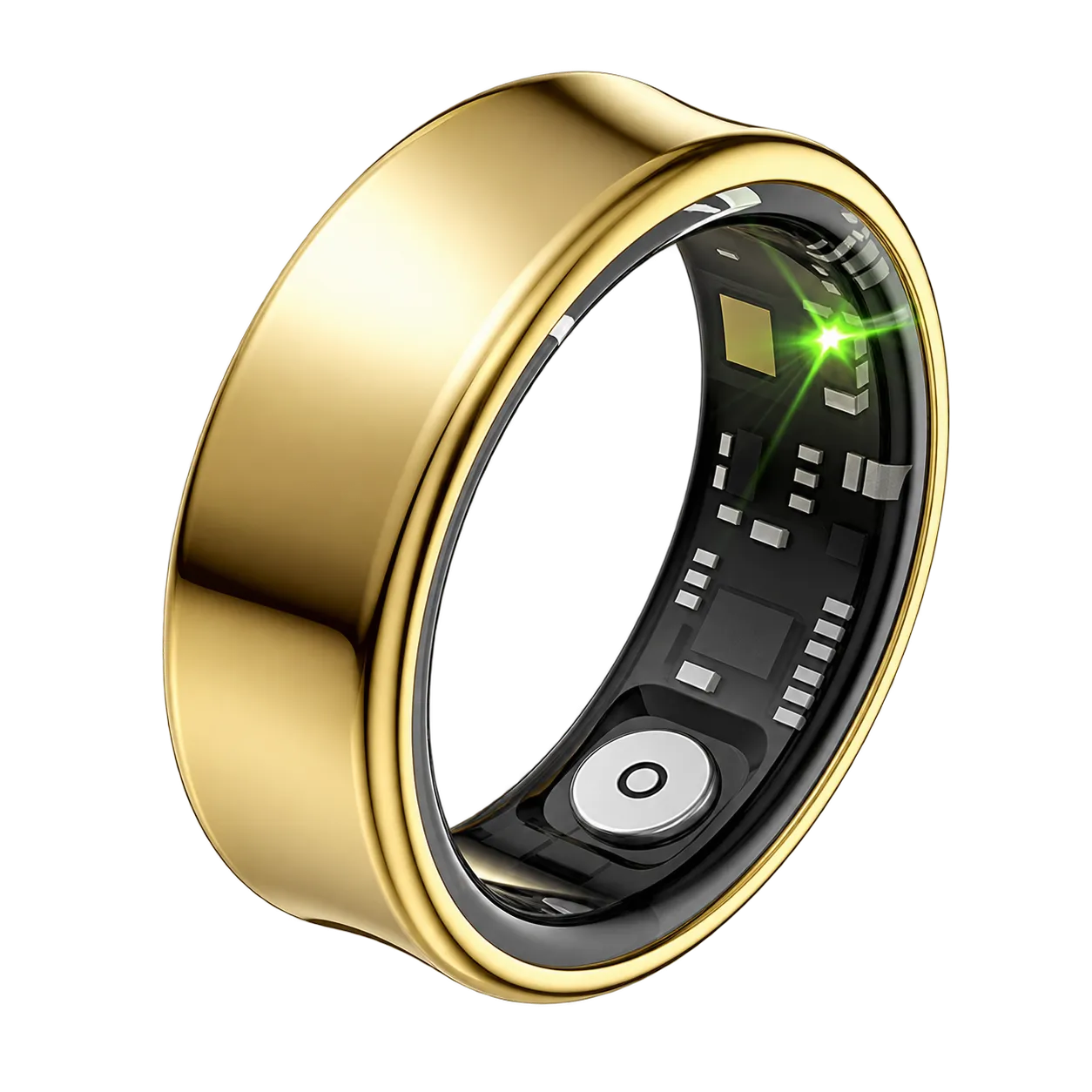
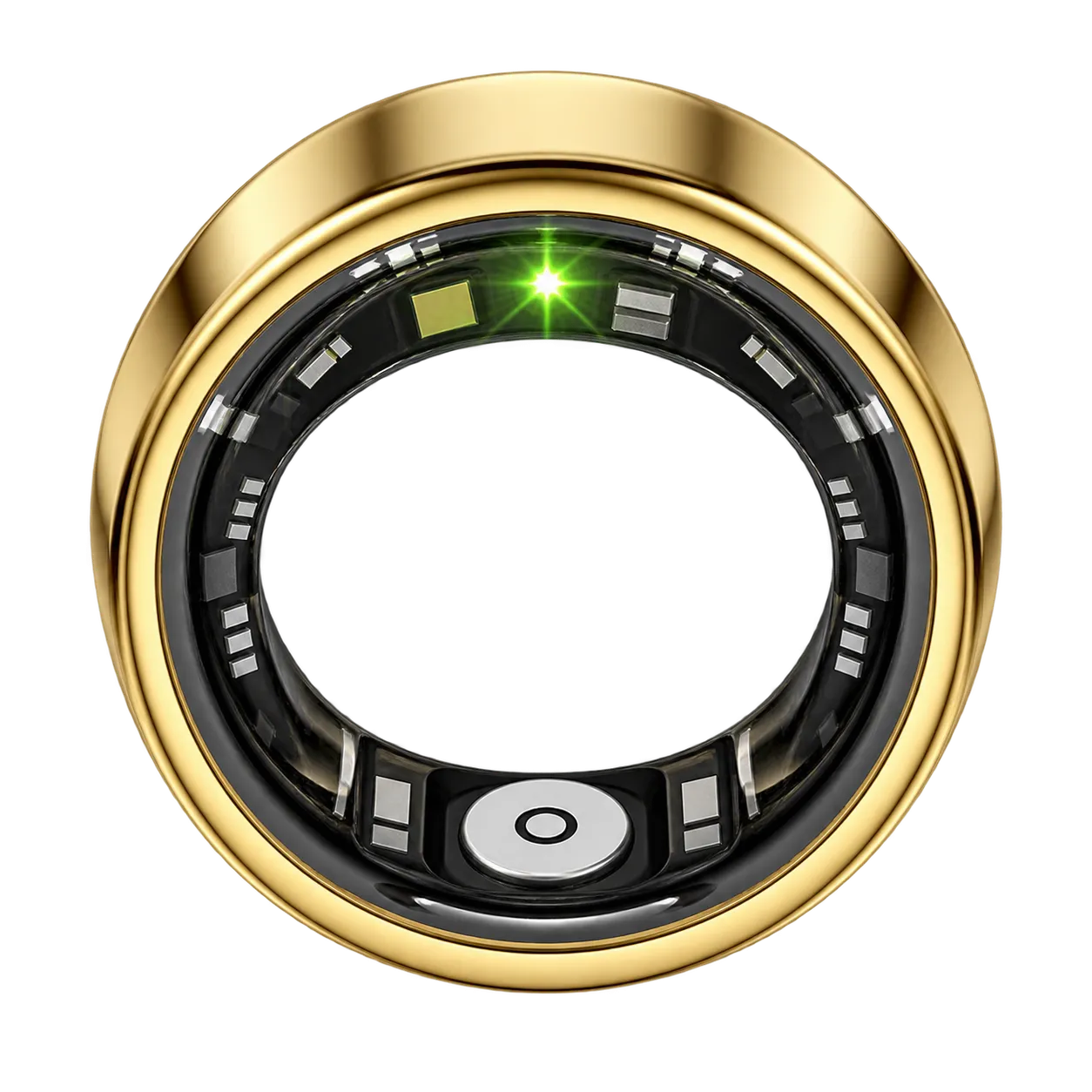
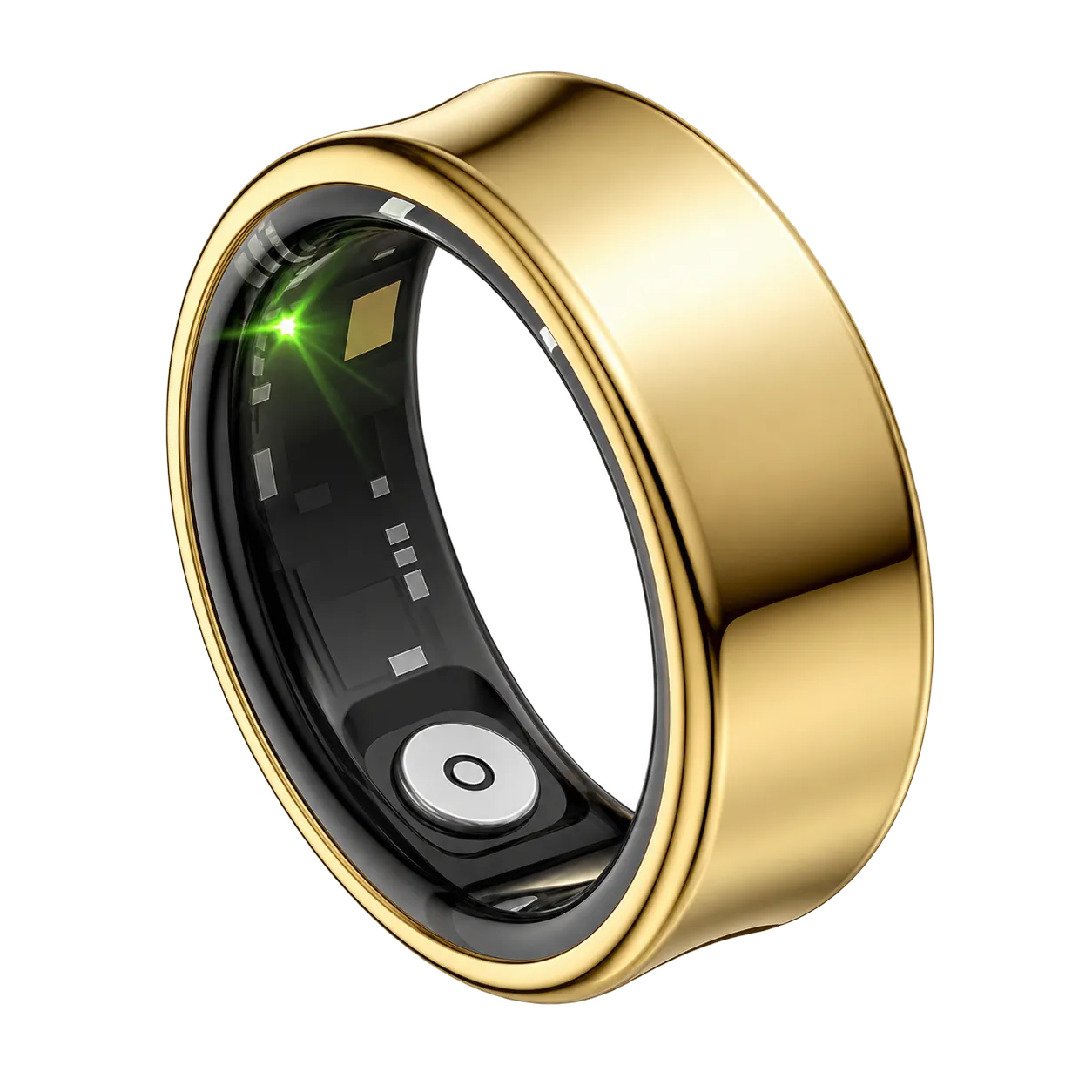
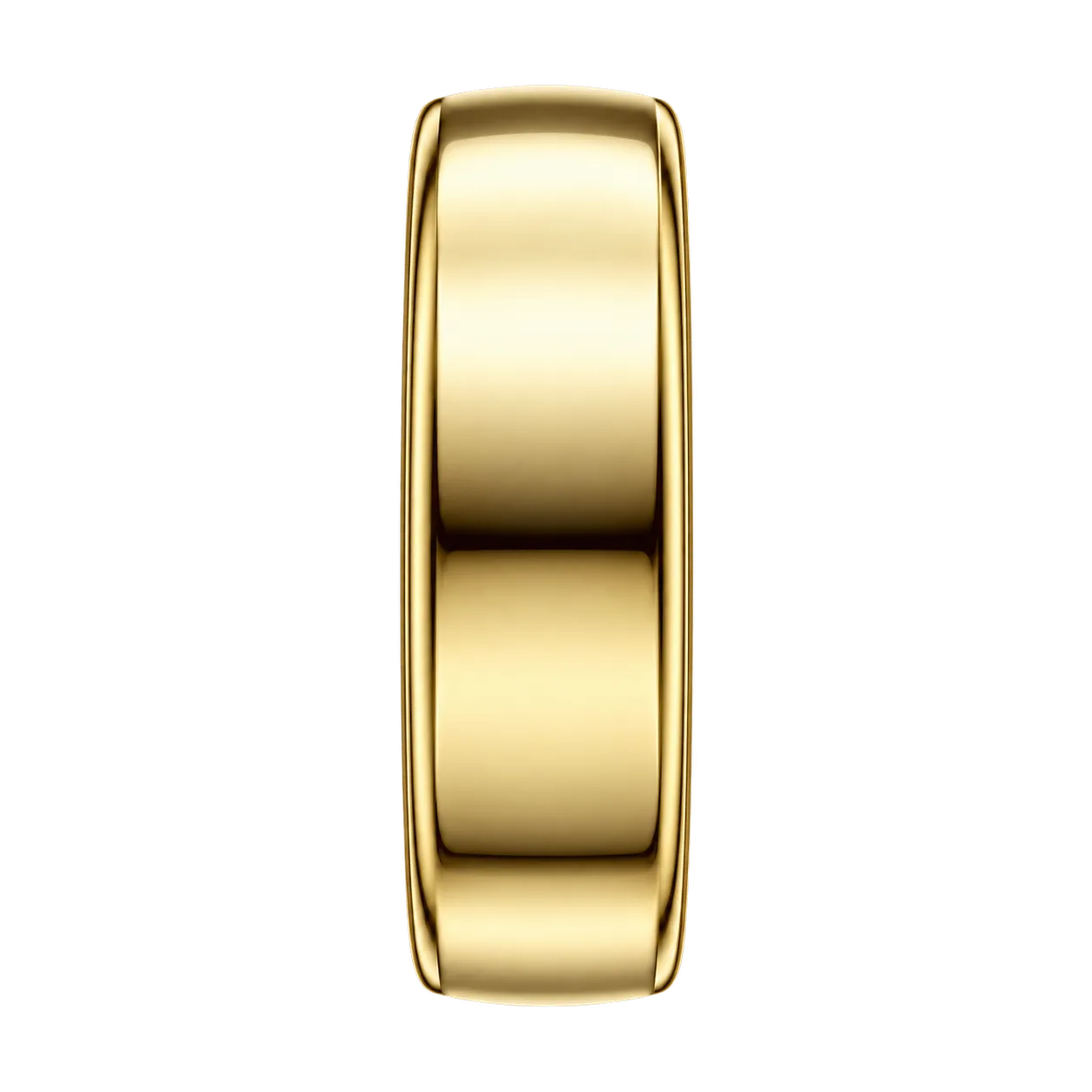
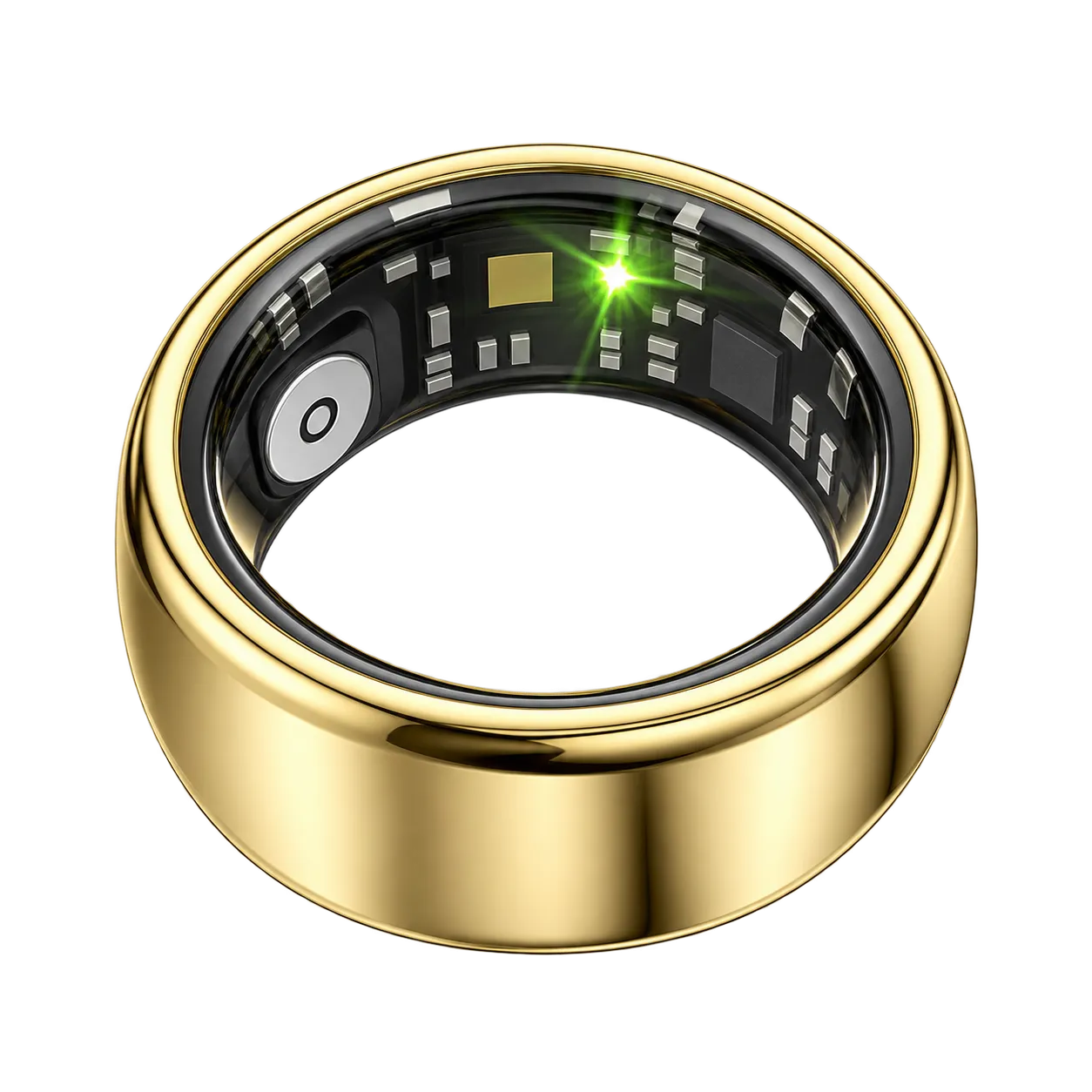
The KU-SH-05-004 suits buyers who want a light, durable ring that stays up to date. Golf clubs and pro shops can offer it for golf mode; outdoor and sports retailers can stock it for hiking and running; and gyms can issue it to members who already keep their data in Apple Health. Resellers building a private-label range can use the listed customisation, finishes and charging pod styles, and workplace wellbeing schemes can offer it to staff who opt in.
Evidence on what it reports is mixed. In a 2024 laboratory study against polysomnography, three consumer sleep trackers detected sleep with at least 95% sensitivity, supporting their nightly sleep totals. Sensitivity for individual stages ranged from 50% to 86%, so stage splits and scores are approximations. Light-based oxygen readings also carry a skin-tone caveat, and the manufacturer's own test data, shared by the enquiry team, shows how this model performs.
It is the wrong purchase for diving, monitoring heart or lung conditions, or any clinical monitoring. Battery life is the figure to see first, because the catalogue's low-power claim describes the chip, not the battery. Fleets of Android users who keep data in health platforms other than the two listed should settle sync support before ordering.
Golf clubs, retailers and employers buying through procurement routes will ask for the declaration of conformity, the app's data terms, the firmware update policy and battery shipping documents before approval. The manufacturer issues the conformity documentation those procurement routes require, and the enquiry team shares it.