
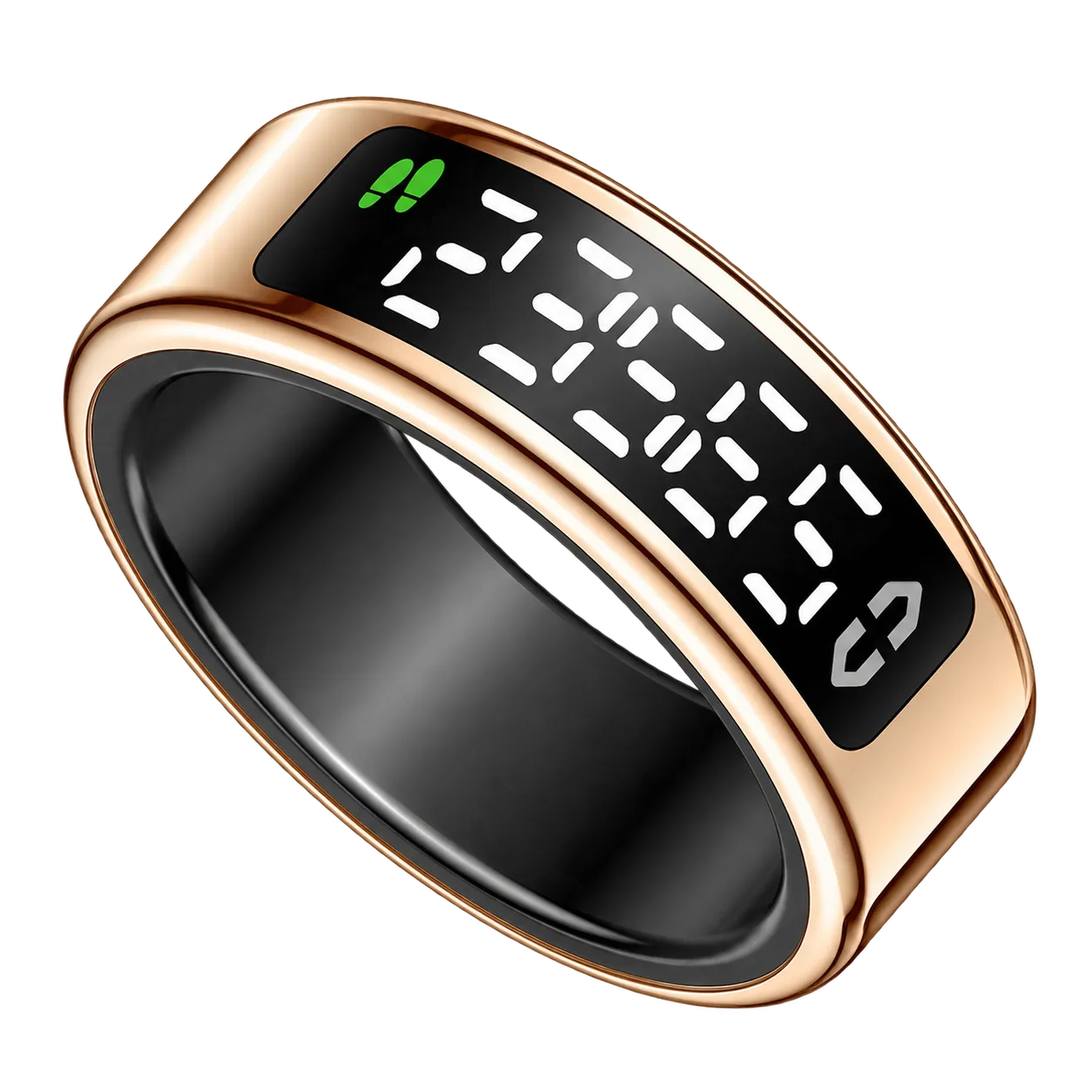
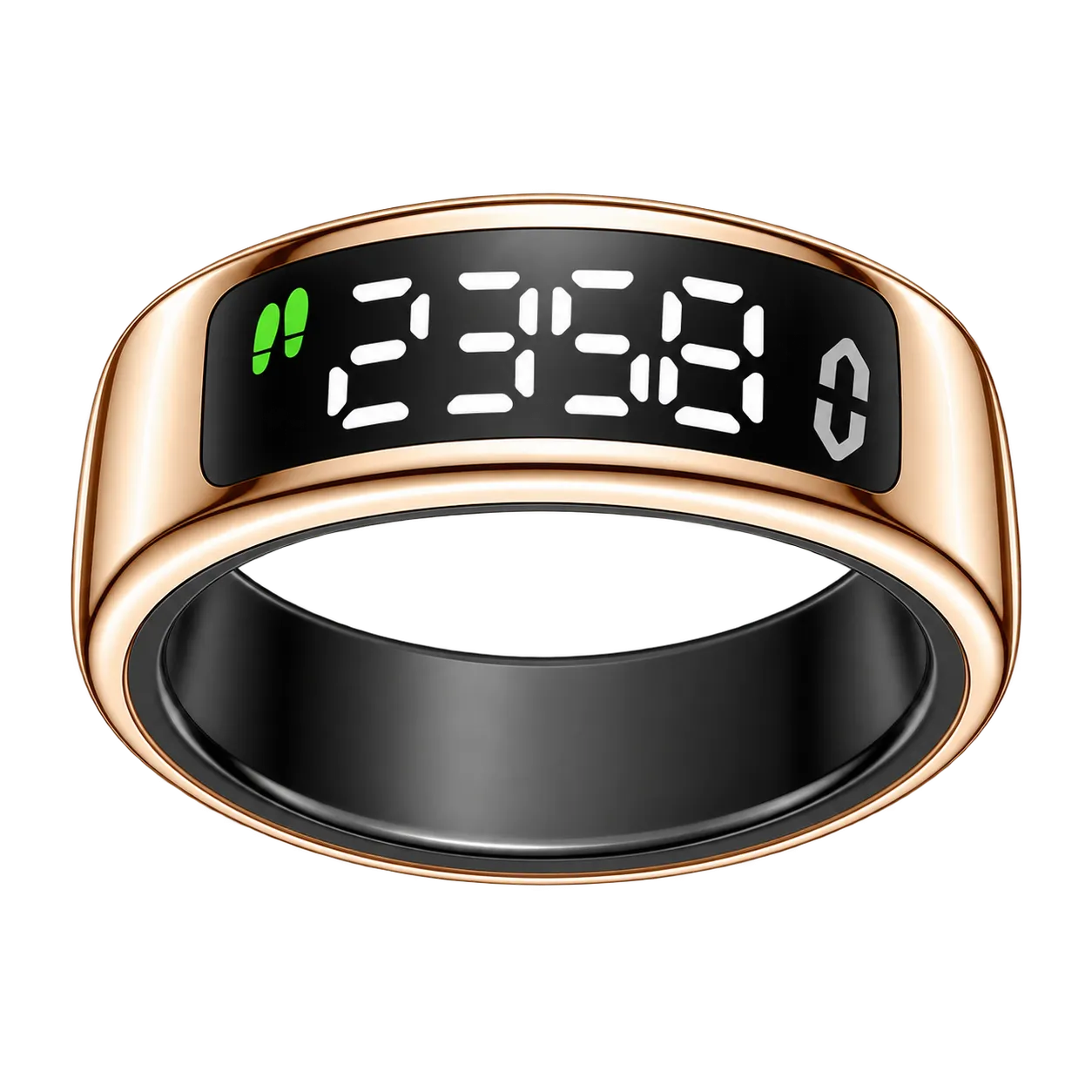
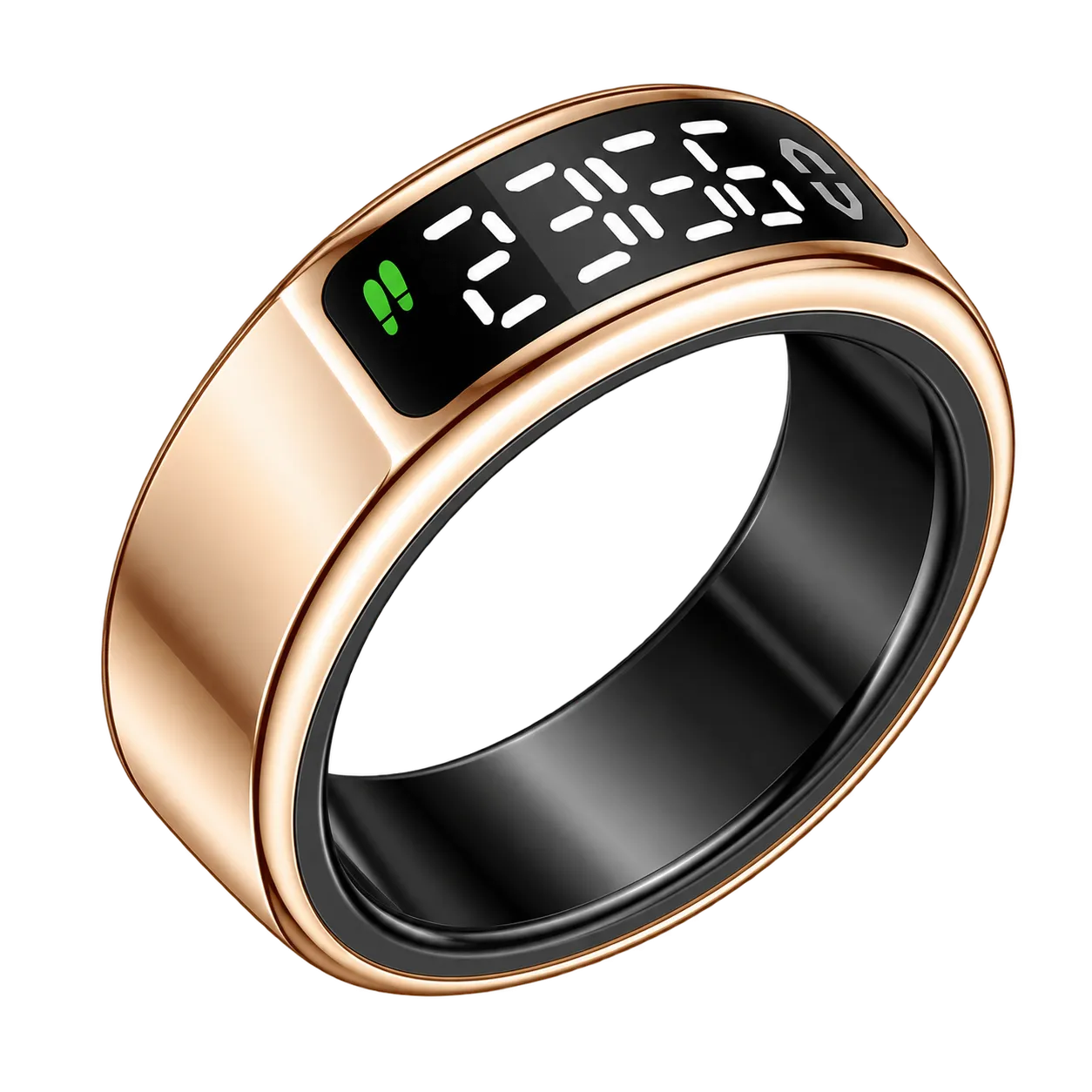
The KU-SH-05-007 earns its place for wearers who move between water, travel, and long days away from a desk. Its case recharges the ring from its own battery, and IP68 with 5 ATM keeps it on through the pool, so swimmers, commuters and field staff can wear it without planning around a socket.
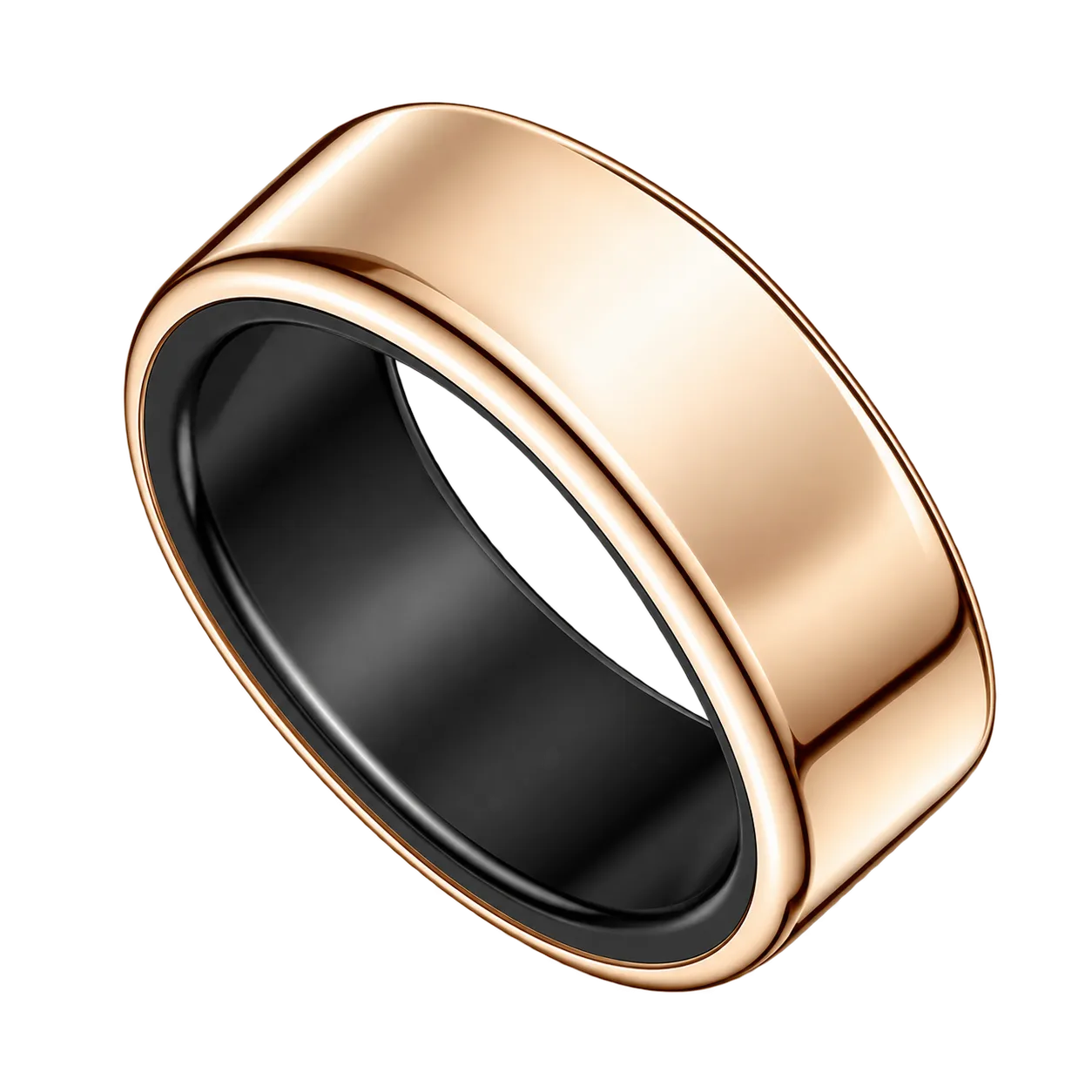
Fitness studios and employer wellness schemes are the group settings it fits. Members read heart rate, steps and battery straight from the band during a class or shift, and each wearer's weekly step and calorie goals give a scheme a simple, visible measure. Retail wellness ranges get a display ring in three finishes for buyers who want numbers on the hand.
Evidence on goals cuts both ways. A 2016 meta-analysis of 45 articles covering 5,912 participants found goal-setting interventions raised physical activity with a medium effect. A broader 2017 review of 141 papers found a smaller unique effect of goal setting, strongest when goals were difficult, public, or shared by a group. Goal-setting researchers have also warned that rigid performance targets can backfire for inactive people starting out, which argues for modest early goals in any scheme.
Group use gathers health data, and under UK GDPR that is special category data. A studio or employer that collects wearers' readings becomes their controller, so it needs a lawful basis, an additional health-data condition, plain information for wearers and secure storage. The ICO's employment guidance on workers' health information shapes any staff scheme.
Retail, employer and studio procurement routes in Great Britain share one baseline: every unit needs radio and RoHS conformity marked UKCA or CE, and consumer supply also needs a PSTI statement of compliance. Other markets set their own rules. The conformity documentation required for those procurement routes is issued by the manufacturer.