
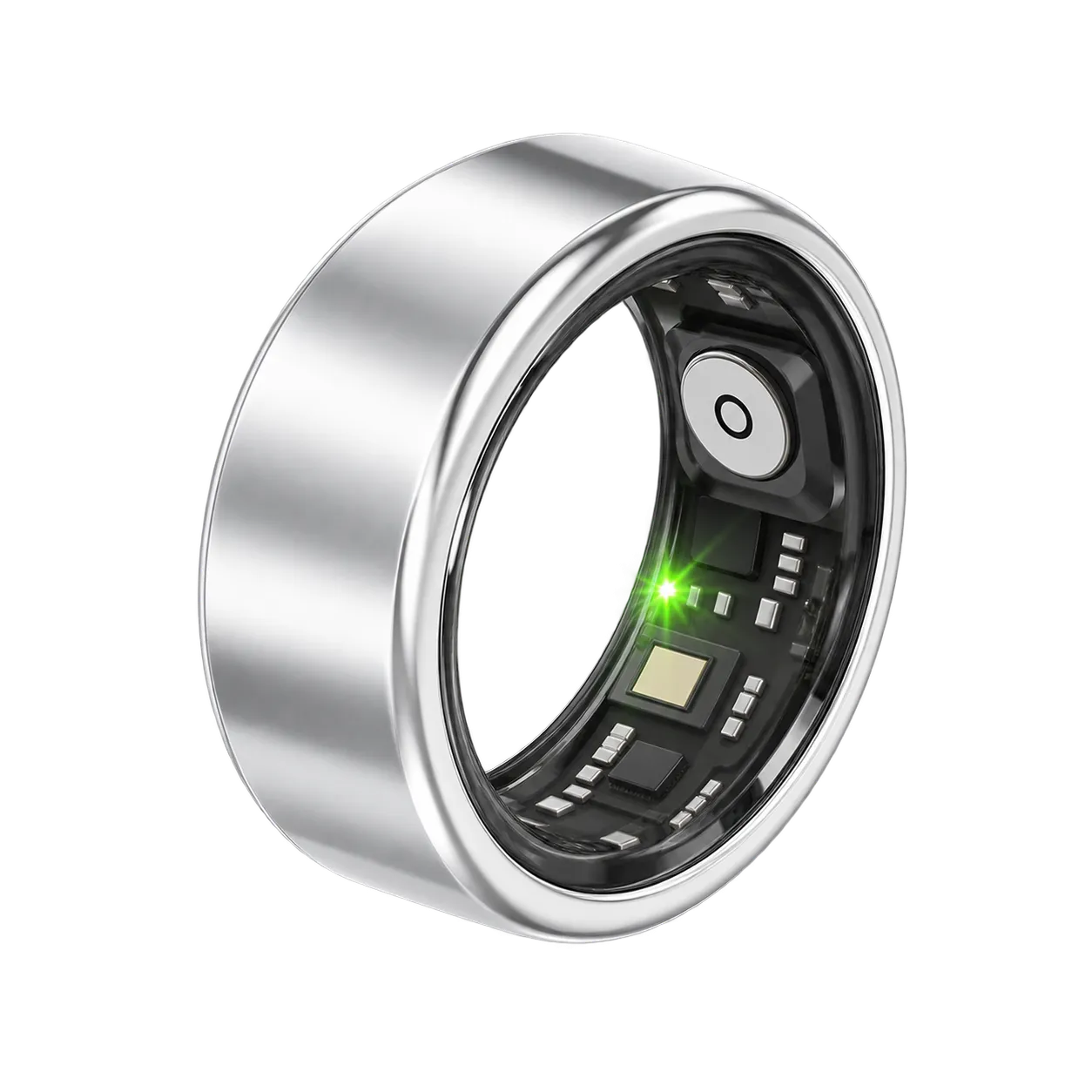
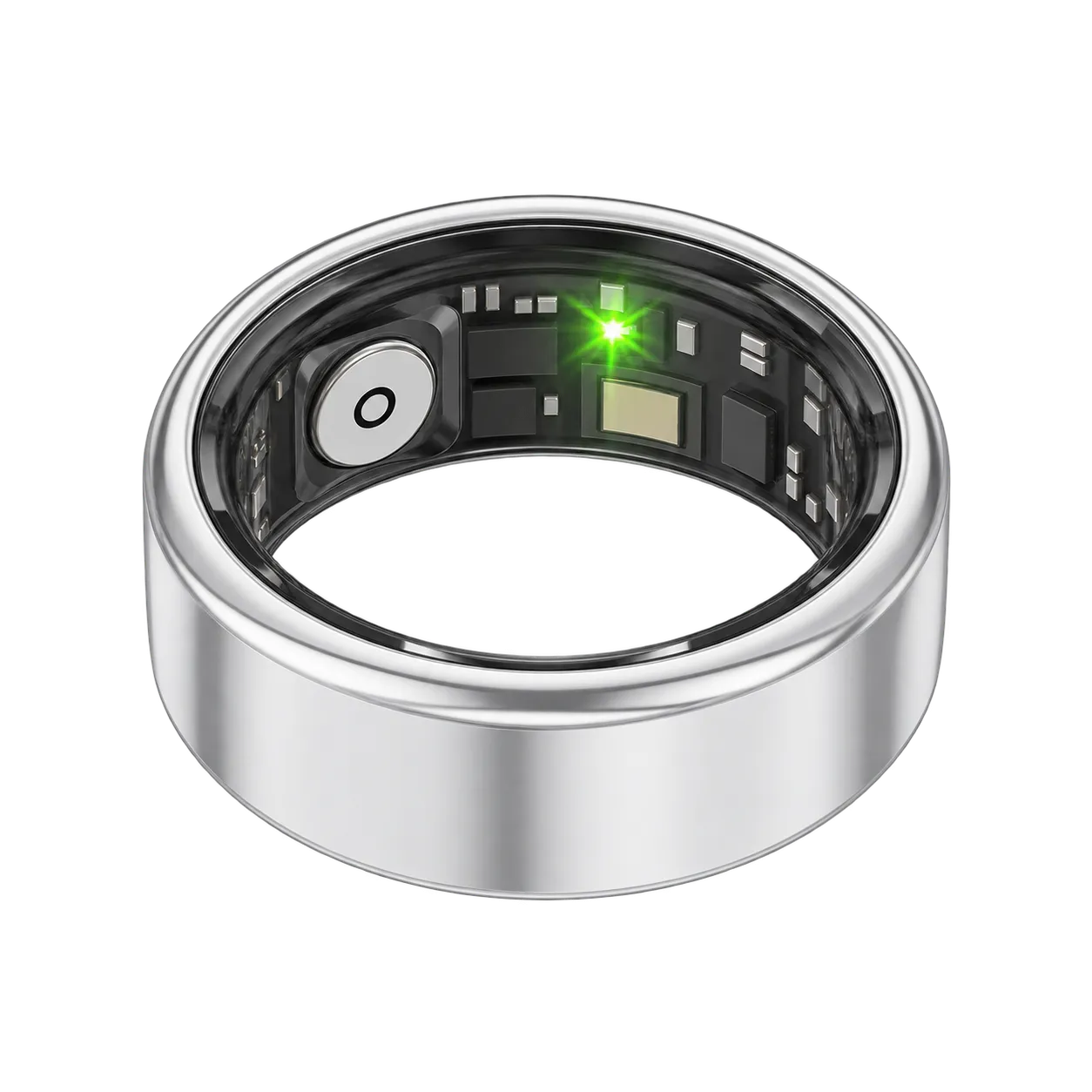
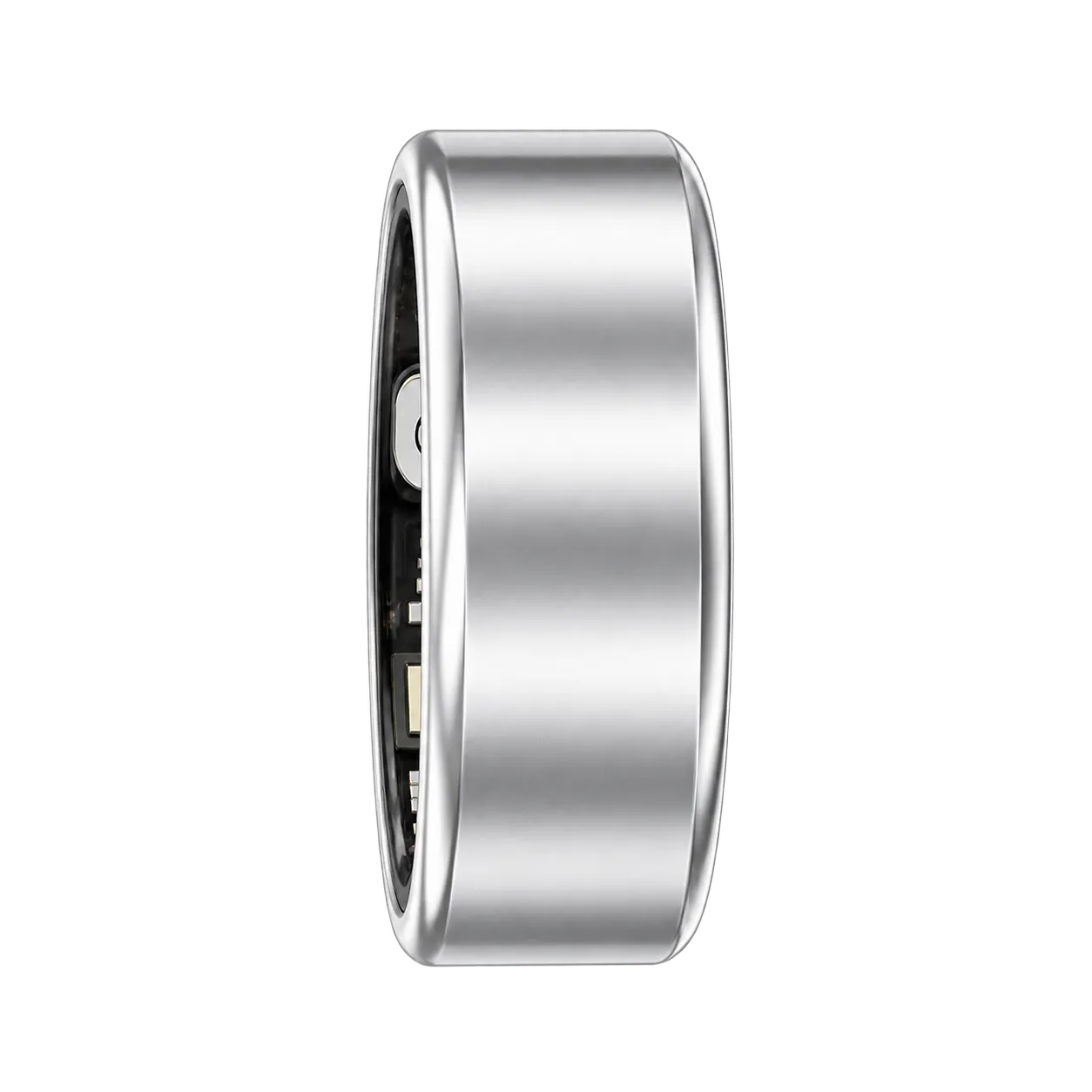
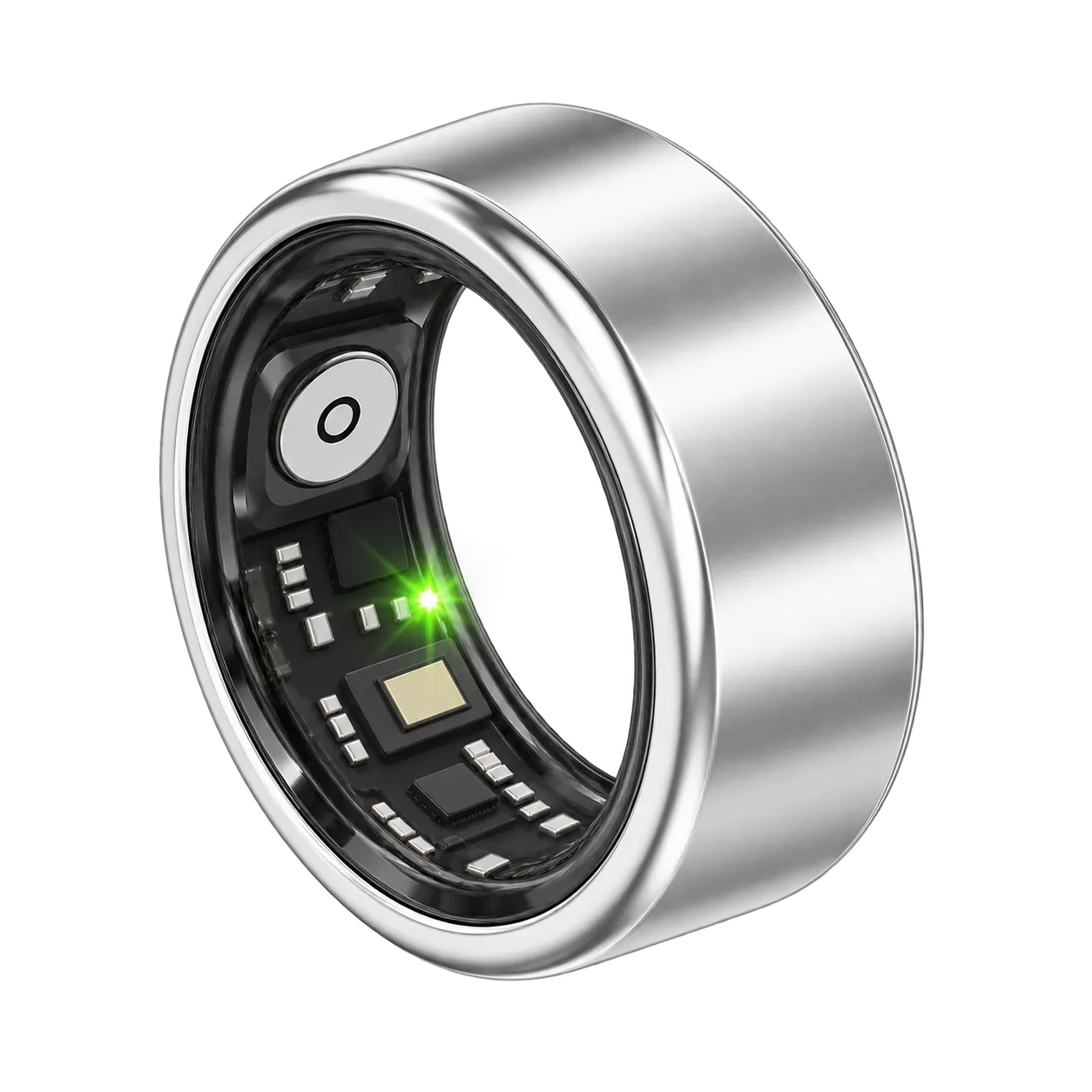
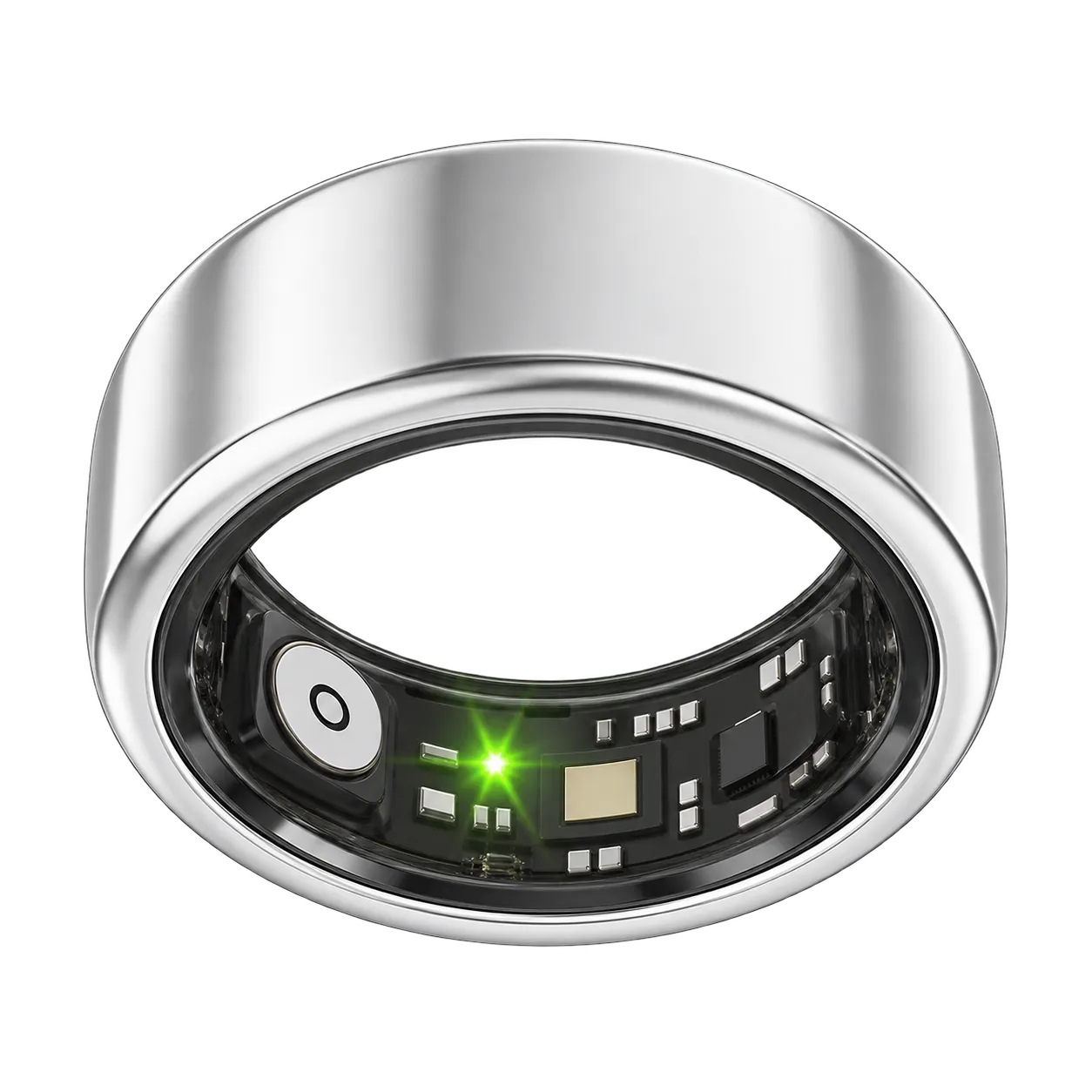
Round-the-clock wear is where the KU-SH-05-006 earns its place. Heart rate runs continuously, blood oxygen and HRV build trends, and sleep is scored each night, so the ring suits wearers who care about recovery and overnight patterns as much as daytime activity. Steps and the three sport modes cover everyday walking, running and cycling.
Employer wellness schemes and fitness studios can hand the ring out and leave it on wearers for days at a time, given the manufacturer's figure of up to 10 days per charge. Retailers get a ring that doubles as jewellery, with silver, gold, black and gold-trim finishes for different tastes.
The measurement evidence cuts both ways. A 2020 systematic review of 158 validation publications found consumer wearables measured steps and heart rate accurately in laboratory settings, with results varying between devices, but found no brand accurate for energy expenditure. Calorie figures therefore sit on weaker ground than step and pulse counts. For HRV, reviews of pulse-derived variability report sound agreement with ECG at rest that breaks down during movement, which is why overnight values carry the useful signal.
Group schemes collect health data, and UK GDPR classifies health data as special category data. Once an employer or studio receives wearers' readings, it holds them as a controller and needs a lawful basis plus an extra condition for health data, clear information for wearers, and secure handling. For staff schemes, the ICO's employment guidance on workers' health information applies.
In Great Britain, retail, employer and studio procurement routes all rest on the same base: radio and RoHS conformity under UKCA or CE for every unit, with a PSTI statement of compliance added wherever rings reach consumers. Other markets apply their own rules. The manufacturer issues the conformity documentation required for those procurement routes.