
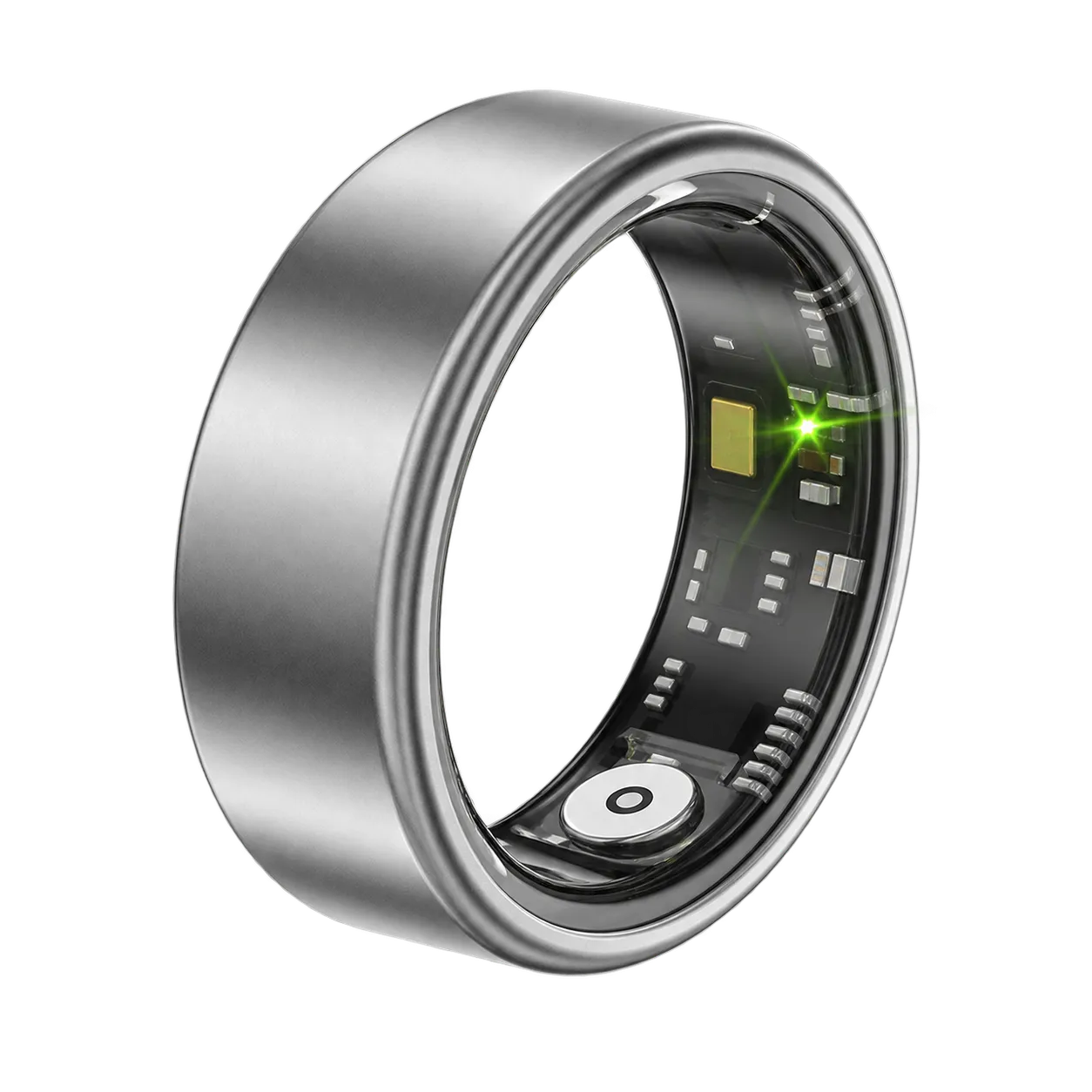
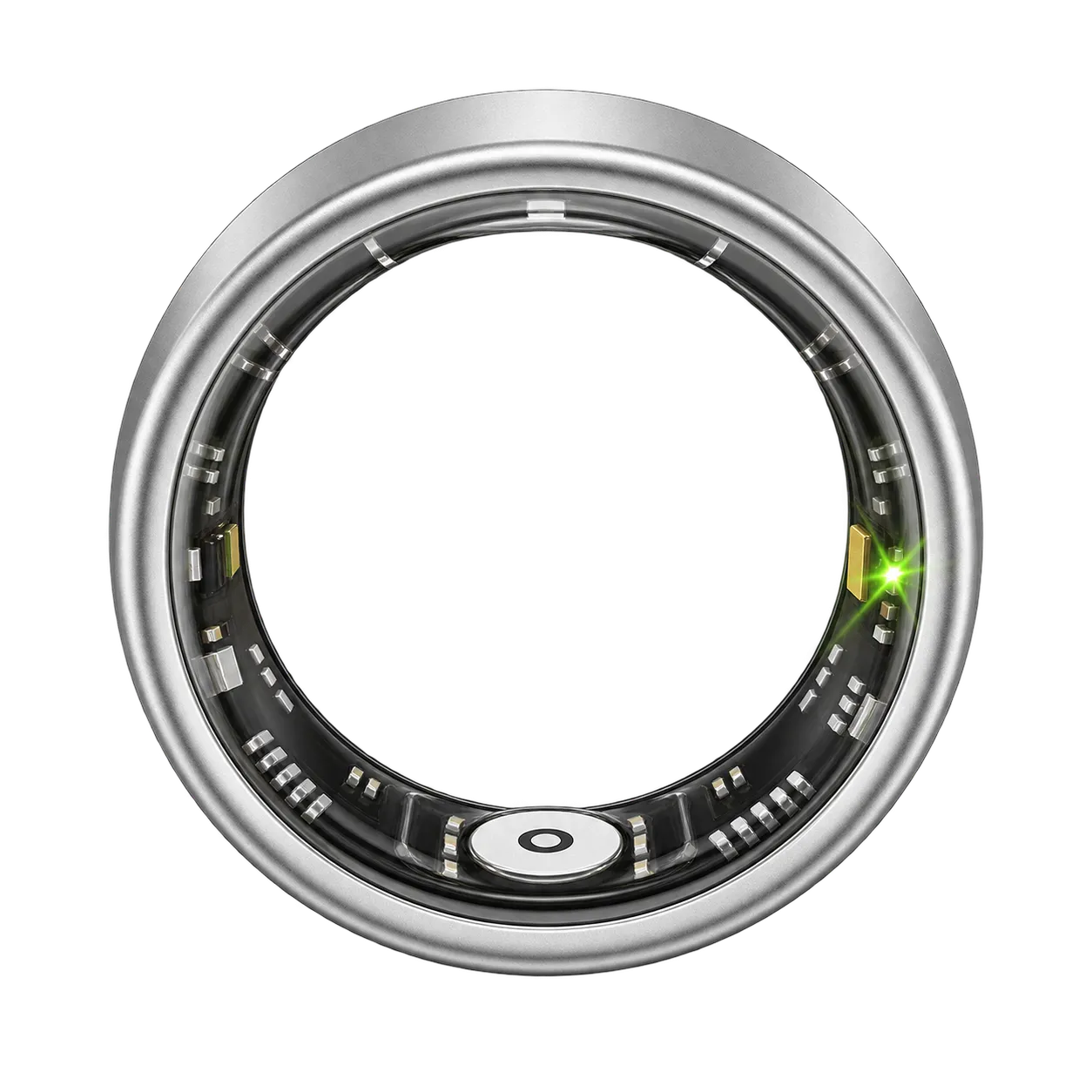
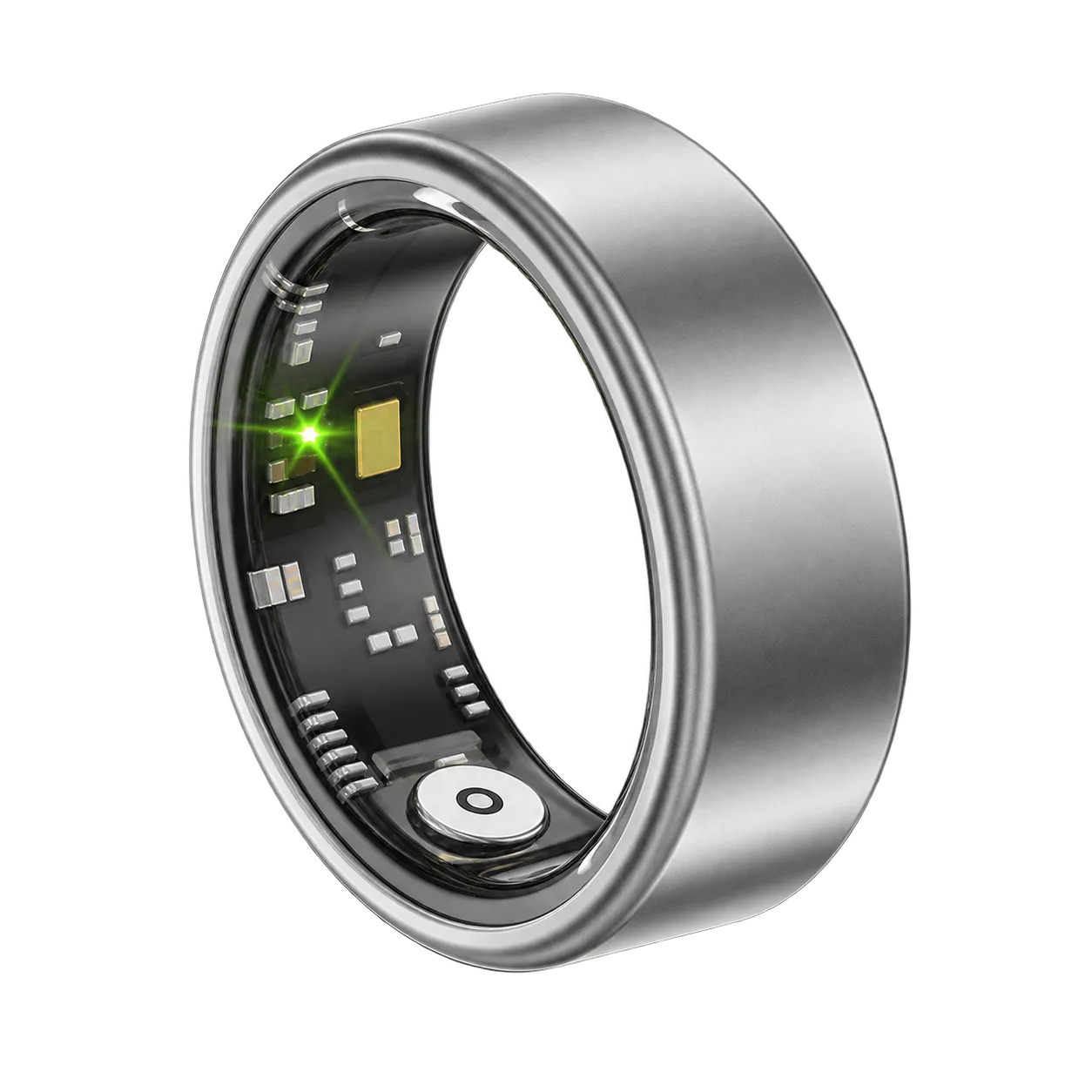
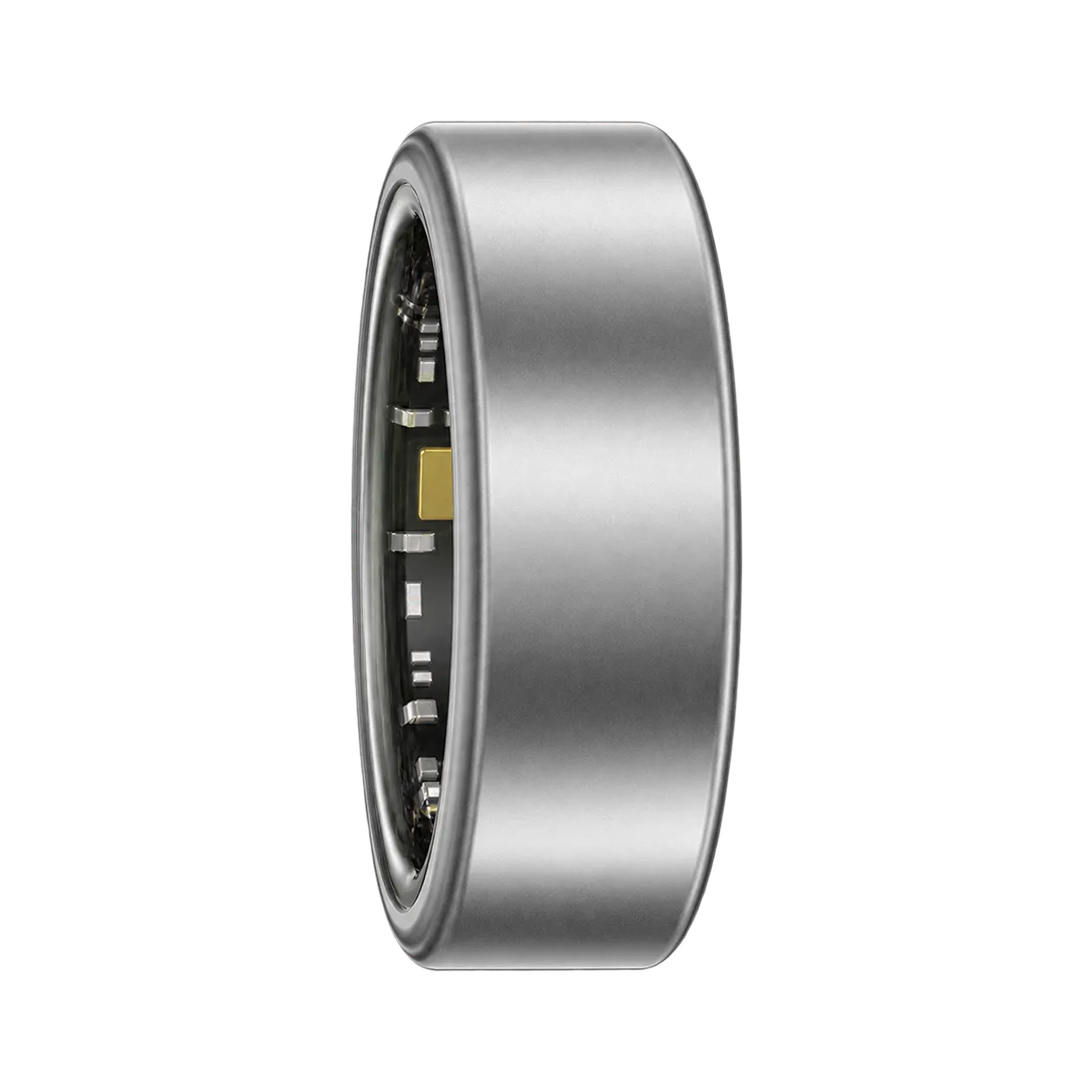
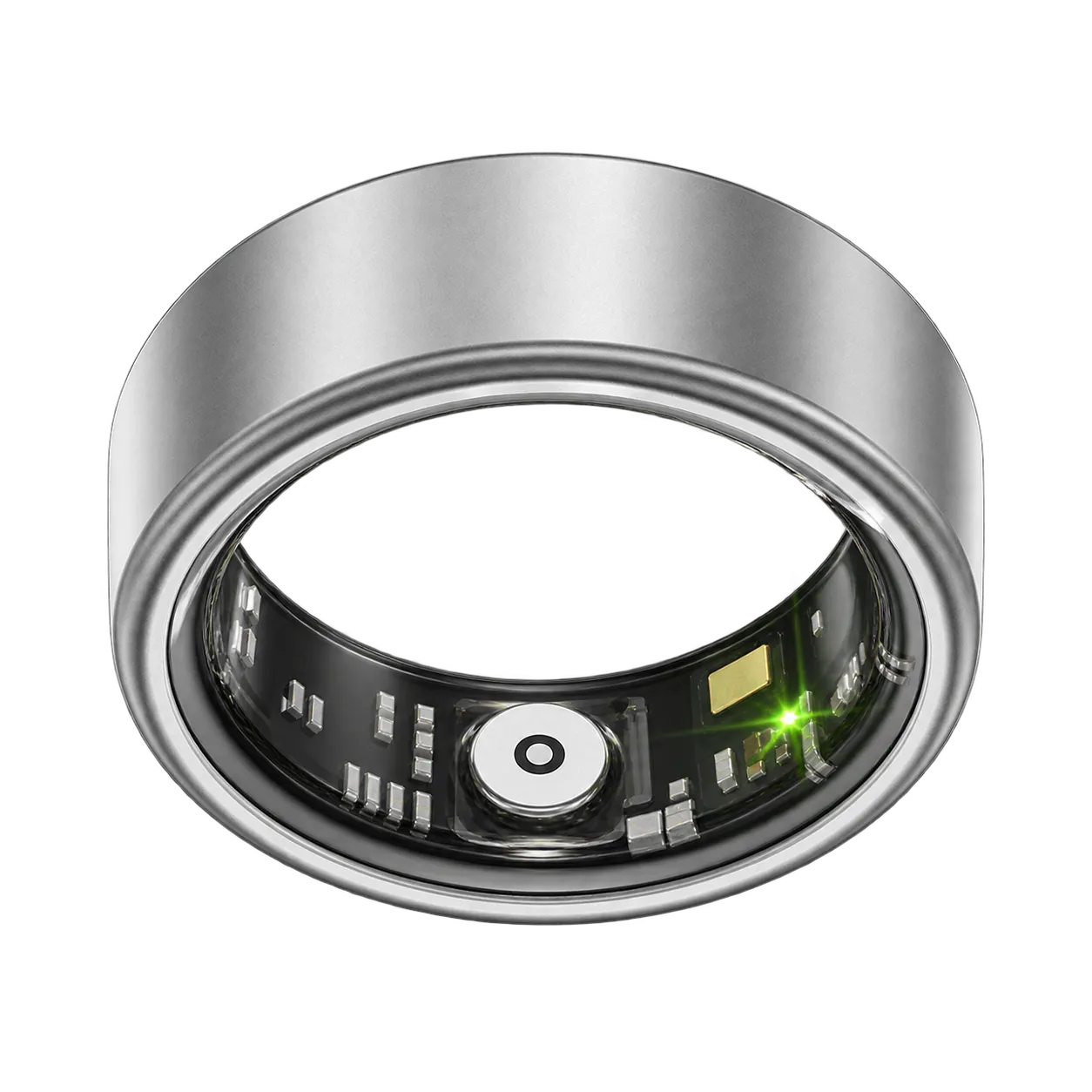
Daily movement is where the KU-SH-05-005 earns its place. Walkers, runners, cyclists, and hikers get session records for duration, distance, calories, and heart rate, while blood oxygen, sleep, and fatigue estimates sit in the same app. Apple Health and WeChat Sports users find the data on a platform they already open.
Two group settings suit it. Employer wellness schemes can issue one ring across a workforce, with eight sizes and three finishes covering a mixed group. Fitness studios gain a band with nothing to press during classes and a 5 ATM rating that copes with the pool after a session. Retailers building a wellness range get one model with a clear, narrow job.
The evidence for activity tracking cuts both ways. A 2022 umbrella review of 39 systematic reviews, covering 163,992 participants, found that interventions using activity trackers added roughly 1,800 steps and 40 minutes of walking a day and reduced bodyweight by about 1 kg. The same review found effects on other physiological and psychosocial outcomes generally small and not significant, so the case for the ring rests on movement and habit, with wider health outcomes unproven.
Any group deployment gathers health data, which UK GDPR treats as special category data. An employer or studio that receives wearers' readings takes on controller duties for them, from a lawful basis and an additional condition for health data to transparency and security. The ICO's employment guidance on workers' health information covers staff schemes.
Whichever procurement route a ring takes in Great Britain, from retail to employer schemes and studios, each unit needs radio and RoHS conformity under UKCA or CE, and consumer supply adds a PSTI statement of compliance. Other markets set their own requirements. The manufacturer issues the conformity documentation required for those procurement routes.