
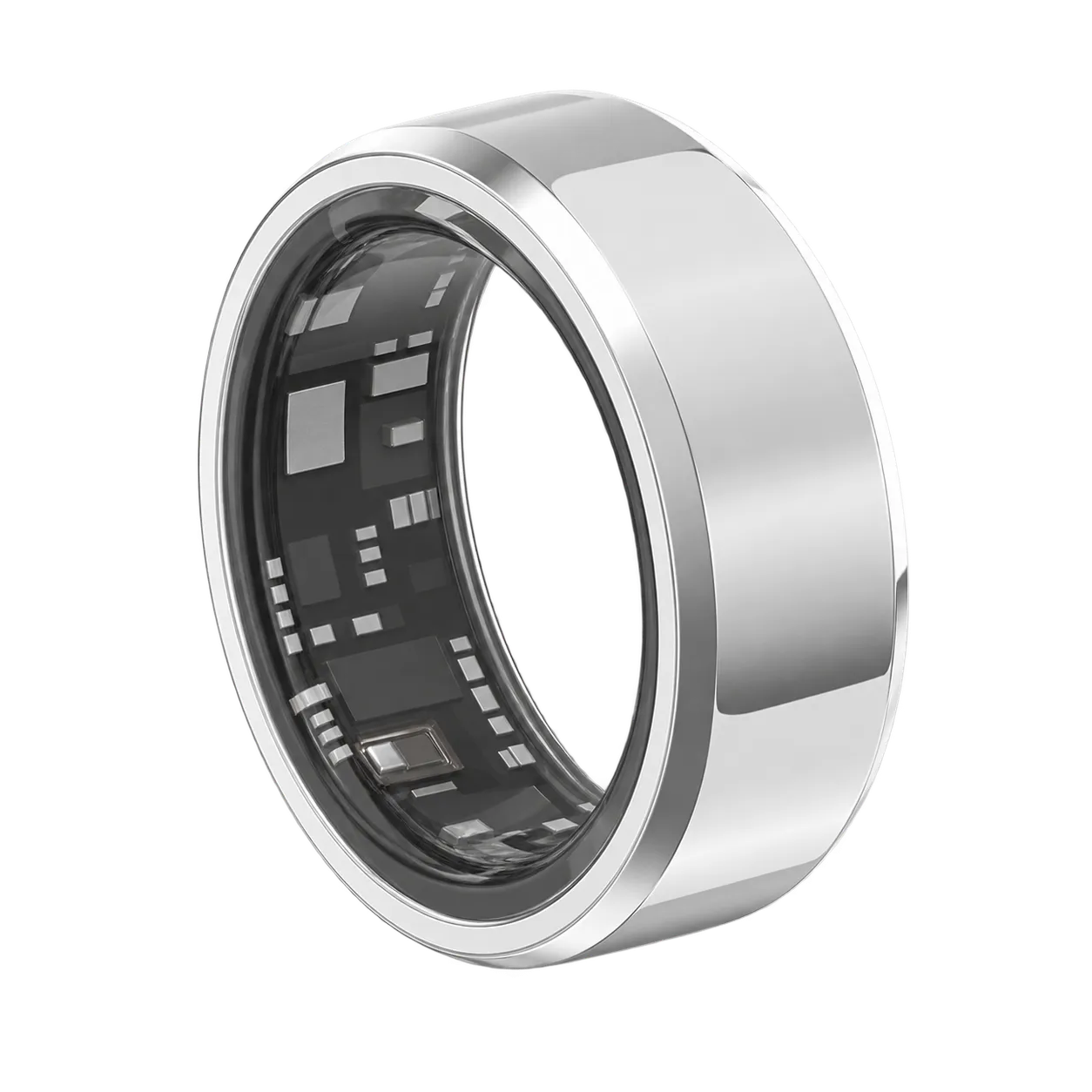
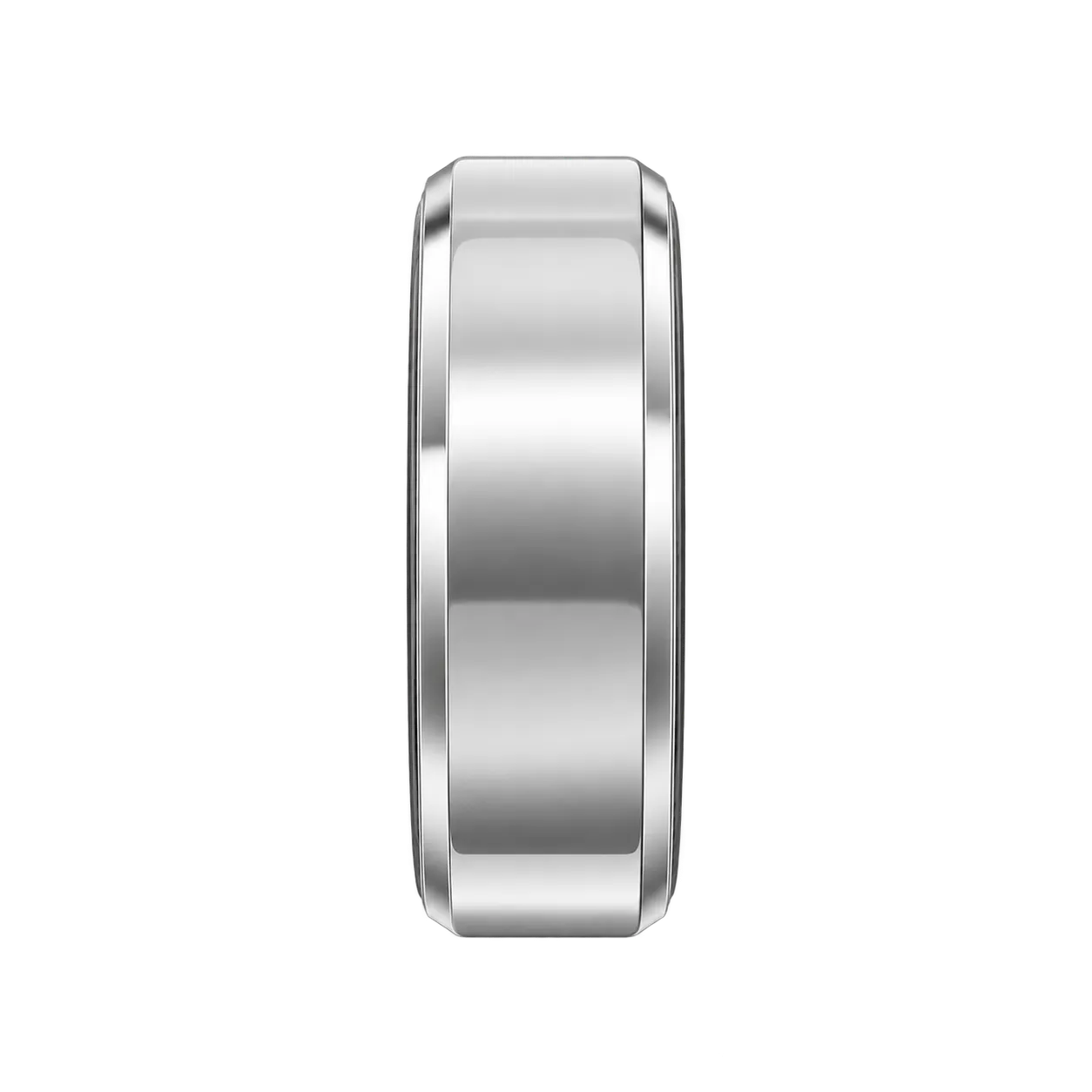
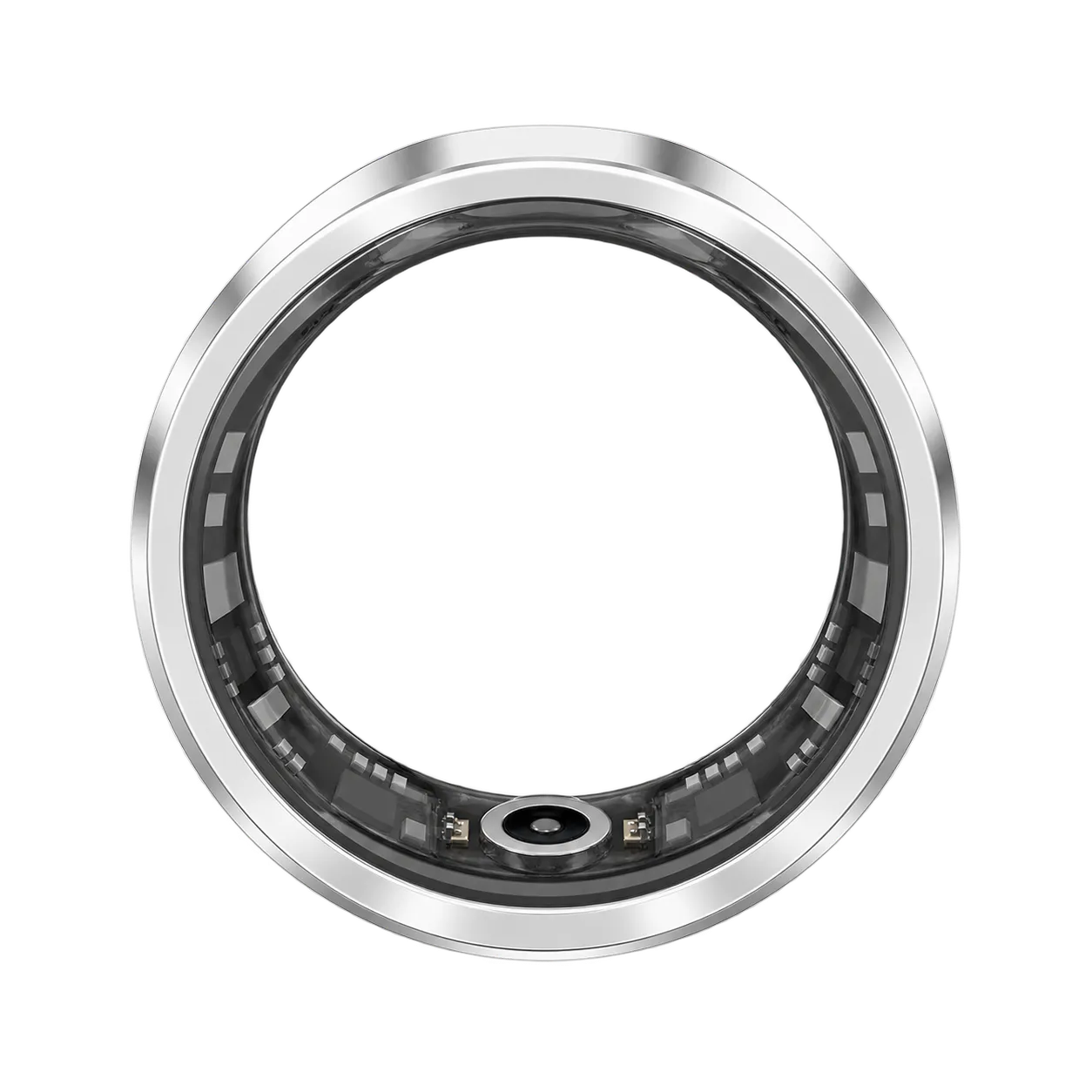
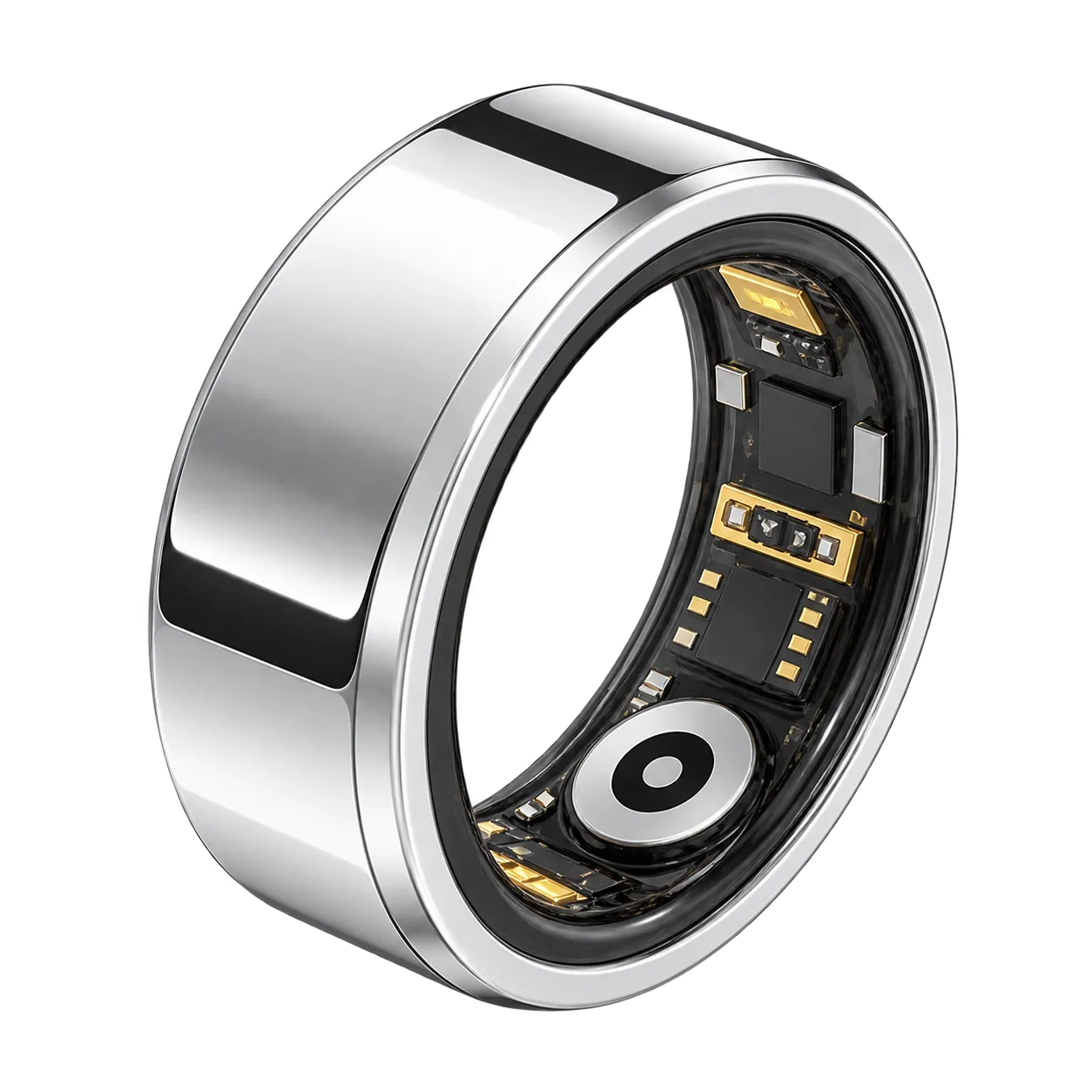
The KU-SH-05-002 suits programmes where wearers spend time in the water. Leisure centres, swimming clubs, and gyms with pools can offer it to members who want steps, heart rate, and sleep recorded throughout the week without removing a ring for every session. Sports retailers can stock it for active customers, and workplace wellbeing schemes or physiotherapy and wellness practices that encourage activity can issue it to people who opt in.
Evidence for what it records is uneven. A 2020 systematic review of commercial wearables found step counts and heart rate accurate in laboratory testing, with results varying by maker, while no brand accurately measured energy expenditure. Blood oxygen carries a further caveat: the UK's 2024 independent review of equity in medical devices found that pulse oximeters, which share the same light-based method, can overestimate oxygen levels in people with darker skin. The manufacturer's own test results for the ring, shared by the enquiry team, are what show how this model performs.
It is the wrong purchase for clinical monitoring, oxygen checks in lung disease or diving, and for wearers whose fingers fall outside the chart's 17.3–21.4 mm range. Employers issuing it should keep take-up voluntary, since every reading it stores is health data, and should agree in advance who in the organisation can see it.
Leisure operators and employers buying through procurement routes will ask for the declaration of conformity, the RWfit data terms, battery shipping documents and the care guidance for chlorinated water before approval. The manufacturer issues the conformity documentation those procurement routes require, and the enquiry team shares it.