
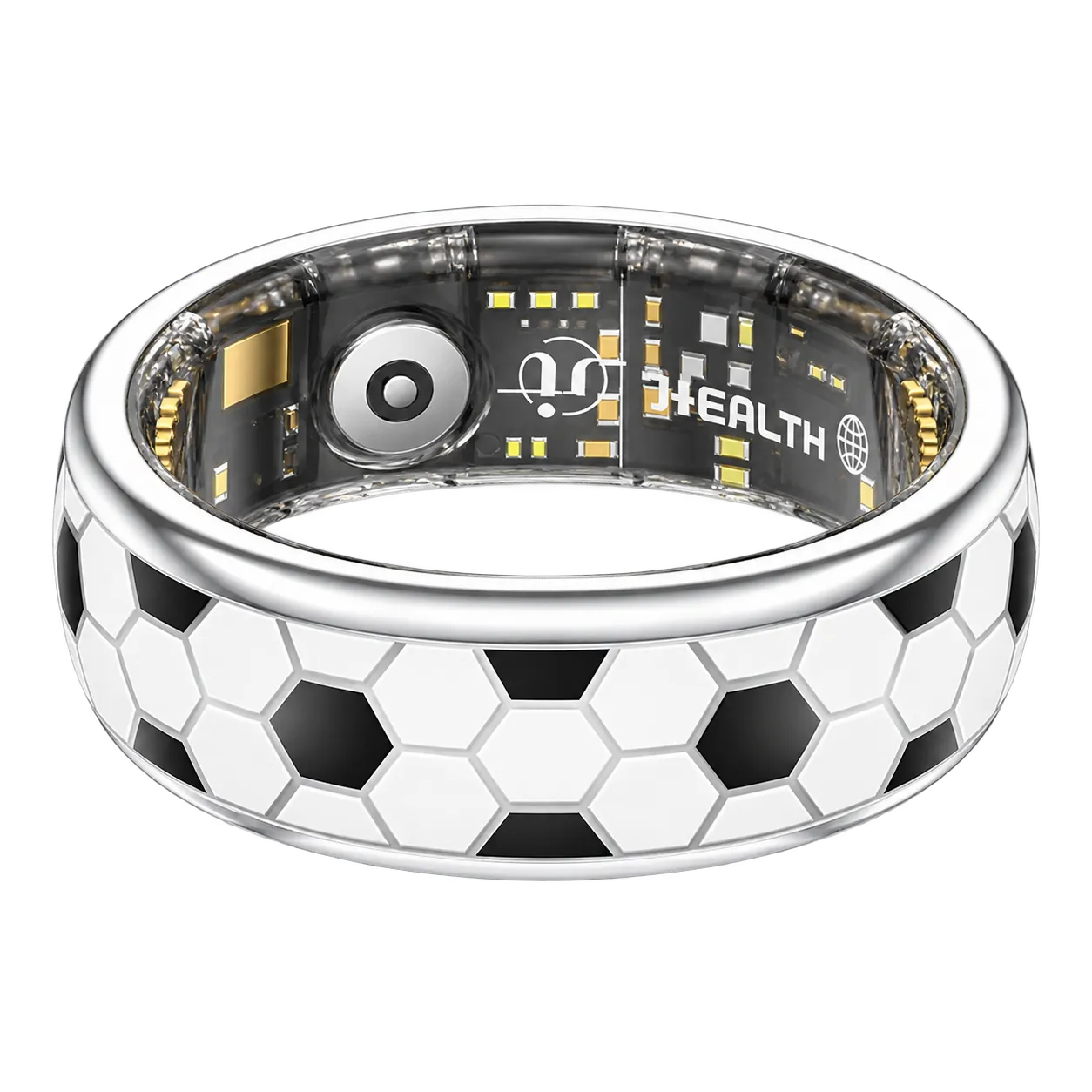
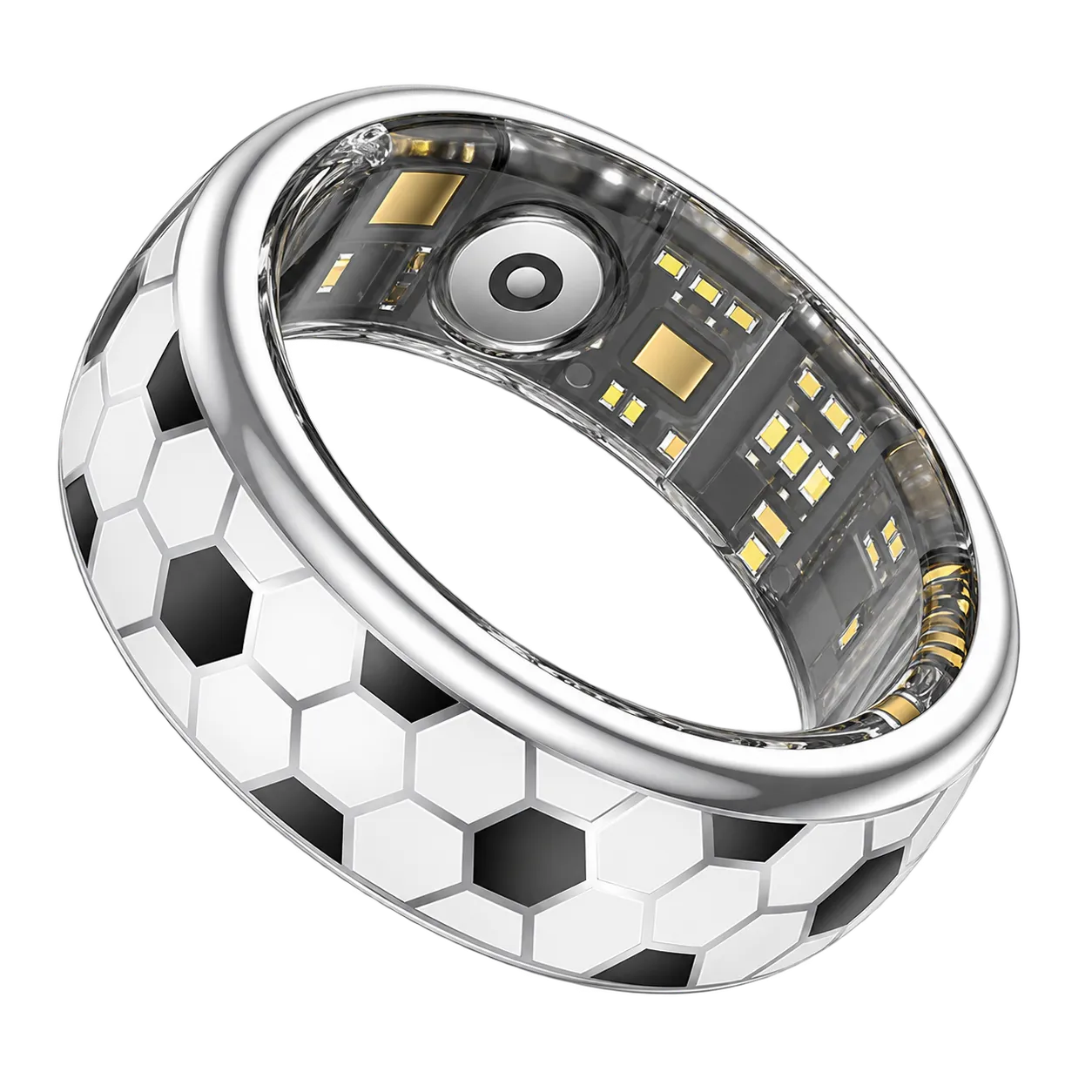
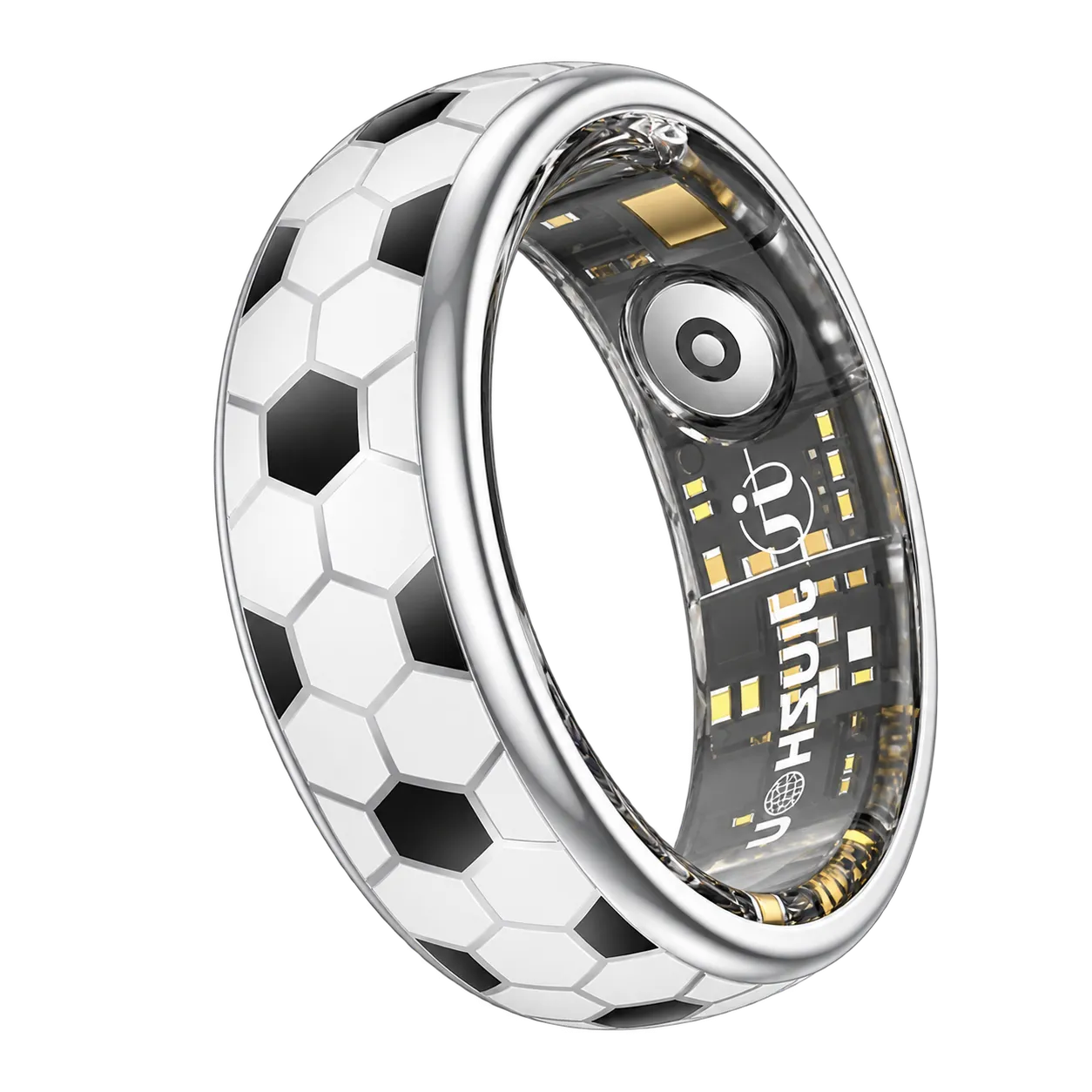
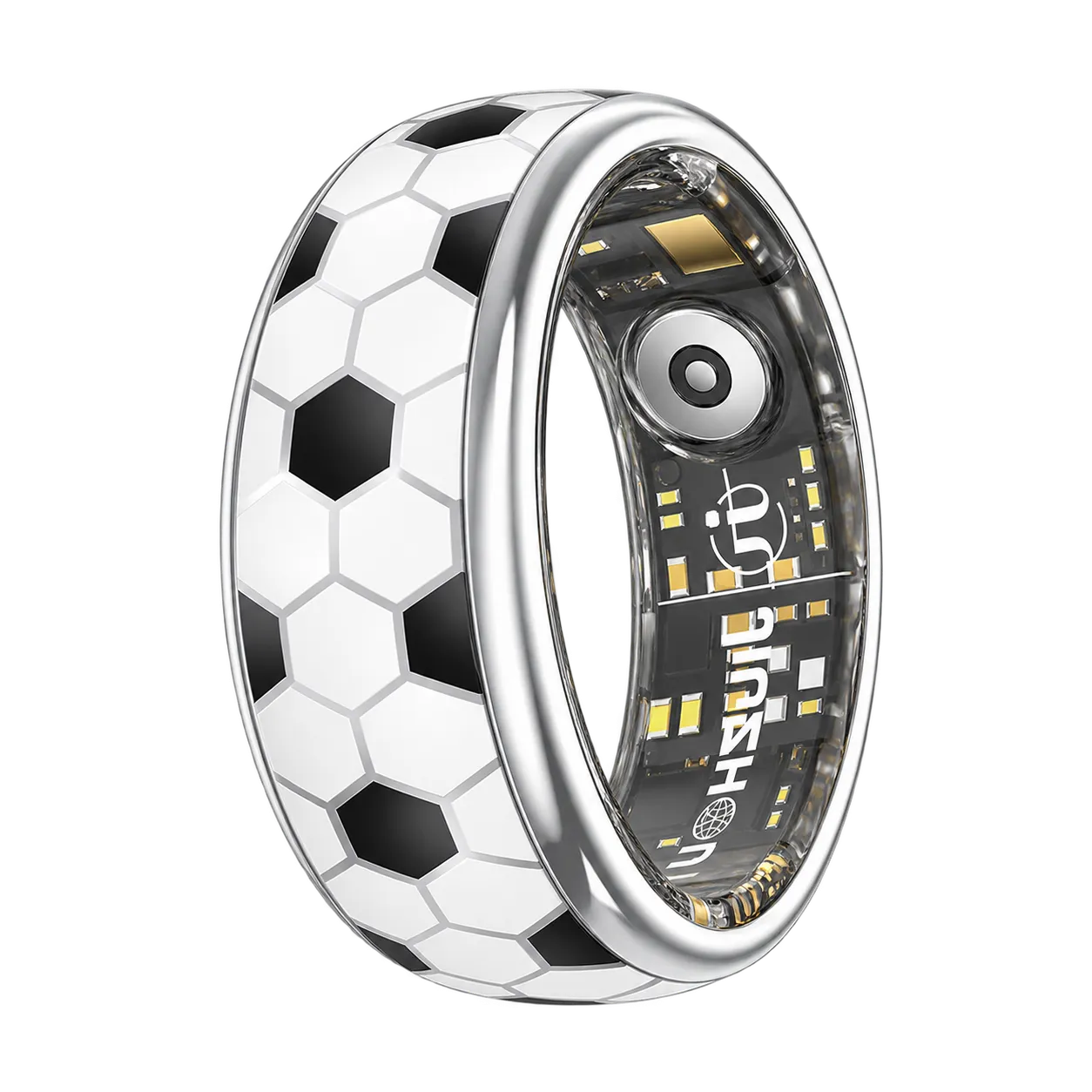
The KU-SH-05-001 suits programmes that require people to wear a tracker day and night. Retailers and distributors can stock it as a screenless wellness wearable, gyms and fitness studios can offer it to members who log training across its sport modes, and workplace wellbeing schemes can issue it to staff who opt in. Families can use the sharing feature for wellbeing check-ins on an older relative's sleep and heart rate trends, though no part of a care plan should rest on it.
Evidence on what rings of this kind measure is mixed. A systematic review and meta-analysis of wearable sleep trackers against laboratory polysomnography found they overestimated total sleep time and sleep efficiency and underestimated time awake after falling asleep, with wide variation between devices. A 2024 meta-analysis on skin pigmentation found pulse rate from wearables showed no meaningful bias by skin tone, while SpO2 readings were overestimated across skin tones and consumer devices were rarely reported. Validation data for this model comes from the manufacturer through the enquiry team, and it is the evidence that applies.
It is the wrong purchase for clinical monitoring, sleep apnoea assessment or oxygen checks in respiratory illness, where a medical device with documented accuracy is required. Employers should also keep participation voluntary, because the readings it collects are health data.
Gyms, employers and care groups buying through procurement routes will ask for the declaration of conformity, the app's data processing terms and the shipping documents before approval. The conformity documentation those procurement routes require is issued by the manufacturer and shared by the enquiry team.