
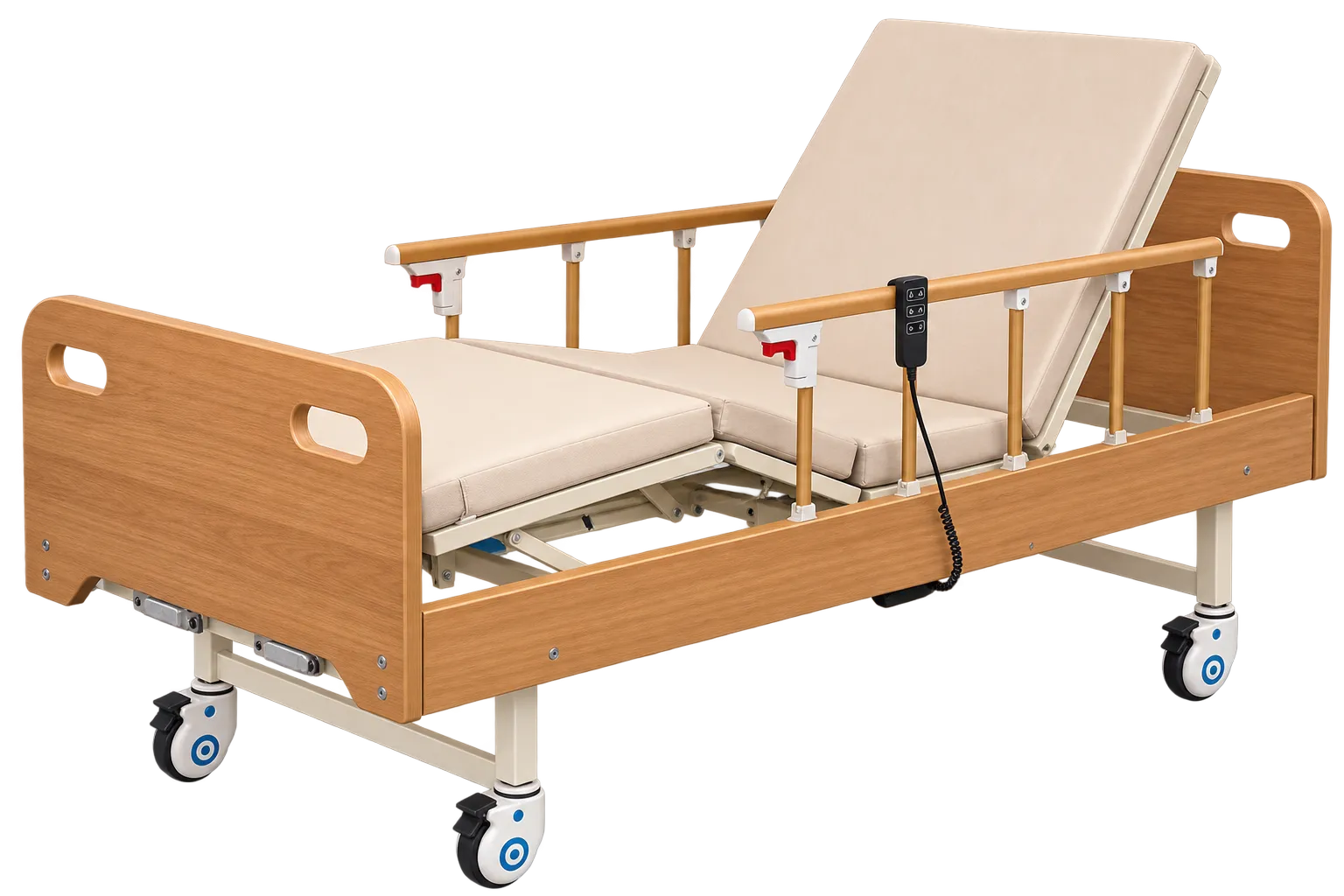
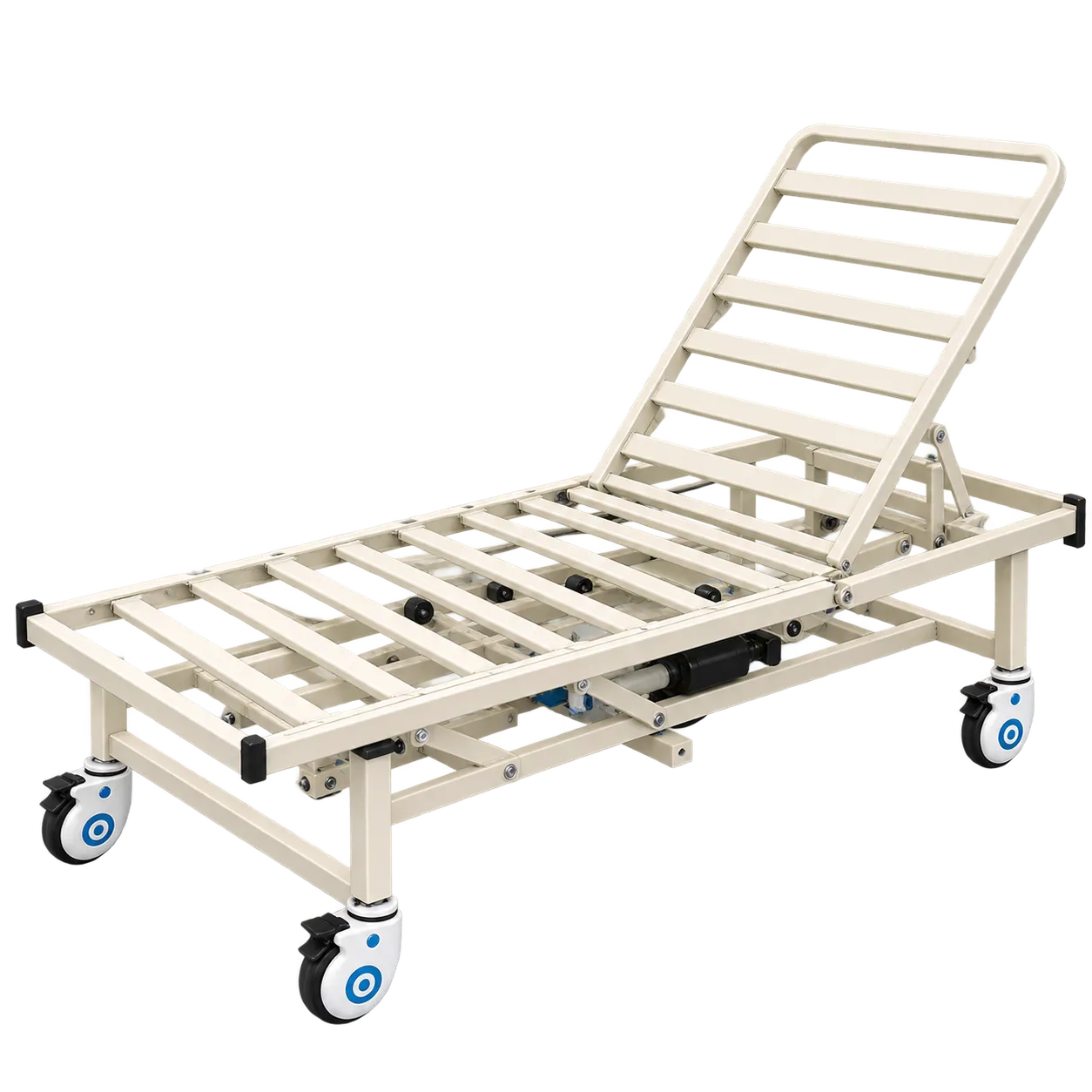
Community and home placements have the most riding on the answer. A powered bed in a house with no override leaves a resident in whatever position the cut found them, and a family carer with nothing to do about it. Establish whether a manual override exists before the bed goes in, and if it does, make sure somebody present knows where the crank points are and can reach them.
Rural placements and households with an unreliable supply should treat the override as a specification requirement rather than a bonus. Where cuts are measured in hours, the difference between a bed that can be wound down by hand and one that cannot is the difference between a manageable evening and an emergency call.
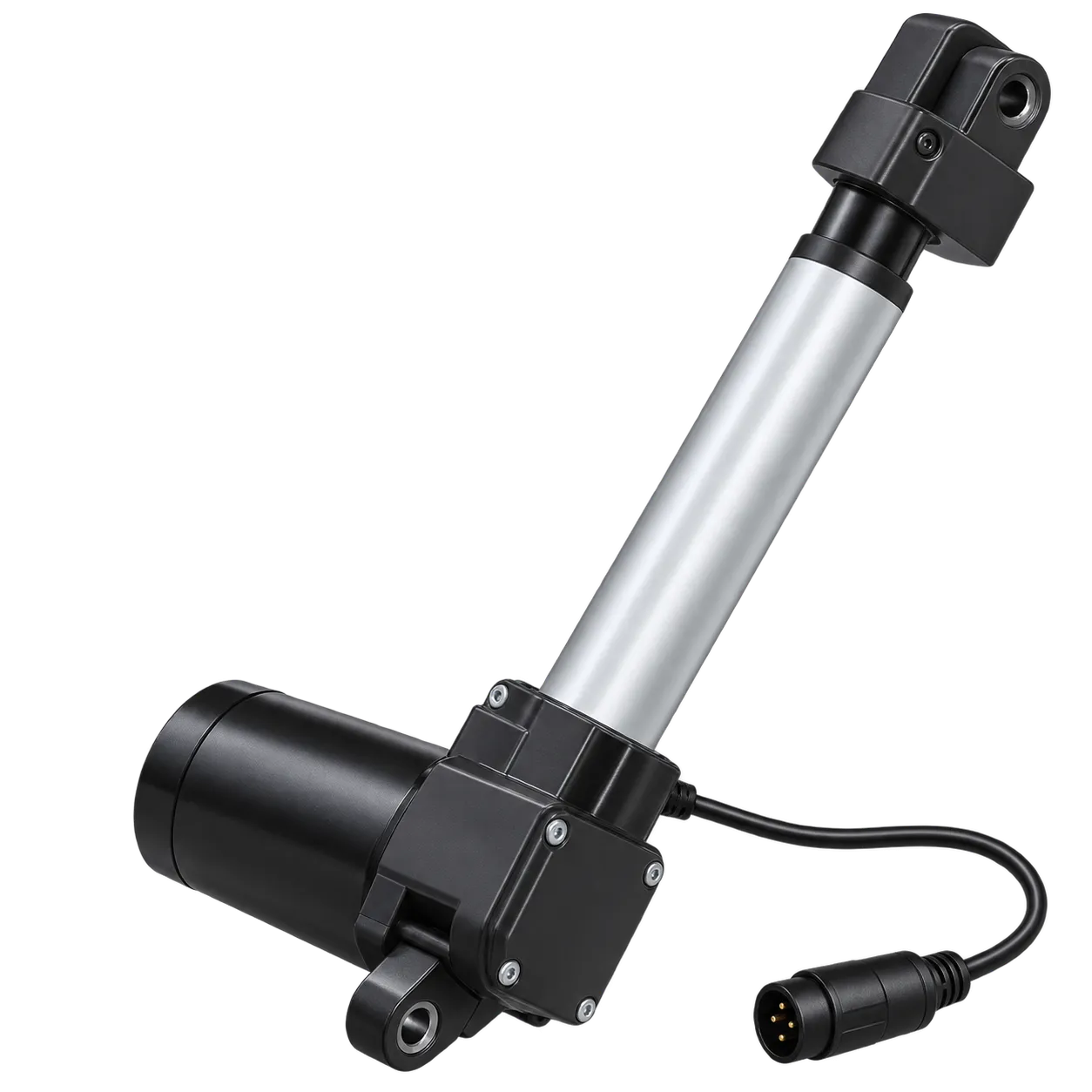
Equipment services need the power source resolved before the asset is registered, since it determines whether the bed enters the electrical testing programme and carries a WEEE obligation. Those apply whether or not an override is fitted.
Care planning should record what happens in a power failure, who does it, and where any handle is kept. Procurement routes across NHS trusts, local authority equipment services and independent providers each ask for their own evidence. The conformity documentation those procurement routes require is issued by the manufacturer and provided by the seller.