
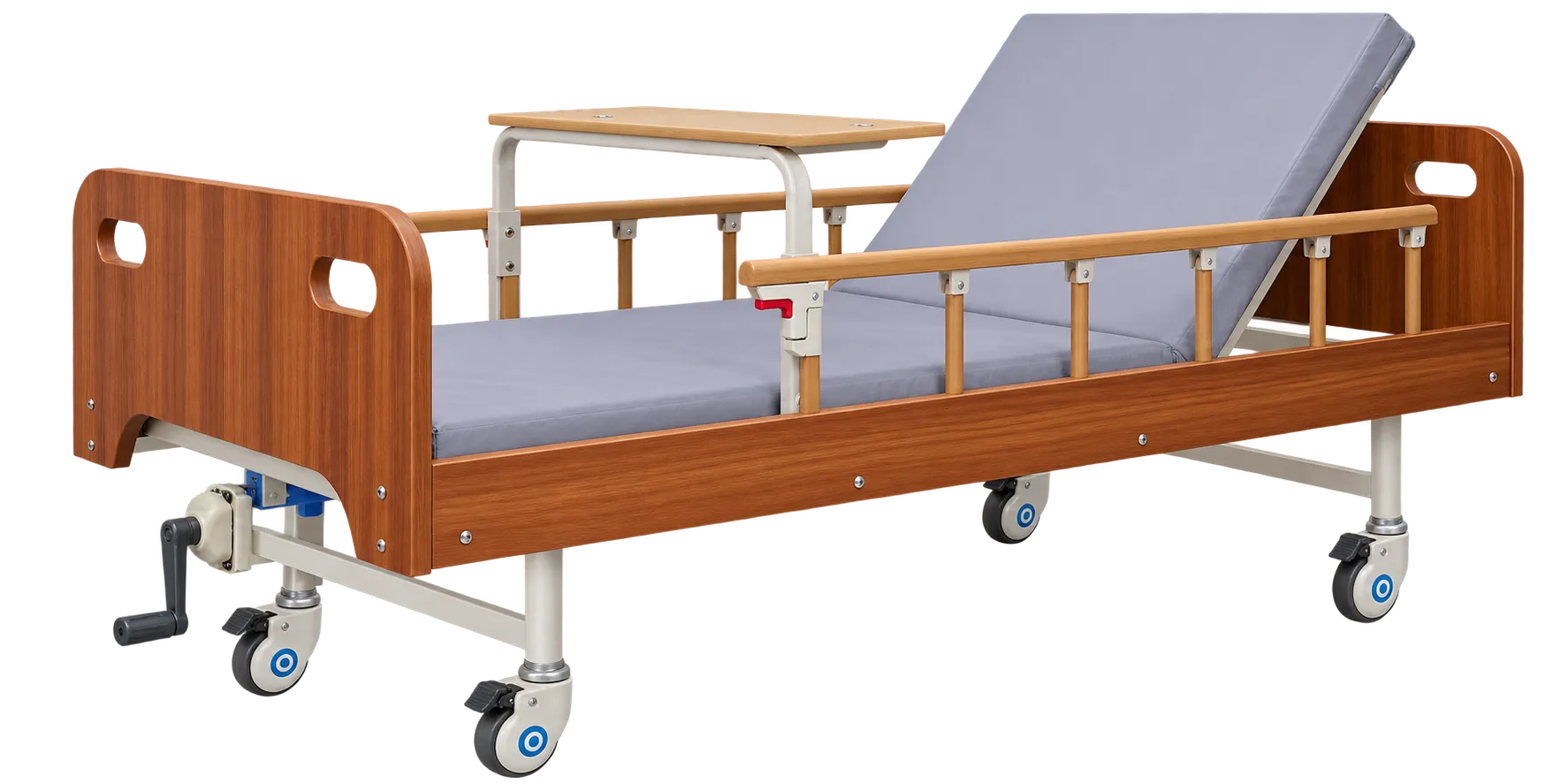
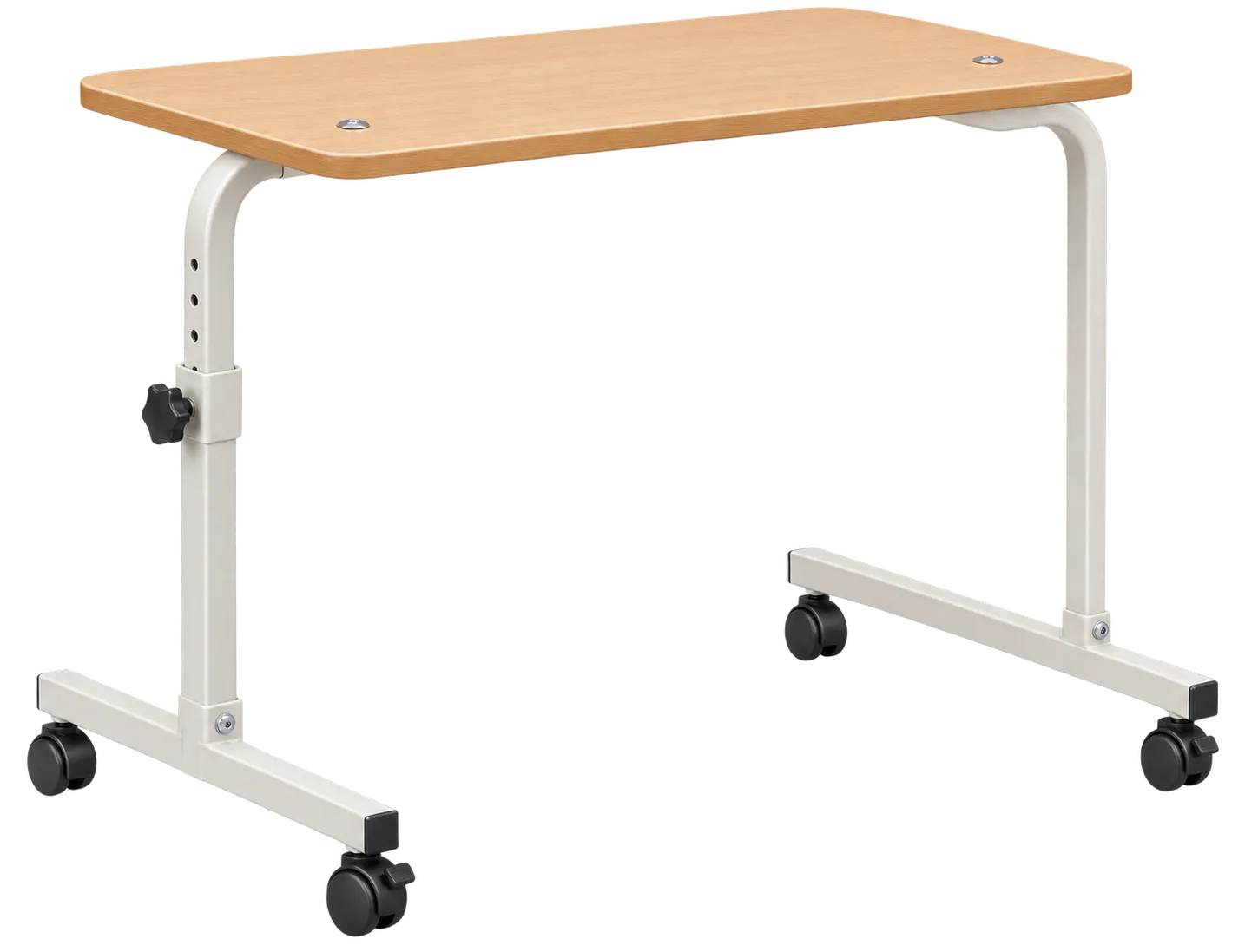
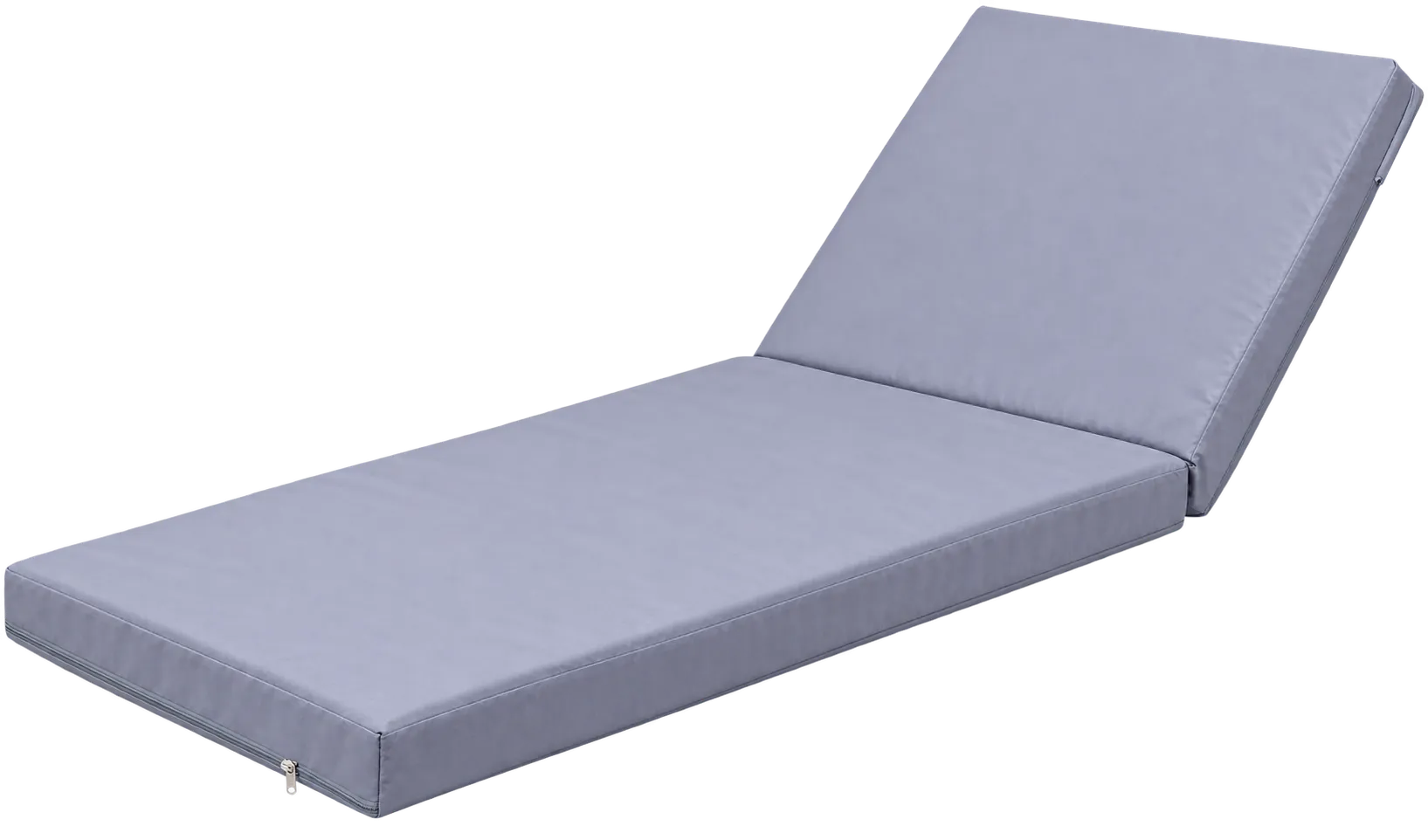
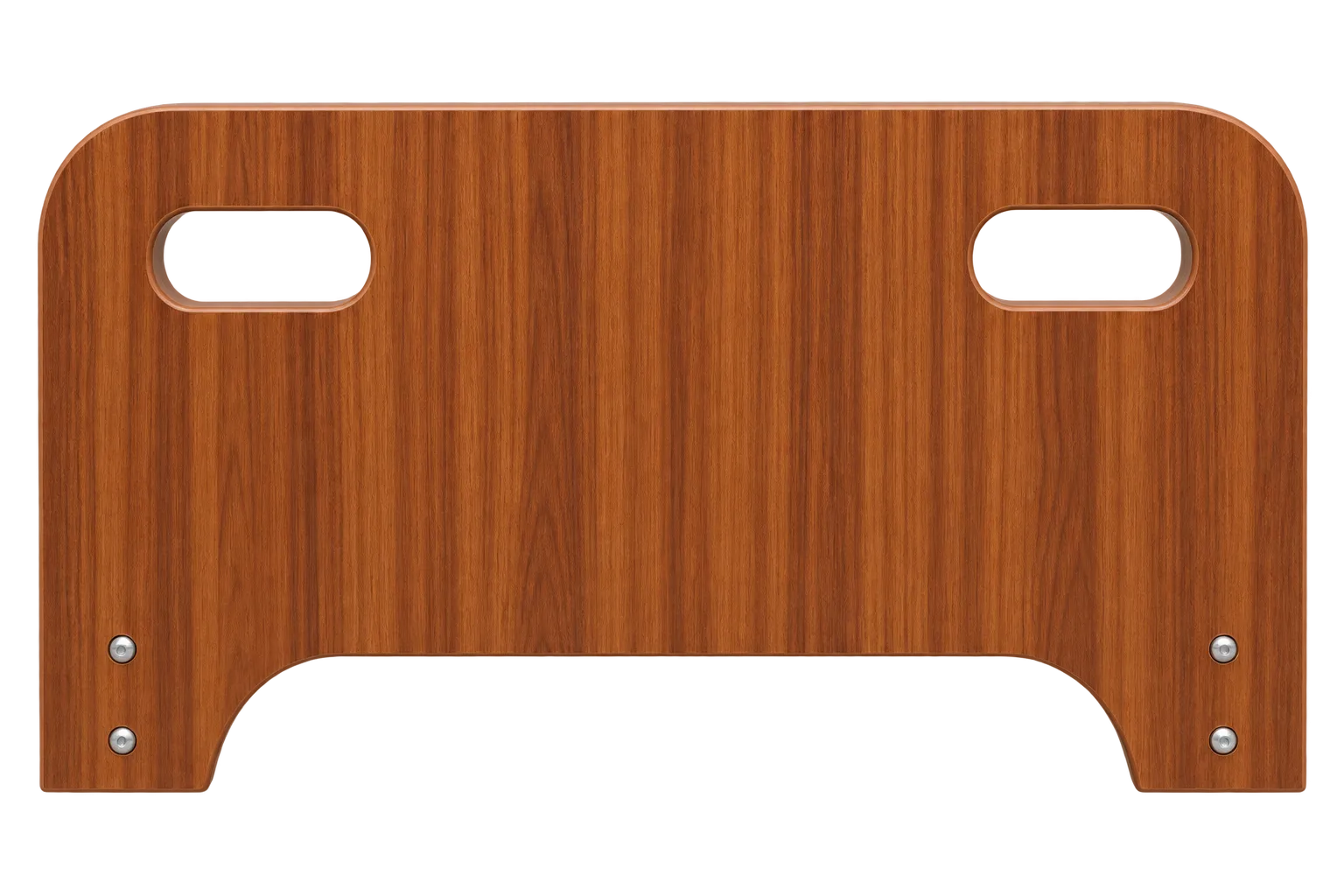
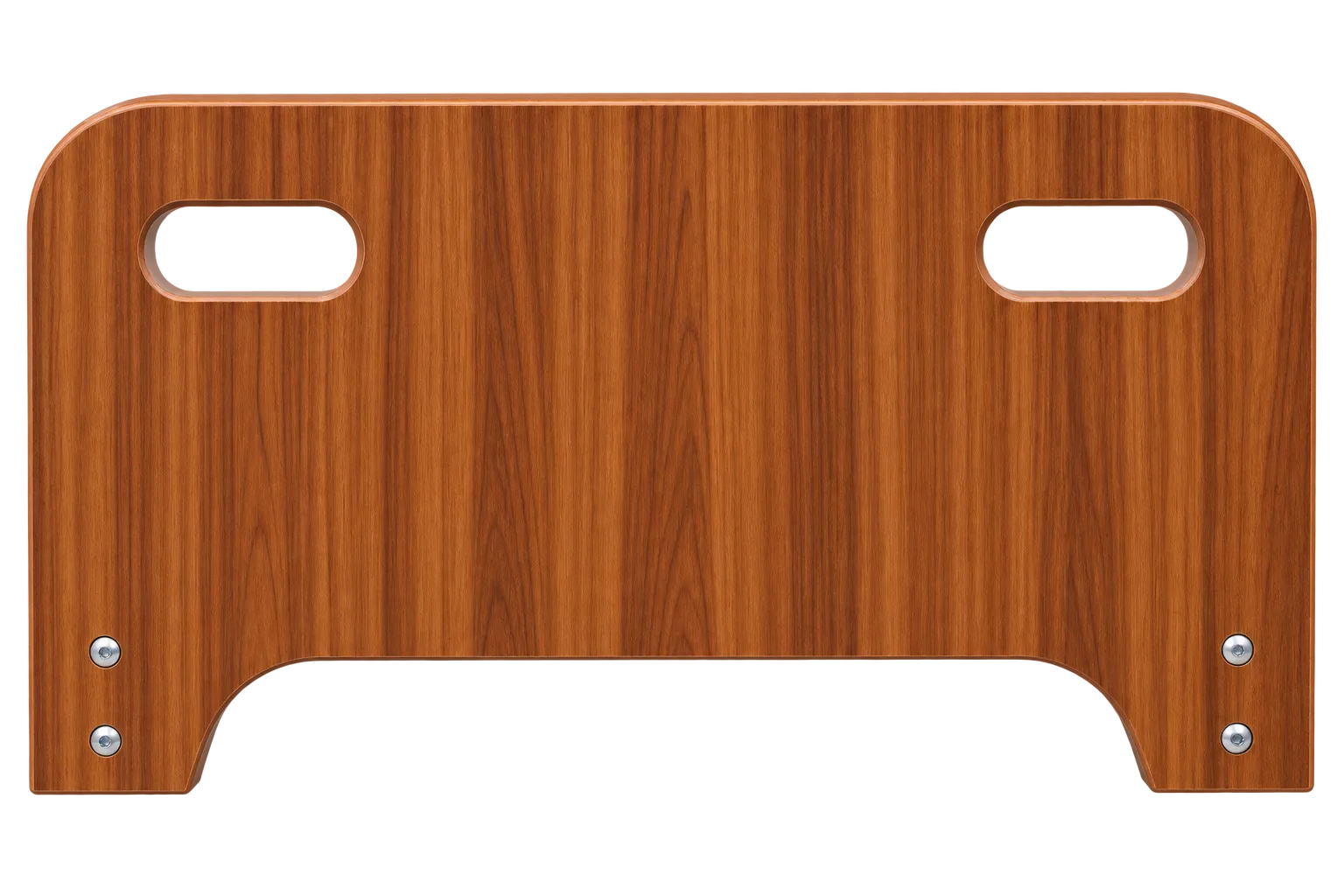

Community and home placements where somebody lives alone get the clearest benefit and carry the clearest risk. A rail the person can lower themselves means no waiting for help in the morning; it also means nobody is there if the decision to lower it is a poor one. Assess the individual, record the outcome, and set a review point.
Care homes should treat the lock question as a procurement item rather than a detail. Whether a rail can be secured against occupant release determines which residents the bed suits, and that answer needs to exist before allocation rather than after an incident.
Night staff need to know what was agreed. A rail raised at bedtime and released at three in the morning offers protection for the hours nobody was worried about. If night is the identified risk period, the arrangement for that period should be explicit.
Occupational therapy and moving-and-handling leads should assess the release alongside the crank, since both are controls on a bed named for self-operation and both draw on the same reach, grip and force. Procurement routes across NHS trusts, local authority equipment services and independent providers each ask for their own evidence. The conformity documentation those procurement routes require is issued by the manufacturer and provided by the seller.