
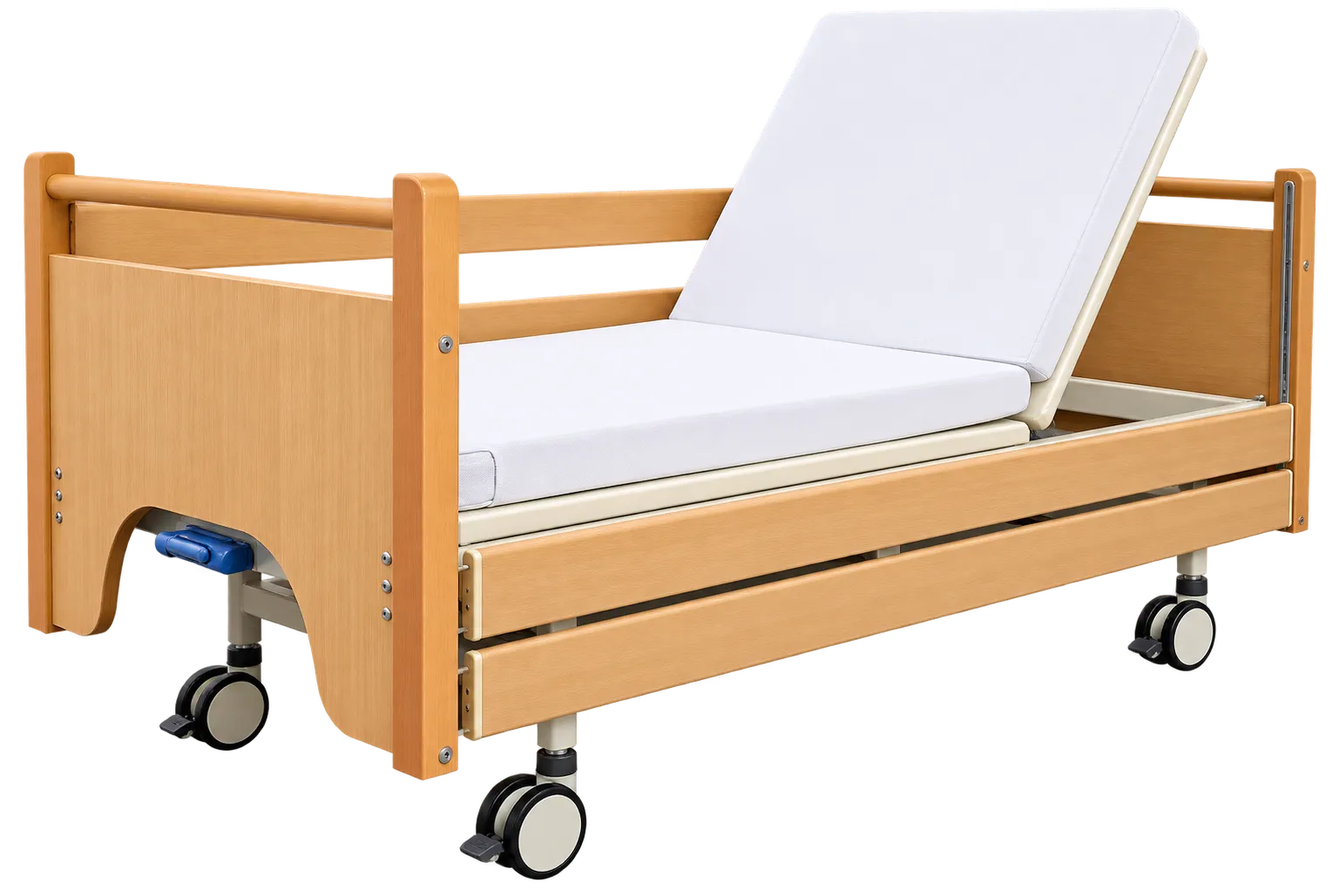
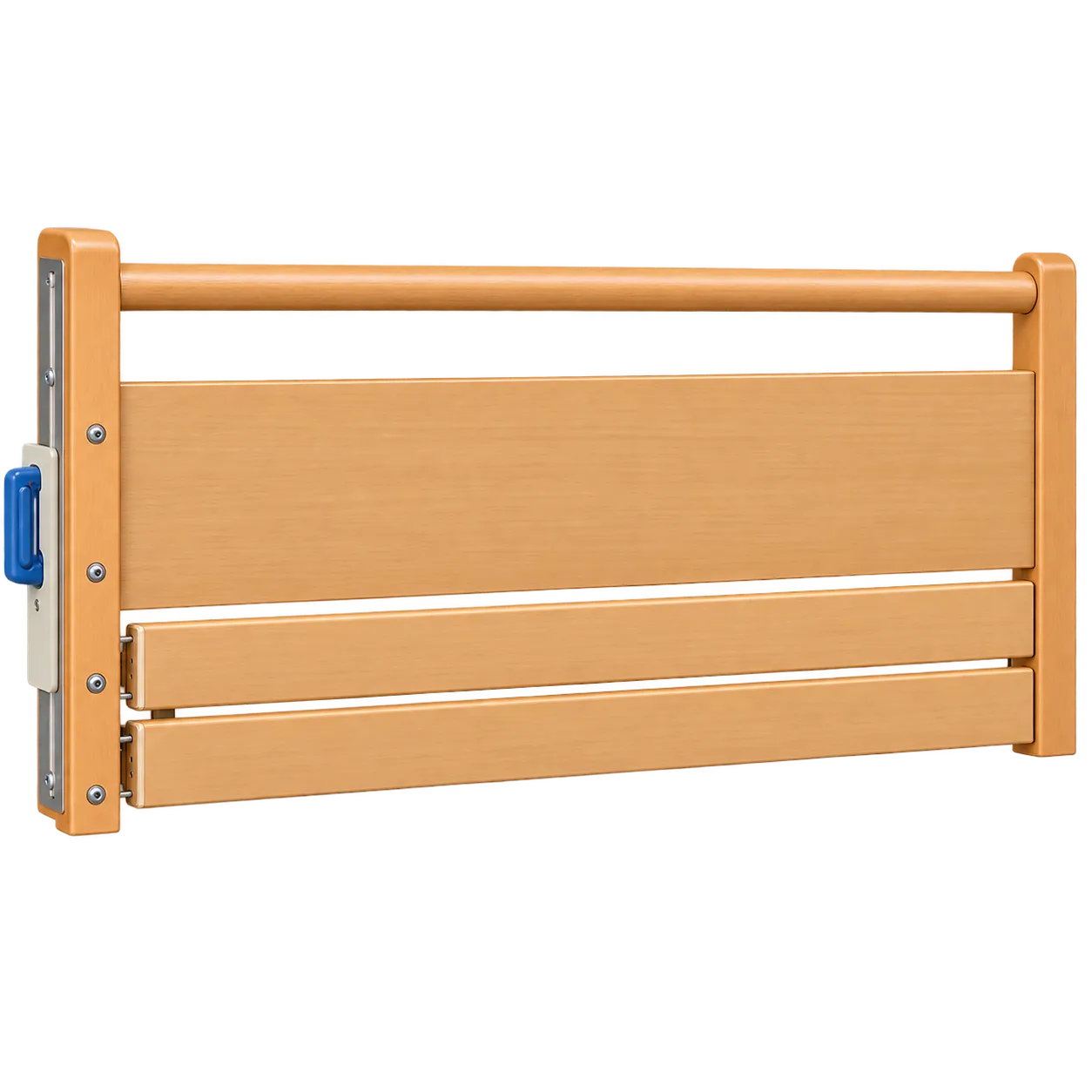


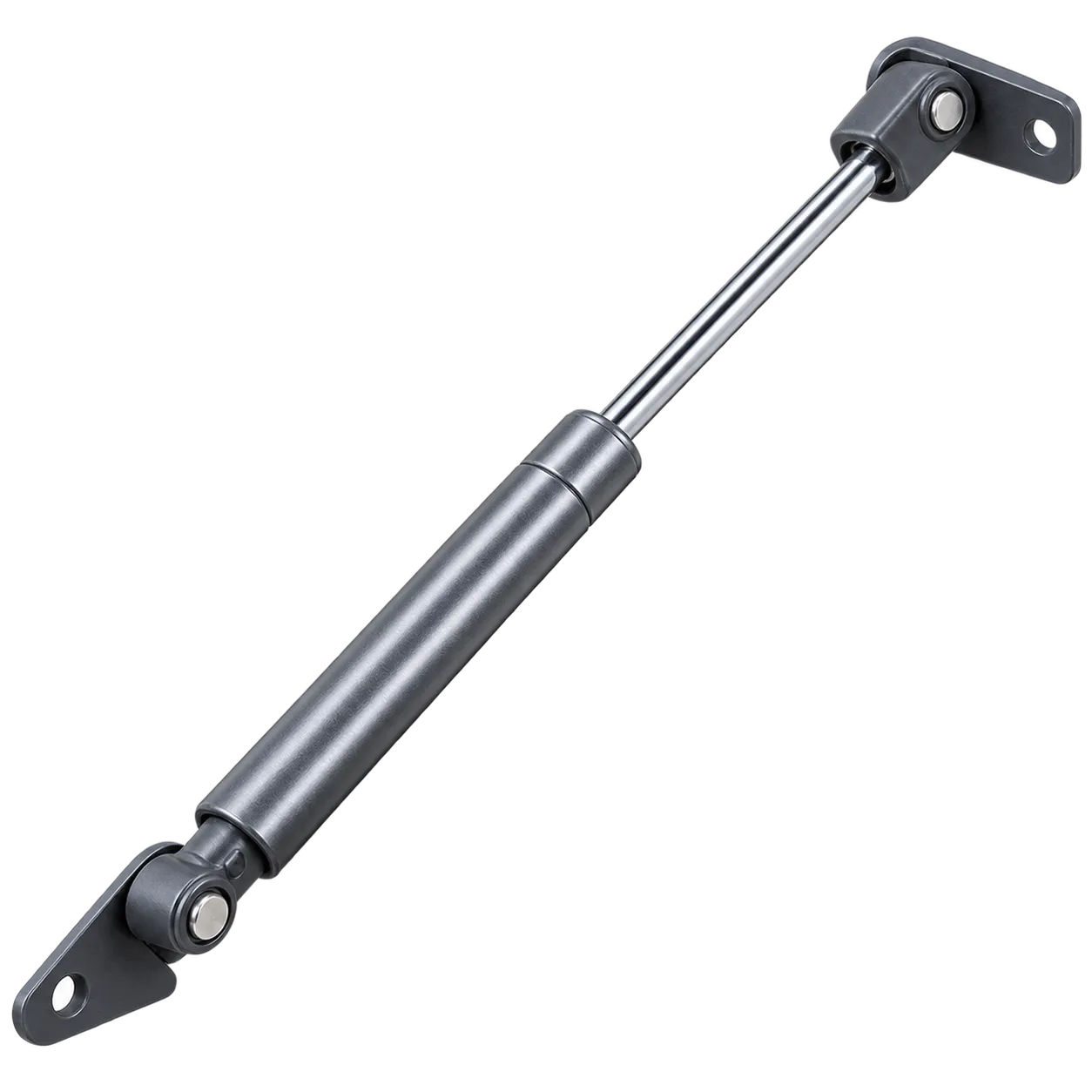

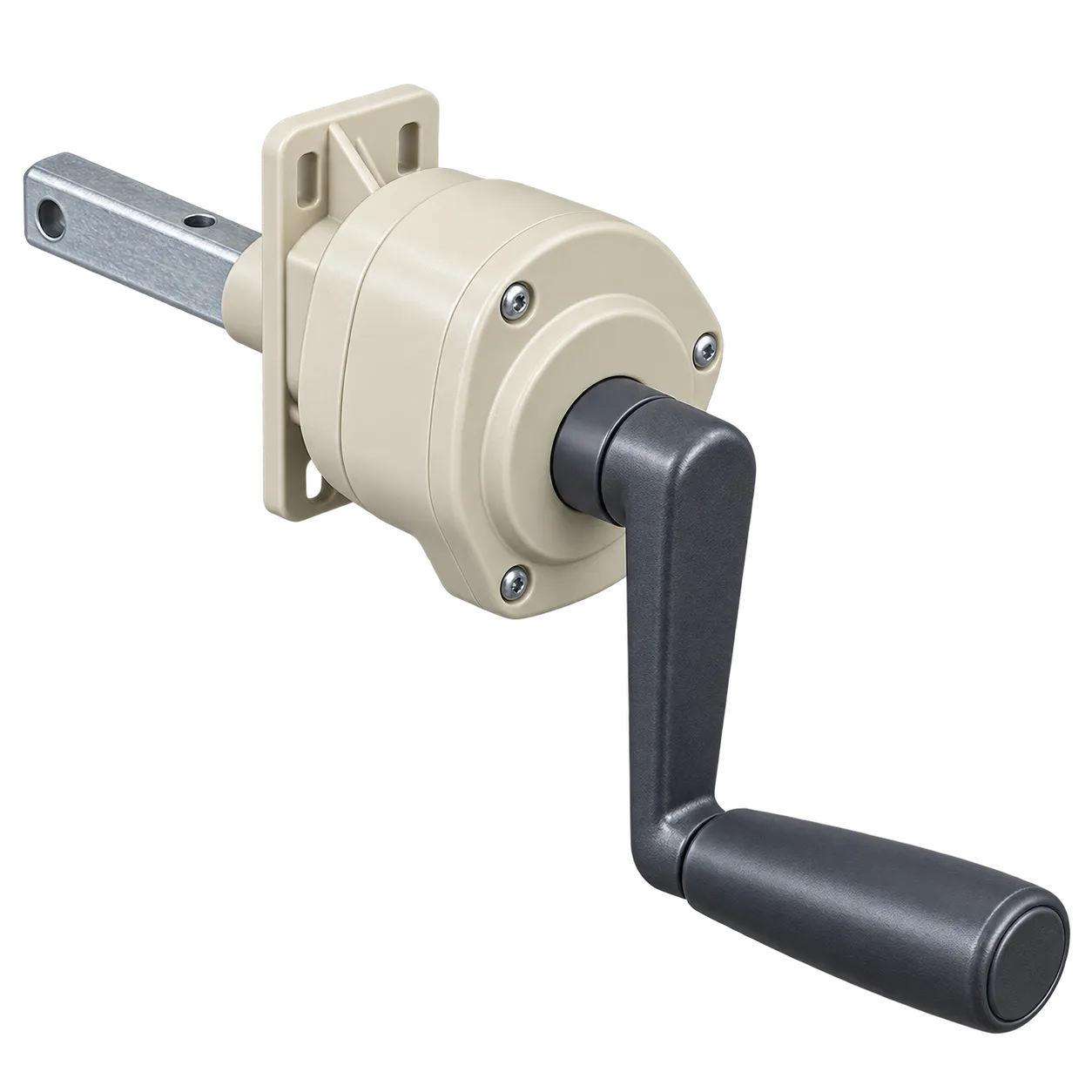
Community and home placements need the decision made before delivery, not after. A resident living alone with a raised rail they cannot lower is not self-caring, whatever the product name says, and a resident who can lower it has a second control to manage. Establish which applies and write it down.
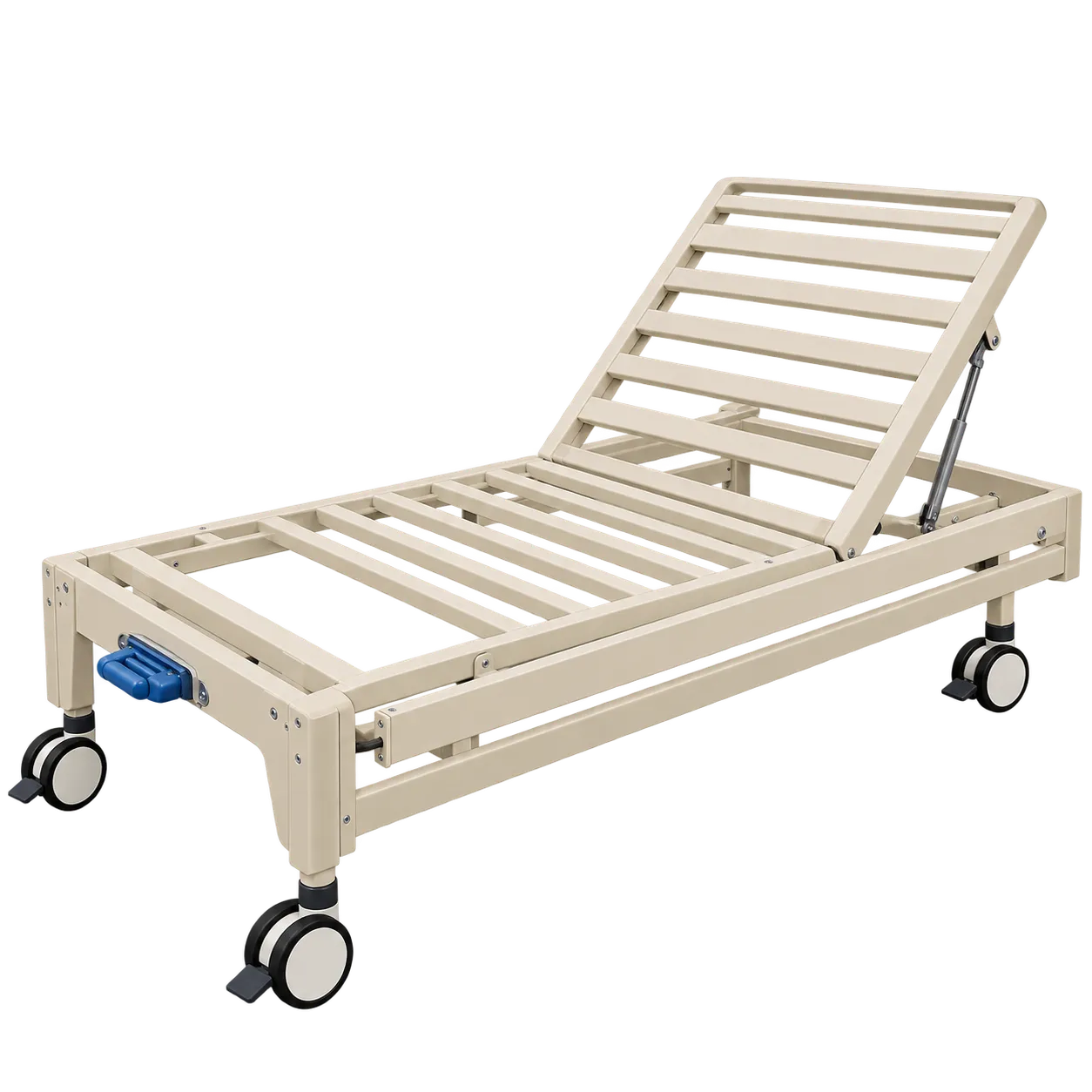
Occupational therapy and moving-and-handling leads should assess rail operation alongside the crank. Both are controls on a bed named for self-operation, and both need reach, grip and sustained force from the same person. Assess them together rather than separately.
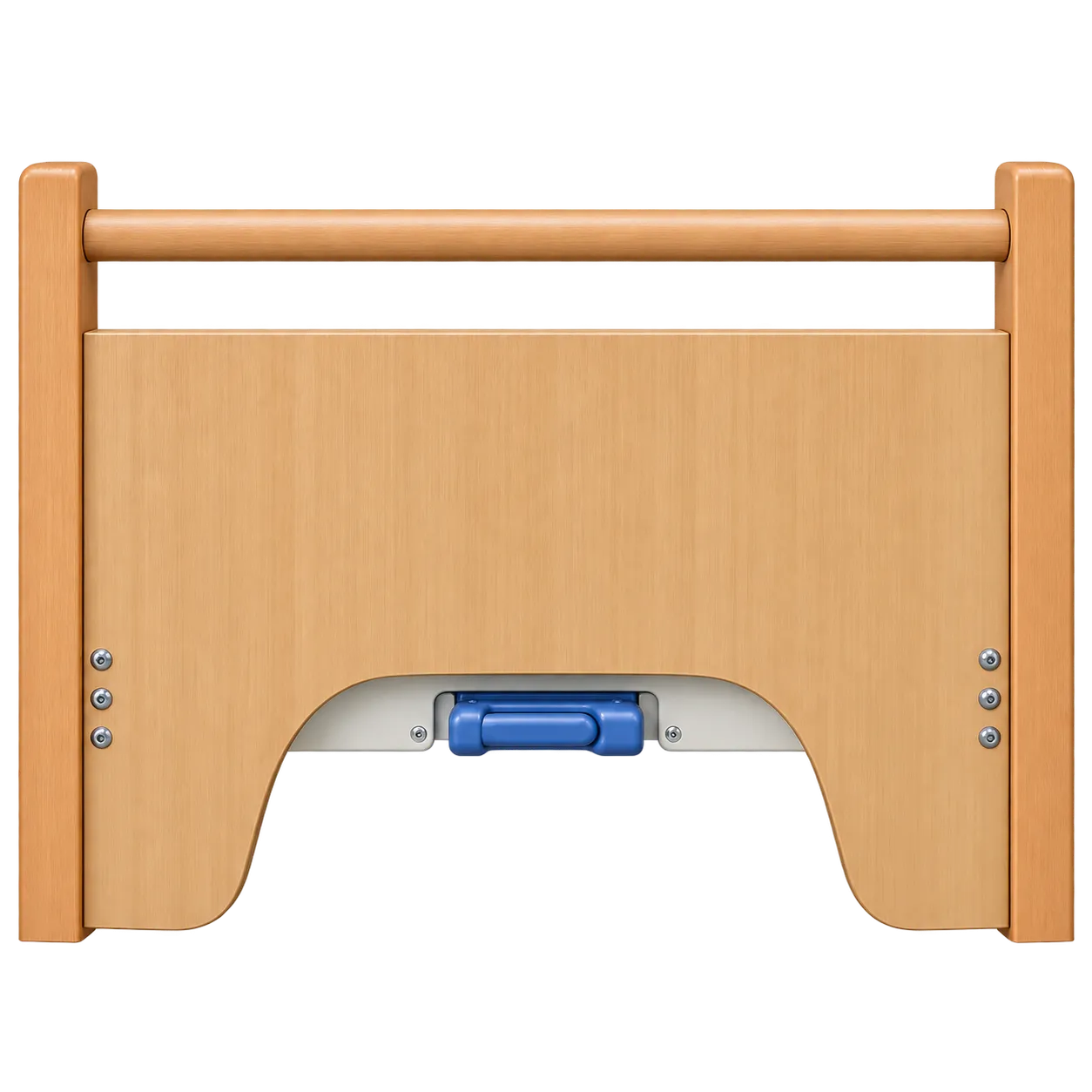
Care homes should treat the least restrictive option as the framing question rather than an afterthought. Where independence is the goal, a full-length raised barrier may be the wrong provision even on a bed that offers it, and a partial rail or a bed lever may serve better. Record the reasoning.
Family carers need to be told plainly who lowers the rail and who operates the crank. Ambiguity there is where a resident attempts something unaided that nobody expected them to attempt. Procurement routes across NHS trusts, local authority equipment services and independent providers each ask for their own evidence. The conformity documentation those procurement routes require is issued by the manufacturer and provided by the seller.