
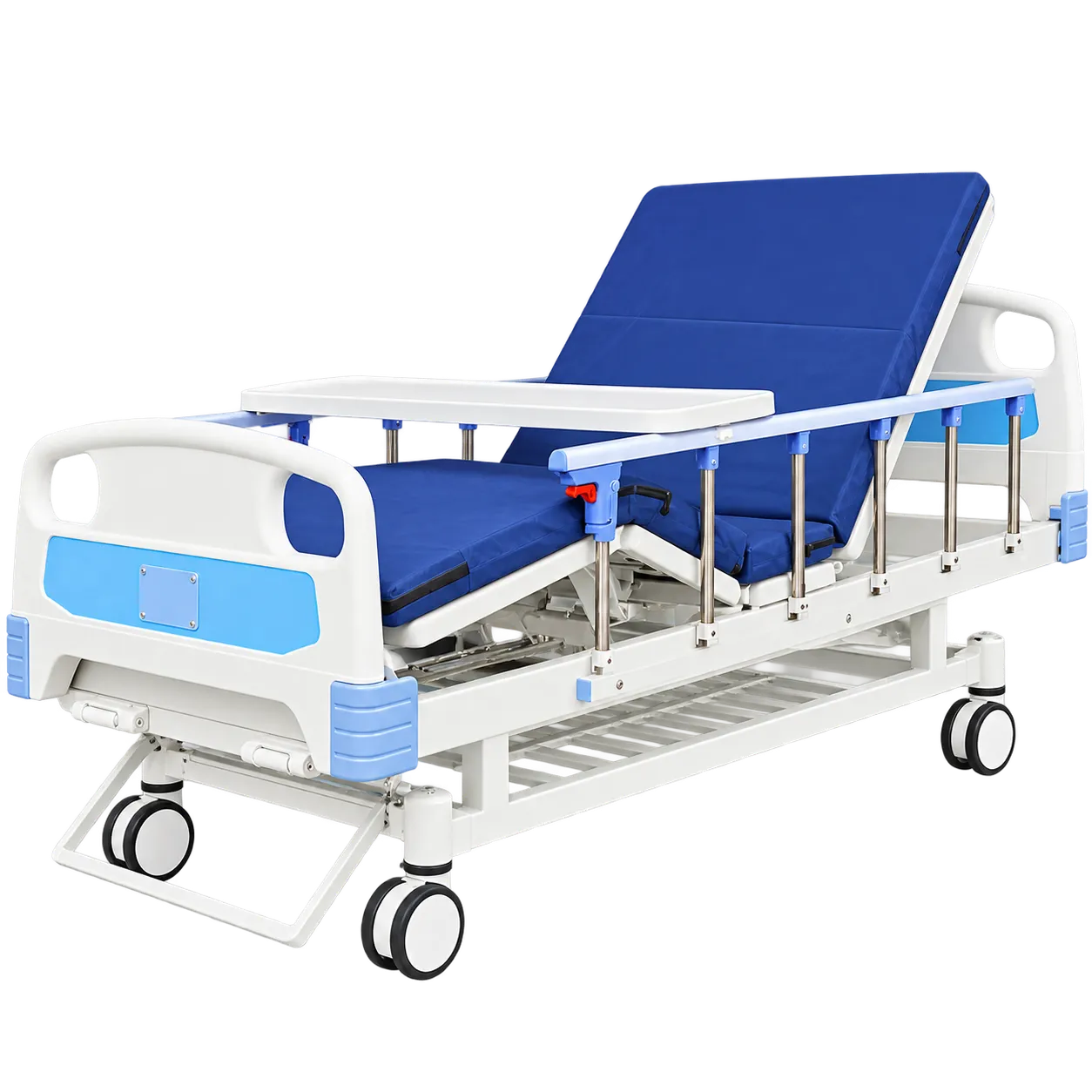
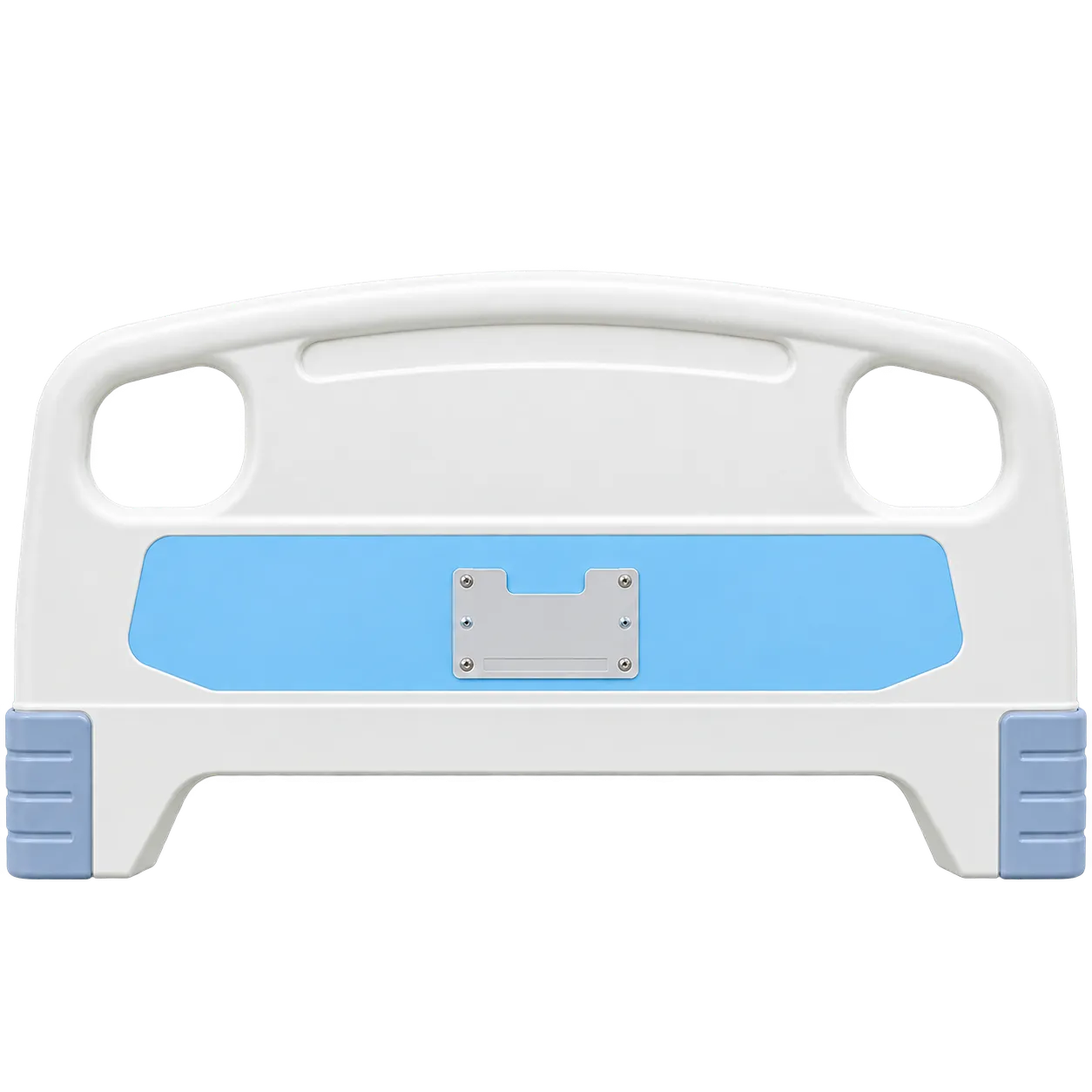


Home placements for people being cared for in their own bedroom are the setting this frame suits. The practical questions in such a placement are where the bed goes, whether somebody can sit next to it, and whether the room still reads as a room. Four wheels answer the first, folding rails answer the second, and moulded head and tail panels do more for the third than a specification sheet suggests. Confirm the folded rail height with the mattress depth included, since that is what decides how close a chair can get.
Hospices and community palliative teams use beds of this class where profiling and comfort matter more than clinical intervention. The limits should be stated at the same time as the fit: two hand-driven movements, no tilt and no named height adjustment mean repositioning is restricted, so pressure care depends more on the mattress than on the frame. Involve the tissue viability team in the mattress decision rather than treating it as an accessory.
Care and nursing homes with long-stay residents get the same benefits over months rather than weeks. A room a resident occupies for a year accumulates possessions, and the overbed table and under-deck shelf shown in photography are the sort of thing that gets bought separately and badly if it is not specified at the start. Ask what is available for this model and price it with the bed.
Equipment hire and short-term loan services suit a frame with no electrics and nothing to commission, which shortens the gap between a request and a placement. Procurement routes across NHS trusts, local authority equipment services, hospices and independent providers each ask for their own evidence. The conformity documentation those procurement routes require is issued by the manufacturer and provided by the seller.